Best Social Media Platforms for Small Business – Top Picks

Small businesses have a genuine headache picking social media platforms in 2024. There are more options than ever, algorithms keep shifting, and what worked last year might be dead money now. With nearly 5 billion people using social media worldwide, the opportunity is massive—but so is the noise.
This guide looks at the major platforms small businesses should consider, what they cost, who actually uses them, and whether they’re worth your time.
How We Evaluated These Platforms
I looked at each platform through five practical lenses: how many people actually use it, how much organic reach you can expect, how affordable the ads are, what built-in business tools exist, and how well they play with other marketing software.
Here’s the thing about social media lately: organic reach has tanked across pretty much every platform. Algorithms now prioritize paid content, which means cheap advertising tools matter more for small businesses working with tight budgets. At the same time, features like Instagram Shops and TikTok’s small business tools have gotten genuinely useful—even for people who aren’t marketing experts.
Research from Sprout Social shows businesses on three or more platforms get about 30% higher engagement than those sticking to one. But spreading yourself too thin is a real risk. Most small businesses are better off picking two or three platforms and doing them well.
Facebook: The Workhorse
Facebook still dominates with around 3 billion monthly users. The demographics are unmatched—literally everyone is there, across all age groups and locations.
The Facebook Business Suite is genuinely helpful for small teams. You can manage Facebook and Instagram from one place, schedule posts, check your metrics, and reply to messages without logging into multiple accounts. For solo entrepreneurs or tiny teams, that’s a real time-saver.
The ad platform is accessible too. You can start campaigns with as little as $5 a day and target people by location, interests, and behavior. The pixel tracking system lets you measure whether your ads actually lead to sales, which isn’t always easy on other platforms.
The downsides are real though. Organic reach for business pages hovers around 5-7%—so if you’re not paying for reach, most of your followers won’t see your content. The algorithm also favors posts that spark conversations, not passive likes. That means you need to actually get people talking, which takes effort.
Facebook works well for local businesses building community, service businesses chasing leads, and e-commerce brands targeting people 25-54. Facebook Marketplace is also a solid free option for selling physical products locally.
Instagram: The Visual Play
Instagram has grown up. It’s not just a photo app anymore—it’s a full business platform. Over 2 billion monthly users, mostly younger (about 60% are 18-34).
Instagram Shops and checkout mean users can actually buy things without leaving the app. If you sell products, that’s a huge reduction in friction. If you don’t have an e-commerce setup yet, the “link in bio” approach still works fine.
Instagram Reels are where the reach is in 2024. The algorithm pushes short-form video hard, and businesses embracing Reels consistently see better discovery rates than those stuck on static images. Yes, video takes more work—but the payoff is real.
The catch: Instagram demands good visuals. Unlike Facebook where decent text posts can work, Instagram requires actual photos and video. If you don’t have design skills or decent photography, you’ll struggle unless you outsource or learn.
Industries that crush it on Instagram: fashion, food, home decor, fitness, travel. Service businesses can succeed too, but it takes creativity—behind-the-scenes content, team features, client testimonials in visual formats.
TikTok: The Wild Card
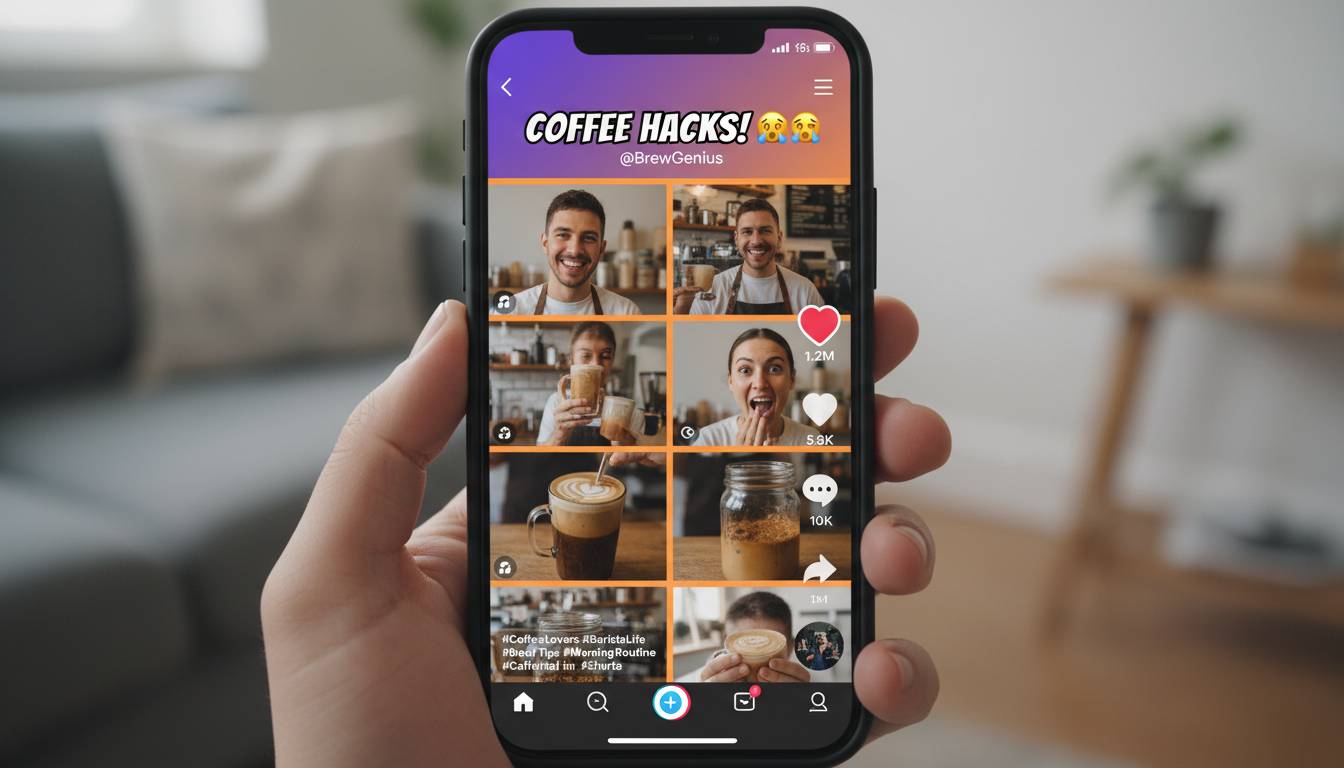
TikTok is the fastest-growing platform with over 1.5 billion users. The organic reach is still ridiculous compared to other platforms—new accounts with good videos can go viral in ways that don’t happen anywhere else.
The audience has gotten older. Gen Z is still there, but users 25-54 are the fastest-growing group. That opens TikTok up for more business types beyond the youth brands that originally dominated.
TikTok’s free resources for small businesses have expanded—free ad credits, educational content, and built-in shopping features (though availability varies). The content style favors authenticity over polish, which actually helps small businesses compete with bigger players who can’t do “real.”
But here’s the honest truth: TikTok takes time. Most businesses need three to six months of consistent posting before seeing real traction. It’s not a get-famous-quick scheme. Also, some business types just don’t translate well to short-form video—professional services, B2B, anything hard to make visually interesting.
LinkedIn: For B2B Only?
LinkedIn is the place for B2B. Over 900 million members, lots of actual decision-makers browsing.
The algorithm now heavily favors original content over shared links. Native posts about industry insights, company news, and professional expertise get way more reach than articles you just want people to click. This has actually democratized thought leadership—you don’t need a huge marketing budget to build authority.
Advertising costs more than consumer platforms, but the targeting is specific: job titles, industries, company sizes, seniorities. For B2B businesses, those leads are worth the premium.
Company pages matter. They function as digital credibility checks—prospects look at your page when evaluating vendors. Regular updates, employee engagement, and follower growth all contribute to looking legitimate.
If you sell to other businesses—consultants, agencies, professional firms—LinkedIn is essential. The search and recommendation features actually connect people looking for services with providers.
Twitter/X: The Niche Player
Twitter (now X) serves specific use cases better than others. It’s strong for real-time engagement, joining industry conversations, and customer service.
The platform changed a lot in 2024 after the ownership shift—new subscription models, different content policies. It’s been volatile, which creates uncertainty. But for some businesses, particularly in media, tech, and industries where news moves fast, it still works.
The direct conversation ability is unique. Businesses can actually talk to customers publicly, participate in trends, and build personality through timely posts. Crisis communication and customer support are genuinely strong use cases here.
Ads are cheaper than other platforms, but the targeting has historically been less sophisticated. The verification changes have also created confusion about who’s real.
Not every business should bother. Evaluate whether your audience and industry are actually active on X. Tech and finance? Probably. Local retail? Probably not.
Pinterest: The Hidden Gem
Pinterest isn’t really a social network—it’s a search engine for ideas. Users come to find inspiration, not to scroll feeds. That’s actually powerful.
Shopping features have improved a lot. Product pins show up in search results, and users there are actually planning purchases—they’re not just browsing. They’re looking to buy.
The audience is predominantly female (about 76%), though that’s shifted gradually. Users are in planning mode—home decor, weddings, fashion, food, DIY. If that’s your industry, Pinterest is incredibly valuable.
Here’s the best part: content has legs. Pins drive traffic for months or even years, unlike content that dies in hours on other platforms. Consistent publishing creates compounding returns.
The format requirement is specific—vertical images, infographics, step-by-step visuals. You also need to optimize for Pinterest’s own search, which means keyword research within the platform.
How to Pick
Don’t try to be everywhere. That’s the fast track to mediocrity everywhere.
Know your audience. Where do your customers actually hang out? A pediatric dentist probably finds parents on Facebook and Instagram. A B2B software company? LinkedIn.
Be honest about resources. Can you actually make video consistently? Do you have design skills? Time for community management? Pick one or two platforms and do them well.
Match your business model. E-commerce? You need visual platforms with shopping features. Service business? You need platforms good for lead capture and conversation.
Think about your stage. New business wanting fast audience? TikTok’s organic reach is the play. Established and focused on conversion? Double down on platforms with proven shopping tools.
Mistakes Small Businesses Make
Spreading across six platforms while doing none of them well. Pick two, do them consistently.
Posting the same content everywhere. Instagram and LinkedIn want different things. Adapt or fail.
Ignoring people who engage with you. Social media is a conversation. Reply to comments, answer messages, acknowledge mentions.
Not checking your data. Every platform gives you insights. Use them or keep guessing.
FAQ
Which platform is best with almost no budget?
Facebook and Instagram both have solid free tools and cheap ads starting at $5 daily. They’re the most accessible for tight budgets.
How many platforms should I actually manage?
Two or three maximum. Quality matters more than quantity. Six half-dead profiles hurt more than two active ones.
Is TikTok worth it in 2024?
Yes if you can commit to video consistently. The organic reach potential is still unmatched. But factor in the time investment before diving in.
Local business—Instagram or Facebook?
Facebook usually wins for local. Better local targeting, Groups for community, and integration with local business features like reviews and maps. Instagram is still good if you have visual products and target younger demographics.
How long until I see results?
Three to six months of consistent effort is realistic. Social media builds slowly. Businesses that quit after two weeks of posting are throwing away work that was about to pay off.
Do I have to pay for ads?
Organic reach has dropped so much that relying solely on it limits your growth. Organic content is great for building relationships, but most successful small businesses combine organic presence with strategic paid promotion.
Bottom Line
Facebook remains the safest bet for most small businesses—versatile, massive reach, solid tools. Instagram dominates for visual brands chasing younger crowds. TikTok is the play if you’re ready to invest in video and can wait for results. LinkedIn is non-negotiable for B2B.
Pick based on your actual business, not what’s trendy. Commit to doing a few platforms well rather than spreading thin. Social media works—it just requires patience, consistency, and actually talking to people instead of just broadcasting into the void.