Best Social Media Platforms for Businesses | Expert Guide

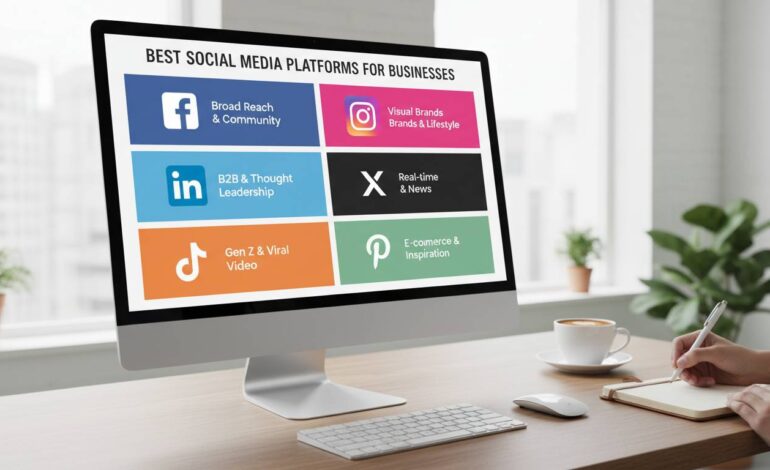
In today’s digital-first marketplace, establishing a strong social media presence has transitioned from an optional marketing tactic to an essential business strategy. With over 4.9 billion social media users worldwide and the average person spending 2.5 hours daily on these platforms, businesses simply cannot afford to ignore the massive reach and engagement opportunities that social media offers. This comprehensive guide examines the leading social media platforms for businesses, providing actionable insights to help companies develop effective digital marketing strategies that drive real results.
Why Social Media Marketing Matters for Modern Businesses
The transformation of social media from a personal communication tool into a powerful business marketing channel has been remarkable. According to Hootsuite’s 2024 Digital Trends Report, 73% of marketers believe social media has become “somewhat” or “very” important to their overall marketing strategy. The data speaks for itself: businesses that leverage social media effectively see significantly higher brand awareness, customer engagement, and ultimately, revenue growth.
“Social media has fundamentally changed how businesses connect with their customers,” says Jeanna Is天堂, Senior Director of Social at Sprout Social. “It’s no longer about simply posting content—it’s about building genuine relationships and creating communities around your brand.”
The return on investment for social media marketing continues to demonstrate strong performance. Research from Litmus indicates that businesses earn an average of $2.80 for every dollar spent on social media marketing, with some industries seeing returns exceeding $5 per dollar invested. This financial upside, combined with the ability to reach targeted audiences with precision, makes social media an indispensable component of any modern marketing mix.
Facebook: The Advertising Powerhouse
Facebook remains the undisputed giant of social media, with approximately 3 billion monthly active users spanning virtually every demographic and geographic region. For businesses, Facebook offers an unparalleled advertising ecosystem that continues to deliver exceptional ROI despite increasing competition for user attention.
The platform’s advertising capabilities stand as its strongest feature for business users. Facebook’s Meta Ads Manager provides sophisticated targeting options that allow businesses to reach users based on demographics, interests, behaviors, and even purchase history. According to WordStream, the average Facebook advertising cost per click is $1.72, making it relatively affordable compared to traditional advertising channels.
Beyond advertising, Facebook Pages provide businesses with a free platform to establish their brand presence, share updates, and engage directly with customers. The addition of Facebook Groups has created opportunities for businesses to build exclusive communities around their products or services, fostering deeper customer loyalty and valuable word-of-mouth marketing.
“Facebook remains essential for most businesses because of its unmatched reach and sophisticated ad-targeting capabilities,” notes Andrew Hutchinson, Content and Social Media Manager at Hootsuite. “The key is understanding that organic reach has declined significantly, so businesses should approach Facebook with a strategic paid and organic combined strategy.”
Instagram: Visual Storytelling for Brand Growth
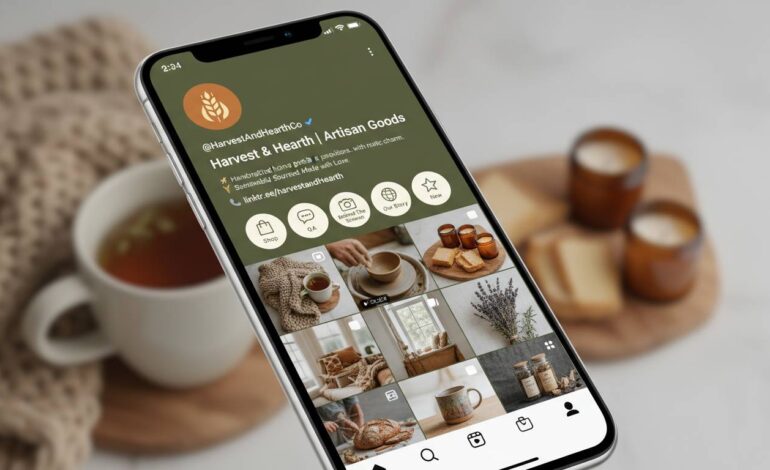
Instagram has evolved from a simple photo-sharing app into a comprehensive business marketing platform with over 2 billion monthly active users. The platform’s visual-first approach makes it particularly effective for businesses in fashion, food, travel, beauty, and home décor—any industry where visual appeal drives purchasing decisions.
The introduction of Instagram Shopping has transformed the platform into a direct sales channel, allowing businesses to tag products in posts and stories, creating a seamless path from discovery to purchase. According to Meta’s internal data, over 130 million people tap on shopping posts monthly, demonstrating significant commercial intent among the user base.
Instagram Reels has emerged as a critical tool for organic reach expansion, with the algorithm actively promoting short-form video content to new audiences. For businesses willing to invest in video content creation, Reels offers unprecedented opportunities for viral exposure without necessarily spending on advertising.
“Instagram works best for businesses that can maintain a consistent visual aesthetic and create compelling visual content,” explains Katelyn Tornetta, Social Media Director at Copyblogger. “The platform rewards creativity and authenticity—users can quickly distinguish between brands that genuinely understand Instagram’s culture versus those simply broadcasting promotional messages.”
LinkedIn: The Premier B2B Marketing Platform
LinkedIn has established itself as the dominant platform for B2B marketing and professional networking, with over 930 million members worldwide. The platform’s professional context creates a unique environment where business-focused content naturally resonates with decision-makers and industry professionals.
For B2B companies, LinkedIn offers exceptional lead generation capabilities. Content marketing on LinkedIn generates three times more conversions than marketing on other social platforms, according to LinkedIn’s own research. The ability to target users by job title, company size, industry, and seniority level enables businesses to reach exactly the decision-makers they want to attract.
LinkedIn’s advertising platform has also matured significantly, offering Sponsored Content, Message Ads, and Dynamic Ads that can deliver personalized experiences to targeted professional audiences. The average cost-per-lead on LinkedIn tends to be higher than other platforms, but the quality of leads often justifies the investment for B2B businesses.
“LinkedIn is the only major platform where professionals go specifically to learn and engage with business content,” states Bobby Darnell, Founder of Social Marketing Solutions. “This intent difference creates a fundamentally different marketing environment—one where educational content and thought leadership can truly differentiate your brand.”
Twitter/X: Real-Time Engagement and Customer Service
Twitter, now operating under the ownership of X Corp, continues to serve as a vital platform for real-time communication and customer service. With approximately 550 million monthly active users, the platform offers unique opportunities for businesses to participate in public conversations, monitor brand mentions, and provide immediate customer support.
The platform’s fast-paced nature makes it ideal for businesses in news, entertainment, sports, and technology sectors where real-time engagement adds value. Twitter’s trending topics and hashtag ecosystem enable businesses to join relevant conversations and increase visibility during moments of high user activity.
Customer service has become one of Twitter’s most valuable business applications. Research from J.D. Power indicates that customers who receive responsive customer service on Twitter show significantly higher satisfaction rates and are more likely to remain loyal to the brand. The public nature of Twitter interactions also demonstrates to other potential customers that the business is responsive and cares about customer experience.
However, businesses considering Twitter should note the platform’s evolving landscape under its current ownership. Changes to verification systems, content moderation policies, and user base fluctuations have created some uncertainty for marketers. Those who proceed should maintain flexible strategies that can adapt to ongoing platform changes.
TikTok: Reaching Younger Audiences Through Video
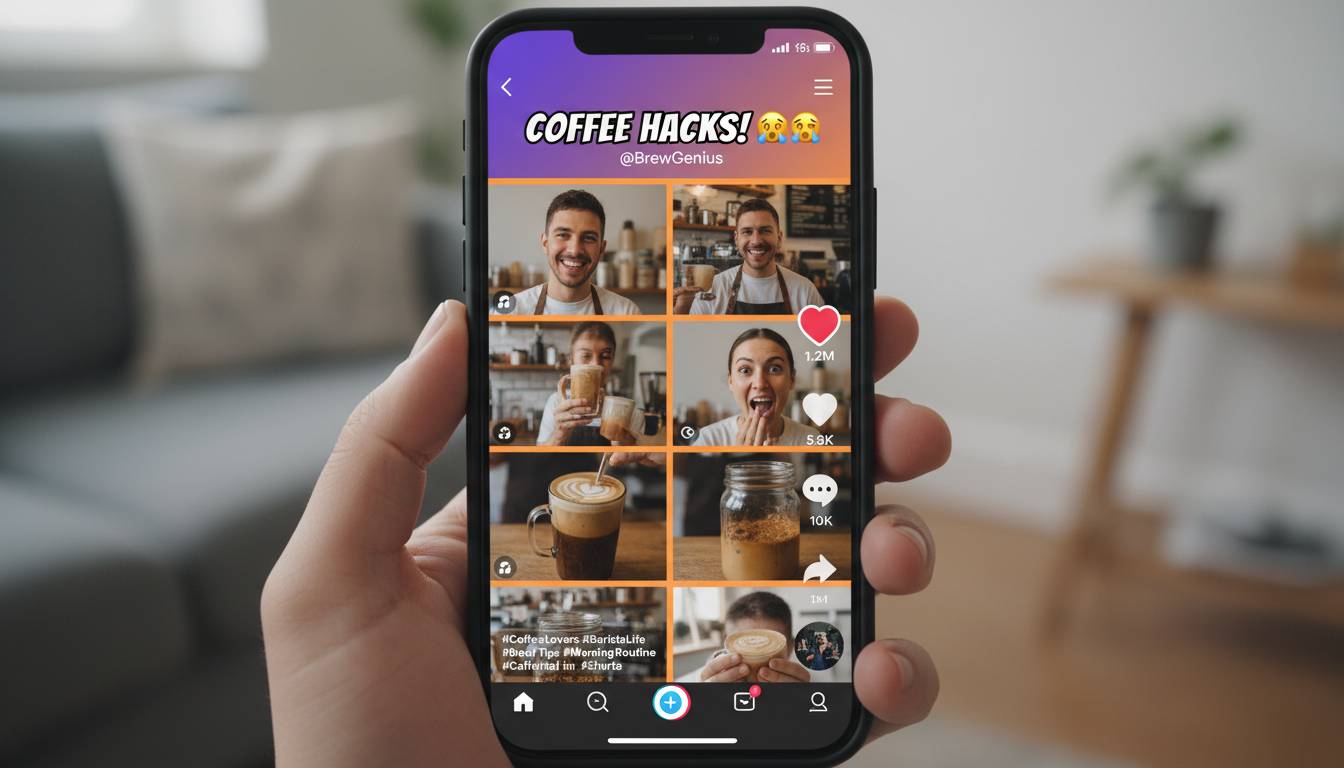
TikTok has revolutionized social media with its short-form video format, becoming the most downloaded app globally with over 1 billion monthly active users. The platform’s algorithmic content discovery system differs fundamentally from other social networks—users don’t need to build follower bases to achieve massive reach; instead, content is distributed based on engagement, making virality accessible to businesses of all sizes.
The user demographics skew younger, with approximately 60% of TikTok’s global audience aged between 18 and 34. For businesses targeting Gen Z and younger Millennial consumers, TikTok offers irreplaceable access to demographics that increasingly ignore traditional advertising channels.
“The algorithm doesn’t care about your follower count—it cares about content quality and engagement,” explains Mia Lardinois, TikTok Marketing Expert at Later. “We’ve seen small businesses achieve millions of views and significant sales through authentic, creative content that resonates with TikTok’s audience.”
Successful TikTok marketing requires understanding the platform’s unique culture, which favors authenticity over polish. Overly produced advertisements typically underperform compared to raw, genuine content that feels native to the platform. Businesses must be willing to show their human side and participate in trends while maintaining brand consistency.
YouTube: The Search Engine Beyond Google
YouTube serves as both a social platform and the world’s second-largest search engine, with over 2 billion logged-in monthly users watching over 1 billion hours of video daily. For businesses, YouTube offers unique advantages as a long-form content platform where educational and entertainment content can build lasting audience relationships.
Video content consistently outperforms other formats across social platforms, and YouTube provides the infrastructure for businesses to build substantial video libraries that continue generating views and leads over time. Unlike ephemeral social content, YouTube videos have extended lifespan and can become evergreen resources that drive consistent organic traffic.
The platform’s advertising options through Google Ads integration provide sophisticated targeting capabilities, while YouTube’s recommendation algorithm can surface content to users actively interested in related topics. For businesses willing to invest in video production, the platform offers substantial long-term returns.
“Many businesses underestimate YouTube’s business potential because they think of it as just a video hosting site,” notes Brian G. Johnson, President of Tai Thompson. “In reality, YouTube is often more valuable than other social platforms because content continues working for you indefinitely, unlike posts that quickly disappear in feeds.”
Choosing the Right Platform for Your Business
Selecting the appropriate social media platforms requires honest assessment of your business type, target audience, available resources, and marketing objectives. Spreading efforts too thin across multiple platforms typically produces poor results compared to dominating one or two platforms with consistent, quality content.
Small businesses with limited resources should consider starting with one platform where their target audience spends time and focus on building a strong presence before expanding. Restaurants and local businesses often find success on Instagram and Facebook, while B2B companies typically see better results on LinkedIn. Tech and lifestyle brands may benefit from TikTok’s younger demographic.
Consider your content creation capabilities realistically. Video-heavy platforms require ongoing content production investments. If your team cannot produce quality video consistently, platforms emphasizing static images or text-based content may yield better results.
Conclusion
The landscape of social media for businesses continues evolving rapidly, with new platforms emerging and established networks constantly updating their features and algorithms. Success requires more than simply creating accounts on every platform—it demands strategic selection, consistent effort, and genuine understanding of how each platform’s unique culture and technical capabilities serve your business objectives.
The platforms examined in this guide each offer distinct advantages: Facebook for comprehensive audience reach and sophisticated advertising, Instagram for visual brands and younger demographics, LinkedIn for B2B lead generation, Twitter for real-time engagement, TikTok for viral growth among Gen Z, and YouTube for long-term video content dominance. Businesses that invest time in understanding these nuances and align their strategies accordingly will be best positioned to capture the substantial benefits that social media marketing provides.
The most successful social media strategies today are those that prioritize genuine value for audiences over promotional messaging, adapt quickly to platform changes, and maintain consistency across chosen channels. By focusing on these principles and selecting platforms that align with your specific business context, your company can build social media presence that translates into measurable business outcomes.
Frequently Asked Questions
Which social media platform is best for small businesses with a limited budget?
Facebook and Instagram offer the best combination of free organic tools and affordable advertising options for small businesses. Both platforms allow free business profile creation, post scheduling, and basic analytics, while their advertising costs remain accessible with minimum budgets starting at just $1 per day. Focus on one or two platforms rather than spreading resources thin across multiple networks.
How often should a business post on social media?
Optimal posting frequency varies by platform. For Facebook, 1-2 posts daily works well. Instagram users typically engage with 3-7 stories daily and 3-5 feed posts weekly. LinkedIn performs best with 2-5 posts per week. Twitter requires more frequent posting, around 3-5 tweets daily for optimal visibility. Quality consistently outweighs quantity—fewer well-crafted posts outperform frequent low-quality content.
How do I measure return on investment from social media marketing?
Track key performance indicators specific to your objectives, including engagement rate, website traffic from social channels, lead generation, and ultimately conversions attributed to social media efforts. Use platform analytics tools and UTM parameters to monitor referral traffic in Google Analytics. Calculate ROI by comparing revenue generated from social efforts against costs of content creation and advertising.
Should my business be on TikTok if I’m not targeting Gen Z?
While TikTok’s primary demographic skews younger, the platform’s algorithm can expose content to broader audiences, and its features increasingly attract older users. If your business can create authentic, creative short-form video content and your target market includes any portion of the 18-34 demographic, TikTok offers valuable reach potential. However, businesses without video production capabilities or targeting primarily older demographics may find better returns on established platforms.
How important is social media customer service for businesses?
Social media customer service has become essential, with consumers increasingly expecting rapid responses on these platforms. Studies show that customers who receive satisfactory responses on social media show 25% to 40% higher lifetime value than those who don’t engage with brands socially. Public responsiveness also influences brand perception among observers who witness interactions.
What’s the difference between organic and paid social media marketing?
Organic social media refers to unpaid content distribution through business profiles, relying on platform algorithms and follower engagement for visibility. Paid social involves advertising dollars to target specific audiences and guarantee reach. Most successful business strategies combine both approaches—using organic content to build community and establish brand voice while using paid amplification to reach new audiences and achieve specific marketing objectives.