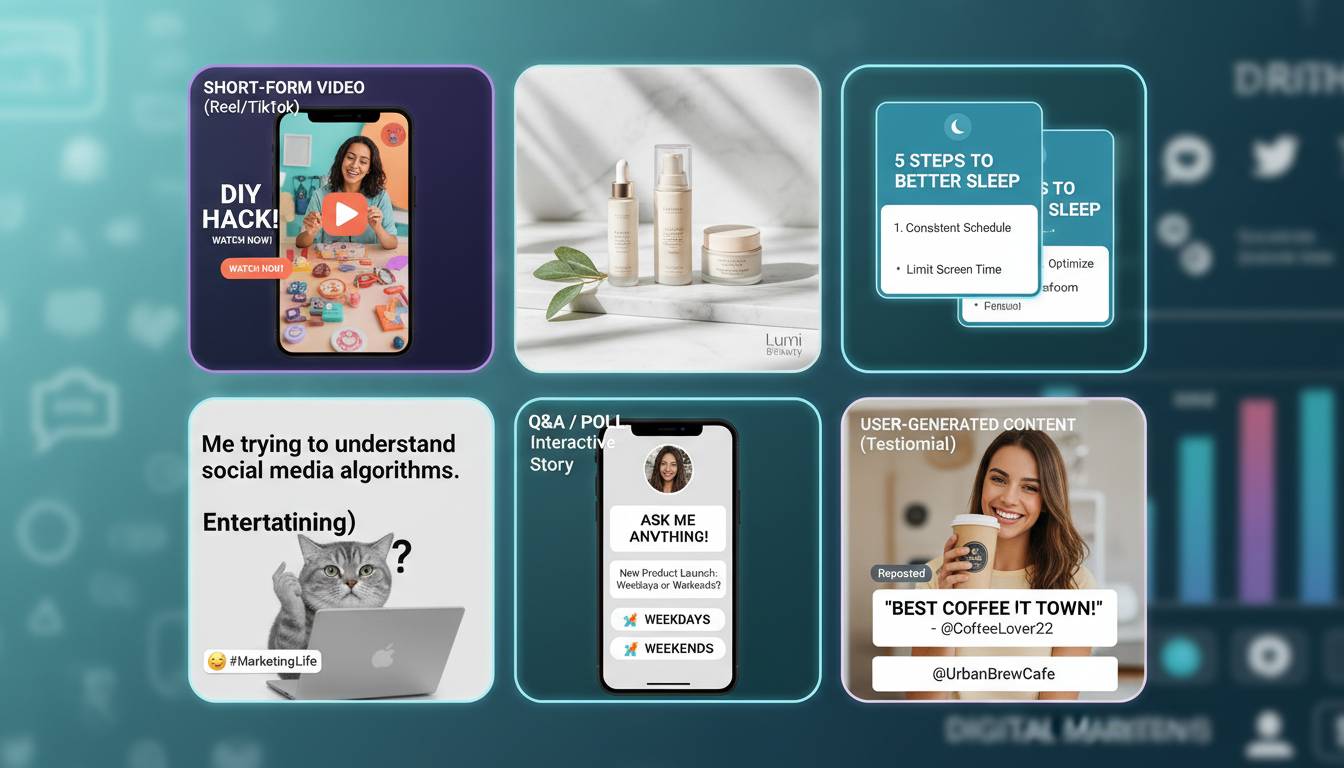
Best Social Media Platforms for Businesses 2024: Expert Picks

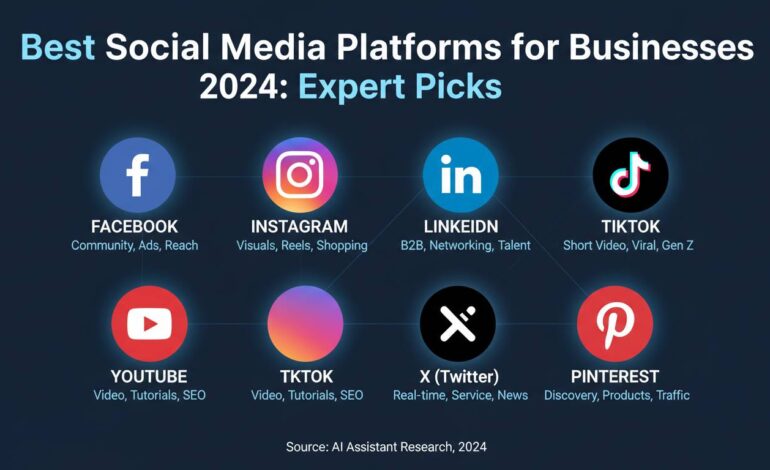
Social media isn’t optional for businesses anymore—it’s where your customers live. With nearly 5 billion users scrolling daily, ignoring these platforms means handing your competitors free real estate. But here’s the thing: not every platform deserves your attention. Facebook might be a goldmine for one business and a waste of time for another. This guide breaks down which platforms actually matter in 2024 and how to pick the right ones for your specific situation.
How We Ranked These Platforms
We evaluated each platform the way a business should: based on results, not hype. User numbers mattered, but so did engagement, ad costs, and whether normal businesses can actually manage the workload without a full team. We looked at who actually uses each platform, how hard it is to get noticed without paying, and what kind of return you can expect from your advertising budget.
Facebook – Best for Broad Audience Reach
Facebook still has the biggest crowd—around 3 billion people check in monthly. For most businesses, it’s the baseline. The ad platform is sophisticated enough to target exactly who you want, using demographics, interests, and even people who’ve already visited your website.
Small businesses can set up a Page, a Shop, and use Messenger for customer service—all free. The Marketplace feature lets you sell directly to people browsing nearby, which works well for local retail.
Here’s the catch: Facebook’s algorithm buries brand content. Your Page posts reach almost no one without paying to boost them. That’s not necessarily bad—it just means you should budget for ads if you want consistent visibility. But the audience is so big and diverse that almost every business should include Facebook in their mix.
Instagram – Best for Visual Brands and E-Commerce
Instagram has grown up. It’s no longer just pretty pictures—it’s a legitimate sales channel with over 2 billion users. If your business looks good in photos or video, this is where you need to be. Fashion, food, fitness, home decor, travel—these industries thrive here because Instagram is inherently visual.
The shopping features work. Users can tag products in posts, Stories, and Reels, and people actually buy through the app. Influencer marketing is huge here too—you can find creators at every follower level to promote your products.
The downside: you need good visual content consistently. Bad photos or generic videos will get scrolled past instantly. If you don’t have someone who can create quality content regularly, Instagram will feel like a grind.
LinkedIn – Best for B2B and Professional Services
LinkedIn is the only social platform that really works for B2B. With over 900 million professionals, it’s where decision-makers scroll when they’re between meetings. The platform rewards original content—if you share genuinely useful insights, your posts can reach thousands without spending a dime.
The ads have gotten better. You can target by job title, company size, industry, and more. Sponsored content and InMail let you reach specific people rather than hoping they’ll find you.
For B2B companies, consultants, agencies, and anyone selling to businesses, LinkedIn often brings the best leads. The trade-off is that consumer tactics don’t work here. People come to LinkedIn to learn and network, not to be sold to. Your content needs to provide value first.
TikTok – Best for Reaching Younger Audiences
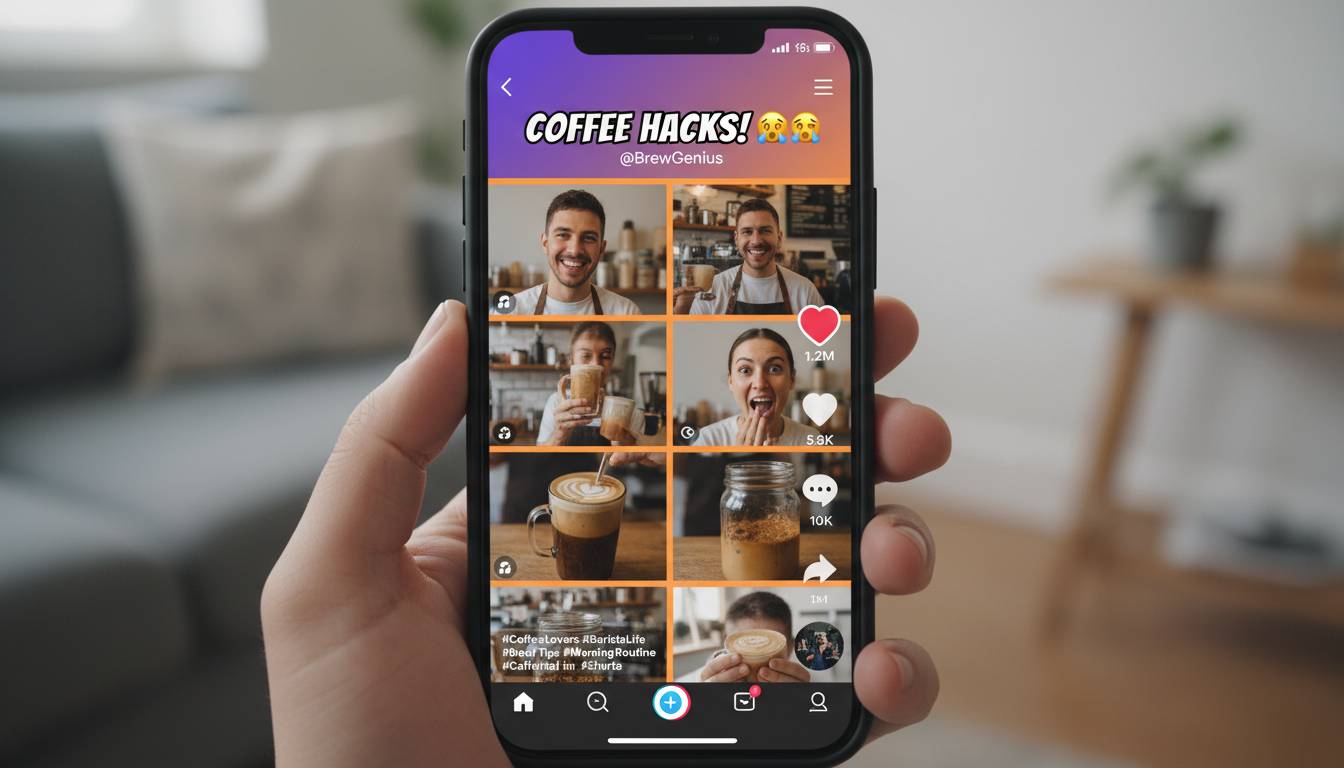
TikTok changed everything. The algorithm shows your videos to strangers based on how engaging they are—not how many followers you have. A small business with a clever video can get millions of views overnight. That’s unheard of on other platforms.
Over 1 billion people use TikTok monthly, and they spend longer there than anywhere else. If your customer is under 30, you need to be here.
The Shop feature exists now, but TikTok works best for building awareness first, then directing people elsewhere to buy. One warning: polished ads don’t work. TikTok rewards authenticity—messy, funny, genuine content beats professional productions every time.
If your audience is older, TikTok probably isn’t worth the effort. Know who you’re trying to reach before you dive in.
YouTube – Best for Long-Form Content and SEO
YouTube is weird—it’s both a social network and the world’s second-biggest search engine. When people Google “how to fix a leaky faucet” or “best laptop for video editing,” YouTube videos often show up first. That search visibility is gold.
Video takes more work than text posts, but it sticks around. A good tutorial or product review can bring traffic for years, not just days.
YouTube ads come in several formats: skippable videos, short bumpers, and discovery ads that appear in search results. You can reach people at every stage—from “I didn’t know this existed” to “I’m ready to buy.”
Long-form content lets you build trust in ways short posts can’t. If you can commit to regular video production, YouTube delivers compounding returns.
X (Twitter) – Best for Real-Time Engagement and Customer Service
X—formerly Twitter—still matters for specific use cases. It’s where news breaks, conversations happen publicly, and brands can show personality (or get called out). About 400 million people use it monthly.
The real value is real-time interaction. If someone tweets a complaint about your business, the whole world can see how you respond. Quick, helpful responses build reputation. Silence or defensiveness makes things worse.
For news, entertainment, sports, tech, and companies with customer service teams, X is worth the effort. For everyone else, it’s probably a supplement rather than a primary platform.
Pinterest – Best for Discovery and Visual Search
Pinterest isn’t really social media in the traditional sense. It’s more like a visual search engine—people come here to find ideas, not to see what their friends are up to. Nearly 480 million users actively look for products and inspiration.
This changes everything. Pinterest users aren’t casually scrolling; they’re planning. Someone pinning wedding ideas, home decor, or recipes is actively researching purchases. That makes them highly receptive to brand content.
The audience skews toward women with higher household incomes. Home, fashion, beauty, food, and wedding businesses see exceptional results. Pins last for months or years—unlike Instagram where posts disappear in hours, your content keeps working.
E-commerce works well here. Pinterest Ads appear in relevant searches, catching people already looking for what you sell.
How to Choose the Right Platform for Your Business
Don’t pick platforms because your competitor uses them or because you saw a blog post saying you should. Pick based on where your actual customers are.
Start with research. Where does your target audience spend time? What do they actually want to see? A B2B software company will get nothing from TikTok but plenty from LinkedIn. A boutique bakery might crush it on Instagram but flop on LinkedIn.
Be honest about what you can produce. Maintaining three platforms with mediocre content is worse than dominating one. Figure out what you can stick with long-term.
Test small before spending big. Run small ad budgets on a few platforms, see what converts, then put more money where it works.
Social Media Trends Shaping Business Strategy in 2024
Video keeps winning. Every platform is pushing it, and audiences expect it now. The trick is making platform-specific content—not just repurposing one video everywhere.
AI tools are changing how businesses create and schedule content. Some of it’s useful; a lot of it produces generic junk that audiences ignore. The businesses that still win are the ones that sound like actual humans.
Shopping features are getting better everywhere. Platforms want to keep users in their apps, so buying is becoming seamless. That’s good for e-commerce but means you need to think about where you want the transaction to happen.
Creator partnerships are getting more serious. One-off sponsored posts are out; long-term ambassador relationships where creators genuinely use and believe in your product are in.
Privacy changes are making third-party tracking harder. Building direct relationships—through email lists, communities, and first-party data—is becoming essential.
Frequently Asked Questions
Which social media platform is best for small businesses in 2024?
Facebook and Instagram cover the most ground for most small businesses. Facebook has the audience and the ad tools; Instagram has the shopping features and visual focus. But honestly? It depends on what you sell. A local restaurant might get more from Facebook Groups than either platform’s main feed. A wedding photographer probably needs Instagram. Figure out where your customers are first.
How do I choose the right social media platform for my business?
Ask three questions: Where are my customers? What can I actually create consistently? What do I want this to accomplish? If you want sales, platforms with shopping features matter. If you want leads, look at LinkedIn or Facebook’s lead gen tools. If you want awareness, pick whatever platform your audience actually uses. Start small, measure, then expand.
Which platform has the highest ROI for business advertising?
It varies by industry. B2B companies usually get better quality leads on LinkedIn, even though it’s more expensive per lead. Consumer brands often find Facebook and Instagram give the best return for the money. TikTok can be incredible for the right audience but requires a different creative approach. The honest answer: test it and see what works for your specific business.
Should my business be on all social media platforms?
Please don’t. Spreading yourself across every platform usually means doing a mediocre job everywhere. Pick one or two where you can genuinely excel. You can always add more later once you’ve proven the strategy works.
How often should businesses post on social media?
Quality beats quantity, but consistency matters. A general guide: Facebook daily, Instagram 3-5 times weekly plus Stories, LinkedIn 3-5 times weekly, TikTok daily or close to it. But adjust based on what your specific audience responds to and what you can maintain without burning out.
Is organic social media still effective for businesses in 2024?
Organic reach is harder than it used to be—algorithms favor paid content and personal connections over business pages. But organic presence still matters for customer service, community building, and supporting your paid ads. Think of organic as the relationship-building layer and paid as the amplification layer. You need both, but they serve different purposes.