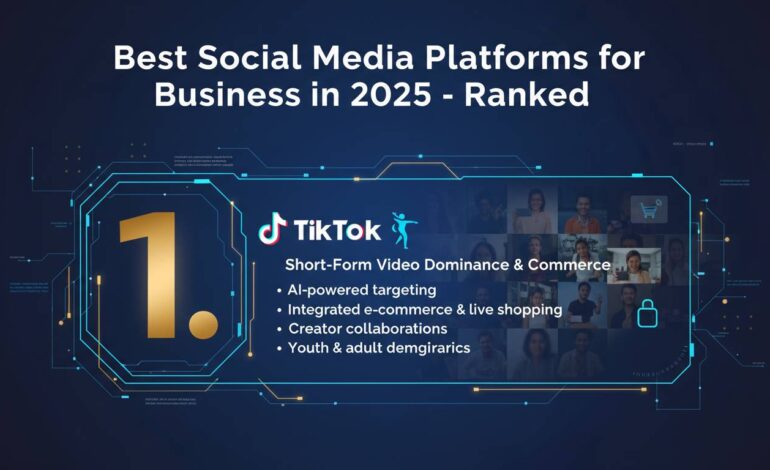
Best Social Media Platforms for Business in 2025 – Ranked

Social media changes fast. In 2025, businesses have more platform choices than ever. With over 302 million social users in the US alone, picking the right ones has become a key strategic decision. This guide looks at which platforms work best for different business goals, audiences, and marketing objectives.
How We Ranked These Platforms
We evaluated platforms using five main criteria: audience size and demographics, business features, advertising ROI potential, engagement rates, and 2025-specific trends. We looked at user counts, monthly active users in the US, demographic breakdowns, engagement metrics, ad costs, and available marketing tools.
Audience relevance matters most. A platform with huge reach means nothing if your customers aren’t there. We checked age distribution, income levels, locations, and user behavior across each platform.
Business tools availability came second—analytics, e-commerce integrations, messaging, and ad options.
ROI potential looks at organic reach difficulty and ad cost efficiency. Some platforms work well for organic engagement if you create quality content; others have shifted mostly to paid distribution. We also included 2025 trend data like algorithm changes, new features, and shifting user preferences.
The Top 5 Social Media Platforms for Business in 2025
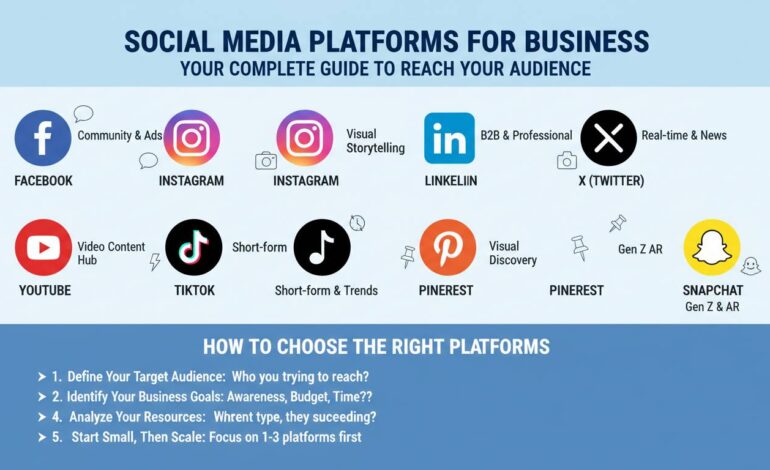
LinkedIn leads for B2B marketing and professional networking. With about 930 million members globally and strong reach among decision-makers and industry professionals, it offers unmatched access to business audiences. The platform has added creator tools, newsletter features, and advertising designed for B2B lead generation.
Instagram dominates in visual storytelling and e-commerce. Its 2 billion monthly active users lean toward younger demographics with high purchasing power, making it ideal for lifestyle, fashion, food, travel, and direct-to-consumer brands. Instagram Shopping and Reels have turned it into a complete sales solution.
TikTok has become the fastest-growing platform for brand awareness and viral reach. Users spend an average of 95 minutes daily on the app, giving businesses huge exposure, especially when targeting Gen Z and younger Millennials. The algorithm rewards creative, authentic content regardless of follower count.
YouTube is the second-largest search engine, essential for businesses wanting long-form content dominance. Tutorial videos, product demos, behind-the-scenes content, and thought leadership perform well. YouTube Shorts has expanded into shorter content competitive with TikTok and Instagram Reels.
Facebook stays relevant despite concerns about younger demographics. With nearly 3 billion monthly active users globally, it offers unmatched scale for local businesses, community building, and paid advertising. Its advertising dashboard and diverse audience make it valuable for broad target markets.
Detailed Platform Breakdown
LinkedIn: The B2B Marketing Powerhouse
LinkedIn has changed from a simple job-seeking platform into the top destination for B2B marketing, thought leadership, and professional networking. The platform’s 2025 algorithm changes increased visibility for original content, helping businesses that share valuable industry insights instead of promotional posts.
The audience skews toward professionals aged 25 to 54, with strong representation among executives, managers, and decision-makers. Technology, finance, healthcare, consulting, and professional services companies find LinkedIn especially effective. The platform says 80% of B2B leads come through LinkedIn, making it essential for businesses selling to other businesses.
LinkedIn’s business features now include Company Pages with better analytics, Newsletter for email-style content distribution, Live for real-time broadcasts, and Lead Gen Forms that reduce friction in conversions. Advertising options range from sponsored content and text ads to InMail campaigns and dynamic ads personalized to each viewer.
Businesses should prioritize LinkedIn if their target customers include professionals making purchasing decisions. Content strategies focusing on industry expertise, case studies, whitepapers, and professional development work well. Company culture content also resonates, helping businesses attract both customers and talent.
Instagram: Visual Excellence and E-Commerce Integration
Instagram has become a full e-commerce platform combining inspiration with direct purchasing. Instagram Shopping, checkout, and shopable posts create a seamless customer journey from discovery to conversion without leaving the app.
The audience centers on users aged 18 to 34, with particularly strong engagement among women and urban populations. Fashion, beauty, food, fitness, home decor, and travel brands find Instagram’s visual-first approach ideal for showcasing products and building brand identity.
Instagram’s content types in 2025 include Feed Posts for polished brand imagery, Stories for authentic behind-the-scenes content, Reels for reach and viral potential, and Guides for curated content collections. The algorithm increasingly favors Reels, making short-form video essential for meaningful organic reach.
Business accounts get access to Insights for audience analytics, engagement metrics, and content performance data. Instagram Ads Manager offers sophisticated targeting including lookalike audiences, interest-based targeting, and retargeting. Shopping features let businesses tag products in posts and stories, driving direct sales.
TikTok: The Viral Discovery Engine
TikTok has changed how businesses approach social media marketing. Its algorithm-driven discovery system can take unknown brands to viral fame within days. Unlike traditional platforms that prioritize follower networks, TikTok’s “For You Page” algorithm surfaces content based on performance rather than account size, giving businesses of all sizes a chance.
About 60% of users are aged 16 to 24, but older demographics are growing fast. Users aged 25 to 44 represent the fastest-growing segment. This expanding reach makes TikTok viable for more business types, especially as users seek entertainment and education together.
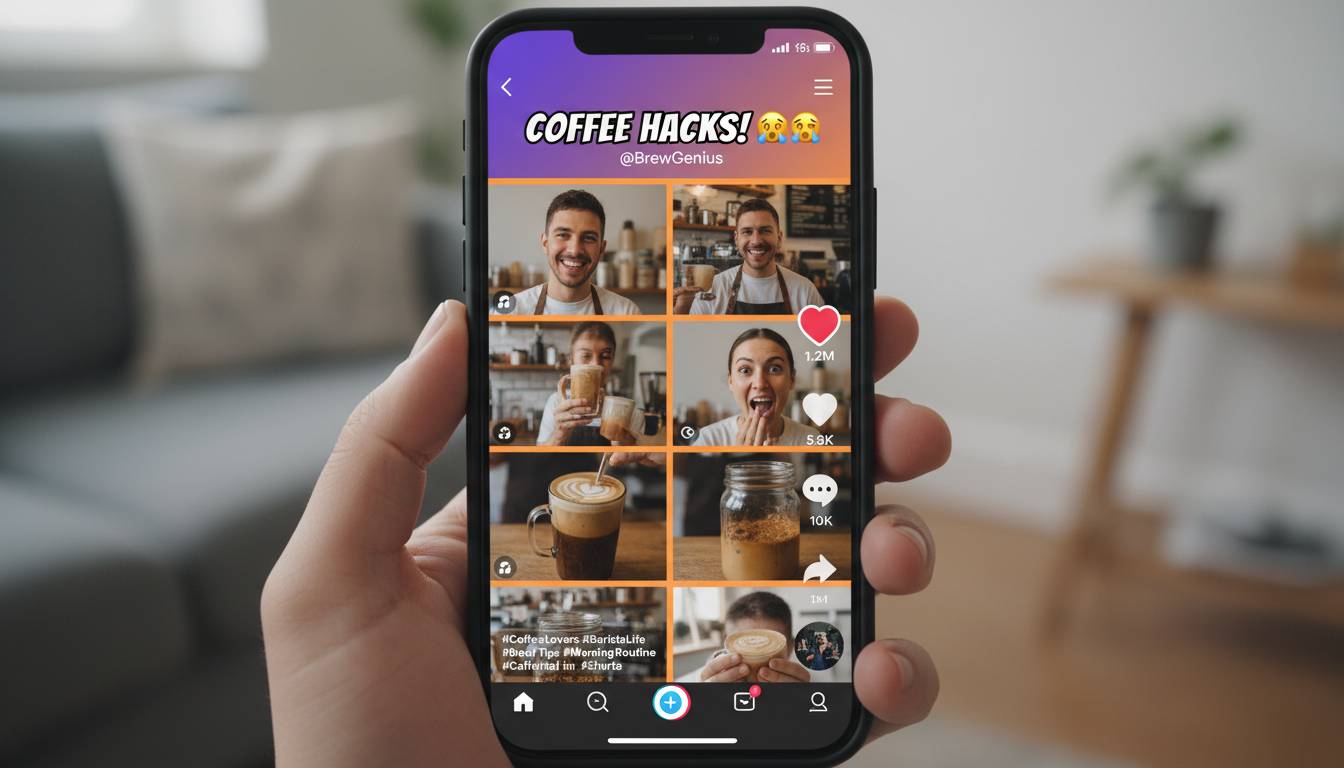
Content on TikTok needs authenticity and entertainment value. Highly produced ads usually underperform compared to genuine, often imperfect content that fits the platform’s culture. Businesses that succeed on TikTok embrace trends, join challenges, and create content that provides value while entertaining viewers.
TikTok’s business tools have grown significantly. TikTok for Business provides analytics, advertising options, and the Creator Marketplace connecting brands with content creators. Promoted posts, in-feed ads, and branded hashtag challenges offer different ad formats. TikTok Shop has also expanded, enabling direct sales within the app.
YouTube: Long-Form Content Authority
YouTube’s position as the internet’s second-largest search engine makes it essential for businesses wanting thought leadership and search traffic. Unlike fleeting social posts, YouTube videos generate views and leads for years after publication, providing compounding returns on content investment.
Audience demographics span all age groups, with strong engagement among users actively seeking educational content, product reviews, and entertainment. Both B2C and B2B audiences use YouTube—how-to tutorials, product demonstrations, and industry analysis perform consistently.
YouTube’s content includes long-form videos for comprehensive coverage, Shorts for short-form engagement, Live for real-time interaction, and Community Posts for text-based engagement. The algorithm rewards watch time, viewer engagement, and consistency, rewarding businesses that post regularly.
YouTube advertising offers multiple formats: skippable in-stream ads, non-skippable bumper ads, overlay ads, and sponsored cards. Ads Manager provides detailed targeting based on interests, demographics, and viewing behaviors. For businesses willing to invest in quality video production, YouTube serves as both a marketing platform and a passive lead generation asset.
Facebook: Scale and Sophistication
Despite talk of younger users leaving, Facebook remains the world’s largest social network with nearly 3 billion monthly active users. For businesses wanting scale, especially in local markets or older demographics, Facebook still delivers real value.
The audience spans all age groups, with strong representation among users 35 and older. Local businesses, service providers, and brands targeting families find Facebook’s broad reach useful. Community groups, events, and Marketplace create additional business opportunities beyond traditional page marketing.
Facebook’s advertising tools remain the most sophisticated in social media marketing. Detailed targeting, extensive audience insights, and diverse campaign objectives enable precise strategies. The platform offers solutions for awareness, consideration, and conversion goals, supporting businesses at every funnel stage.
Facebook Pages provide essential business features: post scheduling, messaging management, analytics, and call-to-action buttons. Facebook Shops integrates e-commerce, letting businesses showcase products and process transactions directly. Marketplace offers free or paid listing options for local businesses.
How to Choose the Right Platform for Your Business
Picking the right platforms requires honest assessment of your business, audience, and resources. A methodical approach prevents spreading efforts too thin across platforms where your audience doesn’t engage.
Start by finding where your ideal customers spend time. A B2B software company targeting IT directors should prioritize LinkedIn, while a boutique bakery targeting young urban professionals might focus on Instagram. Check demographic data for each platform and match it against your customer profiles. Survey existing customers about their preferred platforms.
Consider your content production capabilities honestly. Video-heavy platforms like TikTok and YouTube need significant creative resources, while LinkedIn and Facebook let static content perform well. Assess whether your team can produce platform-specific content at the frequency needed for meaningful engagement, or whether focusing on fewer platforms makes more sense.
Budget considerations go beyond advertising spend to include organic content creation costs. Some platforms need substantial video production investment; others accommodate repurposed content. Evaluate whether paid advertising will be necessary or whether organic reach potential justifies platform selection.
Industry alignment matters significantly. Professional services, B2B companies, and recruitment organizations will find LinkedIn most effective. E-commerce brands benefit from Instagram and TikTok’s shopping features. Local businesses often see results through Facebook’s community focus and Marketplace. Matching platform strengths to your business model maximizes efficiency and return on investment.
Social Media Trends to Watch in 2025
Several key trends are shaping business marketing strategies this year. Artificial intelligence integration has accelerated across platforms, with algorithmic recommendations becoming more sophisticated. Businesses must adapt to AI-driven discovery systems that surface content based on relevance rather than follower relationships.
Short-form video remains dominant, but long-form content is making a comeback as platforms recognize that extended engagement produces better advertising outcomes. YouTube and TikTok have both expanded their long-form offerings, creating opportunities for businesses seeking deeper audience relationships.
Social commerce continues maturing, with in-app purchasing becoming smoother across platforms. Instagram Shop, TikTok Shop, and Facebook Marketplace have reduced friction in the customer journey, making social platforms increasingly viable as direct sales channels rather than just awareness drivers.
Authenticity signals grow more important as audiences become skeptical of polished corporate content. Behind-the-scenes content, employee spotlights, and real customer interactions tend to outperform traditional promotional materials. Businesses that embrace transparency and genuine engagement connect more effectively with modern consumers.
Privacy changes continue impacting advertising targeting across platforms. First-party data strategies and permission-based marketing have become essential as third-party tracking faces restrictions. Building direct audience relationships through email lists, community groups, and owned platforms provides marketing resilience against ongoing privacy changes.
Conclusion
The best social media platforms for 2025 reflect a diverse landscape where no single platform serves all business needs equally. LinkedIn dominates B2B marketing with its concentration of decision-makers and professional content tools. Instagram excels for visual brands wanting e-commerce integration and younger demographic engagement. TikTok offers unmatched viral potential and growing advertising sophistication. YouTube provides long-term content compounding and search visibility that few platforms match. Facebook continues delivering scale and advertising sophistication for businesses targeting broader audiences.
Successful social media marketing in 2025 requires strategic platform selection based on genuine audience alignment rather than general popularity. Businesses that honestly assess their customer demographics, content production capabilities, and marketing objectives can allocate resources efficiently across the platforms most likely to deliver results. The social media landscape will keep evolving, but the fundamental principle stays constant: choose platforms where your audience engages and deliver value consistently.
Frequently Asked Questions
Which social media platform is best for small businesses in 2025?
Facebook and Instagram typically offer the best starting points for small businesses due to their broad reach, relatively low content production requirements, and sophisticated advertising tools that work with modest budgets. Local businesses benefit particularly from Facebook’s community features and Marketplace, while product-based small businesses often find Instagram’s shopping features valuable.
How do I choose the right social media platforms for my business?
Start by identifying where your target customers spend their time through demographic research and customer surveys. Match platform strengths to your business type—B2B companies should prioritize LinkedIn, visual brands should focus on Instagram and TikTok, and local businesses should leverage Facebook. Consider your content production capabilities honestly and focus resources on one or two platforms rather than spreading thin.
What social media platforms should I use for B2B marketing?
LinkedIn remains essential for B2B marketing, offering access to decision-makers and lead generation tools. YouTube works well as a complement for thought leadership through educational content. Twitter (X) maintains relevance for B2B companies in technology and media industries seeking real-time industry conversation.
How much time should small businesses spend on social media?
Aim for consistent presence rather than maximum time investment. Posting three to five times weekly on primary platforms typically maintains visibility without overwhelming resources. Use scheduling tools and repurpose content across platforms. Quality content that genuinely engages audiences outperforms frequent low-quality posts.
Which social media platform has the highest ROI for business?
ROI varies significantly by industry, audience, and business model. E-commerce businesses often see strong returns from Instagram and TikTok due to direct shopping integration. B2B companies typically achieve highest ROI from LinkedIn’s lead generation capabilities. YouTube provides exceptional long-term ROI through evergreen content that generates views for years after publication.