Best Social Media Platforms for Business 2024 – Boost Your ROI

Choosing the right social media platform for your business can feel overwhelming. Platforms change constantly—algorithms shift, new features appear, and user behavior evolves. Companies need to stay current on which platforms actually deliver results in 2024. This guide looks at the major social media platforms for business, breaking down their strengths, who uses them, how their advertising works, and what value they offer businesses of different sizes. Whether you’re running a small startup or handling marketing at a large company, understanding what each platform offers helps your brand succeed online.
Facebook for Business
Facebook remains the largest social media platform worldwide with roughly 3 billion monthly active users. For businesses that want wide reach and strong advertising tools, Facebook still leads in 2024. Meta’s advertising system lets marketers target users based on age, location, interests, behavior, and custom audiences built from website visitors or customer lists.
Facebook Business Suite offers integrated tools for scheduling posts, tracking performance, and managing messages across Facebook and Instagram. Small businesses can use a free Business Page, while larger companies use automated rules, lead generation forms, and dynamic product ads. Facebook Groups have become useful for building communities, letting brands connect directly with customers and establish authority in specific niches.
Advertising costs on Facebook vary by industry and how specific your targeting is, with average cost-per-click between $0.70 and $1.50 for most sectors. Facebook’s algorithm now prioritizes meaningful interactions, favoring content that gets comments, shares, and saves over purely promotional posts. Businesses that focus on genuine engagement consistently perform better than those relying only on paid ads.
Instagram for Business
Instagram has become the go-to platform for visual brand storytelling, with over 2 billion monthly active users. Millennials and Gen Z use it most. The platform has grown from a simple photo app into a full e-commerce and advertising tool, making it essential for businesses in fashion, food, travel, home decor, and lifestyle sectors. Instagram Shops integrate directly into the browsing experience, letting users buy without leaving the app.
Reels changed Instagram into a short-form video competitor alongside TikTok. Business accounts get access to insights showing reach, follower demographics, and how content performs. Instagram’s shopping features keep expanding—product tagging works on posts, Reels, and Stories, creating multiple ways to turn interest into sales.
Sponsored content on Instagram costs more per engagement than Facebook, typically $1.20 to $3.50 per engagement, but reaches a younger audience with better visual quality. Brands do well on Instagram by keeping a consistent look, using content their customers create, and jumping on trending formats. The algorithm favors content that gets saved and shared, so educational and inspiring posts drive real business growth.
LinkedIn for Business
LinkedIn has become the top platform for B2B marketing and professional networking, with over 900 million members in 200 countries. The platform matters for businesses beyond hiring—it works for thought leadership, generating leads, and building brand authority. LinkedIn’s algorithm rewards long-form content and genuine engagement, making it ideal for companies wanting to show expertise in complex industries.
Organic reach on LinkedIn stays much higher than other platforms for business content—company pages typically see 2-4% engagement, compared to under 1% on Facebook and Instagram. LinkedIn’s ad tools let you target by job title, company size, industry, and seniority level, so ad spending goes further for B2B goals. LinkedIn’s Lead Gen Forms capture quality leads by pre-filling user information, making it easier to convert interest.
Thought leadership content does especially well on LinkedIn—executives and industry professionals share insights that get real engagement. Companies that encourage employees to share content expand their reach significantly, since personal profiles often perform better than company pages in the algorithm. LinkedIn Live and audio events create more engagement opportunities, connecting businesses directly with interested audiences through live conversations.
TikTok for Business
TikTok has grown from an entertainment app for young people into a mainstream marketing tool, with over 1.5 billion monthly active users across all age groups in 2024. The platform’s algorithm-driven content distribution gives new accounts real chances at organic reach. TikTok can show compelling content to huge audiences regardless of how long the account has existed, which levels the playing field for smaller businesses.
Users spend over 95 minutes daily on TikTok on average—more than any other social platform in engagement time. This makes TikTok extremely valuable for brand awareness campaigns, product launches, and reaching demographics that are harder to engage on traditional social channels. TikTok Shop now lets users buy directly within the app.
Advertising on TikTok requires understanding its creative style—authenticity, humor, and joining trends work better than polished production. Brands that adjust their messaging to fit TikTok’s casual, entertaining tone consistently beat those just reposting content from other platforms. The TikTok Creator Marketplace connects businesses with influencers for real partnerships, while the platform’s self-serve ad tools offer various formats including In-Feed ads, TopView, and Branded Hashtag Challenges.
Twitter/X for Business
Twitter, now called X, stays important for real-time conversations, news, and customer service. With roughly 550 million monthly active users, the platform still shapes public discussion and media coverage. Businesses use X for customer support, crisis communication, monitoring industry news, and directly engaging with customers and influencers.
The rebranding to X has brought both challenges and opportunities for businesses. Some brands reduced spending on X due to concerns about content moderation, while others see a chance to get more attention with less competition. X’s verification system, though controversial, gives businesses better visibility and credibility.
Real-time marketing works well on X—brands join trending conversations and respond quickly to industry news. Good customer service on X can generate positive attention, since public responses to complaints and questions reach many people. Twitter/X Ads offer strong targeting and reasonable cost-per-engagement, though the platform’s changing situation means you should carefully track your return on investment.
YouTube for Business
YouTube works as both a social platform and the world’s second-largest search engine, with over 2 billion logged-in monthly users watching over 1 billion hours of video daily. For businesses, YouTube offers discovery through search and direct audience engagement through channel subscriptions. Content stays useful for years—evergreen videos keep generating views and leads long after posting.
YouTube Shorts is YouTube’s response to TikTok and Instagram Reels, capturing short-form video attention while long-form content serves educational, demonstration, and documentary purposes. Businesses across industries use YouTube for product tutorials, customer testimonials, behind-the-scenes content, and explainer videos that drive organic search traffic.
YouTube advertising offers different formats including skippable TrueView ads, non-skippable bumper ads, and shopping ads connected to product feeds. YouTube’s ad costs run higher—average cost-per-view is $0.03-$0.30—but deliver precise targeting and engaged viewers. Brands that consistently create YouTube content build valuable libraries that keep delivering results over time.
How to Choose the Right Platform for Your Business
Picking the best social media platform means honestly assessing your target audience, business goals, what content you can produce, and what resources you have. Start by figuring out where your ideal customers spend their time and what kind of content they want. B2B companies usually benefit most from LinkedIn, while consumer brands targeting younger people should focus on TikTok and Instagram.
Be realistic about your content production capabilities. Video-heavy platforms need significant creative resources, while text-based LinkedIn content requires industry expertise and developing thought leadership. Starting with one or two platforms and doing them well works better than spreading thin across every network. Make sure to reserve time for managing your community and responding to people—social media success needs ongoing engagement, not just posting.
Budget matters beyond just advertising spend—it also includes content creation costs, management tools, and staff time. Every platform offers free organic posting, but meaningful business results usually need ad spending or a big commitment to organic growth. Track results consistently using platform analytics and attribution modeling to improve your platform choices over time.
Conclusion
The best social media platforms for business in 2024 offer different strengths depending on your industry, audience, and goals. Facebook gives unmatched scale and advanced advertising tools for broad consumer reach. Instagram works best for visual brands targeting younger audiences through images and short-form video. LinkedIn stays essential for B2B organizations wanting thought leadership and quality leads. TikTok offers explosive growth potential for brands that can create authentic, entertaining content. Twitter/X serves real-time engagement and customer service needs, while YouTube dominates video search and long-form content.
Successful social media marketing means choosing platforms strategically based on evidence, not trends or personal preference. Businesses that analyze their audience data, test different platforms carefully, and invest more in channels that show measurable results consistently beat those using scattered approaches across many platforms. The social media landscape will keep changing, but the basics—understanding your audience, creating valuable content, and tracking meaningful metrics—stay the same.
Frequently Asked Questions
Which social media platform has the highest ROI for small businesses in 2024?
LinkedIn and Instagram usually give small businesses the best ROI, depending on the industry. LinkedIn delivers better lead quality for B2B companies with less competition, while Instagram offers strong e-commerce features for consumer businesses. Facebook still works well for local businesses wanting broad community reach.
How many social media platforms should a business manage simultaneously?
Most businesses should start with one or two platforms and expand only after seeing consistent results. Trying to maintain presence everywhere spreads resources thin and reduces content quality. Quality engagement on fewer platforms beats superficial presence across all of them.
Is TikTok worth investing in for traditional or older businesses?
TikTok’s audience has grown well beyond its original younger users. While the platform leans younger, businesses targeting adults 35+ can succeed by creating authentic content that fits the platform. The algorithm gives equal chance for discovery regardless of account age.
What budget should businesses allocate for social media advertising in 2024?
Social media ad budgets vary widely by business size and goals. Small businesses often start with $500-$2,000 monthly, mid-size companies typically spend $2,000-$10,000 monthly, and enterprise budgets exceed $50,000 monthly. The key is starting with clear objectives and increasing spending based on documented returns.
How important is video content for social media success in 2024?
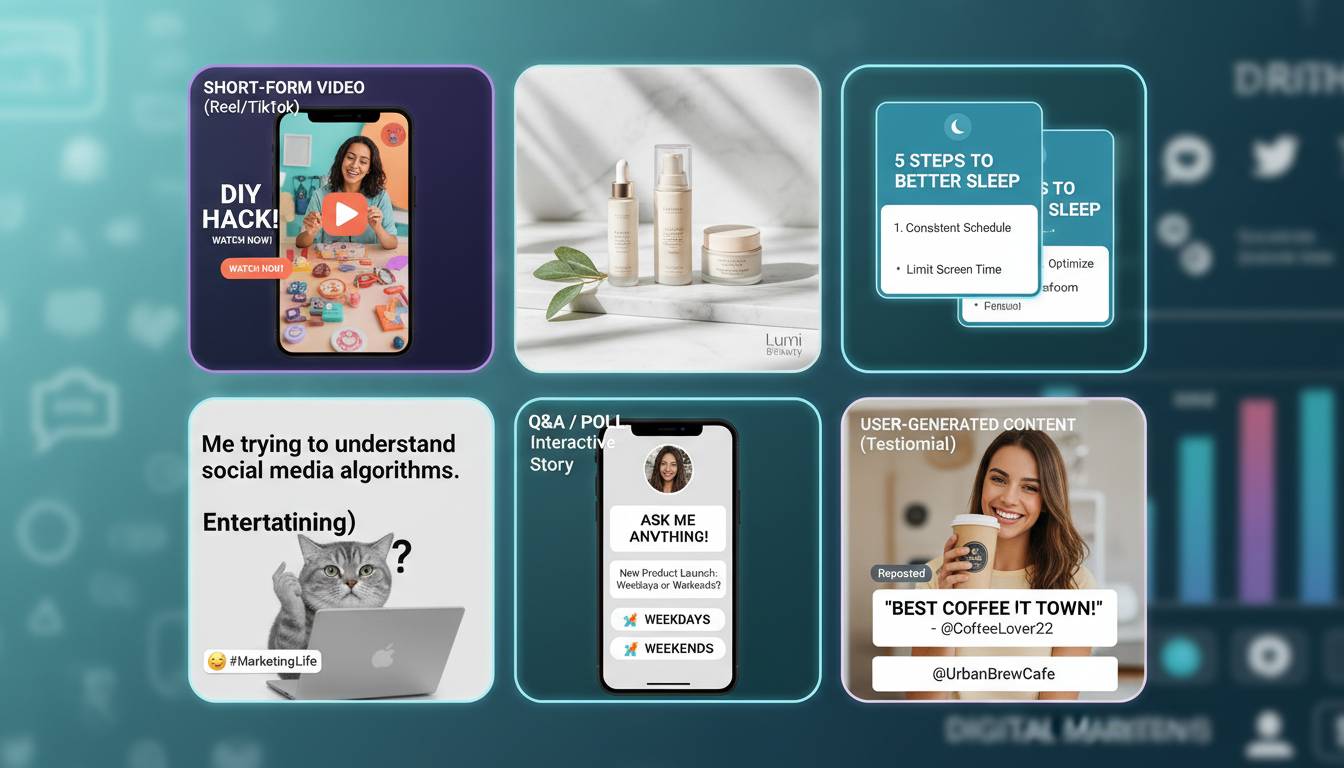
Video has become essential across all major platforms, with short-form video (Reels, TikTok, Shorts) showing the highest engagement. However, written content still matters on LinkedIn, and static images still work on Facebook and Instagram. Businesses should build video capabilities while keeping a presence across formats.
How do algorithms affect business visibility on social platforms?
Each platform’s algorithm prioritizes content that gets meaningful engagement—comments, shares, saves, and watch time. Algorithms increasingly favor original content that sparks conversation over promotional posts. Understanding each platform’s ranking signals helps businesses optimize content strategy for better organic reach.