Best Social Media Platforms 2025: Which One Is Right for You?

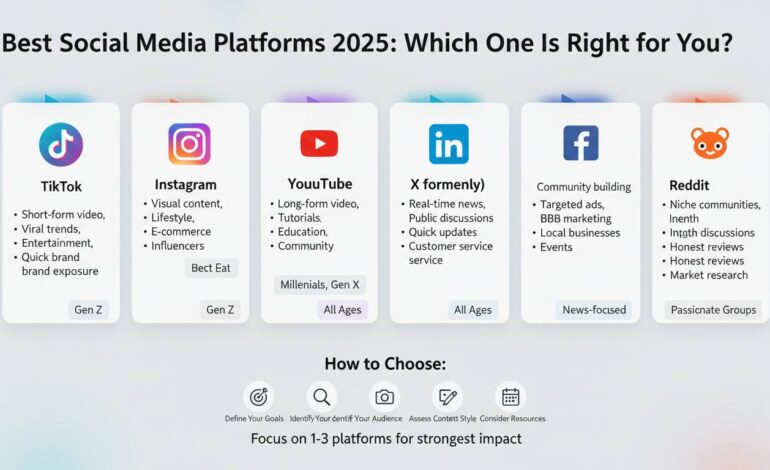
The social media landscape in 2025 is a battlefield for your attention. Platforms are fighting harder than ever to keep you scrolling, while privacy laws tighten, new technologies emerge, and demographics shift in ways that would have been hard to predict five years ago. Picking the right platform isn’t just a tactical decision anymore—it’s a strategic one that directly affects whether anyone actually sees what you’re putting out there.
Understanding the Social Media Landscape in 2025
The ecosystem has changed dramatically. AI tools now shape how content gets created and recommended. User behavior has swung toward short-form video and community-focused formats. And regulators are breathing down everyone’s necks about data collection.
The big players aren’t going anywhere, but they’re not sleeping either. Each one has rolled out new features trying to capture the momentum that TikTok ignited. Meanwhile, users are spreading their time across more platforms than ever—around seven on average for Americans, though nobody spends equal time on all of them. That fragmentation is the real story here. The days of posting the same content everywhere and hoping for the best are over. If you want results, you need to think platform-by-platform.
The Top Social Media Platforms for 2025
Meta’s Dominant Position: Facebook and Instagram
Meta still dominates through Facebook and Instagram, though the two serve very different purposes now.
Facebook is still the biggest platform globally, especially for adults 30 and up. It’s not the hipster choice, but it’s the practical one—especially for local businesses and anyone targeting that mid-career demographic. The platform has shifted focus toward Groups and Marketplace, and Facebook Reels is finally getting some traction. The advertising tools remain the industry’s gold standard for targeting precision.
Instagram, though, is where the energy is. It’s evolved far beyond photo sharing into a discovery engine with shopping integrations, Notes, and Reels driving most of the engagement. If your audience skews 18-34 and visual content is your thing, this is where you need to be. The algorithm strongly favors short-form video that grabs attention fast—static images are getting buried.
TikTok: The Short-Form Video Revolution
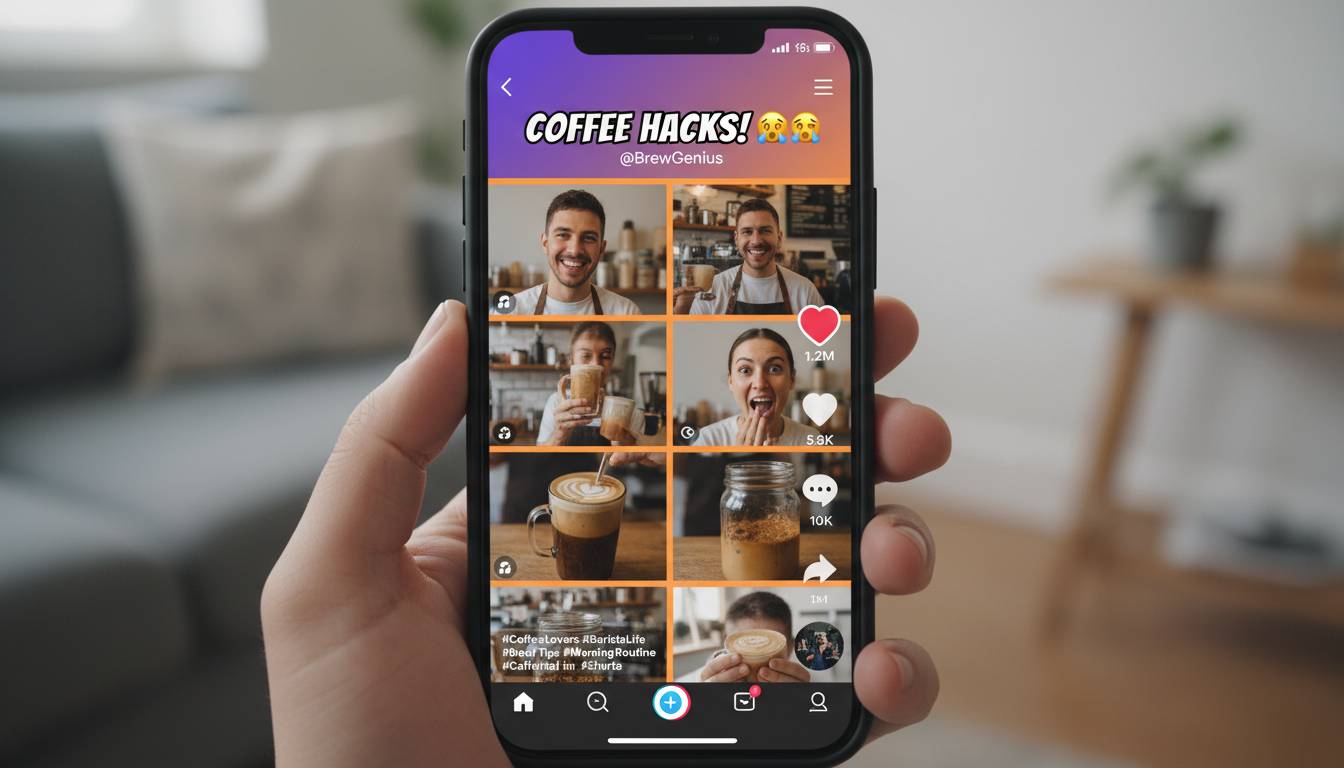
Love it or hate it, TikTok forced the entire industry to restructure around short-form video. No other platform comes close to its algorithm for discovery. You can post your first video tomorrow with zero followers and still hit thousands of views if the content lands. That’s not possible anywhere else in 2025.
The user base has aged up significantly—plenty of people over 35 are now regular users. But Gen Z still calls the shots, treating TikTok as their primary search engine and entertainment source. For brands, the opportunity is authenticity. Overproduced content gets ignored. The messy, genuine stuff works.
YouTube: Long-Form Content’s Lasting Relevance
YouTube is the second-largest search engine in the world, period. People go there to learn, to research products, to be entertained for twenty minutes at a time. YouTube Shorts has grown into a legitimate short-form option, creating a bridge between the quick hits and the deep dives.
The payoff for creators is real if you’re willing to invest in production quality. Ad revenue, channel memberships, Super Chats—there’s real money here. And unlike most social platforms, content on YouTube has serious longevity. A good video can pull in views for years, not just days.
X (formerly Twitter): Real-Time Conversation and News
X has been through it. Ownership changes, advertiser departures, feature rollbacks—it’s been a turbulent few years. But here’s the thing: it still dominates for real-time public conversation. Breaking news, industry discussions, political discourse—it all happens here first. No替代品 has successfully replicated this.
The subscription model has created a weird two-tier system that changes how conversations flow. But if you need to be where journalists, policymakers, and tech professionals are actually talking, X is still the place. The character limit expanded, and features like Articles give you more room to work with.
LinkedIn: The Professional Networking Standard
LinkedIn stopped being just a digital resume years ago. The addition of Live, newsletters, and creator tools turned it into a content platform in its own right. For B2B marketing, nothing else comes close to its targeting and lead generation capabilities.
The thought leadership angle is where it’s gotten interesting. People are building personal brands here, sharing insights, growing audiences without needing a traditional media footprint. If you’re in a professional space and not paying attention to LinkedIn, you’re missing something.
Emerging and Niche Platforms Worth Considering
The big players dominate overall usage, but don’t sleep on the specialists. Pinterest still drives serious intent in fashion, home, food, and weddings—people go there to buy, not just browse. Snapchat keeps younger users engaged with AR features and private communication. Reddit has grown into a force for community-based discussions, though each subreddit has its own culture and you’ll need to learn the rules.
Choosing the Right Platform for Your Goals
Be honest about what you’re actually trying to accomplish. B2B? LinkedIn. Consumer brands? Instagram or TikTok. Local business? Facebook’s local features and Marketplace actually work.
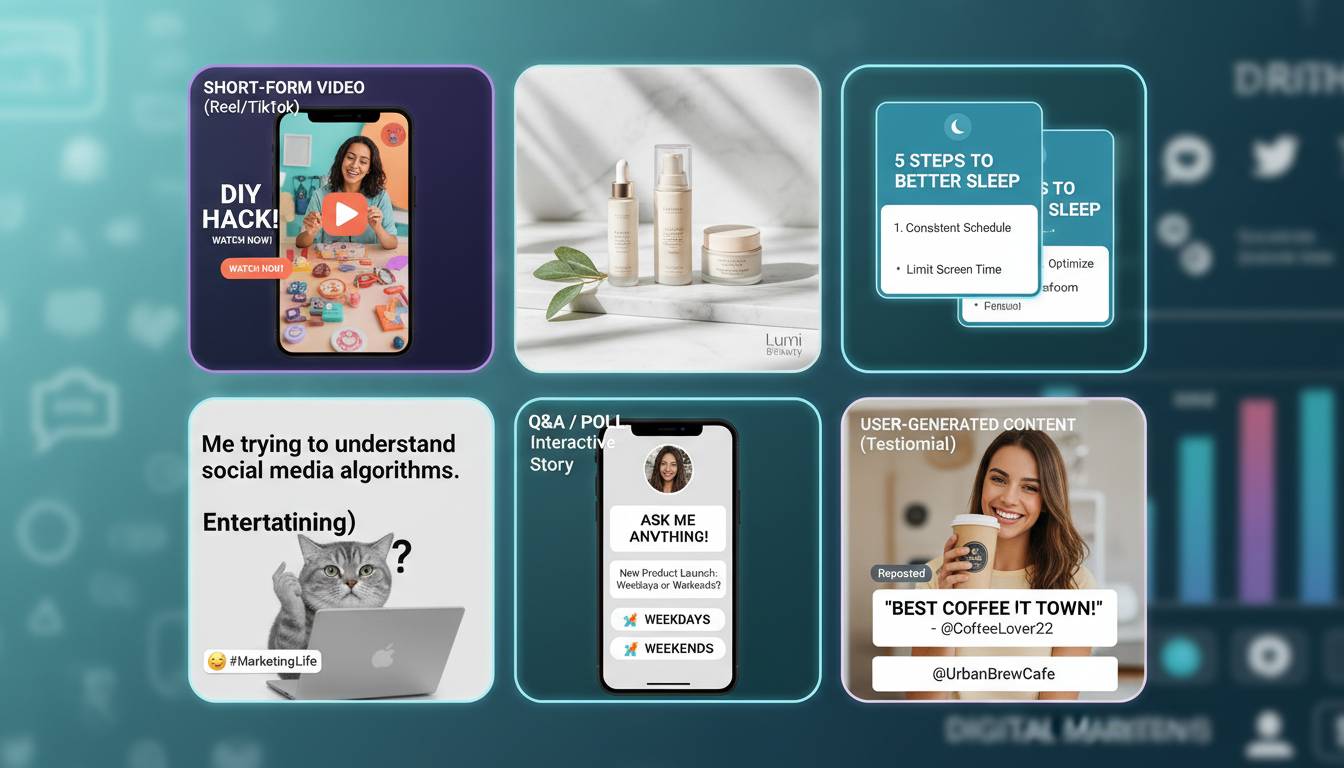
Your content type matters too. Video-heavy strategies belong on YouTube and TikTok. Strong writing? LinkedIn and X. Visual aesthetics? Instagram.
The biggest mistake most people make is trying to be everywhere at once. Pick one or two platforms and go deep. Thin presence across six platforms gets you nowhere.
Social Media Statistics and Trends for 2025
Video is still eating everything—short-form specifically is where the engagement lives. AI tools are now built into everything from editing software to recommendation engines. Privacy regulations keep tightening, which affects how well you can target ads.
More people are making real money as creators. Subscriptions, tips, shopping, brand deals—the monetization paths have multiplied. And users are increasingly seeking deeper connections through communities and groups, moving past passive scrolling toward more intentional engagement.
Conclusion
The right platform depends on your specific situation—your goals, who you’re trying to reach, and what kind of content you can actually sustain. Don’t chase every new feature or trend. Pick one or two platforms, understand them deeply, and create content that actually provides value. That’s what works.
Most of the strategies that try to cover every platform end up failing everywhere. Figure out where your people actually spend time and meet them there.
Frequently Asked Questions
Which social media platform has the most users in 2025?
Facebook and YouTube both have over 2 billion monthly users each. But “most users” doesn’t mean “best for you”—younger audiences have moved on to TikTok and Instagram.
What is the best social media platform for small businesses?
Facebook and Instagram cover most small businesses due to advertising tools and local features. B2B? LinkedIn. Younger demo? TikTok.
Which platform has the highest engagement rates?
TikTok and Instagram lead for engagement, especially short-form video. But engagement varies wildly by industry and content type.
Is TikTok still worth using for business in 2025?
Absolutely, if you’re targeting younger audiences. The algorithm still provides organic reach that Facebook and Instagram have effectively killed off.
How many social media platforms should I use?
Two or three maximum. Deep presence beats shallow presence everywhere.
What social media trends should I watch in 2025?
AI keeps getting more integrated. Creator monetization keeps expanding. Communities and groups are getting more emphasis. And the big platforms will keep copying each other’s features as they compete for your finite attention.