Best Social Media Apps 2025: Must-Have Platforms


The social media landscape in 2025 is a battlefield for your attention, with platforms throwing everything they’ve got at you—innovative features, creator payout programs, shopping integrations, and increasingly sophisticated algorithms deciding what you see next. If you’re trying to figure out which apps are actually worth your time, this guide breaks down who’s winning, who might surprise you, and what each platform actually offers.
Quick Overview: Top Social Media Apps in 2025
A few things define the current state of play. Meta still dominates through Facebook, Instagram, and Threads combined—there’s no escaping that. TikTok continues to own short-form video, and it’s not close. Newer players like Bluesky have pulled in millions of users who are tired of the big platforms, though whether they stick around is another question.
Here’s what matters: roughly 5 billion people use social media globally, and most of us bounce between several apps daily. That competition for your eyeballs has pushed platforms to pack in AI recommendations, better privacy settings, and increasingly generous creator programs. The lines between scrolling, shopping, and creating have blurred to nearly nothing.
Instagram: Best for Visual Content and Creators
Instagram remains the go-to for visual storytelling, and it’s not hard to see why. You’ve got Reels for the short stuff, Stories for the ephemeral posts, and your main feed for the polished content—all in one app. Two billion people check it monthly, with the 18-34 crowd keeping engagement numbers healthy.
What sets Instagram apart for creators is the money. The Partner Program lets influencers monetize through brand deals, live badges, and affiliate links, while shopping integration means you can tag products directly in posts and actually make sales without sending people elsewhere. The AI editing tools that rolled out recently have also lowered the bar—now you can make stuff that looks professional without knowing what you’re doing.
The algorithm deserves credit too. It got a lot smarter at showing you content from accounts you don’t follow but probably would like. That’s been a lifeline for creators trying to grow without paying for reach. But it’s not all glowing—mental health concerns persist, and the pressure to post constantly while chasing engagement metrics wears on people.
TikTok: Dominating Short-Form Video
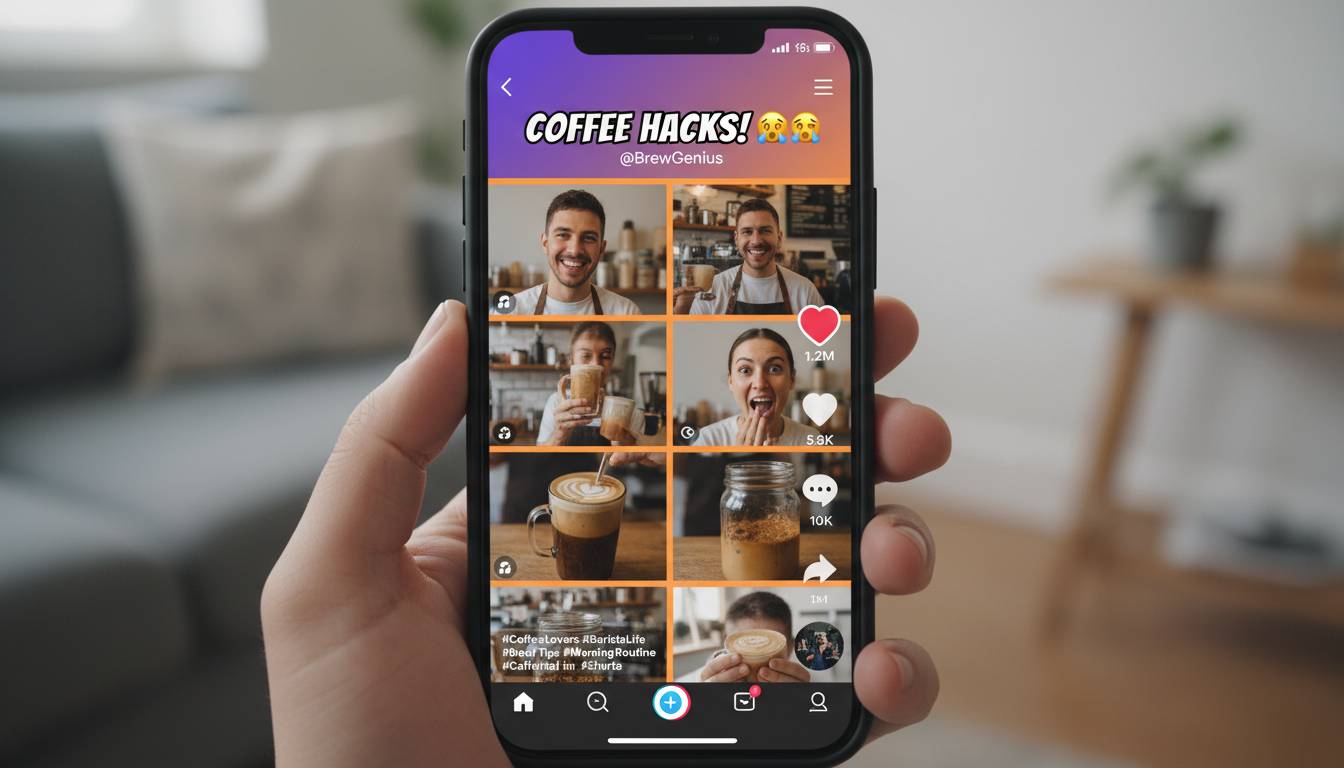
Let’s just say it: TikTok is the king of short video, and everyone else is playing catch-up. The algorithm is freakishly good at keeping you watching—90-minute sessions aren’t unusual. What surprises people is that it’s not just Gen Z anymore. Older demographics have jumped on, which wasn’t happening a few years ago.
Creators are making real money through the Creator Rewards Program, with top earners taking home serious ad revenue. TikTok Shop has also become a thing—people buy stuff without leaving the app, and it’s working especially well in Asia and North America.
The creative tools are still the best in class. Text-to-speech, green screen, the music library—it’s all built for making things go viral. Duet and Stitch let creators riff on each other’s content, which keeps the conversation flowing. The elephant in the room is the ongoing data privacy concerns and potential bans in Western markets, but user numbers haven’t budged. People clearly don’t care that much, or at least not enough to stop scrolling.
Facebook: Evolving for All Demographics
Facebook in 2025 looks pretty different from the Facebook of 2015. It’s no longer about posting lunch photos—it’s become a legitimate tool for community, commerce, and video. Nearly 3 billion people use it monthly, making it the biggest platform on the planet, though growth has stalled in places where everyone already has an account.
Groups are where it’s at now. Millions of them exist for every interest imaginable—from vintage car enthusiasts to freelance professionals networking. Marketplace has basically killed Craigslist in most markets—people buy and sell used stuff there constantly. Facebook Watch has also become a real streaming competitor, pulling viewers away from traditional TV and YouTube.
For businesses, Facebook’s ad tools remain unmatched. The targeting options are ridiculously detailed, which is why companies keep pouring money in. Meta’s AI improvements have made ads more relevant without killing the revenue. They’ve also introduced Meta Verified—a subscription that gives you a checkmark and better support, which is kind of wild for a platform that’s been free since day one.
YouTube: The Video Platform for All Lengths
YouTube isn’t just for long videos anymore. It covers everything—music, tutorials, vlogs, live streams, and the short-form Shorts that compete directly with TikTok. Over 2.5 billion people watch monthly, and they’re watching a lot of everything.
Creators have multiple ways to get paid: ad revenue, channel memberships, Super Chat during live streams, and merch shelves. They’ve also dipped into podcasts, which has drawn audio creators who want their content on video. Shorts has been a surprise hit—over 50 billion daily views, which is absurd when you think about it.
The search thing is key. People actually go to YouTube to learn things—how to fix a sink, how to code, how to cook something. That search-driven usage creates evergreen content that keeps generating views long after you post it, unlike the fly-by-night content on other platforms. Live shopping is also picking up steam in 2025, which could make YouTube even more of a one-stop shop.
Threads: Meta’s Twitter Alternative
Threads came out of nowhere and made Twitter sweat. It hit 200 million users within a year, largely because it let Instagram users instantly follow the same accounts. The clean, chronological feed is a breath of fresh air if you’re tired of algorithm-driven chaos.
It’s become the place for journalists, politicians, and anyone who used to live on Twitter for real-time talk. Content moderation has been decent—leveraging Instagram’s rules while building new ones specifically for text posts. They’ve added polls, quote posts, and media support, which fixed the early complaints about it being too bare-bones.
Meta is now testing algorithmic recommendations and a paid verification tier, which tells you they’re serious about turning this into a real business. Whether Threads overtakes Twitter depends on what happens to Twitter itself—if it keeps imploding, Threads is ready to catch the refugees.
Bluesky: The Decentralized Alternative
Bluesky attracted a specific crowd: people who are worried about big tech power, who want control over their data, and who are skeptical of how the established platforms handle content moderation. The AT Protocol—that’s the tech behind it—lets you take your followers with you if you ever leave, which is a big deal.
About 30 million users have signed up, with tech people and academics making up a chunk of early adopters. The trade-off is that it’s had to figure out moderation as it scaled—it started relatively open, which attracted free-speech types, but that’s caused friction as more “regular” people joined.
What makes Bluesky different is the custom feeds. You can actually build your own algorithm instead of letting the platform decide what you see. That’s catnip for people who feel manipulated by other platforms’ recommendation systems. The verification approach is also different—no government ID required, just link your identity however you want.
Whether Bluesky stays niche or goes mainstream depends on whether it can add advertising, moderation tools, and more features without betraying the decentralized vision that got people excited in the first place.
Emerging Platforms to Watch
Some newer apps are carving out their corners. Lemon8, owned by TikTok’s parent company ByteDance, is for lifestyle content—fashion, beauty, home stuff—and it’s getting cross-promotion from TikTok, which helps. BeReal has settled into a smaller but loyal audience; the daily time-limited photo concept still appeals to people who are tired of the constant performance of regular social media. It peaked early but hasn’t died, which is more than most apps can say.
Reddit keeps growing as a discussion platform. Every interest has a community, and those communities are surprisingly active. The 2024 IPO brought more focus on monetization, which some users are nervous about, but the core product remains strong.
How We Rank These Apps
These rankings consider user numbers, growth speed, how much people actually use the apps, how good the features are, how much creators can make, and whether using it is a good experience. We looked at company reports, independent analytics, and industry research to pull this together. This reflects where things stand in early 2025—tomorrow could change everything, as it always does in tech.
The honest truth: no single platform is “best” for everyone. What works for a beauty influencer won’t work for a local business, and neither matches what a news junkie needs. Your goals, who you’re trying to reach, and what kind of content you’re making all matter.
Frequently Asked Questions
What’s the number one social media app in 2025?
It depends how you measure. Facebook has the most users overall, but TikTok and Instagram win on engagement and time spent. If you’re thinking about cultural impact among younger people, it’s a different answer. There’s no clean winner—it’s about what matters for your specific situation.
Which app has the most users?
Facebook: nearly 3 billion. YouTube: over 2.5 billion. Instagram: over 2 billion. TikTok is closing in but hasn’t quite caught the Meta family yet. These are logged-in monthly numbers that the companies report, so there’s some fuzziness, but the hierarchy is clear.
What’s growing fastest?
Threads grew faster than any major platform in history—200 million users in year one. Bluesky also exploded, hitting 30 million as Twitter kept imploding. Among established players, TikTok keeps expanding. The real question is whether Threads and Bluesky can keep those users or if they’re just trying something new.
Best for business marketing?
Facebook still dominates for paid ads because the targeting is ridiculous and everyone uses it. Instagram is essential for brands chasing younger crowds or selling visually. TikTok is becoming can’t-ignore territory for reaching Gen Z, but you have to speak the language—it can’t be your traditional marketing approach copied and pasted.
Are the new platforms like Bluesky worth it?
If you’re an early adopter type or just don’t trust the big platforms, yes—they’re interesting and you can build an audience before everyone shows up. But there’s real risk: some of these platforms might not exist in five years. For businesses, the calculation is whether your customers are actually there yet. Most aren’t, but that could change.
How do I pick the right platform?
Start with who you’re trying to reach and what you’re posting. Visual content? Instagram and TikTok. Written commentary and news? Threads or Reddit. Want to sell directly? Instagram and TikTok Shops. Most people end up on multiple platforms anyway—you probably should too, unless you have reason to go all-in on one.