# Best Smartwatches for Fitness at Walmart in 2025 I’ve

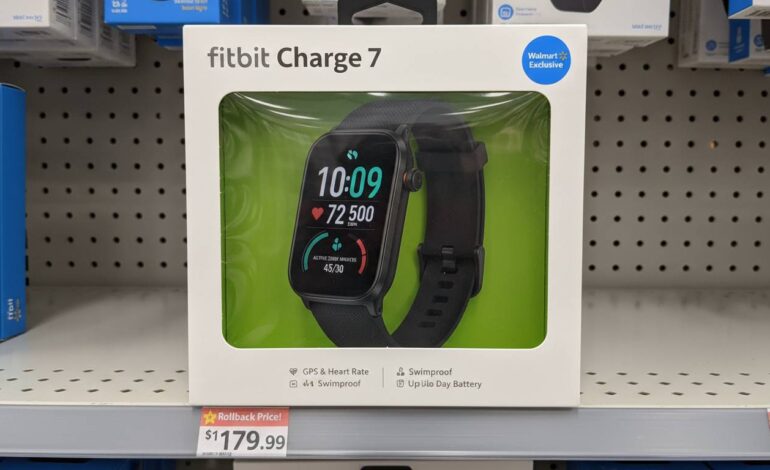
Walmart carries a solid range of fitness smartwatches, from under $50 to premium models over $400. Whether you’re a casual walker or training for a marathon, you can find something that fits your needs. The trick is knowing which features actually matter for your goals—and not paying for stuff you’ll never use.
What to Look for in a Fitness Smartwatch
A decent fitness smartwatch should track heart rate, offer GPS for outdoor activities, monitor sleep, and include a few workout modes. The basics come standard now even on budget models, though accuracy and extra data vary.
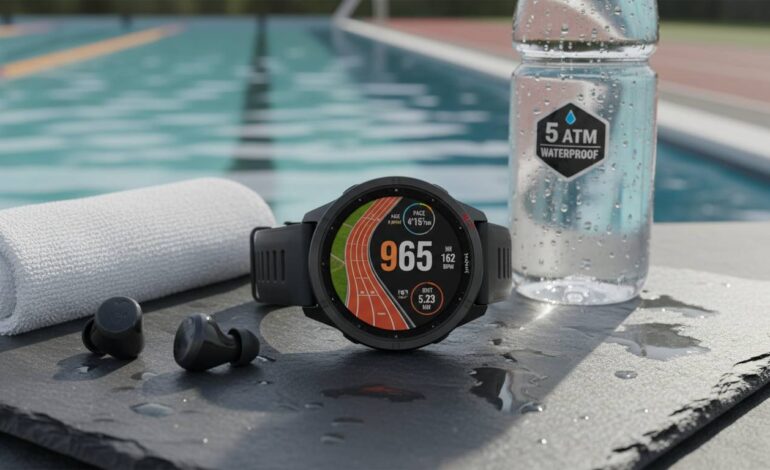
Heart rate monitoring is everywhere, but quality differs. High-end watches give you heart rate zones, recovery tips, and sometimes ECG. GPS matters if you run or bike outside—it tracks your route and pace without your phone. Most watches now handle swimming (5ATM rating), though serious swimmers will want lap counting and stroke detection.
Battery life matters more than people think. Some watches die in a day or two. Others last weeks. If you want sleep tracking, you need at least two or three days between charges, or you’re plugging in every night.
Apple Watch Series 9 and SE
iPhone users get the Apple Watch, and Walmart stocks both the Series 9 and the cheaper SE. The Series 9 has the S9 chip, an always-on display, blood oxygen monitoring, and ECG. The double-tap gesture is handy when you’re working out and can’t touch the screen.
The workout tracking covers pretty much everything—running, cycling, dancing, tai chi. The Fitness app on your iPhone shows your trends and suggests goals based on what you’ve done. Activity Rings push you to move, exercise, and stand throughout the day.
The app selection is the real strength. Strava, Nike Run Club, MyFitnessPal—these integrate directly. Apple Fitness+ adds guided workouts if you want them, though it costs extra.
The SE skips the always-on display and blood oxygen sensor but keeps heart rate, fall detection, and swim-proofing. For most people, it’s plenty of watch.
“I never forget to track now because the Apple Watch catches my workouts automatically. Seeing those rings close each day keeps me honest.” — Sarah M., marathon runner
Samsung Galaxy Watch Series
Android users have the Samsung Galaxy Watch as a strong option. Walmart has the Galaxy Watch 6 and the newer Galaxy Watch FE. They run Wear OS, which works well with Android phones and has plenty of apps.
Samsung’s health tracking has gotten good. The BioActive sensor measures heart rate, ECG, and body composition—water percentage, muscle mass, fat mass. That’s useful if you’re working on weight or strength goals.
Samsung Health tracks over 100 workout types with automatic detection. Real-time VO2 max shows your cardiovascular fitness. Runners get cadence and ground contact time when using compatible apps.
The rotating bezel on some models makes navigation easy during workouts—no smudging the screen with sweaty fingers.
Fitbit Inspire 3 and Charge 6
Fitbit focuses on fitness, and the prices reflect that. The Inspire 3 undercuts most competitors while giving you 24/7 heart rate, sleep staging, SpO2, and automatic activity recognition. Ten days of battery life means you can actually track sleep without charging every night.
The Charge 6 adds a touchscreen, built-in GPS, and Google integration. The GPS matters for runners who don’t want to carry their phone. You also get Google Maps and YouTube Music controls.
Fitbit’s app is solid—detailed health insights, social challenges, and sleep analysis. Premium adds more features, but the free experience works fine.
Garmin Forerunner and Venu Series
Garmin dominates with serious athletes. The Forerunner 265 and Venu 3 are both at Walmart, each targeting different users.
The Forerunner 265 is for runners and triathletes. Multi-band GPS gives you better accuracy. Training metrics, recovery suggestions, and Body Battery (energy levels based on HRV, sleep, and activity) help you train smarter. Garmin Coach offers free 5K, 10K, and half marathon plans that adjust based on your actual performance.
The Venu 3 keeps the GPS and health tracking but looks more like a regular watch. Fourteen days of battery life in smartwatch mode is hard to beat. It adds Garmin Pay and music storage too.
Amazfit GTR 4 and T-Rex 2
Amazfit undercut everyone on price while still delivering solid specs. The GTR 4 has dual-band GPS, 14-day battery life, and health tracking for around $200 less than comparable watches.
It uses BioTracker 4.0 for heart rate, blood oxygen, and stress. Over 150 workout modes. The Zepp app takes some learning, but the data is there.
The T-Rex 2 is the rugged option—military-grade build that handles extreme conditions. Good for hikers and anyone who beats up their gear. Both watches outlast most competitors on battery, even with GPS on.
Picking the Right Watch for Your Goals
What you need depends on how you exercise.
Basic step and heart rate tracking? The Inspire 3 works great without extra cost.
Runners and cyclists need built-in GPS. Charge 6, GTR 4, or Galaxy Watch all offer this at different prices.
Training for something specific? The Forerunner 265 or Apple Watch Series 9 gives you VO2 max, training load, recovery data, and workout plans.
iPhone users get the smoothest experience with Apple Watch. Android users have more freedom—Samsung works best with Samsung phones but fine with others. Garmin and Fitbit work with both.
What You’ll Pay
Walmart runs sales pretty often. The sub-$100 category got way better—you get features that cost twice as much a few years ago.
The $150-$300 range hits the sweet spot. SE, Charge 6, Galaxy Watch FE all live here with solid features.
Premium over $300 gets you the latest everything. Series 9, Galaxy Watch 6, and Garmin’s athletic watches cost more because they’re built for people who actually use all the data.
The Bottom Line
For most people, the Inspire 3 or Charge 6 gives you the best value—good tracking, solid battery, reasonable price. iPhone users wanting the full experience should look at the SE, with the Series 9 for the latest tech.
Android users get strong options at every level. Galaxy Watch FE is the value pick; Galaxy Watch 6 is the premium one. Outdoor athletes should check Garmin. Budget shoppers will be surprised by what Amazfit delivers.
One thing: the best watch is the one you’ll actually wear. If it’s uncomfortable or too complicated, it’ll sit in a drawer. Start simple, build the habit, then upgrade if you need more.
FAQ
Best smartwatch under $100?
Fitbit Inspire 3 and Amazfit GTR 4. Both give you heart rate, sleep, SpO2, and workout modes without spending much.
Can I swim with these?
Most have 5ATM rating, so yes—swimming, showering, water activities are fine. Check the rating first.
Do I need GPS?
Only if you track outdoor activities without your phone. Indoor workouts or phone-carriers can skip it and save money.
Longest battery?
Amazfit wins here. Two weeks or more. Garmin also lasts a long time, especially in GPS mode.
Sleep tracking on budget watches?
Yes, most above $50 track sleep. Fitbit and Garmin give more detail; basic trackers just show duration.
Apple or Samsung?
Both track fitness well. Apple has a slight edge with iPhone integration. Samsung works great with Android and Samsung phones specifically.