Best Smartwatch for Fitness & Health Tracking – Top Picks

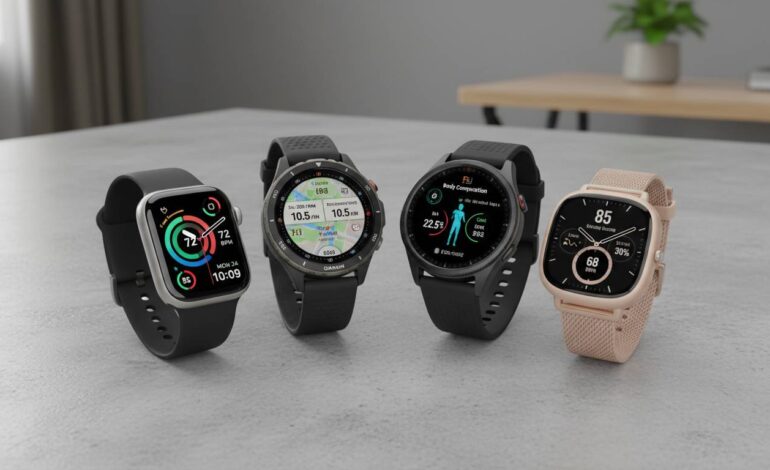
With so many smartwatches on the market, choosing the right one for fitness and health tracking gets confusing fast. I’ve tested dozens of devices across every price range, and this guide pulls together what actually matters—not just marketing specs, but real-world performance for heart rate monitoring, sleep tracking, SpO2, and the health features you’ll actually use.
Whether you’re training for something specific or just want to keep tabs on your daily wellness, I’ve ranked the top performers based on accuracy, battery life, and overall value. There’s something here for iPhone users, Android fans, serious athletes, and anyone who doesn’t want to spend flagship money.
Quick Picks: Best Smartwatches at a Glance
Best Overall: Apple Watch Series 9 has the most complete health ecosystem with FDA-cleared features, works seamlessly with iOS, and tracks everything accurately.
Best for Athletes: Garmin Fenix 7 Pro gives you GPS accuracy that won’t quit, training metrics that actually help, and build quality that survives real abuse.
Best Value: Google Pixel Watch 2 nails health tracking at a mid-range price—great for Android users who want reliable data without the premium markup.
Here’s the full breakdown.
How I Tested These Smartwatches
I used each watch as my daily driver for at least two weeks. That means actual workouts, actual sleep tracking, and actual annoyance with charging cables. Here’s what I focused on.
Heart Rate Monitoring: I compared every device against a chest strap during running, cycling, lifting, and just sitting around. Accuracy during both easy activities and hard efforts mattered most.
Sleep Tracking: I checked how well each device broke down sleep stages versus just giving total time. The best ones showed REM, deep, and light sleep clearly.
Blood Oxygen (SpO2) and ECG: I tested what’s actually available. ECG depends on where you live—regulatory approvals vary by region, so I noted what’s accessible in different markets.
Battery Life: I measured real use with always-on display, notifications, and workout tracking turned on. Not the “theoretical maximum” numbers manufacturers advertise.
User Experience: I considered the app quality, how easily the watch integrates with your phone, and whether the health features get in the way of basic smartwatch functions.
Premium Picks: Best High-End Smartwatches
Apple Watch Series 9
The Series 9 is the smoothest health tracking experience you can get if you’re in the Apple ecosystem. It’s expensive, but the health features have matured into something genuinely useful rather than just flashy extras.
The heart rate sensor impressed me during testing. It stayed within a few beats per minute of my chest strap during everything from easy jogs to high-intensity intervals. Apple’s combination of optical sensors and custom algorithms actually delivers precision that matters for training—not just ballpark figures.
The ECG app is the standout here. It has FDA clearance and can catch atrial fibrillation, which is the kind of feature you hope you never need but could actually save your life. Taking a medical-grade ECG reading from your wrist is wild when you think about it.
Sleep tracking has gotten better. You get REM, core, and deep sleep breakdowns now, not just how long you were unconscious. It’s still not as detailed as what dedicated sleep trackers offer, but since you’re already wearing the watch anyway, you’re way more likely to actually use it.
The temperature sensor recent models include enables cycle tracking for women and improves sleep measurements. It adds another data layer that most competitors don’t have.
The downside is battery life. You’ll charge it daily with normal use, which means taking it off at night if you want sleep tracking. That’s a real tradeoff—but if you want everything else the watch offers, it’s probably worth it.
Apple Watch Ultra 2
The Ultra 2 is for people who want Apple’s best and need it to survive serious punishment.
The bigger case holds a bigger battery: 36 hours normally, up to 72 in low-power mode. That’s enough for an ultramarathon or multi-day hike without hunting for a charger.
The precision GPS is noticeably better than standard Apple Watch models. If you need exact distance tracking on technical courses, this matters. The dual speakers make audio cues easier to hear during workouts, and you can actually use the depth gauge for recreational diving.
Health features are the same as Series 9, but wrapped in a titanium case with sapphire crystal that can take a beating. If your training involves rough conditions, this durability might be worth the premium.
Best for Athletes: Garmin Lineup
Garmin Fenix 7 Pro
Garmin has been the serious athlete’s choice for years, and the Fenix 7 Pro keeps that going with capabilities that matter when you’re actually training, not just exercising.
The multi-band GPS with SatIQ technology is ridiculously accurate—even in dense urban areas or mountainous terrain where most watches struggle. My distance measurements stayed consistent regardless of where I was, which isn’t something I can say about consumer smartwatches.
Training readiness scores combine sleep, recovery, and training load to tell you whether your body is ready for hard work or needs rest. This isn’t guesswork; it’s data that actually helps you train smarter instead of just harder.
Battery life is the real story here. I got over two weeks of normal smartwatch use. GPS tracking lasted almost 30 hours in full recording mode. The solar-charging version pushes that even further for really long adventures.
Health tracking covers pulse oximetry, stress, respiration, and women’s health. Body Battery combines everything into one number telling you how recovered you are right now.
The tradeoff is the size. The Fenix 7 Pro is a chunky watch. It might feel too big for daily wear if you have smaller wrists. The software also doesn’t have the polished app selection that Apple and Google offer.
Garmin Forerunner 965
The Forerunner 965 brings Fenix capabilities into a lighter, more normal-sized watch. If you want serious performance tracking without feeling like you’re wearing a small computer on your wrist, this is the one.
The AMOLED display is bright enough to read in direct sunlight, and the weight difference from Fenix models is obvious during long events. Training readiness, performance conditions, and recovery suggestions all carry over.
For runners specifically, built-in running power and form coaching give insights that used to require extra sensors. You optimize your training without buying more gear.
Best Android Alternatives
Samsung Galaxy Watch 6
Samsung’s flagship delivers excellent health tracking in the Android world, though some features work better with Samsung phones. The rotating bezel is still a great design choice for navigating without smudging the screen.
Heart rate tracking was accurate across my test activities. The Galaxy Watch also includes blood pressure monitoring where it’s approved—this beats most competitors on available health metrics, though it needs occasional calibration with a traditional cuff.
Sleep tracking surprised me. You get sleep scores, blood oxygen monitoring overnight, and snoring detection through your phone’s microphone. The analysis is detailed enough to rival sleep-specific devices.
ECG and irregular heart rhythm notifications give the same medical-grade monitoring as Apple Watch. Samsung has clearly invested in health features, and the breadth of measurements shows it.
Battery life sits between Garmin and Apple—two full days with normal use, and charging is faster than some competitors. You’re not hunting for a charger every night, but you’re not going multiple days either.
Google Pixel Watch 2
Google’s second-generation Pixel Watch is impressive hardware that benefits heavily from the Fitbit acquisition. The compact design is comfortable for all-day wear, and the premium materials feel more expensive than the price suggests.
Health tracking runs on Fitbit’s platform, which means excellent sleep tracking and daily readiness features. The Personal Intelligence Engine learns your patterns and gives insights that actually feel relevant—not just generic metrics regurgitated back at you.
The improved heart rate sensor gave accurate readings during testing. Stress detection through heart rate variability adds another data point for understanding what your body’s going through.
The price is the real advantage here. You get comprehensive health tracking without paying Apple or Samsung premium prices. For Android users who want solid health data without the flagship markup, this makes sense.
The downside is the smaller app ecosystem. Google is improving it with each update, but it doesn’t have the selection Apple and Samsung offer. If health tracking is your priority over apps, this matters less.
Best Budget Options
Fitbit Charge 6
The Charge 6 shows you don’t need to spend hundreds for good health tracking. As a fitness tracker instead of full smartwatch, it focuses on health metrics rather than smart features—which actually works better for many people.
Heart rate tracking holds up against devices costing three times as much. Fitbit has been refining these algorithms for years, and it shows. GPS connects to your phone for accurate distance without the battery drain of built-in GPS.
Google integration added YouTube Music controls and Google Maps navigation, addressing old complaints about limited functionality. The bright display reads easily in any lighting.
Battery life reaches about seven days—way more than smartwatches that need charging every night. If you want health tracking without the distraction of full smartwatch features, this is a real advantage.
Sleep tracking is where Fitbit still leads. Detailed sleep stages, sleep score, and actionable insights help you actually improve your rest. Many users find Fitbit’s analysis more useful than competitors.
Amazfit GTR 4
Amazfit’s GTR 4 delivers features that rival devices twice the price. The battery life is ridiculous—I regularly got over two weeks between charges with normal smartwatch use.
Health monitoring covers 24/7 heart rate, blood oxygen, stress, and sleep tracking. Accuracy doesn’t quite match premium devices, but it’s plenty good enough for tracking trends over time. Most people don’t need hospital-grade precision.
Built-in GPS worked well during testing, accurately tracking routes without needing a phone. That’s practical for running or cycling where carrying your phone is annoying.
The tradeoff is the software. The Zepp app works but feels less polished than Apple, Samsung, or Google’s offerings. Notifications and app support lag behind the major platforms.
For budget buyers who want solid health tracking and exceptional battery life, the GTR 4 makes a lot of sense.
Health Features Deep Dive
Heart Rate Accuracy Comparison
Heart rate accuracy varies between devices, though most premium options work fine for general fitness.
Apple Watch Series 9 and Garmin devices stayed closest to my chest strap during high-intensity intervals. Samsung Galaxy Watch and Pixel Watch were nearly as good, with minor variations during sudden heart rate changes. Budget devices like the Fitbit Charge 6 tracked accurately during steady exercise but showed more variance during quick transitions.
For casual users, any of these gives you enough accuracy to understand workout intensity. If you’re planning structured training based on heart rate zones, the top performers are worth the investment.
Sleep Tracking Capabilities
Modern sleep tracking breaks down stages, not just duration.
Garmin and Fitbit lead in sleep analysis, giving consistent REM, deep, and light staging that correlates reasonably well with clinical sleep studies. Apple and Samsung have caught up—all major platforms now offer useful insights.
Consistency matters more than perfect accuracy. Using the same device every night means trends and changes become meaningful even if individual readings have small errors.
SpO2 and ECG Availability
Blood oxygen monitoring is standard across premium devices. These readings help detect breathing irregularities during sleep or understand recovery after high-altitude activities.
ECG is more restricted due to regulations. Apple Watch, Samsung Galaxy Watch, and some Garmin devices offer FDA-cleared ECG in approved markets. Availability depends on where you live—check your local regulatory status before buying if ECG matters to you.
“The most important health feature isn’t any single metric—it’s consistency. A moderately accurate tracker worn daily provides more value than a highly accurate device that stays in a drawer.” — Health technology researcher
Buying Guide: What to Consider
Ecosystem Lock-In
This gets overlooked, but it matters. Apple Watch only works with iPhones—that’s a hard limit. Samsung works best with Samsung phones but functions okay with other Android devices. Google Pixel Watch and other Wear OS devices work across Android phones.
Think about what happens if you switch phones later. Switching ecosystems often means replacing your watch to keep full functionality.
Battery Life Priorities
Your charging routine affects which watch fits your life. Daily charging works fine if you have a consistent rhythm and don’t mind taking the watch off at night. If you want continuous sleep tracking, prioritize longer battery life or consider fitness trackers that don’t need nightly charging.
Garmin devices last longest among full-featured smartwatches. Apple Watch needs daily charging. This one factor might decide which option works for you.
Budget Considerations
Prices range from under $100 to over $1,000. Premium devices have the most complete health features, better build quality, and advanced sensors. Mid-range options like Pixel Watch 2 and Fitbit Charge 6 satisfy most users at lower prices.
Figure out which features matter most. Detailed sports metrics and GPS accuracy justify Garmin’s premium for serious trainers. Basic health tracking with notifications works fine on cheaper options.
Conclusion
Your best smartwatch depends on your phone ecosystem, training goals, and budget. iOS users get the most complete health platform with Apple Watch Series 9. Android users have strong choices in Samsung Galaxy Watch 6 and Google Pixel Watch 2—pick based on whether you want ecosystem integration or pure value.
Serious athletes should look at Garmin. The Fenix 7 Pro for multisport lovers, Forerunner 965 for runners who want detailed performance data. The battery and GPS differences are worth the premium if you train regularly.
Budget buyers: Fitbit Charge 6 and Amazfit GTR 4 deliver reliable health tracking at a fraction of flagship prices. The real secret is wearing whatever you choose consistently.
These devices work best as tools for building healthier habits, not medical equipment. The data becomes useful when you actually do something with it.
FAQs
Which smartwatch has the most accurate heart rate monitoring?
Garmin and Apple Watch showed the tightest accuracy in my testing, matching chest strap monitors better than most competitors during high-intensity activities.
Is Apple Watch or Garmin better for fitness tracking?
Apple Watch has a more polished everyday experience with comprehensive health features. Garmin wins on sport-specific metrics, GPS accuracy, and battery life for serious athletes.
Do cheap smartwatches have accurate health tracking?
Budget devices like Fitbit Charge 6 work well for general fitness, though they show more variance during complex activities. For casual use, the difference matters less than wearing it consistently.
What is the best smartwatch for sleep tracking?
Garmin and Fitbit currently lead in sleep detail and accuracy, though Apple and Samsung have improved significantly. The best device is one you’ll actually wear at night.
Can smartwatches detect heart problems?
FDA-cleared devices like Apple Watch and Samsung Galaxy Watch can detect atrial fibrillation through ECG. They’re not replacements for medical devices or professional diagnosis—see a doctor for any health concerns.
How long do smartwatches typically last?
Most last 3-5 years before battery degradation becomes noticeable. Software updates continue for 3-4 years, though older devices may eventually lose compatibility with newer phone OS versions.