Best Hashtags for Instagram Growth: Double Your Reach Today

Instagram has evolved dramatically over the past decade, but hashtags remain one of the most powerful organic tools for expanding your reach. When used strategically, the right hashtags can connect your content with audiences actively searching for what you offer—transforming casual browsers into engaged followers and customers. The difference between posting with random hashtags and deploying a research-backed hashtag strategy can mean the difference between 50 views and 50,000.
Why Hashtags Still Matter for Instagram Growth
Despite Instagram’s algorithm increasingly prioritizing content quality and viewer retention, hashtags continue to function as a critical discovery mechanism. They serve as the bridge between your content and users who have never encountered your account before—a fundamental requirement for organic growth that doesn’t depend on paid promotion.
The platform’s internal data consistently shows that posts with at least one hashtag perform measurably better than those without. This isn’t merely about visibility; it’s about precision targeting. A bakery in Austin can use location-specific and industry hashtags to reach users within driving distance who are actively looking for birthday cakes, wedding desserts, or morning coffee pairings. No ad targeting can replicate this level of intent-based discovery at scale.
What has changed is how Instagram weights hashtags. The platform now evaluates hashtag relevance more sophisticatedly, penalizing accounts that use overly generic or spammy tag combinations. Understanding this shift is essential for anyone serious about sustainable growth.
Understanding How Instagram’s Algorithm Processes Hashtags
Instagram’s algorithm treats hashtags as one of multiple ranking signals, but their impact varies significantly based on several factors. When you publish content with hashtags, Instagram first attempts to categorize your post by analyzing the image or video content, caption text, and hashtag selection. This categorization determines which users see your content in their initial distribution.
The algorithm then evaluates early engagement. Posts that receive meaningful interactions (saves, shares, comments, and extended watch time) within the first 30-60 minutes signal to Instagram that the content deserves broader distribution. Hashtags contribute to this by surfacing your content to users who have demonstrated interest in similar topics—but only if your content resonates with that audience.
A common misconception is that using 30 hashtags per post maximizes exposure. Research from multiple social media analytics platforms indicates that quality consistently outperforms quantity. Posts with 3-5 highly relevant hashtags often outperform those with 30 loosely related ones, particularly for accounts with smaller followings where competition for hashtag placement is less fierce.
Types of Hashtags That Drive Meaningful Growth
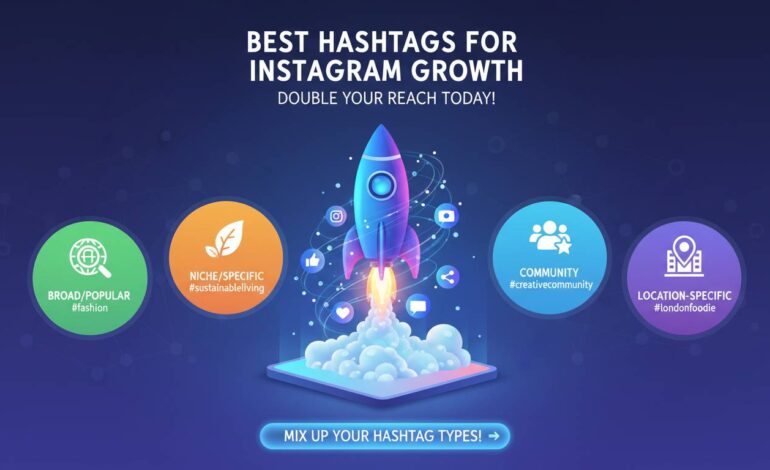
Effective hashtag strategies incorporate multiple categories, balancing reach with relevance. Understanding each type allows you to construct a diverse portfolio that attracts both broad audiences and niche communities.
Niche hashtags represent your specific industry or topic with laser precision. A portrait photographer in Chicago would use tags like #ChicagoPortraitPhotographer or #PortraitPhotographyChicago. These hashtags typically have lower post volumes but dramatically higher conversion rates—users searching these terms are actively seeking exactly what you offer.
Community hashtags build connections around shared interests or identities. Fitness professionals might use #FitnessCommunity or #GymLife, attracting users who identify with that lifestyle rather than just searching for workout content. These hashtags foster engagement because followers feel part of something larger than a transactional relationship.
Branded hashtags create unique identifiers for your business or content series. A cosmetics company might develop #GlowWithBrandName, encouraging user-generated content and creating a searchable archive of customer experiences. While these require more effort to establish, they build long-term brand equity and community.
Trending hashtags capitalize on current events, memes, or viral topics. Using these appropriately can provide sudden exposure spikes, but timing is critical—you must publish while the hashtag remains active, and your content must genuinely relate to the trend. Forced trending rarely succeeds and can damage brand authenticity.
Location-based hashtags connect you with local audiences. For service businesses, brick-and-mortar stores, or location-specific content, these hashtags are essential. #AustinFoodie, #NYCPhotographer, or #MiamiFitness make your content discoverable to users specifically looking for options in your area.
Finding the Best Hashtags for Your Specific Niche
Effective hashtag research requires a systematic approach rather than relying on guesswork or generic lists copied from blog posts. Your ideal hashtag combination depends entirely on your content, target audience, and business goals.
Start by analyzing your competitors and accounts you admire. Note which hashtags successful accounts in your space consistently use. Instagram’s algorithm provides additional insights—after viewing similar content, you’ll begin seeing related hashtags in your Explore page recommendations. These suggestions reflect actual engagement patterns from users with interests similar to yours.
Manual research using Instagram’s search function reveals real-time post counts and content quality. Search for potential hashtags and evaluate three factors: post volume (too high means your content gets buried; too low means minimal discovery), content relevance (are posts actually related to your niche?), and engagement quality (are users interacting or just scrolling?).
Several dedicated tools accelerate this research process. Later’s Hashtag Analytics tracks historical performance, showing which hashtags have generated actual reach for similar accounts. Display Purposes uses AI to suggest related hashtags based on your initial inputs. Hashtagify provides trend data and competitor analysis. Each tool offers different strengths, but the best approach combines manual evaluation with data-driven suggestions.
Strategic Hashtag Placement and Optimal Quantity
Where and how you place hashtags matters almost as much as which hashtags you choose. Instagram allows hashtags in captions, first comments, or both locations without affecting distribution. However, readability impacts engagement—walls of hashtags in captions can appear spammy and reduce time spent on your content before users decide to engage.
The optimal quantity remains debated among marketers, with evidence supporting different approaches based on content type and account size. Recent analysis suggests that carousel posts perform best with 3-5 hashtags, while Reels benefit from 5-10, and single image posts can accommodate 8-12 without penalty. These ranges represent starting points rather than rigid rules—testing different quantities while monitoring reach metrics reveals what works for your specific audience.
Placement strategy should consider user behavior. Most users focus on the first few lines of a caption before deciding whether to engage. Placing 1-2 hashtags inline within your caption narrative maintains readability while ensuring your tags are present. Adding remaining hashtags in a first comment keeps your caption clean while still including your full strategy.
Creating hashtag sets for different content categories streamlines workflow while maintaining variety. A fitness account might develop separate sets for workout content, nutrition posts, client transformations, and motivational content. Each set includes 10-15 relevant hashtags, rotated to avoid repetition while maintaining strategic consistency.
Common Hashtag Mistakes That Limit Your Growth
Even well-intentioned hashtag strategies often undermine themselves through avoidable errors. Recognizing these patterns allows you to correct course before wasted effort compounds.
Using the same hashtags repeatedly triggers spam filters and limits discovery. Instagram’s algorithm may view repetitive hashtag use as manipulative behavior, reducing distribution. Rotating through strategic sets of 15-30 hashtags per post prevents this while maintaining relevance.
Prioritizing volume over relevance represents the most damaging mistake. A fitness influencer using #love or #instagood (the most popular hashtags globally) competes against millions of posts per hour—any visibility is purely coincidental. Relevant hashtags with moderate volume consistently deliver superior results.
Ignoring hashtag analytics means flying blind. Most creators post hashtags without tracking performance, never learning which tags actually contribute to growth. Instagram Insights provides basic reach data per hashtag for business accounts, revealing which tags generate actual followers versus empty impressions.
Using banned or spammy hashtags can result in reduced reach or account penalties. Instagram maintains an unofficial list of hashtags associated with spam, prohibited content, or manipulative engagement practices. Regularly research hashtag legitimacy before adding new tags to your strategy—appearing alongside flagged hashtags can harm your distribution regardless of your content quality.
Tools and Resources for Hashtag Optimization
Modern hashtag research requires leveraging available tools rather than relying solely on manual investigation. Several platforms offer valuable features for different aspects of hashtag strategy.
| Tool | Primary Function | Best For |
|---|---|---|
| Later | Hashtag analytics and scheduling | Data-driven selection and workflow |
| Hashtagify | Trend analysis and suggestions | Discovering related hashtags |
| Display Purposes | AI-powered recommendations | Expanding hashtag vocabulary |
| Instagram Insights | Native performance data | Tracking actual reach per tag |
| Metricool | Multi-platform scheduling | Managing hashtag sets |
Beyond dedicated tools, creative approaches yield unique opportunities. Analyzing comments on posts from accounts you admire often reveals hashtag discussions where users share their own discoveries. Reddit communities like r/Instagram or r/socialmedia feature threads specifically dedicated to hashtag recommendations within niches. These peer insights often prove more practical than tool-generated suggestions.
Creating a personal hashtag spreadsheet tracking performance over time builds institutional knowledge that no tool can replicate. Record which hashtags you use, post timing, content type, and resulting reach and follower changes. Over months, patterns emerge revealing your optimal hashtag strategy.
Frequently Asked Questions
How many hashtags should I use on each Instagram post?
The optimal number varies by content type and account size, but generally, 5-15 relevant hashtags perform best. Carousel posts often succeed with fewer hashtags (3-5), while Reels and single images can use more (8-12). Focus on relevance over quantity—a single perfectly-targeted hashtag delivers more value than 30 loosely related ones.
Should I put hashtags in the caption or first comment?
Both approaches work equally well for distribution. Placing 1-2 hashtags inline within your caption maintains readability while ensuring they’re present. Adding remaining hashtags in your first comment keeps captions clean. Some creators split their hashtag set between both locations for balance.
How do I find hashtags that aren’t oversaturated?
Use Instagram’s search function to check post counts—aim for hashtags with 10,000 to 500,000 posts rather than millions. Niche-specific hashtags combining location, industry, and specific terms typically have ideal competition levels. Tools like Hashtagify help identify moderate-volume alternatives to popular tags.
Do hashtags help with Instagram Reels specifically?
Yes, hashtags remain relevant for Reels distribution, though their weight in the algorithm differs from static content. Reels with 5-10 relevant hashtags tend to perform well, particularly when those tags relate to the actual video content. Trending audio and hashtags combined create the best discovery opportunities for Reels.
Should I change my hashtags for each post or use the same ones?
Rotate through a strategic set rather than using identical hashtags or completely random ones each time. Creating 3-5 different hashtag sets (each containing 10-15 relevant tags) allows variety while maintaining relevance. Instagram’s algorithm may penalize exact repetition across every post.
How long does it take for hashtags to start working?
Hashtag effectiveness appears within hours of posting as your content enters discovery feeds. However, meaningful follower growth from hashtags typically requires consistent application over weeks or months. Track your Instagram Insights to monitor reach attributed to hashtags over time—single-post results can be misleading.
Building a Sustainable Hashtag Strategy
Mastering Instagram hashtags requires moving beyond simple tips into developing a systematic approach tailored to your specific content and audience. The creators who achieve sustained growth treat hashtags as one component of a broader strategy—compelling content remains fundamental, and hashtags simply amplify distribution to receptive audiences.
Start by implementing the framework outlined here: research your niche hashtags, create diversified sets, track performance consistently, and iterate based on data rather than assumptions. What works for one account may not work for another, making personal analytics invaluable.
Remember that Instagram continuously evolves its algorithm, and hashtag effectiveness fluctuates accordingly. Stay informed about platform changes, test new hashtag opportunities, and maintain flexibility in your approach. The creators who succeed long-term are those who treat their Instagram presence as a constantly improving system rather than a set-it-and-forget-it formula.
Your hashtags won’t instantly transform your account into an overnight success—but applied strategically and consistently, they provide the compounding discovery mechanism that builds meaningful follower growth over time.