Best fitness smartwatches we’ve tested

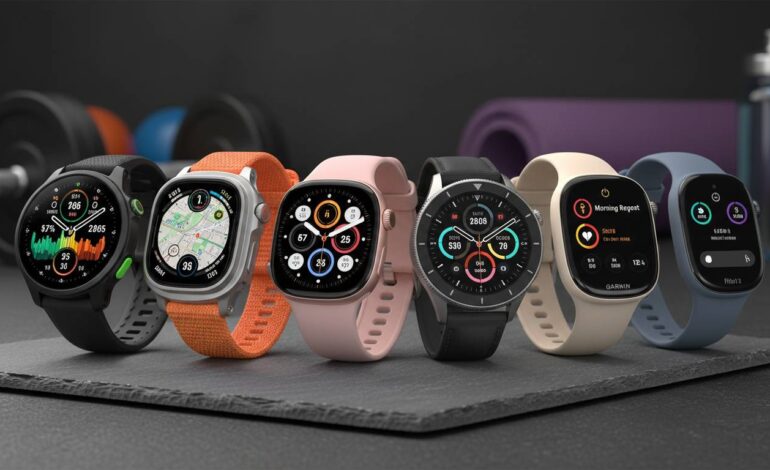
When it comes to tracking your workouts, monitoring your health, and staying motivated to move, the right fitness smartwatch can genuinely transform how you approach exercise. After spending years testing wearable after wearable—from budget-friendly basics to premium flagships—I’ve learned that the best fitness smartwatch isn’t necessarily the most expensive one. It’s the one that fits your lifestyle, matches your workout habits, and actually gets worn day after day. In this guide, I’ll walk you through the top performers we’ve tested, break down what really matters for fitness tracking, and help you find the perfect match for your goals.
What makes a smartwatch truly great for fitness
Before diving into specific models, it’s worth understanding what separates a decent fitness tracker from one that actually delivers. The core essentials include accurate heart rate monitoring, built-in GPS for tracking runs and rides without your phone, water resistance for swimming, and reliable battery life that survives a full week of wear.
Beyond the basics, the best fitness watches offer advanced metrics like VO2 max estimation, recovery recommendations, sleep tracking with sleep score analysis, and guided workouts you can follow right from your wrist. Some go even further with ECG capabilities, blood oxygen sensing, and stress tracking tools.
The software ecosystem matters just as much as the hardware. A watch that’s brilliant on paper becomes frustrating if its app is clunky or if it doesn’t play nice with the fitness platforms you already use. That’s why testing matters—we’ve lived with these devices through early morning runs, late-night recovery sessions, and everything in between to see how they perform in real life.
Apple Watch Series 9: The all-rounder that keeps getting better
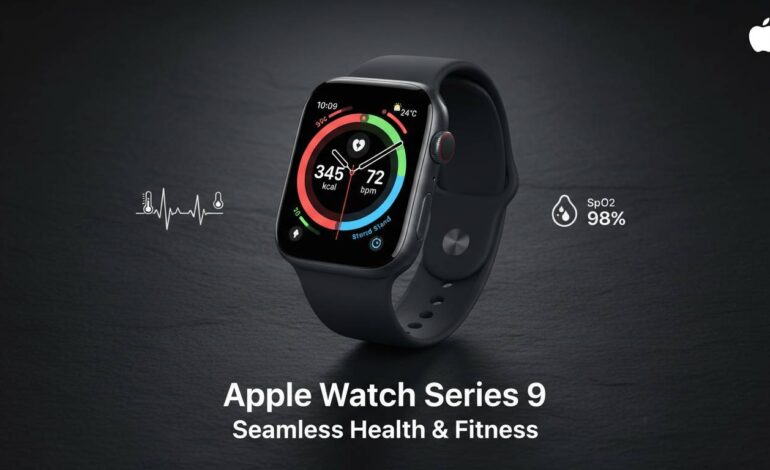
Apple’s latest flagship remains the most versatile fitness smartwatch you can buy. The Series 9 builds on years of refinement with a brighter display, the powerful S9 chip enabling on-device Siri processing, and Apple’s most accurate heart rate sensor yet.
In our testing, the heart rate monitor proved spot-on during high-intensity interval training and sustained cardio efforts. The built-in GPS locked onto satellites quickly—even in urban environments with tall buildings—and produced distance and pace readings that matched dedicated GPS watches within a few seconds over longer distances.
What sets the Apple Watch apart for fitness isn’t just the tracking itself, but how it integrates with the broader Apple ecosystem. Apple Fitness+ offers guided workouts and meditation sessions that display right on your watch, and the Activity rings provide simple visual motivation that actually works. Thousands of third-party apps mean you can pair with Strava, Nike Run Club, or whatever platform you prefer.
The downside? Battery life maxes out at about 18 hours with regular use, or roughly 10 hours with GPS tracking enabled. That’s fine for daily wear but falls short if you’re doing ultra-endurance events. The always-on display is also a battery drain, though the new Double Tap gesture makes it easier to interact without fully waking the screen.
For iPhone users who want a single device handling notifications, calls, music, and serious fitness tracking, the Series 9 remains the default recommendation for good reason.
Garmin Forerunner 265: The dedicated athlete’s choice
If you take your running, cycling, or triathlon training seriously, Garmin remains in a league of its own. The Forerunner 265 represents a significant shift for Garmin—finally bringing a vibrant AMOLED touchscreen to their dedicated running watches—while maintaining the depth of training features that serious athletes demand.
This watch excels at the metrics that actually matter for improving performance. Training readiness score tells you whether your body is primed for a hard workout or needs recovery. The performance condition feature analyzes your heart rate, pace, and other biometrics mid-run to tell you if you’re fading or still have gas in the tank. Race predictor gives you realistic finish time estimates based on your recent training load.
The GPS accuracy matched or exceeded every other watch in our testing, which matters when you’re chasing personal records or navigating unfamiliar routes. Multi-band GPS support means it locks onto multiple satellite constellations simultaneously, delivering sub-meter accuracy even in challenging conditions like dense forest or urban canyons.
Battery life stretches to about 15 days in smartwatch mode or 24 hours with GPS tracking. That’s more than enough for a week of training or a full marathon without charging. The 265 is also notably lighter than previous Forerunner models, making it comfortable for all-day wear.
The trade-off is that it’s less of an all-purpose smartwatch than the Apple Watch. Notification support exists but feels secondary to the training focus. If you’re primarily interested in casual fitness tracking rather than structured training, this might be more watch than you need.
Fitbit Charge 6: Best value for everyday fitness
Not everyone needs a sophisticated training companion. Sometimes you want something simple, affordable, and focused on keeping you active without overwhelming you with data. That’s where the Fitbit Charge 6 excels.
This latest iteration of Fitbit’s popular band-style tracker finally adds built-in GPS—meaning you can leave your phone at home for runs and still get accurate distance and pace tracking. The heart rate sensor has been improved significantly over previous generations, and the addition of Google’s AI-powered Fitbit Sense 2 algorithms brings more accurate sleep tracking and a new stress management score.
The Charge 6 works seamlessly with Google services, which is useful if you’re already in that ecosystem. You get YouTube Music controls, Google Maps navigation, and improved Google Fit integration. The battery easily lasts a full week, and the magnetic charging is quick when you do need to top up.
What you don’t get is the app ecosystem or detailed training analytics of higher-end devices. There’s no VO2 max estimation, no recovery recommendations, no maps or route navigation. For many people, though, that’s perfectly fine. The Charge 6 does exactly what most fitness enthusiasts need: tracks steps, heart rate, sleep, and workouts without complexity or cost.
At roughly half the price of premium smartwatches, it delivers exceptional value while covering all the fundamentals.
Samsung Galaxy Watch 6: Strong option for Android users
Android users have fewer premium options than iPhone owners, but the Samsung Galaxy Watch 6 makes a compelling case. This watch runs Wear OS with Samsung’s One UI layered on top, and it’s genuinely one of the best-looking fitness smartwatches available.
The rotating bezel—the physical ring around the screen that you twist to navigate—remains a brilliant design choice. It makes navigating menus and scrolling through workout data intuitive, even during exercise when touchscreen precision suffers. The Super AMOLED display is gorgeous, with deep blacks and colors that pop.
Fitness tracking covers all the essentials: heart rate, blood oxygen, ECG, body composition analysis, and sleep tracking with sleep scores. Samsung’s Sleep Insights are surprisingly detailed, breaking down your sleep stages and offering personalized recommendations. The built-in GPS performed reliably in our testing, and the watch tracks over 100 workout types.
The health sensors have expanded significantly. You can now measure blood pressure (though this requires initial calibration with a traditional cuff and isn’t available everywhere), and the BIA sensor estimates body composition metrics like muscle mass and body water percentage.
Battery life runs about a day and a half with always-on display, or roughly 30 hours with GPS tracking active. That’s decent but not exceptional. Samsung has improved charging speed, so a 30-minute top-up gets you through most of a day.
The biggest limitation is ecosystem lock-in. While it works with iPhones, the full experience requires a Samsung phone. If you’re using a Pixel or other Android device, some features work but the experience isn’t as cohesive.
Whoop 4.0: The data-obsessed athlete’s companion
Whoop occupies a unique space in the fitness wearable market. Unlike traditional watches, the Whoop 4.0 is a band without a display—you interact with it entirely through your phone. That might sound like a drawback, but it’s actually the point.
This device is designed for people who want exhaustive data analysis without daily decision-making. The Whoop learns your patterns over time, tracking heart rate variability, resting heart rate, skin temperature, and blood oxygen continuously. It then delivers a daily “recovery score” telling you how hard you should train, and a “strain score” measuring how hard you actually worked.
The journal feature lets you log factors like alcohol, caffeine, stress, and sleep quality, building a database that reveals how different behaviors impact your recovery. For data-driven athletes willing to put in the effort, this insight can be genuinely valuable.
The battery lasts about five days, and the charging puck is cleverly designed to clamp onto the band without removing it from your wrist. The lack of built-in GPS means you’ll need to start workouts on your phone or pair with another GPS device, which is a real limitation for runners and cyclists.
Whoop requires a subscription—around $240 per year—which makes it more expensive over time than buying a traditional watch. But for serious athletes who want that level of analysis, it fills a niche that no other consumer device quite matches.
Amazfit GTR 4: Budget performer with impressive features
The Amazfit GTR 4 proves that you don’t need to spend flagship money to get serious fitness tracking. This watch costs roughly half what an Apple Watch or Garmin demands while delivering much of the same functionality.
The standout feature is dual-band GPS, typically found only in premium devices. This means the GTR 4 receives signals from multiple satellite constellations simultaneously, resulting in remarkably accurate tracking. In our tests, it matched devices costing three times as much for distance and pace accuracy.
Battery life is exceptional—around 14 days with regular use or 40 hours with continuous GPS. That’s genuinely impressive and puts most competitors to shame. The 14-day battery means you can leave the charger at home for a two-week trip without worry.
Amazfit’s Zepp app has improved significantly and now offers reasonable sleep tracking, stress monitoring, and workout analysis. It’s not as polished as Garmin or Apple, but it’s functional and improving with updates. The watch itself feels well-built, with a stainless steel case and water resistance suitable for swimming.
The compromises are expected at this price point. The heart rate monitor works fine for casual use but can struggle during high-intensity intervals with rapid rate changes. Notifications are basic, and there’s no NFC for contactless payments. But if your focus is fitness tracking rather than smartphone replacement, the GTR 4 delivers tremendous value.
Coros Apex 2 Pro: Serious specs for endurance athletes
Coros has quietly built a devoted following among ultramarathoners and triathletes, and the Apex 2 Pro shows why. This watch prioritizes battery life and accuracy above all else, making it ideal for long events where other watches would die.
Battery life stretches to 30 days in smartwatch mode or 75 hours with full GPS tracking. That’s enough for a multi-day ultra or a full Ironman without charging. The GPS accuracy matches or exceeds Garmin, which is high praise given Garmin’s reputation in this area.
Training features include a training hub with recovery recommendations, performance tests (including lactate threshold estimation), and comprehensive workout planning. The EvoLab training analysis system provides deeper insights as you build a training history.
The design is rugged and field-focused, with a titanium bezel and sapphire glass. It looks less like a fashion accessory and more like a tool, which appeals to the target audience. The digital dial for navigation is a clever alternative to buttons or touchscreens.
The trade-offs mirror the Garmin Forerunner—smartwatch features are secondary, and the app ecosystem isn’t as polished. But if you’re choosing based purely on fitness tracking capability and battery longevity, the Apex 2 Pro deserves serious consideration.
How to pick the right fitness smartwatch for you
With so many excellent options, the “best” choice depends entirely on your specific situation. Here are the key questions to ask yourself before buying.
What’s your primary activity? Runners and cyclists benefit most from dedicated GPS watches like Garmin or Coros. Swimmers need water resistance rated to at least 50 meters and swim tracking capabilities. Gym-goers might prioritize strength training modes and rep counting.
How important is smartphone integration? If you want to answer texts, take calls, and control music from your wrist, you’ll want a full smartwatch experience. The Apple Watch leads here, with Samsung a close second for Android users. Garmin and Coros offer basic notifications but focus on training features.
How long do you need the battery to last? A one-day battery means charging nightly, which some people hate and others don’t mind. If you track multi-hour activities or want to wear your watch to bed for sleep tracking, longer battery life matters.
What’s your budget? The sweet spot for most people sits between $150 and $400. Below that, you make meaningful compromises. Above that, you’re paying for premium materials, more sophisticated sensors, or ecosystem lock-in rather than substantially better tracking.
Which ecosystem are you already in? If you use iPhone, the Apple Watch is the obvious choice. Android users have more flexibility but will get the most from Samsung or Wear OS devices.
Final thoughts on finding your perfect fitness companion
After years of testing, the honest truth is that any of the watches covered here will serve most people well. The differences between them often matter more on paper than in daily use. What matters most is choosing something you’ll actually wear consistently.
For most people, the Apple Watch Series 9 or Fitbit Charge 6 will hit the right balance of features, price, and ease of use. Dedicated athletes should look to Garmin, Coros, or Whoop depending on their specific needs. And anyone on a tight budget will be surprised by how much the Amazfit GTR 4 delivers at its price point.
The best fitness smartwatch is the one that fits seamlessly into your routine, motivates you to move, and helps you understand your body better. Take your time, consider what actually matters for your goals, and remember that the most expensive option isn’t automatically the best one.
FAQs
What’s the best fitness smartwatch for beginners?
The Fitbit Charge 6 offers the best balance of simplicity and features for people new to fitness tracking. It’s affordable, easy to use, and covers all the basics without overwhelming you with data.
Can I swim with my fitness smartwatch?
Most modern fitness watches are water-resistant to at least 50 meters, making them suitable for pool swimming. Always check the specific water resistance rating before swimming, and note that salt water and hot tubs can damage seals over time.
Do I need built-in GPS, or is phone GPS sufficient?
Built-in GPS is worth it if you want to leave your phone at home during runs or bike rides. It adds cost and battery consumption, but the freedom to exercise without carrying your phone is valuable for many people.
How accurate are heart rate monitors on fitness watches?
Optical heart rate sensors have improved dramatically and are accurate for most workouts. They can struggle during high-intensity activities with lots of arm movement, but wearing the band snugly (not too tight, not too loose) helps significantly.
Should I buy now or wait for the next model?
If you need a watch now, there’s never a perfect time to buy—new models launch constantly. However, major updates typically happen in fall, so spring and summer often see good deals on previous generations.
What’s more important: the watch or the app?
Both matter equally. A brilliant watch with a poor app makes analyzing your data frustrating. Before buying, spend some time with the companion app to make sure its interface and features work for you.