Best AMOLED Fitness Smartwatches

When you’re serious about fitness tracking, the display technology in your smartwatch matters more than most people realize. AMOLED screens deliver vibrant colors, deep blacks, and better visibility in various lighting conditions, making them a solid choice for athletes and fitness enthusiasts who need quick metrics during workouts. These displays use less power when showing dark interfaces—a feature many fitness-focused smartwatches leverage to extend battery life while maintaining that crisp, easy-to-read experience. Whether you’re running outdoors, lifting weights in a dim gym, or tracking sleep in a dark room, an AMOLED fitness smartwatch provides the clarity and responsiveness you need to stay focused on your goals.
What Makes AMOLED Displays Ideal for Fitness Tracking
Active Matrix Organic Light-Emitting Diode technology has changed how we interact with wearable devices, especially in fitness contexts where quick information access can make or break a workout session. Unlike traditional LCD screens that require a backlight, each pixel in an AMOLED display produces its own light, resulting in true blacks and better contrast ratios. This advantage translates to real-world benefits: outdoor visibility improves because the display can achieve higher peak brightness levels, while the ability to turn off individual pixels means pure black backgrounds consume minimal power.
For fitness applications, AMOLED displays offer several advantages. The always-on display becomes practical because the watch can show time, heart rate, and workout metrics without significantly draining the battery—something LCD panels struggle with. The color accuracy and saturation make heart rate graphs, workout summaries, and navigation prompts easier to read quickly. Many fitness-focused AMOLED watches also have dedicated sports modes with high-contrast layouts optimized for glancing during intense activity.
The physical design matters too. AMOLED panels are thinner and more flexible than LCD alternatives, allowing manufacturers to create sleeker, lighter watch designs that feel less bulky on the wrist during exercise. This combination of visual performance, power efficiency, and design flexibility explains why premium fitness smartwatches have moved toward AMOLED technology.
Top AMOLED Fitness Smartwatches in 2024
Samsung Galaxy Watch 7: The Android Fitness Standard
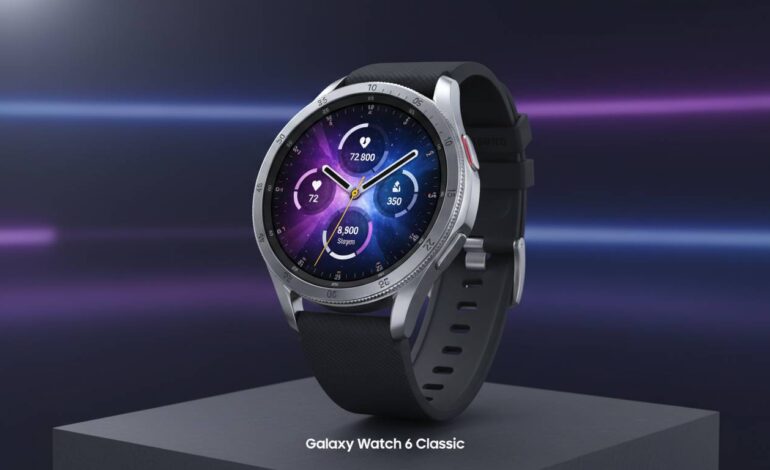
Samsung remains the dominant Android fitness smartwatch with the Galaxy Watch 7, featuring a bright Super AMOLED display that works well in every lighting condition. The 1.3-inch or 1.5-inch screen (depending on case size) reaches 2000 nits of peak brightness, making it easy to read even under direct midday sun. Samsung’s BioActive sensor array tracks heart rate, blood oxygen, and body composition with good accuracy for a consumer device, while the new Galaxy AI features provide personalized workout insights and recovery recommendations.
The rotating bezel stays a distinctive design element that fitness enthusiasts appreciate for its tactile feedback when navigating through workout apps and metrics. Battery life stretches to about 40 hours with the always-on display active, or up to 80 hours in power-saving mode—respectable numbers though not the best in class. The watch handles automatic workout detection well, tracking your runs, swims, and gym sessions without requiring manual input. Samsung Health provides comprehensive fitness tracking with sleep analysis, body energy monitoring, and workout routine integration.
“The Galaxy Watch 7 strikes the best balance between comprehensive fitness tracking and everyday smartwatch functionality for Android users. The display clarity during outdoor runs is genuinely impressive.”
Apple Watch Ultra 2: Premium Performance for Serious Athletes
Apple’s flagship fitness smartwatch represents the best a premium active wearable can offer, though it requires an iPhone for full functionality. The always-on Retina OLED display reaches 3000 nits of peak brightness—the highest of any current smartwatch—ensuring perfect visibility during outdoor activities in any condition. The 49mm titanium case houses an impressive array of sensors including a depth gauge for diving, dual speakers for workout audio cues, and precision GPS with satellite connectivity for accurate route tracking in challenging environments.
The Ultra 2’s battery life extends to 36 hours normally or up to 72 hours in Low Power Mode, addressing one of the main criticisms of previous Apple Watch models. Fitness features include advanced metrics like vertical oscillation, ground contact time, and running power that serious runners will appreciate. The Depth app and Oceanic+ integration turn the watch into a legitimate dive computer, while the Action button provides quick access to workout functions, stopwatches, or flashlight features during emergencies. For iPhone users committed to fitness excellence, this device delivers ecosystem integration alongside professional-grade tracking capabilities.
Google Pixel Watch 2: Refined Fitness Companion
Google’s second-generation Pixel Watch shows improvement over its predecessor, particularly in fitness tracking accuracy and battery optimization. The 1.2-inch AMOLED display produces vivid colors and remains readable in bright conditions, though its smaller size means slightly less data density compared to competitors. The Fitbit integration proves to be a major advantage, providing access to one of the most comprehensive fitness tracking platforms available with detailed sleep staging, daily readiness scores, and workout intensity mapping.
The streamlined design and comfortable fit make the Pixel Watch 2 good for 24/7 wear, capturing both daytime activity and nighttime sleep data seamlessly. Battery life averages around 24 hours with always-on display active, requiring daily charging for most users—a common limitation in this category. The physical crown provides intuitive navigation through Google’s clean software interface, while seamless pairing with Android phones ensures notifications, Google Maps directions, and wallet functionality work reliably. For Android users seeking a polished fitness experience with Fitbit’s tracking algorithms, the Pixel Watch 2 delivers a solid package despite its premium price positioning.
Garmin Epix Pro: AMOLED Meets Professional Fitness Tracking
Garmin has embraced AMOLED technology in its professional-grade fitness lineup, and the Epix Pro shows this evolution. The sapphire crystal AMOLED display combines the company’s battery life reputation with modern screen technology, offering up to 31 days in smartwatch mode with always-on display enabled. This represents a big improvement over earlier AMOLED fitness watches and addresses the primary concern athletes often have with OLED-equipped devices.
The sensor suite includes optical heart rate, pulse ox, ECG, and GPS with multi-band positioning for excellent route accuracy. Advanced training features like training readiness, recovery time, and performance condition provide serious athletes with useful insights beyond basic step counting. The titanium case and sapphire glass ensure durability through extreme conditions, while the buttons-plus-touchscreen interface provides reliable control during sweaty workouts when touchscreen responsiveness can suffer. For fitness-focused users who prioritize training analytics over app ecosystems, the Epix Pro delivers professional-grade functionality in a package that looks equally appropriate in a boardroom or at a finish line.
Amazfit GTR 4: Value Champion with AMOLED Excellence
Amazfit continues to make waves in the fitness smartwatch market with the GTR 4, offering good specifications at a fraction of competitors’ prices. The 1.43-inch AMOLED display provides crisp visuals and always-on functionality at a price point that makes AMOLED technology accessible to budget-conscious fitness enthusiasts. Battery life reaches up to 14 days with typical use, or 24 days in basic mode—impressive longevity that many premium models cannot match.
Dual-band GPS with circularly polarized antenna technology delivers accuracy comparable to devices costing twice as much, making this an excellent choice for runners and cyclists who need reliable route tracking. The Zepp OS platform provides enough app support while focusing on core fitness functions, and the battery optimization during GPS tracking works well. While the software ecosystem lacks the depth of Apple or Samsung platforms, the GTR 4 delivers where it matters most: accurate activity tracking, comprehensive workout data, and reliable everyday wear.
OnePlus Watch 2: Emerging Contender
OnePlus’s second attempt at a fitness smartwatch shows progress, with the Watch 2 featuring a quality 1.43-inch AMOLED display and impressive 100-hour battery life in smart mode. The design language carries distinctive OnePlus aesthetic with a stainless steel case and sapphire crystal protection. Health tracking includes heart rate, blood oxygen, stress monitoring, and sleep tracking, though the accuracy hasn’t reached the refinement of more established competitors.
The dual-engine architecture separating RTOS and Android systems contributes to the strong battery performance while maintaining smartwatch functionality. Oxygen saturation tracking during sleep provides useful data for those monitoring respiratory health, while the 5ATM water resistance handles swimming tracking without concern. Software updates have improved functionality since launch, but the overall ecosystem remains less developed than offerings from Apple, Samsung, or Garmin.
Key Features to Look for in a Fitness Smartwatch
Display Quality and Brightness
When evaluating AMOLED fitness watches, brightness specs affect real-world usability. Look for peak brightness ratings of at least 1000 nits if you plan outdoor workouts, since lower figures can make displays hard to read in direct sunlight. The always-on display feature should maintain readability while conserving battery—many users turn off this function on dim displays, losing the convenience that justifies the feature.
Screen size affects both readability and device bulk. Smaller wrists may prefer 41-44mm cases while larger wrists accommodate 46mm+ displays comfortably. Think about whether you prioritize data density or discreet wear when selecting case size, and test actual wearability if possible since product images can mislead about real-world proportions.
Sensor Accuracy and Tracking Capabilities
The sensor array determines what data your watch can collect and how accurate that data proves to be. Optical heart rate sensors have become standard, but accuracy varies significantly between devices, particularly during high-intensity interval training where motion artifacts challenge readings. Devices with multiple sensor types—combining optical heart rate with electrical (ECG) or mechanical (accelerometer) inputs—generally provide more reliable data across exercise types.
GPS accuracy fundamentally affects distance and pace tracking for outdoor activities. Multi-band GPS receivers (receiving signals across multiple frequencies) improve accuracy in challenging environments like dense urban areas or forests compared to single-band alternatives. Check that the watch supports the sports modes you intend to use; some devices limit advanced metrics to specific activity types.
Battery Life Considerations
Battery performance in AMOLED fitness watches requires understanding how display settings affect longevity. Always-on display typically reduces battery life by 20-40% compared to wrist-gesture activation, though the impact varies by device and screen brightness settings. GPS tracking consumes significant power regardless of display technology, so expect substantial battery drain during long outdoor activities.
Think about your charging habits and whether overnight charging interrupts continuous wear. Sleep tracking requires wearing the watch to bed, making devices requiring nightly charging less ideal for comprehensive health monitoring. Some users maintain multiple watches or prioritize charging routines around sleep tracking goals.
Software Ecosystem and Integration
The operating system determines app availability, notification functionality, and integration with other health platforms. Apple Watch provides the deepest iPhone integration but offers no Android compatibility. Samsung and Google watches function fully only with their respective phone ecosystems, though basic functionality remains on other platforms. Garmin and Amazfit devices operate more independently, pairing with any phone for basic notifications while providing comprehensive fitness tracking regardless of smartphone choice.
Consider whether you already invest in fitness ecosystems. If you use MyFitnessPal, Strava, TrainingPeaks, or other platforms, verify compatibility before committing to a watch ecosystem. Some devices integrate more seamlessly than others with popular third-party fitness applications.
AMOLED vs Other Display Technologies
Comparing Display Types for Fitness Use
The fitness watch market primarily uses three display technologies: AMOLED, LCD (often marketed as MIP or memory-in-pixel), and occasionally e-ink. Each technology presents distinct advantages and trade-offs that affect real-world fitness tracking experiences.
AMOLED displays offer superior contrast ratios, true black capability, and thinner physical profiles. The individual pixel illumination enables always-on displays without the persistent ghosting that affects LCD alternatives. The vibrant color reproduction makes data visualization engaging, while peak brightness capabilities exceed most LCD implementations. The main drawbacks include higher power consumption when displaying bright content and potential burn-in concerns with static elements over extended periods—though modern implementations include pixel shifting and other mitigation strategies.
LCD/MIP displays historically offered better battery efficiency for always-on implementations, making them popular with battery-conscious users and extended expedition scenarios. The technology provides excellent readability in direct sunlight without reflection issues that can challenge OLED screens. However, LCD panels feel increasingly outdated, with inferior contrast and viewing angles that make them less appealing for modern smartwatch expectations. Garmin continues offering MIP options for users prioritizing battery above all else.
Why Fitness Enthusiasts Choose AMOLED
The shift toward AMOLED in fitness watches reflects user priorities shifting toward display quality and smartwatch functionality alongside pure battery endurance. Modern users expect their wrist-worn devices to function as extensions of their smartphones, displaying notifications, maps, and rich media that LCD technology struggles to render compellingly. The fitness tracking aspect becomes one feature among many rather than the device’s sole purpose.
Battery life improvements in recent generations have made AMOLED viable for multi-day use between charges. Devices like the Garmin Epix Pro show that AMOLED no longer requires sacrificing the extended battery life that fitness enthusiasts demand. This convergence—combining beautiful displays with practical endurance—explains why flagship fitness watches increasingly adopt AMOLED technology as the default choice.
How to Choose the Right AMOLED Fitness Watch
Assess Your Primary Fitness Activities
Different activities place different demands on fitness trackers. Runners and cyclists need reliable GPS with accurate distance and pace tracking, while swimmers require water resistance and stroke detection. Weight training enthusiasts benefit from rep counting and rest timer features, while yoga practitioners need flexible tracking that accommodates non-standard movements. Identify your primary activities and verify that potential watches provide robust support for those specific use cases.
Consider whether you need multi-sport tracking for triathlons or adventure races. Some watches seamlessly transition between swimming, cycling, and running, while others require manual workout switching that interrupts activity flow. Advanced athletes may value performance metrics like lactate threshold estimation, VO2 max progression tracking, and training load analysis that go beyond basic activity counting.
Match Ecosystem and Lifestyle Requirements
Your smartphone ecosystem constrains which watches provide full functionality. iPhone users have fewer options for comprehensive smartwatch experiences, with Apple Watch representing the only fully-featured choice. Android users enjoy more variety but should verify that specific watches function optimally with their phone brand—some features may be restricted or unavailable when pairing across ecosystems.
Think beyond fitness to everyday smartwatch requirements. If you rely on mobile payments, ensure the watch supports your preferred payment system. Consider notification handling preferences—some users want every app alert while others prefer minimal interruption. Navigation needs vary from simple turn-by-turn directions to full offline map support for hikers and travelers.
Budget Considerations
AMOLED fitness watches span from under $200 to over $1000, with price differences reflecting build quality, sensor sophistication, software features, and brand positioning. Mid-range options around $300-500 typically provide excellent fitness tracking for recreational athletes without requiring premium pricing for professional features. Budget options like the Amazfit GTR 4 deliver core functionality at significantly lower cost, though software polish and long-term update support may lag behind premium alternatives.
Consider total cost of ownership including replacement bands, extended warranties, and potential subscription fees for premium software features. Some manufacturers now require subscriptions for advanced health insights, potentially adding $50-100 annually to ownership costs that initially appear more affordable.
Conclusion
AMOLED fitness smartwatches have matured into compelling options that no longer force users to choose between display quality and practical endurance. The Samsung Galaxy Watch 7 and Apple Watch Ultra 2 represent the best of comprehensive functionality for their respective ecosystems, while the Garmin Epix Pro shows that professional fitness tracking can embrace modern display technology without sacrificing battery performance. Budget-conscious buyers find excellent value in options like the Amazfit GTR 4 that deliver core fitness tracking with quality AMOLED displays at accessible price points.
Your ideal choice depends most heavily on your smartphone ecosystem, primary fitness activities, and budget constraints. Prioritize GPS accuracy if outdoor running or cycling forms your core training. Choose always-on display brightness ratings above 1000 nits if you train outdoors frequently. Verify that your preferred sports and metrics receive proper support before committing. The right AMOLED fitness watch becomes a daily training partner that helps you understand and improve your physical performance—one glance at a crisp, vibrant display at a time.
FAQs
What is the best AMOLED fitness smartwatch for outdoor running?
The Apple Watch Ultra 2 offers the brightest display (3000 nits) and most accurate GPS with multi-band support, making it ideal for outdoor runners who need excellent visibility in all lighting conditions. The Samsung Galaxy Watch 7 provides similar outdoor readability for Android users with excellent training analytics.
Do AMOLED smartwatches have worse battery life than LCD alternatives?
Modern AMOLED watches have largely closed the battery life gap thanks to power efficiency improvements and larger batteries. While some LCD/MIP watches still offer longer battery life in basic mode, premium AMOLED options like the Garmin Epix Pro deliver 30+ days of use while providing vastly superior display quality and smart features.
Which AMOLED fitness watch has the longest battery life?
The Garmin Epix Pro offers up to 31 days in smartwatch mode with always-on display enabled—the longest of any AMOLED fitness watch currently available. The Amazfit GTR 4 provides up to 14 days at a significantly lower price point, making it the best value for users prioritizing battery longevity.
Are budget AMOLED fitness watches accurate enough for serious training?
Budget options like the Amazfit GTR 4 provide adequate accuracy for recreational training, with dual-band GPS delivering reliable distance tracking. However, they may lack advanced physiological metrics (lactate threshold, training readiness scores) that serious athletes use for optimization. Casual users and recreational fitness enthusiasts will find budget options sufficiently accurate.
Can I use an Apple Watch with an Android phone?
Apple Watch requires an iPhone for full functionality and cannot be paired with Android devices at all. Android users should consider Samsung Galaxy Watch, Google Pixel Watch, Garmin, or Amazfit options instead.
Is always-on display worth the battery drain on fitness watches?
For most users, yes—the convenience of checking time and metrics without wrist gestures justifies the 20-40% battery reduction. Modern AMOLED displays are efficient enough that the always-on feature remains practical, with most users achieving 1-2 days of battery life even with the feature enabled.