Beef Tallow for Skin: Benefits, Uses, and Natural Moisturizer Guide

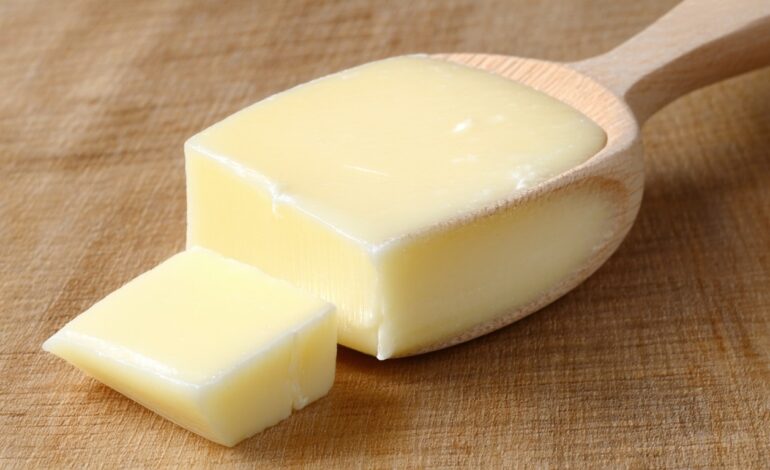
Amid the growing demand for clean, simple skincare solutions, beef tallow has emerged from the shadows of traditional kitchens to the spotlight of wellness routines. Once a staple in pre-industrial beauty regimes, beef tallow now enjoys renewed interest among those seeking nutrient-rich, non-synthetic moisturizers. Its use draws on both ancestral wisdom and modern scientific curiosity—inviting a closer look at how animal fats, once replaced by petrochemicals and plant oils, may deliver unique benefits for skin health.
The Science Behind Beef Tallow for Skin
Beef tallow is rendered fat primarily from cattle, often grass-fed for premium quality. Rich in fatty acids, vitamins, and antioxidants, its composition closely mirrors the natural oils (sebum) produced by human skin. This structural similarity underpins its compatibility and effectiveness as a moisturizer.
Nutrient Profile and Skin Support
Tallow contains:
- Oleic acid (omega-9): Enhances skin permeability, helping moisturizers penetrate deeply.
- Stearic acid: Strengthens the skin barrier and improves texture.
- Palmitic acid: Supports hydration and smoothness.
- Vitamins A, D, E, and K: Known for skin renewal, antioxidant protection, and anti-inflammatory effects.
A small but growing set of dermatology studies suggest that lipids derived from animal sources can support skin integrity, especially for people with dry or sensitive conditions. Dermatologist Dr. Lacey Hughes notes:
“Beef tallow’s fatty acid profile is remarkably similar to the lipids in our skin barrier. This makes it particularly useful for those with eczema or compromised skin, as it helps restore and protect without clogging pores.”
How Does Tallow Compare to Plant Oils?
While coconut and jojoba oil command loyal followings, tallow stands out due to its saturated fat content—which can help lock in moisture more effectively, especially in arid or winter climates. Advocates argue that tallow-based products often lack the greasiness associated with some plant-derived oils, thanks to rapid absorption.
On the other hand, tallow’s animal origin isn’t universally appealing. For those on vegan or strictly plant-based regimens, tallow may not align with ethical considerations. Nevertheless, sustainability advocates indicate that using tallow—often a byproduct of the meat industry—can reduce waste and promote holistic resource use.
Benefits of Using Beef Tallow for Skin
Intense Moisturization and Barrier Repair
Due to its unique lipid makeup, beef tallow provides emollient properties that strengthen the moisture barrier. Many users report softer, more resilient skin after regular application, particularly in harsh climates or after exposure to irritants.
Calming Properties for Sensitive Skin
The anti-inflammatory nature of naturally occurring vitamin E and conjugated linoleic acid (CLA) found in beef tallow may help ease redness, irritation, or flaking. For those with eczema or mild dermatitis, anecdotal accounts point to significant improvements in comfort and appearance after switching from commercial lotions to simple tallow balms.
Longevity and Shelf Stability
Unlike some delicate plant oils that oxidize quickly, properly rendered and stored beef tallow can last months without preservatives. Many artisan skincare brands emphasize this as a practical advantage, allowing for minimal-ingredient formulations with reduced risk of irritation.
Case in Point: A Real-World Example
Several boutique skincare brands, like Fatco and Toups & Co, have built loyal followings around tallow-based moisturizers and cleansers. Fatco, for instance, sources grass-fed tallow from American farms and highlights both environmental responsibility and product purity as selling points. Their customer feedback consistently references relief for conditions like dry patches, chapped hands, and even post-shave sensitivity.
How to Use Beef Tallow as a Skincare Product
Application Methods and Best Practices
Beef tallow can be found in ready-made balms, whipped creams, and salves, or sourced in pure form for use at home. For first-time users, applying a pea-sized amount to clean, damp skin and gently massaging it in is typically sufficient.
Tips for Best Results
- Use tallow after showering to “seal in” water.
- Start with small amounts, especially on the face, to gauge reactions.
- Mix with select essential oils (like lavender or tea tree) for a custom fragrance and added skin-soothing effects—though patch-test first to avoid irritation.
Making Your Own Tallow Balm
DIY enthusiasts often render tallow from local, grass-fed beef and whip it with nourishing oils like olive or jojoba for a smoother consistency. This approach allows for full transparency and easy tweaking for individual skin types.
Safety and Considerations
- Always use high-quality, fully rendered tallow to avoid unwanted odors or impurities.
- Individuals with beef allergies or highly reactive skin should exercise caution or consult a dermatologist before use.
Understanding Potential Drawbacks and Controversies
While many hail the return of tallow as a wholesome skincare ingredient, some lingering concerns persist. Its animal origin is at odds with vegan and some religious practices, and those unaccustomed to animal-derived products may need time to adjust to its unique texture or natural scent.
Dermatologists also point out that, despite promising anecdotal and historical evidence, large-scale peer-reviewed studies on beef tallow’s efficacy are limited. As with any skincare trend, a patch test and personal discretion remain essential.
Conclusion: Rediscovering Ancient Wisdom with Modern Insight
Beef tallow offers a unique blend of bioavailable nutrients and skin-compatible fats, making it a compelling option for those seeking deep moisturization with a minimal ingredient list. As interest in ancestral wellness grows, tallow’s role in nourishing, protecting, and calming skin stands out—especially for individuals looking to simplify their skincare and support sustainable practices. Ultimately, its effectiveness depends on individual skin needs, ethical beliefs, and a willingness to embrace this time-honored remedy backed by both tradition and emerging science.
FAQs
What are the main benefits of beef tallow for skin?
Beef tallow provides deep moisturization, supports the skin barrier, and delivers fat-soluble vitamins that help promote healthy, resilient skin.
Is beef tallow safe for all skin types?
Most people tolerate beef tallow well, especially those with dry or sensitive skin. However, as with any new skincare product, a patch test is recommended to ensure there are no adverse reactions.
How do you store beef tallow skincare products?
Store tallow-based creams or balms in a cool, dark place. When properly rendered and kept sealed, beef tallow can remain fresh for several months without refrigeration.
Can I make my own beef tallow moisturizer at home?
Yes, homemade tallow balms are popular among DIY skincare enthusiasts. Rendered tallow can be whipped with oils and essential oils for custom blends, but it is important to use clean, high-quality ingredients.
Does beef tallow clog pores or cause breakouts?
Pure beef tallow is considered non-comedogenic by many users, meaning it typically does not clog pores. Still, individuals with acne-prone or oily skin should try small amounts first and observe how their skin responds.
Is beef tallow ethical and sustainable?
When sourced from grass-fed cattle and produced as a byproduct of the food industry, tallow can contribute to reduced waste and support regenerative agriculture. However, those following vegan or plant-based lifestyles may prefer alternatives.