Influencer Marketing Trends: Key Strategies That Drive Results in 2024

The influencer marketing industry has matured significantly, evolving from a experimental tactic into a cornerstone of digital strategy for brands across every sector. With the global influencer marketing market projected to reach $24 billion in 2024, according to industry analyses, brands are no longer asking whether to invest in influencer partnerships—they’re asking how to maximize return on every dollar spent. The landscape has shifted dramatically: algorithms change, platforms rise and fall, and consumer expectations around authenticity continue to rise. This guide breaks down the strategies that actually work in 2024, backed by data and emerging best practices.
The State of Influencer Marketing in 2024
The industry has entered what experts call its “maturation phase.” Gone are the days when brands could simply send free products to anyone with 10,000 followers and expect meaningful results. Today’s influencer ecosystem demands strategic sophistication, genuine alignment, and measurable outcomes.
Recent research reveals that 67% of marketing professionals plan to increase their influencer marketing budgets in 2024, making it one of the fastest-growing channels in digital marketing. This growth isn’t accidental—it reflects proven effectiveness. Campaign data from major platforms shows that influencer content consistently outperforms brand-created content in engagement rates, with some verticals seeing differences of 3-5x in favor of creator-led content.
The fundamental shift this year centers on authenticity. Consumers have become increasingly adept at spotting inauthentic promotions, and algorithm changes on major platforms have reduced the reach of content that appears overly commercial. Successful campaigns in 2024 prioritize genuine recommendations over polished advertisements, with brands empowering creators to maintain their unique voice rather than delivering scripted messages.
Rise of the Micro and Nano Influencer
One of the most significant trends reshaping influencer marketing is the explosive growth of micro and nano influencers. While mega-influencers with millions of followers once dominated brand strategies, the data now favors smaller creators with more engaged audiences.
Micro-influencers (10,000-100,000 followers) now drive the highest engagement rates across most platforms. Analysis of millions of posts shows that accounts in this range average engagement rates of 3-7%, compared to just 1-2% for accounts with over one million followers. This engagement advantage translates directly to conversion potential—brands working with micro-influencers frequently report cost-per-engagement rates 50-70% lower than those achieved through celebrity partnerships.
The appeal extends beyond metrics. Smaller creators typically maintain tighter communities where followers feel genuine connections. A recommendation from a nano-influencer (1,000-10,000 followers) often carries more weight because their audience knows these creators personally. Brands like Glossier, Allbirds, and Warby Parker built their early success partly through strategic deployment of micro-influencer networks, and this playbook has since been adopted across industries.
Key advantages of micro-influencer strategies:
| Influencer Tier | Follower Range | Avg. Engagement Rate | Cost per Post |
|---|---|---|---|
| Nano | 1K-10K | 5-8% | $50-$250 |
| Micro | 10K-100K | 3-7% | $250-$2,500 |
| Mid-tier | 100K-500K | 2-4% | $2,500-$10,000 |
| Macro | 500K-1M | 1-3% | $10,000-$50,000 |
| Mega | 1M+ | 0.8-2% | $50,000+ |
This doesn’t mean mega-influencers have become irrelevant—they still deliver unmatched reach for brand awareness campaigns and work exceptionally well for product launches requiring mass visibility. The strategic insight is matching influencer tier to campaign objectives: awareness campaigns benefit from macro and mega reach, while conversion-focused initiatives typically perform better with micro-influencer partnerships.
Video Content Dominates: Short-Form Leads the Way
Video has consolidated its position as the dominant content format in influencer marketing, with short-form video leading the charge. The explosive growth of TikTok fundamentally changed audience expectations, and Instagram Reels, YouTube Shorts, and Snapchat Spotlight have all capitalized on similar dynamics.
Brands that invested in short-form video influencer content in early 2024 saw average ROAS (return on ad spend) improvements of 40-60% compared to static image campaigns, according to platform data. This performance gap continues to widen as algorithms increasingly prioritize video content and user attention spans shorten further.
Successful short-form influencer content in 2024 shares common characteristics: it leads with immediate value or entertainment within the first 1-3 seconds, leverages native platform trends and sounds, and integrates product messaging organically rather than interruptively. The best performing creator content feels less like an advertisement and more like sharing advice with a friend—which is precisely what algorithms reward and audiences respond to.
Long-form content hasn’t disappeared—YouTube remains powerful for detailed product reviews, tutorials, and storytelling that builds deep brand affinity. The most sophisticated brands develop content strategies that use short-form video for reach and initial engagement while leveraging long-form content for audience retention and complex product education.
Authenticity Over Production Value
Perhaps the most counterintuitive trend of 2024 is the growing preference for authentic, lower-production content over polished brand materials. Audiences have developed sophisticated filters for advertising, and content that feels manufactured or overly scripted consistently underperforms.
This shift has significant implications for how brands approach creator partnerships. The most effective strategies give creators substantial creative freedom, providing brand guidelines and key messages but allowing them to present products in their own voice and style. Campaigns that mandate script approval and heavy brand oversight typically see 30-40% lower engagement rates compared to those with creator-controlled messaging.
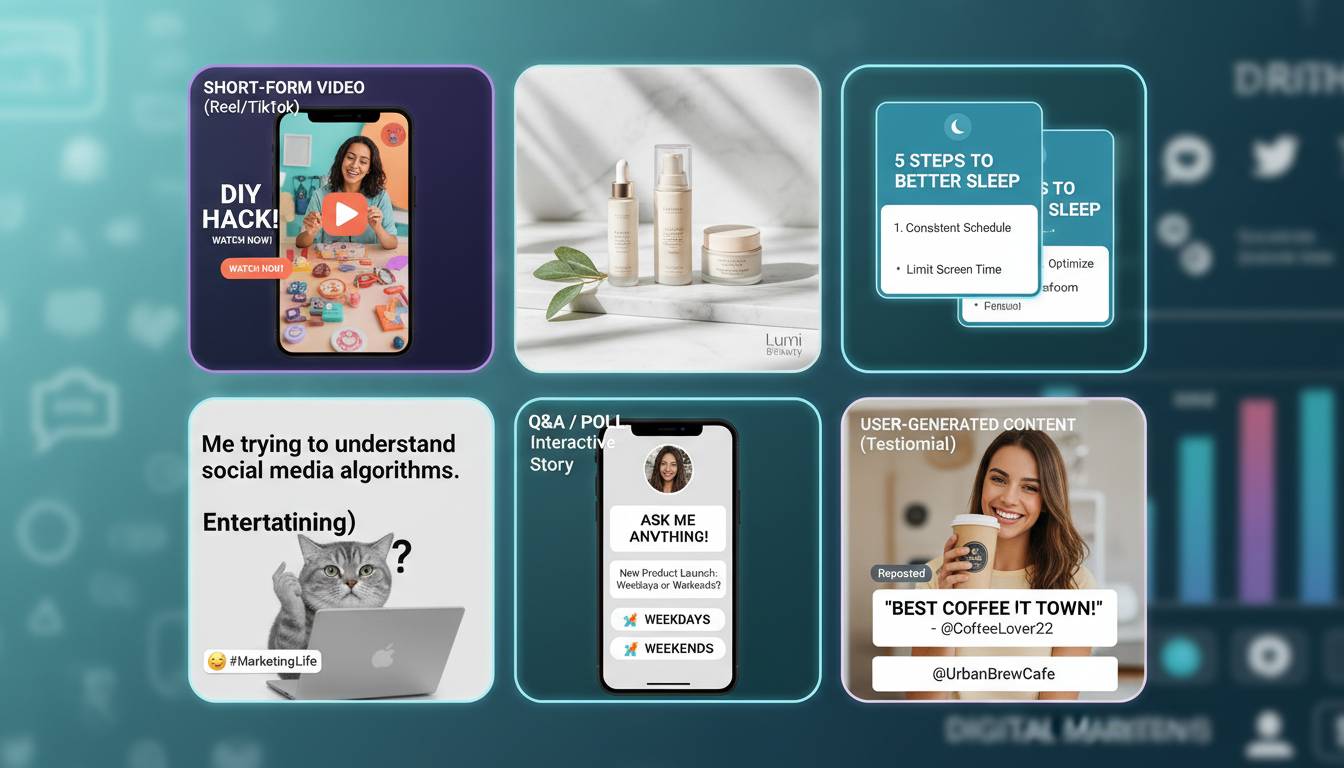
The rise of “UGC-style” content has influenced even brand-original content strategies. Many brands now create content that mimics the aesthetic of authentic creator posts—less perfect lighting, more candid moments, text overlays that feel personal rather than corporate. When working with influencers, the most successful brand partnerships position creators as genuine users and experts rather than paid spokespeople, even when proper disclosure is provided.
Platform-Specific Strategies
Each major platform demands distinct approaches, and successful influencer marketing requires platform-native strategies rather than cross-posting the same content everywhere.
Instagram remains a powerhouse for visual brands, with shopping integration and link-in-bio strategies driving direct response. Reels content now receives significant algorithmic preference, and creators who leverage Instagram’s native tools—collaborative posts, community features, broadcast channels—see improved performance. The platform’s audience skews toward 25-44 demographics with strong purchasing power, making it particularly effective for lifestyle, fashion, beauty, and home goods.
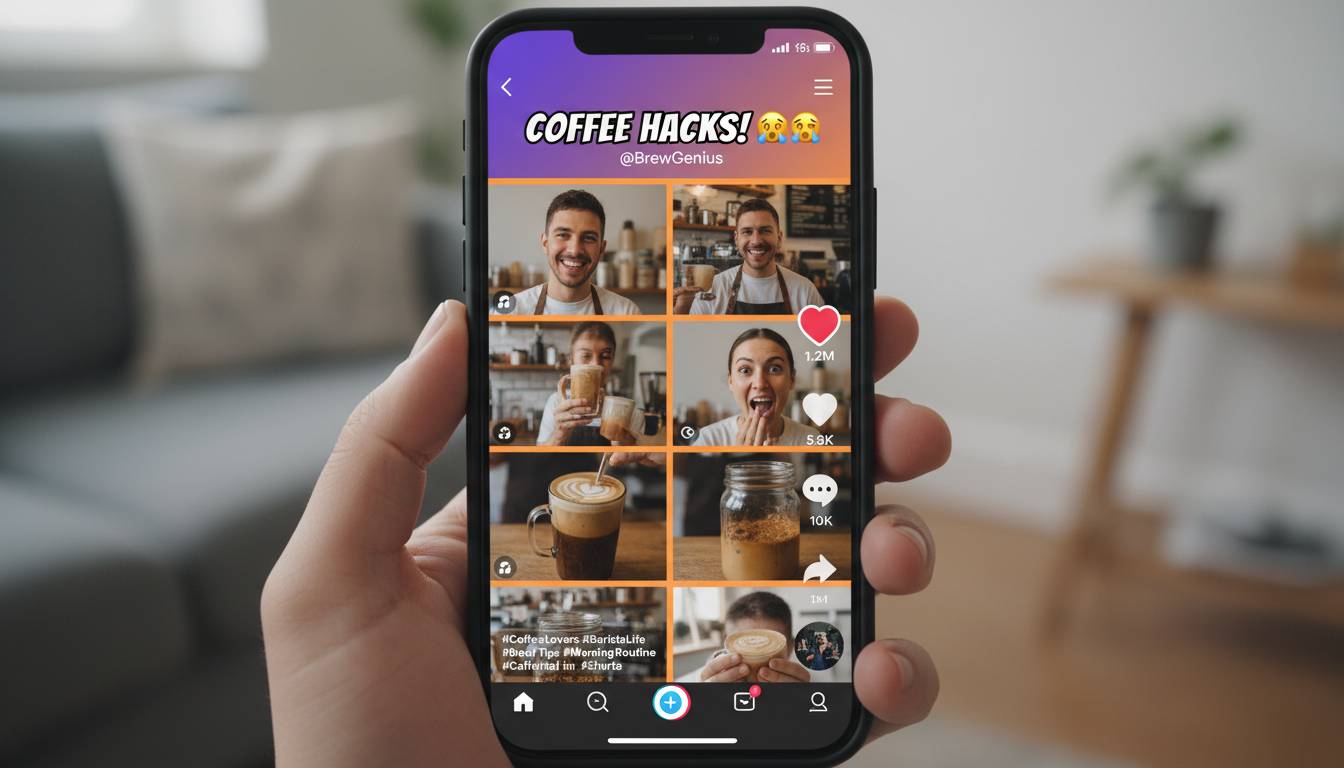
TikTok continues its meteoric rise, with the platform’s algorithm-driven discovery model offering unprecedented organic reach potential. Successful TikTok influencer content prioritizes entertainment value, trending sounds, and authentic personality over polished presentation. The platform’s younger demographic (18-34) responds well to humor, transparency, and behind-the-scenes content. For brands, TikTok requires willingness to experiment and comfort with content that might not align with traditional brand aesthetics.
YouTube excels for content that requires explanation or demonstration. Product reviews, tutorials, comparison videos, and long-form storytelling all perform exceptionally well on the platform. YouTube influencers often maintain stronger long-term relationships with their audiences, making recommendations particularly impactful. The platform’s shopping features continue to improve, making it increasingly viable for direct response objectives.
Emerging platforms like Threads, Reddit, and niche communities offer opportunities for brands willing to invest in understanding community dynamics. Authenticity requirements are even higher on these platforms, where audiences are typically more skeptical of traditional advertising approaches.
Data-Driven Measurement and ROI
The days of influencer marketing being considered “immeasurable” are firmly over. Brands now demand sophisticated analytics, and the tools available have grown correspondingly sophisticated.
Key performance indicators have shifted toward measurable outcomes:
- Engagement rate remains important but is now analyzed alongside engagement quality—comments that indicate genuine interest versus generic “cute!” responses
- Reach and impressions data helps brands understand actual audience size beyond follower counts
- Click-through rates to website or landing pages
- Conversion data through affiliate links, discount codes, and pixel tracking
- Customer acquisition cost calculated against influencer spend
- Content performance over time including evergreen content that continues generating value
Platforms like TikTok, Instagram, and YouTube have all enhanced their native analytics, while third-party tools provide cross-platform measurement. Many brands now require creators to share analytics or use brand-specific tracking links, enabling precise attribution.
The most mature influencer programs have moved beyond last-click attribution to multi-touch models that recognize influencer content’s role in the customer journey, even when conversion happens through other channels later. This holistic view reveals influencer marketing’s true impact, often showing influence on future purchases that occurred days or weeks after initial content exposure.
The Future: What’s Coming Next
Several emerging trends suggest where influencer marketing is heading beyond 2024.
AI integration is becoming unavoidable, with brands using artificial intelligence to identify potential influencers, analyze audience authenticity, optimize posting times, and even generate content variations. However, audiences increasingly value human connection, suggesting AI will serve as an enhancement to rather than replacement for genuine creator relationships.
Creator economy maturation means more influencers treating their work as actual businesses, demanding professional contracts, exclusivity terms, and revenue shares. This professionalization benefits brands through clearer expectations and more reliable deliverables while raising costs.
Community-based influence is growing as creators build tighter communities around shared interests rather than just follower counts. These communities often demonstrate exceptional loyalty and responsiveness, making them valuable for brands targeting specific demographics or interest groups.
Regulatory scrutiny continues increasing, with the FTC and similar bodies worldwide requiring clearer disclosure practices. Brands and creators must stay current on disclosure requirements or face legal and reputational consequences.
Frequently Asked Questions
Q: How much should I budget for influencer marketing in 2024?
Budget allocation depends on your objectives and scale, but industry data suggests allocating 15-25% of total digital marketing budget to influencer marketing for brands in growth phases. Start with a test budget of $1,000-$5,000 working with 5-10 micro-influencers to establish benchmarks before scaling. Many successful brands begin with micro-influencer programs at $500-$1,000 per creator for comprehensive campaigns, then expand based on demonstrated ROI.
Q: How do I find the right influencers for my brand?
Look for creators whose content, values, and audience align with your brand—not just those with the most followers. Use tools to analyze engagement rates (aim for 3%+ on Instagram, 5%+ on TikTok), review comment quality, check audience demographics through platform analytics, and examine whether their existing content fits your product category. The best matches often come from researching creators who your existing customers already follow and trust.
Q: Should I work with influencers directly or use an agency?
This depends on your scale, budget, and internal capabilities. Direct relationships work well for small-scale programs with 5-20 creators and allow for more authentic communication. Agencies provide access to larger creator networks, handle negotiation and contracts, and offer strategic expertise—but take a percentage commission (typically 10-20%). Many brands start direct, then transition to agency support as programs scale.
Q: How do I measure influencer marketing ROI effectively?
Implement trackable links, unique discount codes, and pixel tracking from the start of any campaign. Compare influencer-sourced traffic and conversions against baseline metrics. Calculate cost per engagement, cost per click, and customer acquisition cost, then benchmark against other marketing channels. Remember to track longer-term metrics like repeat purchase rates and customer lifetime value for influencer-acquired customers, as immediate conversion doesn’t capture the full value of brand awareness and consideration building.
Q: What’s the difference between macro and micro influencers, and which should I choose?
Macro influencers (100K-1M followers) offer reach and brand awareness; micro influencers (10K-100K followers) deliver higher engagement and often better conversion rates. Choose macro influencers for product launches and awareness campaigns where visibility matters most. Choose micro influencers for engagement-focused campaigns, niche markets, and budget-efficient customer acquisition. The most effective programs typically combine both tiers strategically.
Q: How important is authenticity in influencer partnerships?
Extremely important—it’s perhaps the single most critical factor in campaign success. Audiences quickly identify inauthentic content, and engagement drops significantly when creators appear to be reading scripts or promoting products they don’t genuinely use. Give creators creative freedom, encourage honest opinions (including potential drawbacks), and prioritize long-term relationships over one-off sponsored posts. Authenticity builds trust, and trust drives conversion.
The influencer marketing landscape continues evolving at a rapid pace, but the fundamental principles remain constant: prioritize genuine connection over transactional relationships, match creator selection to clear objectives, measure rigorously, and maintain the flexibility to adapt as platforms and audience preferences shift. Brands that master these fundamentals will continue extracting outsized value from influencer partnerships while those relying on outdated approaches will find their results diminishing. The opportunity is substantial for those willing to invest in strategy, authenticity, and ongoing optimization.