Bali Travel Guide – Discover Hidden Gems & Best Places to Visit | Expert Tips

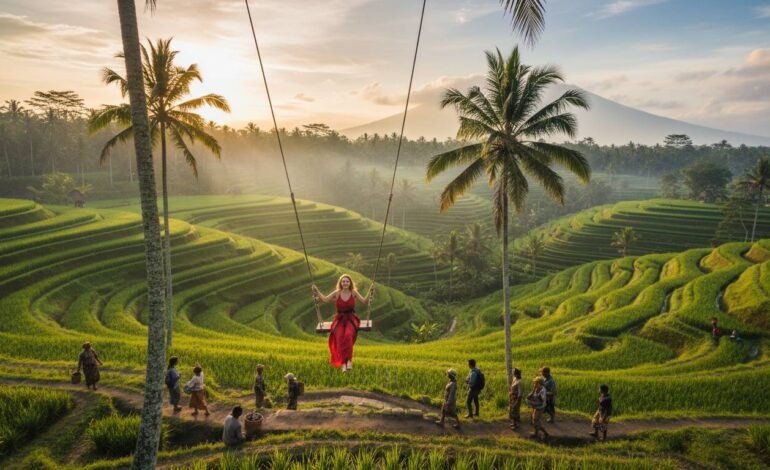
Bali offers an extraordinary blend of natural beauty, cultural richness, and spiritual depth that distinguishes it from other Southeast Asian destinations. From the emerald rice terraces of Ubud to the legendary surf breaks of the southern coast, this Indonesian island delivers experiences that range from profoundly peaceful to exhilaratingly adventurous. Whether you’re seeking serene temple ceremonies, world-class diving, vibrant nightlife, or simply a quiet retreat surrounded by tropical landscapes, Bali accommodates every traveler with remarkable versatility.
This guide provides comprehensive coverage of Bali’s diverse regions, insider recommendations for discovering authentic experiences beyond the typical tourist circuit, and practical guidance for navigating the island like a seasoned visitor rather than a first-time tourist.
Key Takeaways
- Ubud remains Bali’s cultural heart, offering rice terrace walks, traditional arts, and spiritual experiences, while southern beach areas cater to surfers and nightlife seekers
- The best time to visit is April through October during the dry season, with July and August being peak months requiring advance bookings
- Hidden gems include the relatively untouched East Bali villages of Candidasa and Amed, the northern highlands around Munduk, and the pristine islands of Nusa Penida and Lembongan
- Bali’s temple culture is central to the island’s identity, with over 20,000 temples hosting daily ceremonies that visitors can respectfully participate in
- Transportation requires planning as traffic congestion is significant; renting a scooter provides flexibility, while private drivers offer comfort for longer distances
- Respecting local customs—dress codes at temples, offerings on the ground, and religious observances—ensures meaningful interactions with Balinese communities
Understanding Bali’s Geography and Regions
Bali spans approximately 5,780 square kilometers, with its terrain dominated by volcanic mountains rising from the sea. The island divides naturally into distinct regions, each offering different experiences. Understanding this geography helps travelers choose where to base themselves and plan efficient itineraries.
South Bali encompasses the bustling resort areas of Kuta, Legian, Seminyak, and Jimbaran. This region delivers Bali’s most developed tourism infrastructure, with thousands of hotels, restaurants, and entertainment venues. Kuta and Legian attract surfers with their consistent breaks, while Semiyama offers upscale dining and boutique shopping. Jimbaran Bay provides romantic beachfront seafood dinners with sunset views across the bay.
The Bukit Peninsula forms the southernmost tip of Bali, featuring the famous clifftop temple of Uluwatu, world-class surf breaks at Padang Padang and Bingin, and pristine beaches at Dreamland and Balangan. This area attracts surfers, photographers, and travelers seeking dramatic coastal scenery.
Central Bali centers on Ubud, the island’s cultural, artistic, and spiritual capital. Surrounded by rice terraces, ancient temples, and traditional villages, Ubud serves as the base for exploring Bali’s artistic heritage and natural landscapes. The area draws yoga practitioners, wellness seekers, and culture enthusiasts.
East Bali remains comparatively less developed, with traditional fishing villages like Candidasa and Amed offering a more authentic glimpse of Balinese life. The region provides access to Mount Agung, Bali’s highest peak and most sacred mountain, as well as the ancient water temples of Tirta Empul.
North and West Bali offer dramatically different experiences. The northern coast around Lovina features black sand beaches and the opportunity to swim with wild dolphins. The remote West Bali National Park protects endangered species and offers trekking through pristine jungle.
Best Time to Visit Bali
Direct Answer: The optimal time to visit Bali is during the dry season from April through October, when sunshine averages 8-9 hours daily and rainfall remains minimal, making this period ideal for beach activities, temple visits, and outdoor adventures.
The island experiences a tropical monsoon climate with two distinct seasons. The dry season from April to October brings lower humidity, clearer skies, and temperatures averaging 27-32°C (80-90°F). This period coincides with Bali’s peak tourism season, particularly July and August when European and Australian school holidays drive visitor numbers highest.
The wet season from November to March brings daily afternoon showers, higher humidity, and occasionally heavy rainfall. However, this season has advantages: fewer tourists, lower accommodation prices, and the island’s landscapes at their most lush and green. Many experienced travelers prefer visiting during the shoulder seasons of April-May or September-October, when weather remains favorable but crowds thin somewhat.
Key Takeaway: Plan accommodations 2-3 months ahead for July-August visits, but spontaneous trips during the wet season often yield excellent deals and more authentic experiences with fewer tourists at popular sites.
Top Destinations in Bali
Ubud and the Cultural Heartland
Ubud stands as Bali’s spiritual and artistic center, where traditional dance performances occur nightly in village courtyards, artisan workshops line the streets, and the surrounding countryside displays some of the island’s most photographed landscapes. The Ubud Royal Palace provides historical context, while the nearby Sacred Monkey Forest offers an unusual experience among long-tailed macaques in their natural forest habitat.
The Tegallalang and Jatiluwih rice terraces demonstrate the Balinese subak irrigation system, a UNESCO-recognized traditional farming practice that has shaped the island’s agricultural landscape for over a thousand years. Morning visits before 9 AM capture the terraces with soft light and fewer crowds.
Southern Beach Resorts
Seminyak has evolved from a quiet fishing village into Bali’s most sophisticated beach destination, hosting internationally branded resorts, award-winning restaurants, and boutique shops along its busyJl. Kayu Aya (Oberoi Street). The beach offers stunning sunsets and upscale beach clubs like Potato Head and Ku De Ta.
Jimbaran Bay provides a more traditional beach experience with its daily fish market and evening seafood restaurants setting up tables directly on the sand. The bay’s calm waters make it suitable for families, and the nearby Garuda Wisnu Kencana statue—one of the world’s largest—offers cultural exploration.
Uluwatu combines world-class surfing with spiritual significance. The clifftop temple perched 70 meters above the sea hosts the daily Kecak fire dance at sunset, a theatrical performance depicting the Ramayana epic that draws visitors from across the island.
Hidden Gems Worth Discovering
Beyond the well-trodden paths lie Bali’s most rewarding destinations. Amed, a quiet fishing village on Bali’s east coast, offers excellent snorkeling and diving along coral reefs teeming with marine life, along with traditional salt-making villages and views of Mount Agung rising dramatically behind the coastline.
Nusa Penida, an island southeast of Bali accessible by boat, has gained recognition for its dramatic coastal scenery. Kelingking Beach features a T-rex-shaped cliff dropping to a pristine white sand beach below, while Atuh Beach and Diamond Beach provide equally stunning vistas. The island’s waters host manta rays at Manta Point and the famous Mola Mola (ocean sunfish) at Crystal Bay during certain seasons.
Munduk, a small village in Bali’s northern highlands, serves as a base for exploring hidden waterfalls, coffee plantations, and the authentic rural Bali that existed before tourism. The area’s cool mountain climate and misty mornings offer a completely different atmosphere from the coastal heat.
Candidasa provides a laid-back alternative to southern resorts, with black sand beaches, excellent seafood restaurants, and easy access to traditional villages and the water palace of Taman Ujung.
Balinese Temple Culture and Sacred Sites
Bali’s Hindu tradition has produced an extraordinary density of temples—estimates suggest over 20,000 throughout the island. These sacred spaces range from small household shrines found in every home compound to massive temple complexes that have drawn pilgrims for centuries.
Pura Besakih, the largest and most sacred temple on Bali, clings to the slopes of Mount Agung and comprises 23 separate shrines spread across the mountainside. The complex predates the Hindu-Javanese influence that shaped Balinese Hinduism, making it central to the island’s spiritual identity.
Tirta Empul in central Bali features 30 fountains fed by a sacred spring believed to have been created by the god Indra. Balinese Hindus come to this temple for ritual purification, washing away negative influences before proceeding to the temple proper. Visitors are welcome to participate in the purification ritual with a sarong and sash (available for rent at the entrance).
Tanah Lot presents one of Bali’s most iconic images—a temple built on a rocky outcrop offshore, with waves crashing around it during high tide. While the temple itself is closed to non-Hindus, the sunset views from the surrounding cliffs draw crowds every evening.
Uluwatu Temple occupies a clifftop position 250 meters above the Indian Ocean, making it one of Bali’s most spectacularly situated temples. The evening Kecak fire dance performed in the open-air theater provides unforgettable sunset entertainment.
Key Takeaway: When visiting temples, wear a sarong and sash (available for rent at most temples for a small fee), cover your shoulders and knees, and avoid visiting during major religious holidays when ceremonies may restrict visitor access.
Beach Activities and Water Sports
Bali’s beaches cater to diverse interests, from beginner surfers to experienced divers seeking rare marine encounters. The island’s exposure to swells from the Indian Ocean creates consistent waves along the southern and western coasts, while the sheltered waters of the east and north offer calmer conditions for swimming and snorkeling.
Surfing draws enthusiasts from around the world to breaks at Kuta and Legian (beginner-friendly), Canggu (intermediate), and Uluwatu, Padang Padang, and Bingin (advanced). Board rentals are readily available, and numerous surf schools offer lessons for beginners.
Diving and snorkeling excel around the islands of Nusa Penida and Nusa Lembongan, where strong currents bring nutrient-rich water supporting diverse marine life. Manta rays appear year-round at Manta Point, while the mysterious mola mola (ocean sunfish) visits from July to October when water temperatures drop. The USAT Liberty shipwreck in Tulamben offers accessible wreck diving for all levels.
Stand-up paddleboarding has grown popular in the calm waters of Sanur and Jimbaran, offering a peaceful way to explore mangrove forests and coastal areas. Sunrise paddles at Sanur beach provide memorable experiences with views of Mount Agung glowing in the early light.
Culinary Experiences and Local Cuisine
Balinese cuisine offers distinctive flavors combining spices, coconut, and local ingredients that differ significantly from the Indonesian food found in other parts of the archipelago. Traditional dishes often feature pork, duck, and chicken prepared with complex spice pastes.
Babi guling (suckling pig) represents Bali’s most famous dish, served at specialty restaurants in Ubud and around the island. The pig is roasted over an open fire with a blend of turmeric, coriander, and other spices, resulting in crispy skin and tender meat.
Lawar combines minced meat (often pork or chicken) with grated coconut, vegetables, and rich spices. This traditional dish appears at ceremonies and celebrations but is also available at local restaurants.
Nasi campur (mixed rice) provides an accessible introduction to Balinese flavors, served with small portions of various dishes arranged on a plate. Each region and restaurant has its own variations.
Satay (skewered grilled meat) and nasi goreng (fried rice) appear throughout Bali, influenced by the broader Indonesian culinary tradition.
For fine dining, Seminyak and Canggu host internationally recognized restaurants featuring both Indonesian and international cuisines, many set in stunning villa environments.
Planning Your Transportation
Navigating Bali requires consideration of the island’s traffic conditions, which have worsened significantly with tourism growth. Understanding transportation options helps visitors plan realistic itineraries.
Renting a scooter provides maximum flexibility for confident riders, with daily rates around 50,000-100,000 IDR ($3-7 USD). International driving permits are technically required, and traffic accidents involving tourists are common—helmets are mandatory and safety should be prioritized.
Private drivers offer comfortable transportation for those preferring to avoid the stress of driving in Bali’s chaotic traffic. Full-day driver services cost approximately 500,000-800,000 IDR ($35-55 USD), and drivers often serve as informal guides, sharing local knowledge along the way.
Grab and Gojek apps function like Uber, offering motorbike taxis for short trips and car services for longer distances. These services provide transparent pricing and represent the safest option for solo travelers.
Renting a car with a driver is often the most practical choice for families or groups, combining comfort with local expertise.
Key Takeaway: Traffic in south Bali can be severe; plan accordingly by departing early morning for day trips and allowing extra time for short distances.
Common Mistakes to Avoid
Visiting only southern Bali leaves travelers with a skewed impression of the island. The tourist bubble around Kuta and Seminyak differs dramatically from the cultural heartland and untouched regions that define Bali’s character.
Skipping temple dress requirements results in denied entry or awkward situations. Always carry a sarong and sash, available at any local market for minimal cost, and dress conservatively when visiting sacred sites.
Underestimating travel times between destinations leads to rushed itineraries. The distance from Ubud to East Bali beaches exceeds 2.5 hours by car, and traffic can double this during peak hours.
Ignoring weather realities during the wet season catches unprepared visitors off guard. Afternoon rain showers are common from November through March, though typically brief and followed by sunshine.
Not bargaining respectfully at markets results in overpaying, while aggressive haggling damages relationships. A friendly approach with a smile, starting at 50% of the asking price and meeting somewhere in the middle, represents acceptable negotiation.
Disrespecting offerings placed on the ground throughout Bali causes offense. These small woven baskets containing flowers and incense appear everywhere and represent spiritual significance. Step over or around them rather than kicking or stepping directly on them.
Expert Insights on Experiencing Authentic Bali
Experienced Bali travelers and local experts consistently emphasize the value of slowing down and engaging with local communities rather than rushing between attractions.
Ira D. who operates a guesthouse in Ubud told me that visitors who spend at least three nights in the same village rather than day-tripping experience fundamentally different connections with Balinese culture and people.
Local guide Wayan S. recommends beginning each morning with a visit to a local market—not the tourist-oriented art markets, but the morning markets where farmers sell produce. “This is where you see Balinese life actually happening,” he explains.
Wildlife researcher Dr. Ketut Sarjana at the Bali Bird Park emphasizes that the island’s environmental challenges require visitor support. Choosing eco-certified accommodations, avoiding single-use plastics, and respecting wildlife areas helps preserve Bali’s natural treasures for future generations.
Frequently Asked Questions
What is the best area to stay in Bali for first-time visitors?
Seminyak or Ubud typically work best for first-time visitors. Seminyak offers beach access, restaurant variety, and proximity to nightlife while maintaining upscale comfort. Ubud provides cultural immersion, temple proximity, and easy access to rice terraces. Many travelers split their time between the two areas.
How many days do I need in Bali?
Seven to ten days allows sufficient time to experience diverse regions without excessive rushing. A shorter trip of four to five days works if focusing on one area like Ubud or the southern beaches. Two weeks enables comprehensive exploration including East Bali, the north, and island excursions.
Is Bali safe for solo travelers?
Bali is generally safe for solo travelers, including women traveling alone. Standard precautions apply: guard valuables, avoid walking alone at night in isolated areas, and trust your instincts. The welcoming nature of Balinese people contributes to a safe atmosphere, though petty theft occasionally occurs.
What should I pack for Bali?
Light, breathable clothing covers most needs. Bring modest clothing for temple visits (sarongs available locally), comfortable walking shoes, reef-safe sunscreen, insect repellent, and any specific medications. Rain gear is advisable November-March.
Do I need a visa for Bali?
Most nationalities receive a 30-day visa on arrival, extendable once for an additional 30 days at immigration offices. Some countries qualify for visa-free entry. Check current requirements with your embassy or consulate before traveling.
How much money should I budget daily?
Budget travelers manage on $30-50 USD daily, mid-range travelers spend $50-150 USD, and luxury travelers can spend significantly more. Accommodations and fine dining represent the biggest variables. Local food and basic transport remain affordable.
What is the currency and can I use credit cards?
The Indonesian Rupiah (IDR) is the local currency. Credit cards are accepted at hotels, restaurants, and shops in tourist areas, but cash remains essential for markets, small restaurants, temples, and tips. ATMs are widely available.
Is tap water safe to drink?
Tap water in Bali is not safe to drink. Bottled water is inexpensive and universally available. Many hotels and restaurants provide filtered water for guests.
What language is spoken?
Balinese and Indonesian (Bahasa Indonesia) are the official languages. English is widely understood in tourist areas, though learning basic Indonesian phrases enhances interactions and shows respect.
How do I get from the airport to my hotel?
Airport taxis using official coupon counters offer the most straightforward option. Ride-share services Grab and Gojek are also available. Private drivers can be arranged in advance through accommodations.
When is Bali’s Nyepi (Day of Silence)?
Nyepi falls according to the Balinese calendar, typically in March. During this day of silence, the entire island shuts down—airport closes, no lights, no going outside. Visitors must remain inside their accommodations. Check dates before booking.
Can I visit other islands from Bali?
Yes, fast boats depart daily for Lombok, the Gili Islands, and Nusa Penida/Nusa Lembongan. Ferries connect Bali to Java. Flights from Bali’s Ngurah Rai Airport reach destinations throughout Indonesia.
Conclusion
Bali rewards travelers who approach it with patience, curiosity, and respect for its rich cultural traditions. The island offers far more than its famous beaches and rice terraces—though these deliver as promised. Beyond the well-known attractions lie volcanic lakes, hidden waterfalls, traditional villages where artisans practice ancient crafts, and underwater worlds teeming with marine life.
Success in Bali comes from balancing structured exploration with space for spontaneous discovery. The island reveals itself to travelers who take time to watch sunrise over Mount Agung, share meals with local families, and pause to observe daily offerings being made in roadside shrines. Whether you spend your days surfing perfect waves, practicing yoga in jungle villas, hiking to sacred waterfalls, or simply watching traditional dance performances in village temples, Bali provides an experience that resonates long after departure.
The key to loving Bali, as veteran visitors often note, lies in accepting the island on its own terms—embracing the traffic alongside the beauty, the rain alongside the sunshine, and the commercialization alongside enduring traditions. Approach Bali with reasonable expectations and genuine openness, and you’ll understand why this small island has captured the imagination of travelers for generations.
About the Author
Sarah Mitchell is a travel writer and photographer who has explored Southeast Asia extensively over the past fifteen years. Her work has appeared in Travel + Leisure, National Geographic Traveler, and Condé Nast Traveler. She has visited Bali seven times and maintains relationships with local guides and families throughout the island.
Last Updated: January 2025
The post Bali Travel Guide – Discover Hidden Gems & Best Places to Visit | Expert Tips appeared first on User-Interviews.