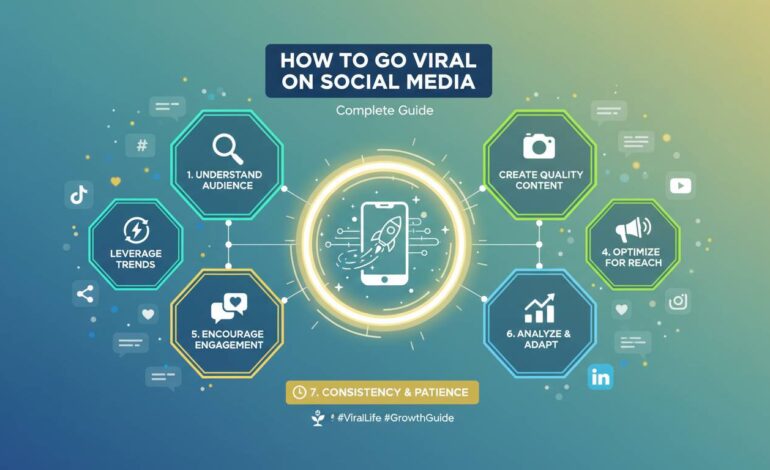
How to Go Viral on Social Media – Complete Guide

The social media landscape changed dramatically in 2024 and has kept evolving. Algorithms now prioritize authentic engagement over follower counts, new platforms are gaining ground, and the old playbook barely works anymore. If you want to grow your digital presence this year, you need to understand what’s actually happening now—not what worked two years ago.
This guide covers the strategies, tools, and psychology behind viral content in today’s social media environment. It’s written for creators, brands, and marketers who want real results, not just theory.
How Social Media Algorithms Work in 2025
The algorithms that determine what people see have changed a lot. Older systems rewarded posting frequently and growing your follower count. That’s no longer how it works. Today’s algorithms care about meaningful interactions and whether your content actually provides value to viewers.
TikTok still dominates when it comes to discovering new creators. Its algorithm can take someone with almost no followers and put their video in front of millions of people. But now it weighs watch time and engagement much more heavily. If people stop watching after two seconds, your content gets buried.
Instagram introduced AI-driven recommendations that push content to people who don’t follow you. The platform wants users to discover new accounts, so your posts can reach strangers even if you only have a hundred followers.
Meta (Facebook and Instagram) built their ranking system around what they call “meaningful social interactions.” Comments, shares, and saves matter more than likes. A post that sparks a conversation in the comments gets far more reach than a post that just collects likes.
YouTube now penalizes clickbait. If your thumbnail and title promise something but your video doesn’t deliver, your watch time drops and the algorithm stops promoting you. Viewer retention and satisfaction scores directly impact whether your content gets recommended.
Here’s something most people don’t realize: platforms now use machine learning to predict how content will perform before it gains traction. Engagement in the first 30 minutes—comments, especially—carries enormous weight. The same goes for shares in the first hour. Understanding this lets you time your posts strategically and structure your content to generate early engagement.
Why Some Content Goes Viral
Viral content taps into basic human psychology. That’s the real reason some posts spread while others with similar production quality and timing flop.
The emotions that drive sharing are awe, laughter, anger, and sadness. These create physiological responses that motivate people to pass content along. Awe is the most powerful—content that makes people feel wonder gets shared at the highest rates across every platform.
Story structure matters more than most people realize. A clear arc—problem, tension, resolution—keeps viewers watching until the end. Completion rate is a critical metric that algorithms track and reward. If people abandon your video halfway through, the algorithm takes notice.
The “hook” is essential. You have three seconds to grab attention in a video, or two lines in a caption. In a feed where people scroll endlessly, if you don’t hook them immediately, you’re invisible.
Identity and belonging are huge drivers in 2025. People share content that lets them express their values, affiliations, or sense of humor. When you share something, you’re signaling something about yourself to your network. This is why niche content—stuff that speaks to specific subcultures and communities—often achieves unexpected viral success. It gives people social currency.
Platform-by-Platform Strategy
Each platform requires a different approach. What works on TikTok won’t necessarily work on LinkedIn.
TikTok is still the fastest path to viral growth. The algorithm gives new creators a legitimate shot at reaching millions. Videos between 21 and 34 seconds get the best completion rates, though 60- to 90-second videos work well for certain niches. Trending sounds boost discoverability, but original audio that generates strong engagement gets rewarded too. Post three to five times daily if you want the fastest growth—but never sacrifice quality for quantity.
Instagram Reels now directly competes with TikTok, especially for users aged 25 to 44. The algorithm heavily favors Reels content, so creators who focus on video see much higher reach than those posting static images. Clear calls-to-action matter here—Instagram rewards content that drives profile visits and follows.
YouTube Shorts became a serious competitor in 2025. It benefits from YouTube’s massive search infrastructure and the ability to promote long-form content through Shorts and vice versa. Creators who use both formats together see compounding growth. Monetization options improved significantly, making it viable as a primary platform if revenue matters to you.
LinkedIn transformed into a powerful platform for professional content and thought leadership. Text posts, document carousels, and video all work. The algorithm values substantive comments that add real value to discussions. Career development, industry insights, and business leadership content performs best—the professional context shapes what works.
Content Formats That Actually Work in 2025
The best-performing content in 2025 shares traits: optimized for mobile, works with sound off, and hooks viewers quickly.
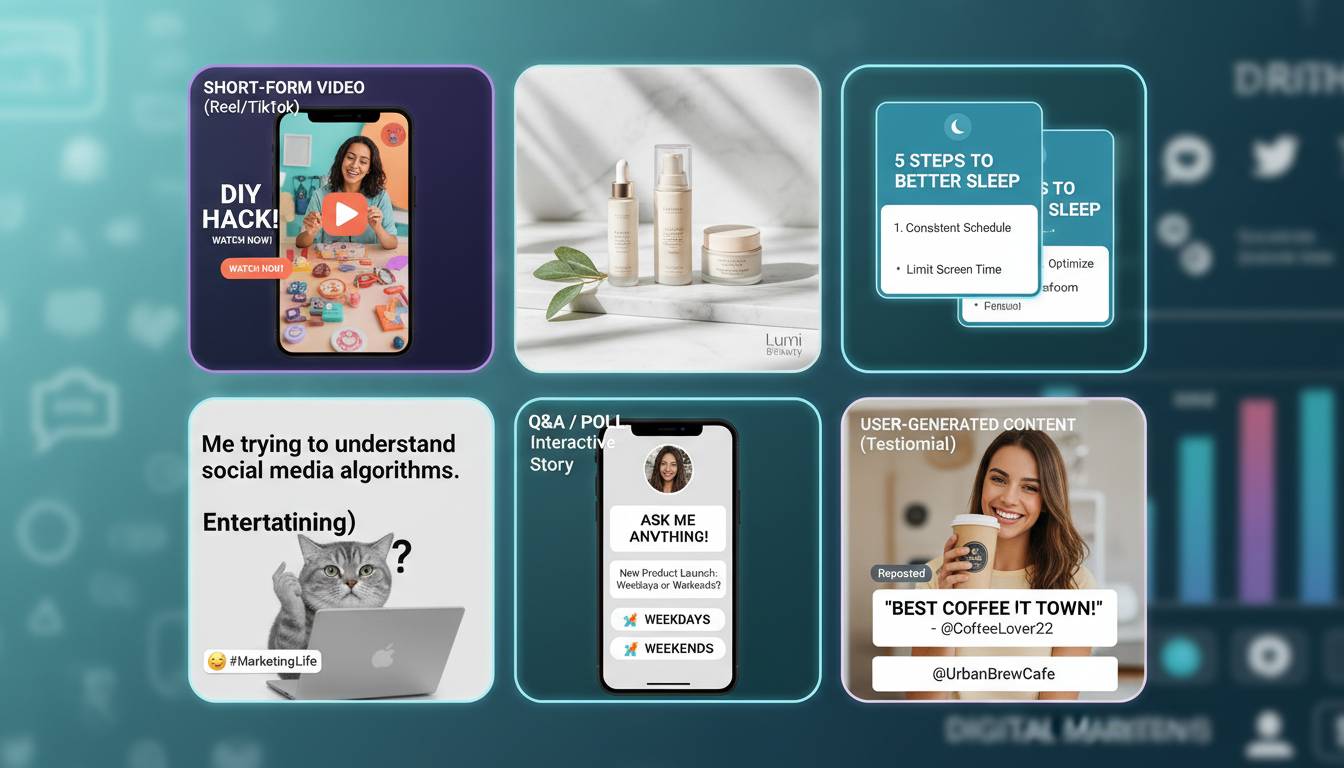
Short-form video dominates everywhere, but it’s evolved. The format now includes more sophisticated storytelling and higher production values while still feeling authentic.
Educational content consistently outperforms pure entertainment. When viewers learn something useful, they share it because they’re giving value to their network. How-to content, life hacks, and informational graphics do exceptionally well—especially when they address common pain points or correct widespread misconceptions.
Behind-the-scenes content and authenticity-focused posts remain popular. Audiences want genuine connection, not polished corporate messaging. “Lo-fi” content—high quality but feeling spontaneous—reflects this shift. That said, production quality still matters. The balance simply moved toward authenticity.
User-generated content and community participation posts generate high engagement because they turn passive viewers into active participants. Contests, challenges, polls, and interactive formats that ask audiences to contribute consistently outperform one-way broadcasts.
Building a Sustainable Viral Strategy
Going viral once is luck. Building sustainable viral growth requires planning and systematic execution. The most successful creators treat viral content as a repeatable process, not a lottery ticket.
Posting consistently matters. Establish a rhythm your audience can anticipate. This signals reliability to both algorithms and human followers. Consistency isn’t just about frequency—it’s about visual branding, tone of voice, and themes that create a coherent identity.
Community building became the foundation of sustainable success. Creators who genuinely engage with their audiences through comments, DMs, and community features see higher loyalty and engagement over time. Your community becomes an amplification network, organically sharing your content and defending you during viral moments.
Cross-platform distribution maximizes reach while adapting content to each platform’s audience. Create “anchor content” once, then adapt it—turn a YouTube video into TikTok clips, Instagram Reels, and LinkedIn posts. This approach expands your footprint efficiently.
Frequently Asked Questions
What’s the best time to post for viral potential?
Optimal posting time depends on your platform and audience. Generally, peak hours work—typically 9 AM to noon and 7 PM to 10 PM in your audience’s time zone. But posting during less competitive hours can sometimes yield better results because there’s less content competing for attention. Check your platform analytics to find when your specific audience is most active.
Does follower count matter for viral reach anymore?
Not as much as it used to. Algorithms prioritize content quality and engagement over account size. Many viral hits in 2025 came from accounts with fewer than 1,000 followers. Meanwhile, accounts with millions sometimes see limited reach on individual posts. Focus on creating engaging content rather than chasing follower counts.
Do trends still help you go viral?
Trends still matter, but you need to adapt them thoughtfully. Successful creators put their unique spin on trends rather than copying them directly. Trends signal relevance to algorithms, but authenticity matters more than trend participation itself.
How can brands go viral without seeming fake?
Prioritize value-driven content over promotional messaging. The most successful viral brand campaigns focused on entertainment, education, or social commentary—not direct product selling. Be authentic by aligning content with your actual brand values and what your audience cares about. Don’t pretend to be something you’re not.
Why are comments so important for viral content?
Comments are among the most powerful engagement signals in 2025. Substantive discussion—comments longer than single words, responding to specific points—receives significant algorithmic preference. Encourage comments through questions, controversial takes, and direct calls-to-action.
Can you go viral without controversial content?
Yes. Controversial content can drive engagement, but it risks audience alienation, brand damage, and platform restrictions. Educational content, inspiring stories, humor, and valuable information go viral regularly without controversy. Focus on providing genuine value to your audience instead of chasing outrage.