TikTok Viral Songs 2025: Trending Hits You Can’t Miss

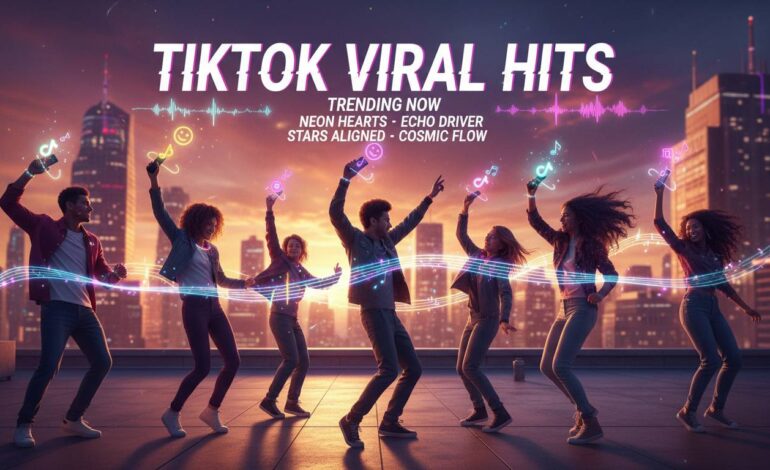
TikTok has completely changed how music gets discovered, promoted, and consumed. What started as a platform for short videos has become arguably the most powerful music discovery engine out there—it can take an unknown track and turn it into a global hit within days. As we move through 2025, keeping track of which songs are capturing the platform’s attention—and why they work—has become essential for artists, marketers, and anyone who just likes music.
This guide looks at what’s viral on TikTok right now, breaks down why certain songs take off, and explores what these trends tell us about where music discovery is headed.
How TikTok Drives Music Discovery in 2025
TikTok’s algorithm works differently than traditional music promotion. Radio playlists and streaming recommendations lean heavily on what you’ve listened to before. TikTok’s For You Page surfaces content based on engagement and how long people watch, which creates a kind of “discovery-first” model. When someone makes a video using a particular song, that audio becomes available for others to find and reuse. One person’s video can spark a chain reaction that turns a relatively unknown track into something global within weeks.
The platform’s audio library has millions of tracks, from major label releases to bedroom recordings by independent artists. The algorithm treats all of them roughly equally when measuring viral potential. A song’s path to virality usually looks like this: first, a specific community or demographic picks it up; then, it spreads to broader groups through dance challenges and trending sounds; finally, it hits mainstream recognition—streaming numbers go up, radio starts playing it.
This discovery mechanism has shifted power in the music industry. Independent artists can now reach massive audiences without traditional label support, which was basically impossible ten years ago.
The money side has grown too. Sync licensing deals, brand partnerships, and streaming revenue are increasingly tied to how well something performs on TikTok. Major labels now build TikTok strategies into their artist development plans from the earliest recording stages, recognizing that a viral moment can generate millions in downstream revenue.
Artists and Genres Dominating the Platform
The musical landscape on TikTok in 2025 mixes established pop stars, rising independent musicians, and genre-bending collaborations that probably wouldn’t find mainstream audiences through traditional channels. Pop music still has a strong presence—big releases from chart-topping artists immediately generate viral moments through dance challenges. But the platform has also proven surprisingly open to genre diversity. Hip-hop, electronic, Latin music, and indie artists all find substantial audiences through strategic content creation.
Dance music and electronic genres have grown significantly on TikTok during 2025. Producers and DJs have figured out that the platform rewards drops, build-ups, and memorable melodic hooks that work well in 15-second clips. The viral songs in 2025 show more collaboration between electronic artists and mainstream pop performers, creating hybrid tracks that appeal to both dance music fans and casual listeners.
Independent artists have also held their ground. Many use TikTok as their primary marketing channel instead of going through the traditional industry pipeline. Some artists now create music specifically optimized for what the algorithm tends to promote—incorporating audio characteristics and structural elements that work in short-form video.
The Science Behind Viral Audio
Why do some songs go viral while others with equal or better musical quality fail to gain traction? It comes down to specific audio characteristics that resonate with TikTok’s user base. Music producers and marketers have identified several elements that tend to predict viral potential: immediately recognizable intros, repetitive hooks that stick after minimal exposure, and emotional resonance that makes people want to create personal narrative content around the audio.
The best song structure for TikTok favors simplicity over complexity. Verse-chorus-verse arrangements let content creators establish context quickly before reaching the most shareable parts. Songs that work well often have distinctive sound design—unusual percussion patterns, unexpected melodic turns, or production techniques that create immediate sonic interest and help videos stand out in a crowded feed.
Tempo and key matter too. Moderate-tempo tracks in accessible keys tend to perform best for general content creation, while faster tempos suit dance challenges and high-energy content. The 100-120 BPM range has been particularly fertile for viral hits—enough rhythmic energy for dynamic content while staying accessible for casual listeners to engage with and recreate.
Impact on the Broader Music Industry
The effects of TikTok virality go well beyond the platform itself, influencing chart performance, touring demand, and the economics of the music business. Tracks that go viral on TikTok consistently outperform in streaming metrics—many songs see 500% or greater increases in streams within the first week of viral discovery. This pattern has made TikTok performance a key metric for predicting commercial success. Industry professionals increasingly treat platform virality as a leading indicator of mainstream potential.
Record labels have responded by restructuring their promo operations. Many now have dedicated TikTok teams tasked with identifying potential viral content and developing strategies to maximize organic reach. The traditional release timeline—where artists would build toward a launch date through press and radio promotion—has evolved to include TikTok-specific strategies that often start before a song is even officially released, building anticipation through snippet previews and influencer seeding campaigns.
The touring and live music sectors have felt the influence too. Promoters and venue operators increasingly use platform data to inform booking decisions and gauge demand. Artists who go viral often see immediate increases in touring inquiries and performance fees, sometimes transforming from local acts to nationally recognized names within months.
Creating Your Own TikTok Music Strategy
For musicians and content creators looking to leverage TikTok’s discovery capabilities, developing a strategic approach to audio selection and creation has become essential. Understanding which existing songs might suit your content niche, while also considering how original music could be designed to appeal to broader audiences, requires balancing creative instincts with awareness of platform trends.
The most successful TikTok strategies usually involve a mix of leveraging existing viral audio and contributing original content to the platform’s ecosystem. Artists who treat TikTok as a creative lab—testing new material, watching what gets engagement, and iterating based on audience response—often develop more commercially viable catalogs than those who just release music without engaging on the platform. This feedback loop between creator and audience has made TikTok an invaluable market research tool, providing real-time insights into listener preferences that would otherwise require expensive traditional research.
Frequently Asked Questions
What songs are going viral on TikTok right now?
The most viral songs in 2025 span multiple genres. Trending tracks usually have memorable hooks, danceable rhythms, and emotional resonance. Pop releases from major artists, hip-hop collaborations, electronic drops, and emerging independent musicians all find audiences. Checking TikTok’s trending sounds section gives real-time updates on what’s gaining momentum.
How do songs become viral on TikTok?
Songs go viral through a combination of algorithmic promotion and user-driven content creation. When users create engaging videos using a particular audio clip, the algorithm surfaces that audio to broader audiences. Successful viral songs typically inspire thousands or millions of user-generated videos, creating exponential exposure that translates to mainstream chart success.
Can any song be used on TikTok?
TikTok has licensing agreements with major record labels and publishers that cover most commercially released music, allowing users to include these songs without individual licensing concerns. Some copyrighted material may be restricted or subject to monetization. Independent artists often actually encourage TikTok use of their music as a promotional strategy.
How can I find new viral songs before they become popular?
Monitoring TikTok’s Discover page, following trending audio creators in your niche, and paying attention to emerging sounds in genres you like can help identify potential viral tracks early. Music industry publications and TikTok marketing analysts also provide trend forecasts.
Do artists get paid when their songs are used on TikTok?
Yes. TikTok has licensing agreements with rights holders that generate royalty payments when their music is used on the platform. Per-use payments are small individually, but viral songs can generate substantial cumulative revenue and often drive significantly higher streaming income on Spotify and Apple Music.
What’s the best way to use trending songs in my content?
Success on TikTok usually comes from engaging with trending audio in authentic, creative ways rather than just copying existing content. Adding unique perspectives, personal narratives, or creative interpretations to trending sounds helps content stand out while benefiting from the algorithmic boost that trending audio provides.
Conclusion
TikTok has permanently changed how the music industry discovers and promotes artists, creating unprecedented opportunities for those willing to engage with the platform’s ecosystem. As we move through 2025, the combination of algorithmic discovery, user-generated content, and viral audio sharing continues to reshape what it means for a song to achieve commercial success. Whether you’re an artist trying to build your audience, a marketer working in music, or someone who just likes staying current with cultural trends, understanding how TikTok viral songs work gives you insight into where music discovery and consumption are headed.