TikTok Viral Content: Proven Strategies That Actually Work

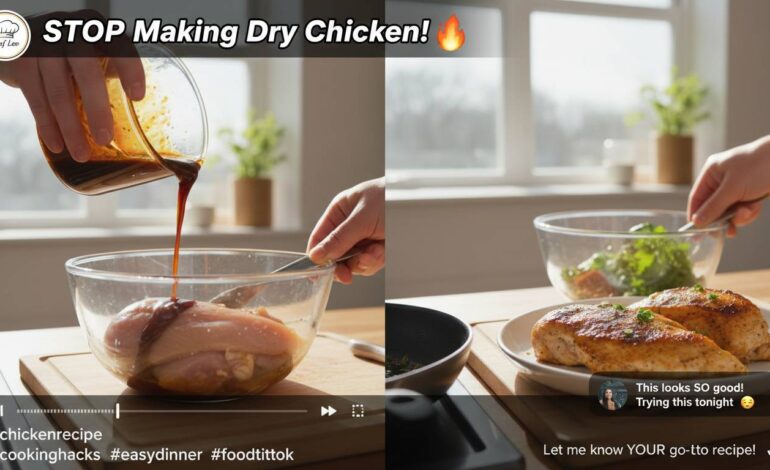
TikTok isn’t like other social platforms. Even if you have 50 followers, your next video could hit a million views. The algorithm doesn’t care about your follower count—it cares about whether people actually watch. That’s the whole game right there.
How the TikTok Algorithm Actually Works
TikTok’s For You Page is a testing machine. When you post something, it shows your video to a small group of people—maybe a few hundred. If those people watch the whole thing, comment, share it, or save it, the algorithm takes notice and shows it to more people. If they do the same, it scales up again. This happens fast, sometimes within hours.
What matters most to the algorithm is video completion rate. TikTok wants people to keep scrolling, so it rewards videos that hold attention from start to finish. Likes matter too, but not as much as watch time and shares. A video with fewer likes but a higher completion rate will outperform one with more likes but lots of people dropping off halfway through.
Here’s what this means in practice: your follower count barely matters. A brand new account can go viral on their first post if the content is compelling. Conversely, a creator with a million followers can post something that tanks because it doesn’t perform well with the initial test audience.
Hooking People in the First 3 Seconds
Three seconds. That’s all you get before someone decides whether to keep watching or swipe. If your opening is weak, the algorithm won’t even get enough engagement data to know your video is worth showing to more people.
Strong hooks work because they create urgency or curiosity. You can do this by:
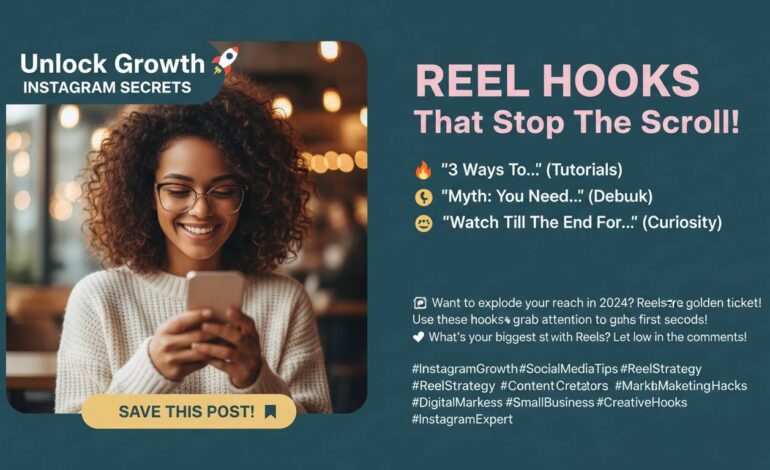
- Starting with something unexpected—a visual surprise, a dramatic moment, a bold claim
- Asking a question that makes people want the answer
- Telling viewers exactly what they’ll learn or get from the video
The best creators plan their hooks first, then build the rest of the video around them. Some even film multiple openings and pick whichever feels strongest.
Using Trending Sounds the Right Way
Music and sound are huge on TikTok. When a sound goes viral, thousands of people use it, and TikTok actively surfaces those videos to people who have engaged with that sound before. Using a trending sound gives you an automatic boost in discoverability.
The trick is speed. When you hear a sound starting to take off, use it quickly—within the first day or two. Once a trend peaks, the algorithm has already shown it to most people who care, so the boost fades.
You can find trending sounds on the Discover page or in the audio browser when you’re creating a post. Pay attention to which sounds are just starting to gain traction, not ones that have already been used millions of times.
Making original sounds that others want to use is another path to reach. If you create a sound that other creators adopt, they bring their audiences to you.
Hashtags: Use Them Wisely
Hashtags help with discovery, but they’re not as critical as people think. A few relevant hashtags work better than a long list of generic ones.
Mix broad tags (#fyp, #viral) with specific ones related to your content. Broad tags get you in front of more eyes but you’re competing with millions of videos. Niche tags reach smaller but more interested audiences.
Two to five hashtags is usually enough. Some viral videos have no hashtags at all because the content itself was compelling enough.
When to Post
Your video performs better when more of your target audience is actually online. The exact timing depends on who your viewers are and where they live.
Check your TikTok analytics to see when your followers are most active. That’s more useful than generic advice about “best times to post.” If your audience is mostly in the US, evening hours EST tend to work well. If they’re in Asia, adjust accordingly.
There’s one exception: trends. If something is breaking and you can make relevant content fast, post immediately—even if it’s 3am. Catching a trend at its peak matters more than posting at your usual optimal time.
Making Content People Actually Engage With
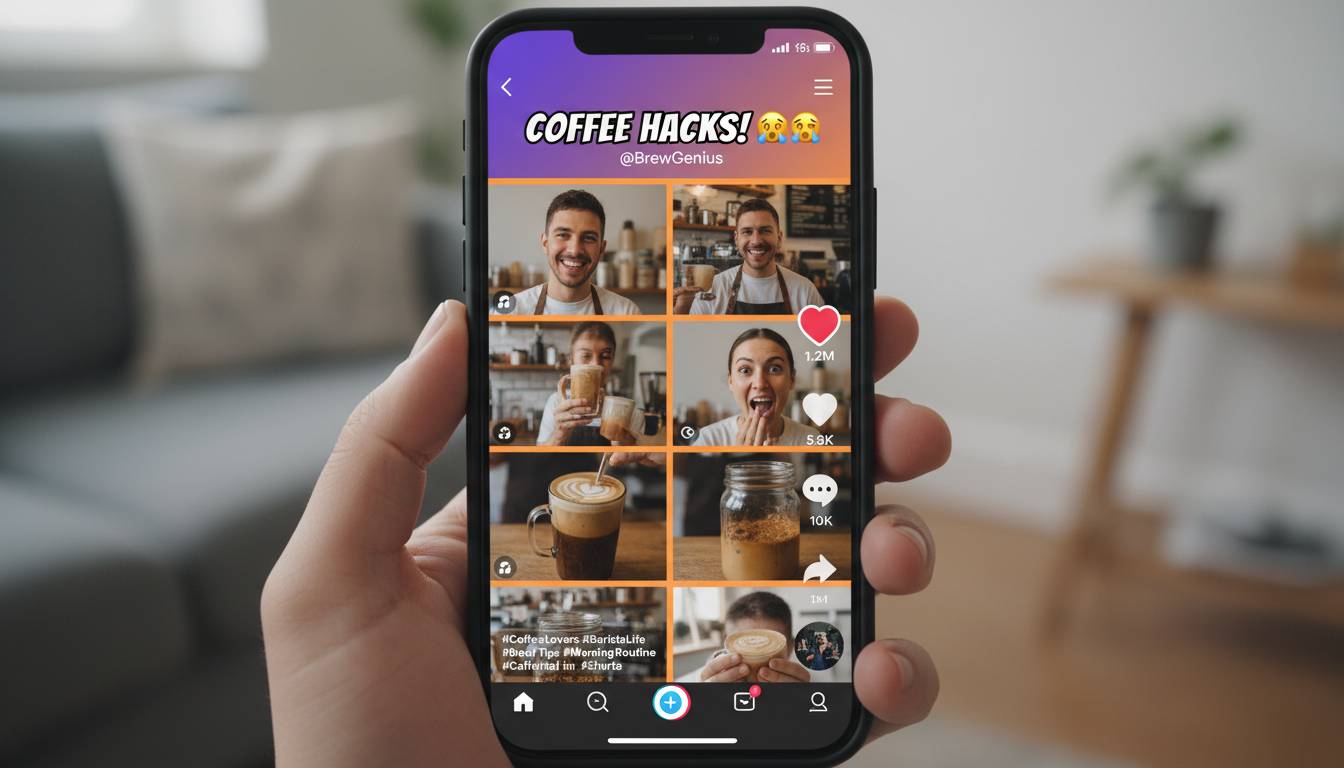
The algorithm promotes content that gets comments, shares, and saves. You can design for this without feeling manipulative.
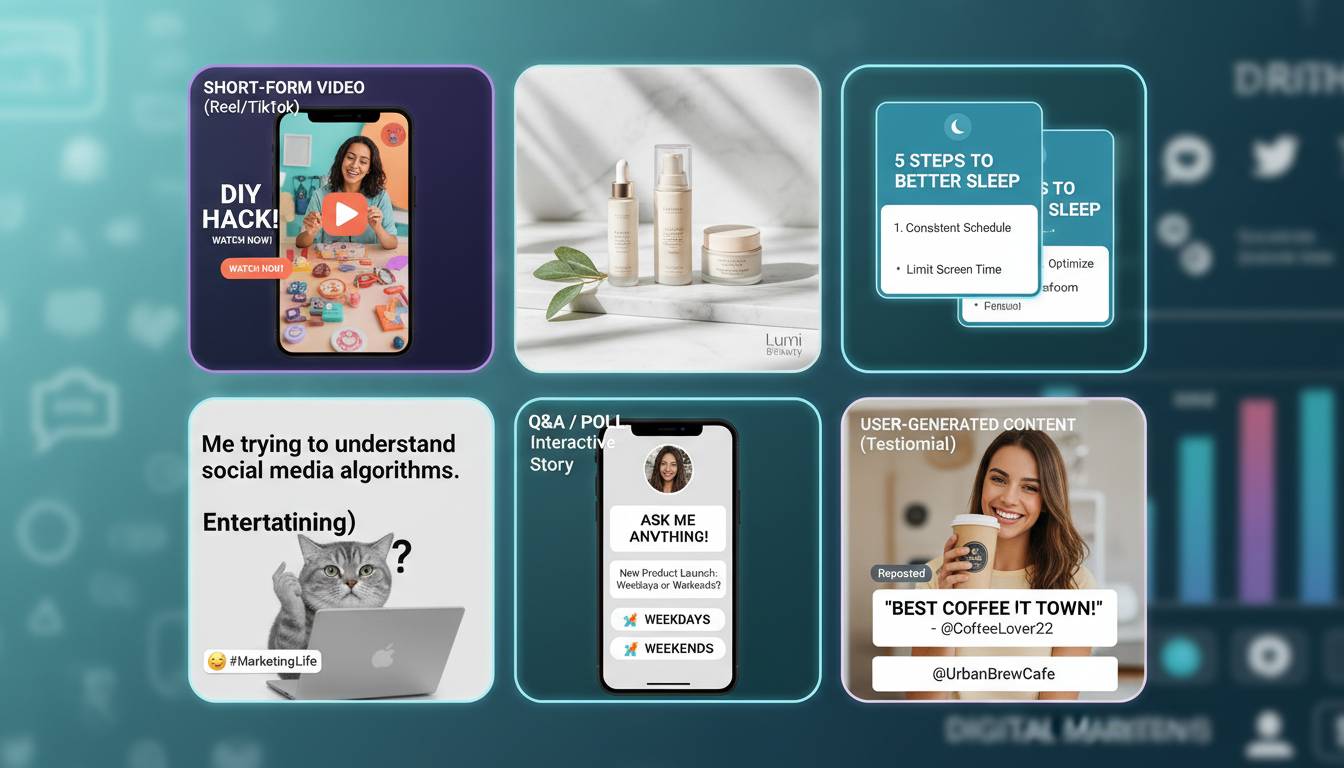
Ask questions. People comment when they have something to say. Ask for opinions, experiences, or advice.
Be controversial—slightly. Taking a stance on something divisive generates discussion. You don’t want to be inflammatory, but touching on topics where people have different views encourages engagement.
Provide real value. Educational content, useful tips, things people want to save for later—these earn shares because people want to send useful things to friends.
One thing that doesn’t work well anymore: engagement bait like “like if you agree” or “comment ‘yes’ below.” The algorithm has gotten better at spotting this, and audiences can tell when it’s forced.
Borrowing What Works (Without Copying)
You don’t have to invent every idea from scratch. Look at what’s going viral in your niche. What formats are working? What’s the structure? Why do you think people are responding to it?
Once you understand why something worked, put your own spin on it. Use the same format but apply it to your topic, your style, your perspective. This is iteration, not copying—it lets you benefit from proven concepts while staying authentic.
Adding a twist helps. If a certain type of video is popular, find a way to do it differently. New angle, unexpected element, fresh take. That’s what makes people pay attention to your version instead of scrolling past yet another clone.
Posting Consistently
The algorithm favors creators who post regularly. More posts mean more chances for something to take off. It also signals that you’re active and worth following.
How much should you post? Successful creators often do multiple videos per day, but quality matters. A few solid videos daily beats ten mediocre ones. Find a pace you can sustain—maybe 3-5 videos to start—and build from there.
Consistency also means consistency in what you create. Viewers should know what to expect from you. Your style, your topics, your voice—they should feel recognizable. This helps with both follower retention and the algorithm understanding when to show your content to new people.
Talking Back to Your Audience
Responding to comments matters. It builds community and it signals to the algorithm that you’re actively managing your content, which factors into how it’s distributed.
Duets and stitches—where other creators react to your content—are huge for growth. When someone with a larger following stitches your video, their audience discovers you. Creating content that invites reactions increases the odds this happens.
Building relationships with other creators in your space helps too. It’s not zero-sum; supporting each other’s work creates a rising tide.
Putting It All Together
Here’s the honest truth: there’s no formula that guarantees viral success. If there were, everyone would use it. What works is understanding the mechanics well enough to give yourself chances, then creating content that’s genuinely worth watching.
The algorithm rewards authenticity. People engage with content that makes them feel something—educated, entertained, validated, surprised. The technical tricks matter less than making something worth people’s time.
Post consistently, pay attention to what performs well, and keep adjusting. Viral moments are unpredictable, but creators who stick with it and learn from their results build audiences that last.
Common Questions
What makes content go viral on TikTok?
The algorithm looks at how long people watch, whether they finish the video, and how much they engage through comments, shares, and saves. Strong hooks, trending sounds, emotional resonance, and clear value to viewers all help.
How many views is viral on TikTok?
There’s no set number, but hitting a million views generally counts as viral. For smaller accounts, even 100K views can be a breakthrough. It depends on your normal performance too.
Why do some videos go viral and others don’t?
It comes down to engagement in that first testing window. Hook, watch time, relevance to trends, and audience response all play a role. Even creators with years of experience can’t predict exactly what will take off.
Can you go viral with no followers?
Absolutely. The algorithm tests content to new audiences regardless of follower count. Some of the biggest viral hits came from brand new accounts.
How long does it take for a TikTok to go viral?
Most viral content peaks within 24-48 hours. After that, the algorithm has already done most of its distribution. Some videos keep gaining momentum over several days, but the initial window is critical.
What kinds of content go viral most?
Educational content that simplifies something, entertainment that evokes emotion, trending challenges, relatable content people identify with, and videos with strong storytelling all perform well. The best viral content usually combines a few of these elements while feeling genuine.