Viral Social Media Trends 2024: What’s Taking Over Now

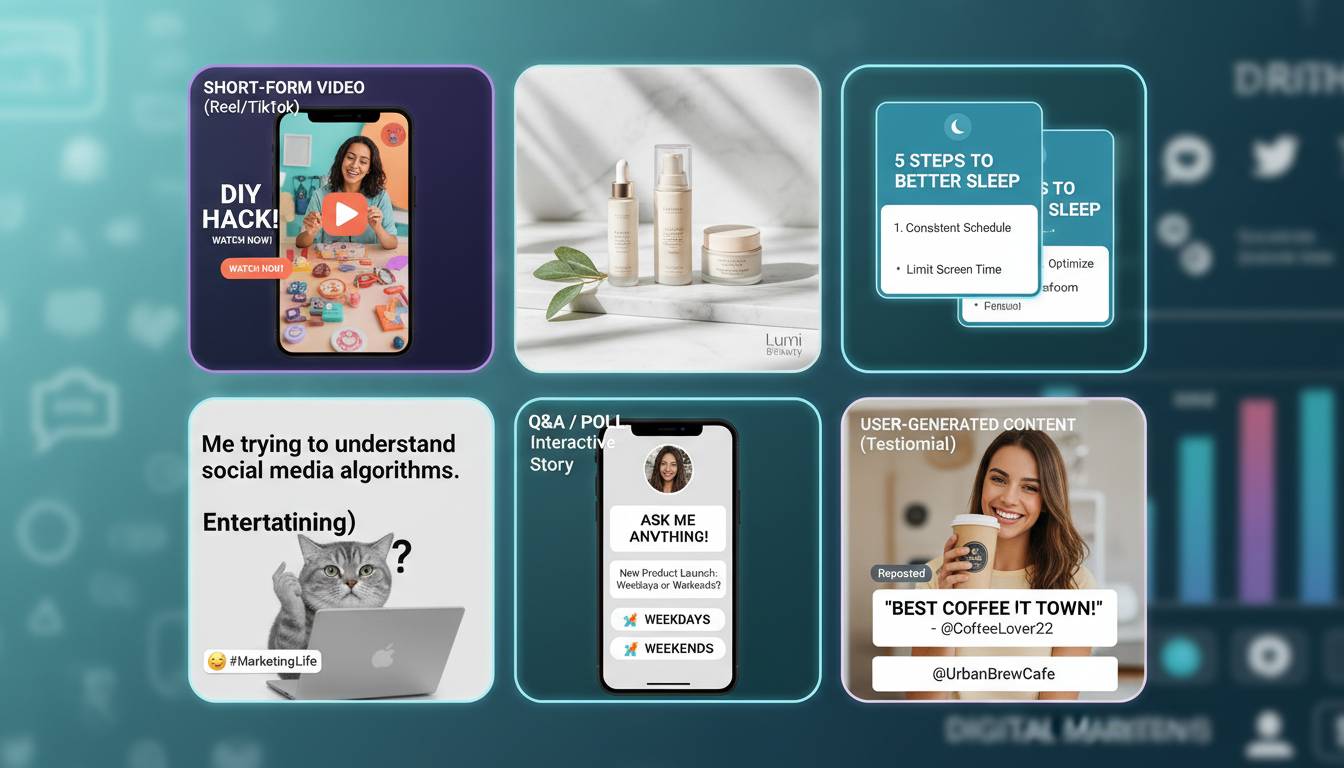
Social media changed a lot in 2024. Platforms keep tweaking their algorithms to prioritize engagement, which means follower counts matter less than how many people actually watch, like, and comment on your posts. If you’re marketing anything or trying to build an audience online, these shifts matter—they affect who sees your content and how hard you have to work to get in front of them.
This guide covers the biggest trends shaping viral content right now and gives you practical ways to use them.
Short-Form Video Keeps Winning
Short-form video dominates in 2024. TikTok, Instagram Reels, and YouTube Shorts all report massive engagement numbers. Videos under 60 seconds tend to get watched all the way through more often than longer ones—people scroll fast and bail quickly if content doesn’t grab them in the first few seconds.
Users now spend about 90 minutes daily on short-form video, up from around 70 minutes last year. That’s a lot of viewing time, and platforms are fighting hard to capture more of it.
Each platform keeps adding features to keep people watching. TikTok’s “For You” page still leads for discoverability—if TikTok’s algorithm decides your video is worth showing, it can get millions of views fast. Instagram pushed Reels everywhere: the main feed, Explore, Stories, you name it. YouTube Shorts grew quickly too, pulling from YouTube’s existing creator base and massive user pool.
What works: hook viewers in the first three seconds, use trending sounds, and deliver something useful or entertaining quickly.
AI Tools Are Everywhere Now
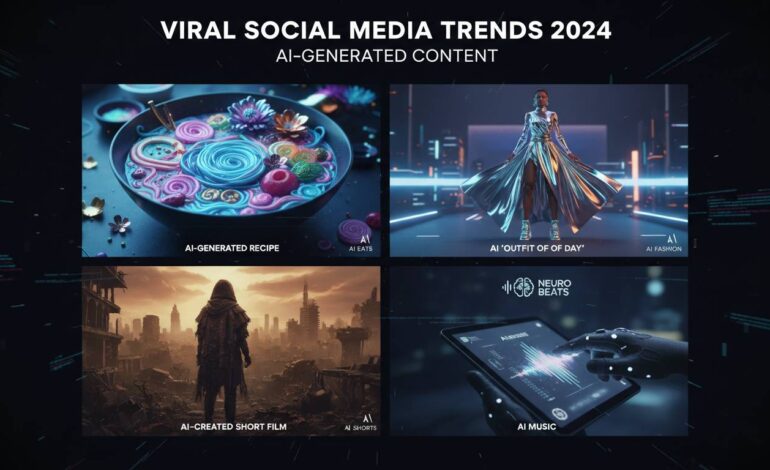
AI became a regular part of content creation this year. Writers use it for captions and post ideas. Video editors use it for cutting footage faster. Some creators even use AI to brainstorm trending topics or figure out when to post.
Platforms got in on this too. Instagram added AI-powered background removal and caption suggestions. TikTok introduced AI tools that analyze what’s trending and recommend optimal posting times.
Here’s the thing though: audiences can tell when something feels robotic. The most successful creators use AI to handle tedious parts of the work while keeping their actual personality front and center. That raw, slightly unpolished authenticity? People respond to that more than overly produced content.
TikTok Still Leads the Pack
TikTok drives trends that then spread to other platforms. That’s been true for years and it didn’t change in 2024.
The platform’s “Series” feature lets creators post longer videos (a few minutes) and charge for access. It’s TikTok’s way of keeping established creators happy while also attracting people who want to build real businesses on the app.
TikTok Shop took off in a big way. Product recommendations in viral videos actually convert—brands noticed and started spending more on creator partnerships. If you’re selling something, TikTok’s shop features make the platform worth taking seriously.
Music discovery still works uniquely on TikTok. A song that blows up in a viral video often charts on Spotify and Apple Music weeks later. Artists and labels now treat TikTok as essential for promoting new releases.
Instagram Got Serious About Reels
Instagram made it clear: if you want reach, you need to post video. The algorithm now limits reach for accounts that stick to only photos and Stories. The platform basically forced everyone to become video creators whether they wanted to or not.
New analytics tools help creators understand who’s watching and when. Instagram also expanded monetization options—bonuses for good Reels performance, better affiliate marketing tools, more ways to get paid directly from the platform.
Visual storytelling got more creative. Transitions, text overlays, dynamic camera work—creators push these techniques harder now because the feed is so crowded with video. Standing out requires effort.
One big change: Instagram’s algorithm now emphasizes recommended content over follower-based feeds. That means new creators can go viral without existing audiences. It’s harder to coast on follower count alone.
YouTube Shorts Is a Real Competitor
YouTube Shorts grabbed serious market share. Billions of daily views. The advantage YouTube has: it easily connects Shorts to long-form videos on the same platform. Creators can hook people with a 30-second clip and then point them to a 20-minute video for more.
YouTube committed serious money—a $100 million creator pool specifically for Shorts engagement. That drew established creators from TikTok and Instagram who wanted to diversify their income.
Live streaming inside Shorts also expanded. Brief, interactive sessions let creators connect with audiences in real-time without committing to full-length streams.
Communities Matter More Than Ever
Viral moments increasingly come from collective participation, not solo creators. Challenges, hashtag trends, and user-participation campaigns generate way more engagement than branded content that just sells something.
Creators started forming clusters—groups of creators who regularly collaborate, cross-promote, and work on joint projects. These connections get rewarded by algorithms that prioritize content with strong social engagement. It’s not just about what you post; it’s about who you know and whether your content sparks conversation.
User-generated content keeps proving its value. Brands that feature customer photos, videos, and testimonials get better results than brands that only post polished marketing material. People trust other people more than corporations.
Niche Communities Are Flourishing
Mainstream platforms still dominate overall usage, but smaller, focused communities grew significantly in 2024. Discord servers, private Facebook groups, and specialized apps where people with specific interests gather attracted highly engaged users. These people actually participate instead of just passively scrolling.
Even within big platforms, micro-communities gained influence. Hashtags and content categories created subcultures with their own language, inside jokes, and content formats. Being part of something exclusive feels more authentic than generic mainstream content.
Creators who built dedicated communities report steadier engagement, more predictable reach, and better monetization than those chasing massive but passive follower counts. Depth beat breadth this year.
Bottom Line
The social media trends of 2024 reflect a space that’s maturing. Short-form video keeps evolving. AI tools get better at helping (and sometimes replacing) traditional content work. Platforms compete fiercely for creator loyalty with better monetization features.
The creators and brands doing best? They figured out how to work with algorithms without losing their actual voice. Optimizing for the algorithm matters, but so does making something worth watching. People connect with people, not content strategies.
Staying aware of what’s working matters, but so does developing something sustainable. Burnout is real in this space. Building something you can maintain long-term beats chasing every new trend.
Frequently Asked Questions
What’s the biggest social media trend in 2024?
Short-form video still dominates. TikTok, Instagram Reels, and YouTube Shorts drive the most engagement. AI tools for content creation and community-driven content also shaped the year significantly.
How do I make content go viral in 2024?
Hook viewers in the first three seconds. Use trending sounds and formats. Post when your audience is active. Reply to comments—algorithms reward engagement. Authenticity outperforms polish. People connect with real personality, not corporate smoothness.
Which platform has the most viral potential?
TikTok probably leads for new creators because its algorithm can expose your content to millions without requiring an existing follower base. That said, YouTube Shorts and Instagram Reels work well if you’re already established on those platforms.
Is AI content good for social media?
AI helps with efficiency—generating caption ideas, editing faster, researching trends. But audiences notice when content feels soulless. The best approach: use AI for the tedious parts while keeping your actual perspective and personality in the final product.
How important is consistency?
Important, but don’t sacrifice quality for quantity. Most successful creators post multiple times per week on their main platform, but sustainable schedules beat burning out. Figure out what you can maintain and build from there.
Why do communities matter for viral content?
Challenges, collaborations, and user-generated campaigns generate way more engagement than solo branded posts. Building a loyal community gives you more stable reach and better monetization options than chasing huge but disengaged follower counts.