Best Social Media Platforms for Business – Complete Guide

Social media isn’t optional for businesses anymore—it’s essential. With nearly 5 billion users worldwide, the right platform choice can drive visibility, engagement, and revenue. But with each platform offering different audiences, formats, and algorithms, picking the wrong one means wasting time and money. This guide breaks down the major platforms to help you invest wisely.
Why Social Media Platforms Matter for Modern Business
Social media has evolved from a personal communication tool into a serious business asset. Here’s what the data shows: 77% of small businesses use social media to attract customers, and 54% of social browsers research products on these platforms before buying. For every dollar spent on social advertising, businesses report an average of $2.80 in revenue.
Beyond direct sales, these platforms handle brand building, customer service, and market research. Consumers expect businesses to be responsive on the platforms they use. Companies that ignore this lose customers to competitors who got it right.
The catch: each platform works differently. A fashion brand might thrive on Instagram but see nothing from LinkedIn. A B2B software company needs decision-makers, not teenagers. Understanding these differences is what separates effective strategies from wasted budgets.
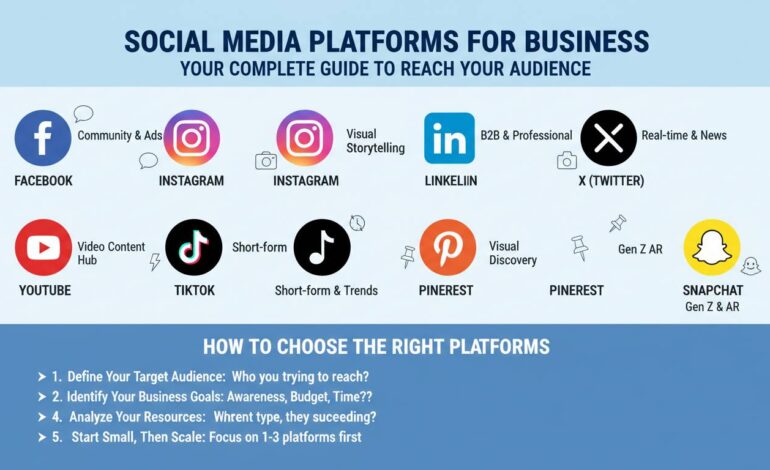
Top Social Media Platforms for Business: A Comparative Overview
| Platform | Monthly Active Users | Best For | Difficulty |
|---|---|---|---|
| 3.07 billion | Broad audience, local business | Moderate | |
| 2 billion | Visual brands, younger demographics | Moderate | |
| 930 million | B2B, professional services | Easy | |
| Twitter/X | 550 million | News, customer service, real-time | Difficult |
| TikTok | 1.5 billion | Gen Z audience, viral reach | Moderate |
| YouTube | 2.5 billion | Tutorials, long-form content | Moderate |
| 480 million | E-commerce, visual discovery | Easy |
Facebook: The Universal Business Platform
Facebook still dominates with reach across every demographic. Its advertising tools are sophisticated, with detailed audience targeting and multiple formats: posts, stories, live streams, and Marketplace listings.
The platform works for almost any business. Local restaurants use Facebook Pages for hours, reservations, and reviews. E-commerce brands set up shops directly on the platform. Service businesses generate leads through contact forms and Messenger.
The downside: organic reach has dropped over the years. Most businesses need to pay for meaningful visibility. The algorithm rewards content that sparks real interactions—comments, shares, saves—over simple likes. The best Facebook strategies focus on building community, not just posting promotions.
Instagram: Visual Storytelling for Brands
Instagram is the go-to for visually-driven brands. 60% of users discover new products here, and 80% follow at least one business. That’s direct access to shoppers.
The platform has grown from a photo app to a full business ecosystem. Instagram Shopping lets businesses tag products in posts for seamless purchasing. Reels drive viral reach—crucial for building awareness with younger audiences. Stories offer casual, ephemeral content that humanizes brands.
The challenge: quality matters. Instagram users expect polished images and video. Businesses without dedicated creative teams often struggle to post consistently enough. Shopping features work best for e-commerce; service businesses have fewer natural integration points.
LinkedIn: The B2B Powerhouse
LinkedIn has become the standard for B2B marketing and lead generation. With 930 million professionals, it offers unmatched access to decision-makers.
Companies use Company Pages to share industry insights and thought leadership. The publishing platform lets executives build authority—a key part of modern B2B sales. Recruitment marketing works here too, showcasing company culture to potential hires.
LinkedIn ads cost more per click than other platforms, but the targeting justifies it: job title, company size, industry, seniority level. These are exactly the parameters that matter for B2B. Sponsored content, InMail, and display ads each serve different goals.
The algorithm rewards substantive, professional content. Long-form posts that spark discussion get significant organic reach. Companies that treat LinkedIn as just a job board are missing major opportunities.
Twitter/X: Real-Time Engagement and Customer Service
Twitter (now X) is unique. Its fast-paced, real-time nature works well for news, updates, and customer service. Brands that master concise communication build direct relationships with customers and influencers.
The platform’s strength is conversation. Hashtags join broader discussions; reply chains enable meaningful exchanges. Crisis management teams often find Twitter invaluable—public responses demonstrate professionalism and transparency.
Challenges are real. Character limits demand brevity. The fast pace means content disappears quickly, requiring consistent posting. Ownership changes and policy shifts have created some uncertainty about the platform’s future.
TikTok: The Viral Discovery Engine
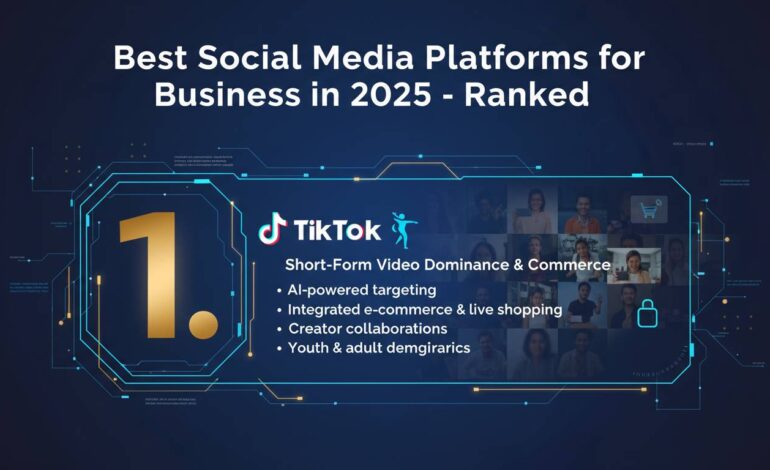
TikTok has changed how younger audiences discover content—and brands. With 1.5 billion monthly users, it offers massive organic reach, especially for reaching Generation Z.
The algorithm is different. Unlike platforms that prioritize follower counts, TikTok surfaces content based on performance. Compelling videos can go viral without any existing audience. This democratization doesn’t exist elsewhere.
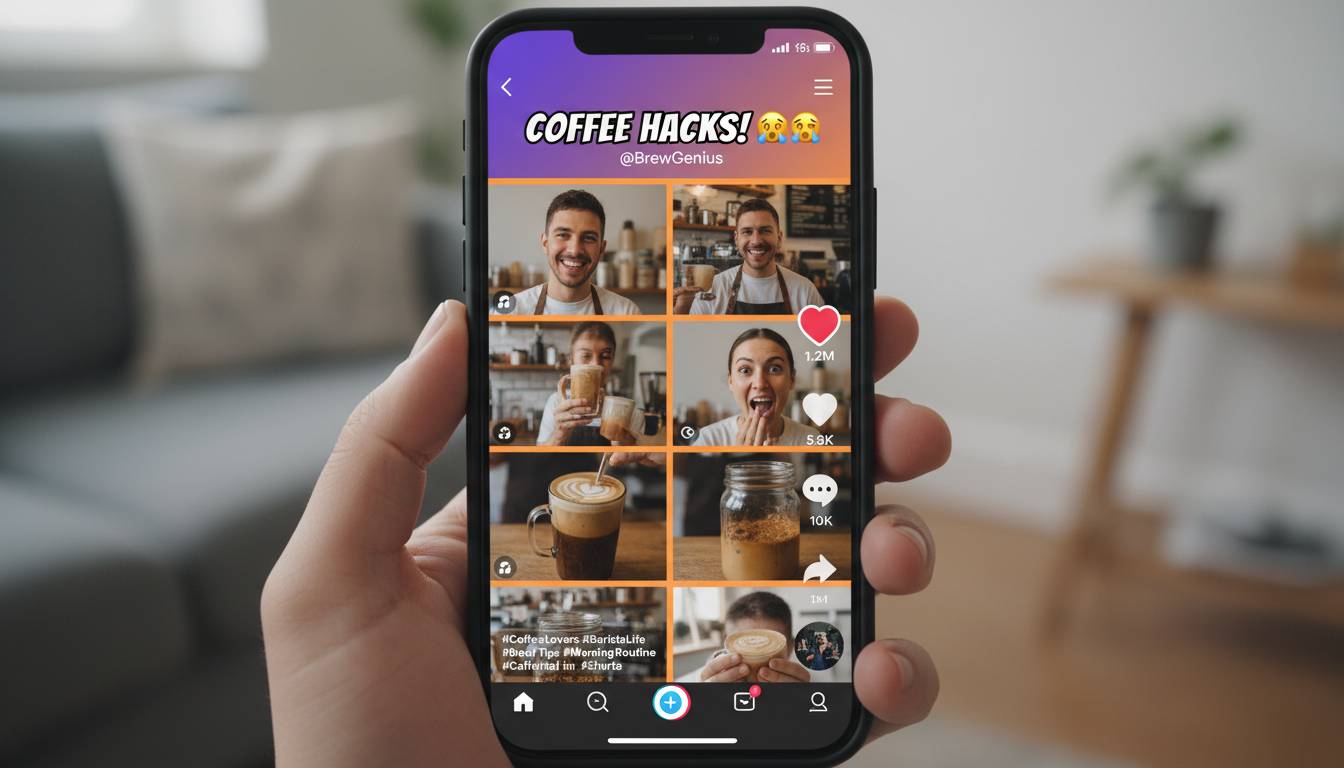
But short-form video requires a specific approach. TikTok users expect authenticity and humor. Polished corporate content usually fails. Businesses need to experiment and embrace the platform’s casual culture.
Commerce features are expanding. TikTok Shop is making it easier to sell directly on the app. E-commerce brands increasingly find it hard to ignore.
YouTube: Long-Form Content Authority
YouTube is the world’s second-largest search engine, handling over 3 billion searches monthly. For businesses willing to invest in video, it offers substantial returns through search visibility, evergreen content, and deep engagement.
YouTube serves many business goals. Tutorials establish expertise while capturing search traffic. Product demos, behind-the-scenes content, and testimonials each work at different buyer journey stages. Service businesses can position executives as authorities through long-form discussions.
Production investment is higher than other platforms. Quality matters—users expect good resolution, audio, and editing. But successful strategies compound: evergreen content keeps generating views and leads long after publication.
Pinterest: Visual Discovery for E-Commerce
Pinterest works differently. Users approach it with shopping intent, saving ideas for future purchases. This makes it especially valuable for e-commerce in home decor, fashion, food, and wedding planning.
The save-and-discovery model differs from feed-based platforms. Users curate personal boards around planned purchases. When ready to buy, they return to saved pins—a powerful upper-funnel channel that captures intent early.
Businesses use Rich Pins for product details directly in pins, including pricing and availability. Promoted Pins extend reach. Shopping features keep improving, making the path from inspiration to purchase smoother.
Choosing the Right Platform for Your Business
Picking the right platform requires honest self-assessment. Consider these factors:
Audience demographics must match platform users. Demographics vary significantly—a company targeting retirees won’t find TikTok useful; a startup pursuing young professionals may struggle on LinkedIn.
Content capabilities matter equally. Visual brands do well on Instagram and Pinterest. Companies with video resources can leverage YouTube and TikTok. Organizations with industry expertise should prioritize LinkedIn. Limited resources mean focusing on one or two platforms instead of spreading thin.
Industry context shapes effectiveness. B2B companies consistently perform best on LinkedIn. E-commerce brands see different results across Instagram, Pinterest, and TikTok. Local businesses benefit from Facebook. Hospitality and travel brands do well on Instagram.
Frequently Asked Questions
Which social media platform is best for small businesses with limited budgets?
Facebook and Instagram offer the strongest reach and advertising options for small budgets. Both provide free business tools: pages, insights, and Messenger integration. Start with one platform, build consistency, then expand. Quality on one platform beats weak presence across many.
How do I measure return on investment from social media marketing?
Track website traffic from social using UTM parameters, lead form submissions from social channels, direct sales through social commerce, and customer acquisition cost from paid campaigns. Establish baselines before launching campaigns. Most platforms provide native analytics that attribute conversions to engagement.
How many social media platforms should a business manage simultaneously?
Quality beats quantity. Most businesses achieve better results focusing on two or three platforms where their audience is most active. Managing more typically stretches resources thin and dilutes content quality. Expand only after establishing sustainable processes for existing channels.
What type of content performs best across social media platforms generally?
Content that provides value without immediate promotion performs strongest: educational posts, entertaining content, behind-the-scenes glimpses, user-generated content, and timely responses to trends. Platform-specific format matters—short-form video works on TikTok and Reels, while professional insights perform better on LinkedIn. Consistent posting and brand voice build audience expectations and loyalty over time.