Social Media Marketing Strategies 2024: Proven Tips That Work

The social media landscape shifted again in 2024. Platforms changed their algorithms, new features appeared, and user behaviors kept evolving. Marketing professionals now deal with an ecosystem where old approaches don’t automatically deliver results. This guide covers the social media strategies that are actually working this year—tactics businesses can use to strengthen their digital presence and drive real engagement.
Where Social Media Marketing Stands in 2024
Social media has become a core part of how businesses market themselves. Billions of people use these platforms, and brands have noticed. Advertising spending on social continues to climb, with companies dedicating larger portions of their budgets to platform-specific campaigns.
New content formats emerged in a big way—short-form video, interactive features, and AI-powered tools changed how brands connect with audiences. Marketing teams now juggle multiple platforms while trying to create content that actually resonates with their target customers.
What Works: 10 Strategies for 2024
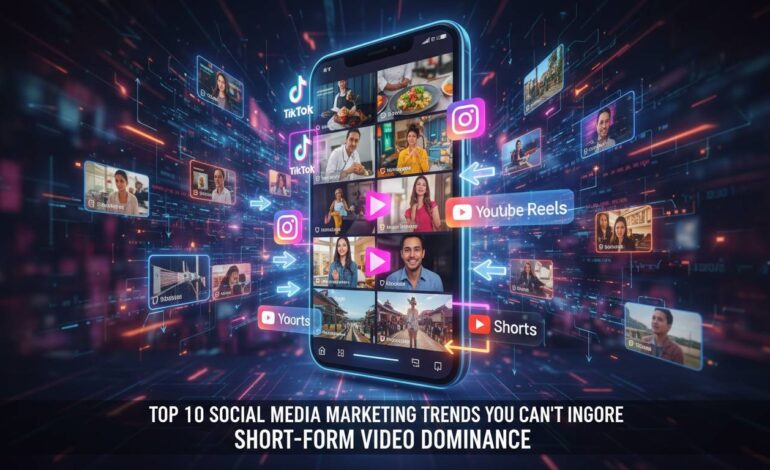
1. Short-Form Video Is King
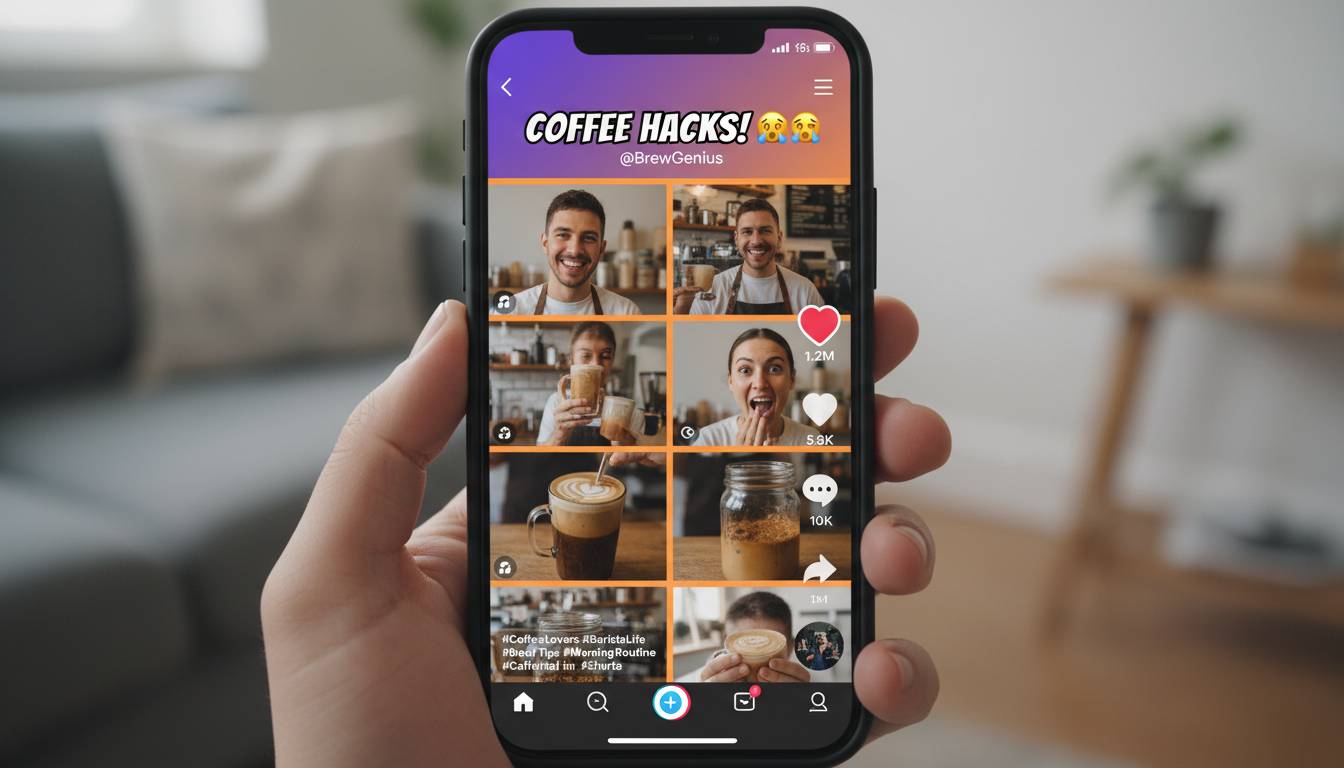
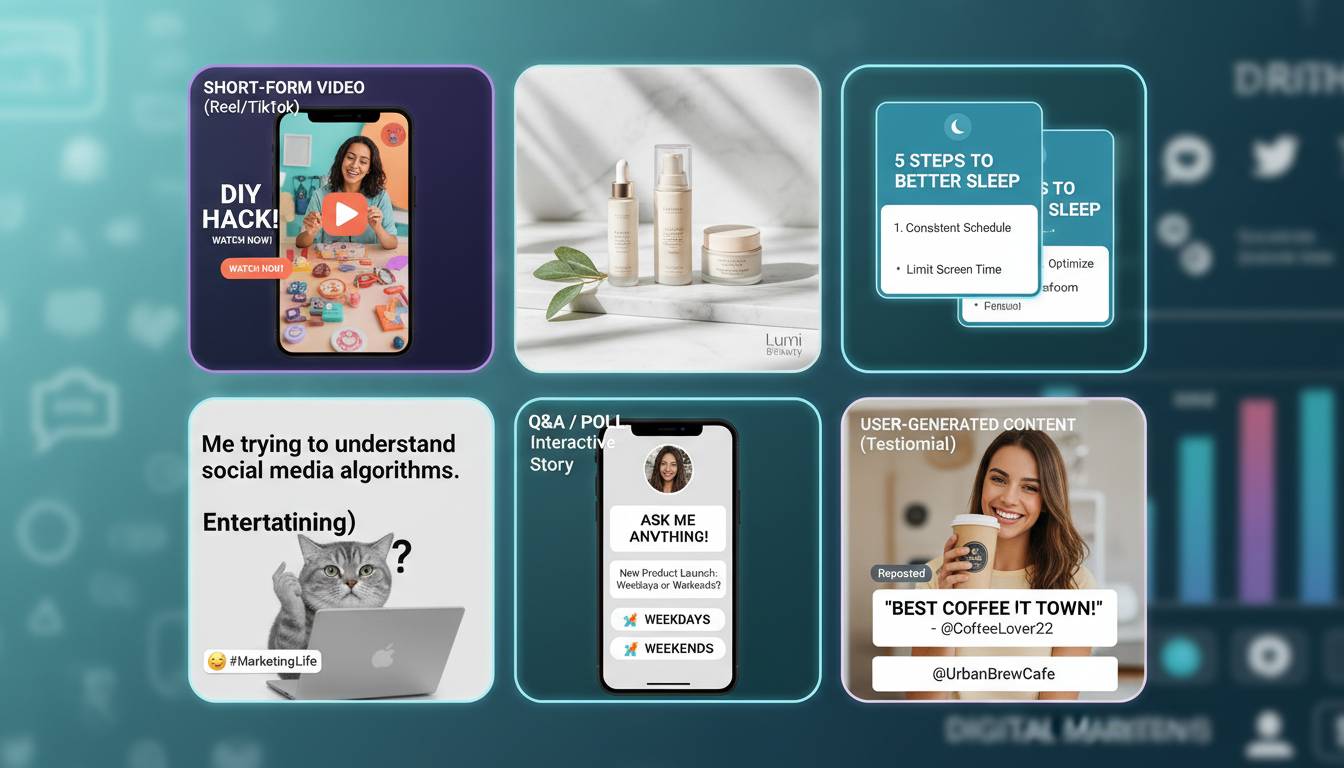
Short-form video dominates across TikTok, Instagram Reels, and YouTube Shorts. Engagement rates outpace static content by a significant margin. Brands that create compelling videos—whether entertaining, educational, or behind-the-scenes—see higher reach and more shares.
Success comes from understanding each platform’s specific quirks while keeping your brand voice consistent. Videos that spark emotion, deliver quick value, or show real personality tend to perform best.
2. AI Tools Are Actually Useful Now
AI has changed how marketing teams work. Tools now help with creating content, scheduling posts, targeting audiences, and analyzing performance. These technologies let teams make data-driven decisions without spending hours on manual tasks.
Chatbots have gotten much better at handling customer interactions at scale. The improvements in natural language processing mean conversations feel less robotic. Brands using AI strategically report faster response times and happier customers.
3. Community Beats Broadcasting
The brands seeing the best results focus on building real communities, not just pushing promotional messages. Content that gets people talking, participating, and engaging with each other generates stronger loyalty and better organic reach.
User-generated content, polls, Q&As, and branded hashtags create those participation opportunities. This approach boosts engagement metrics and gives you authentic material that connects better than polished marketing.
4. Be Consistent Across Platforms
Your brand needs to feel cohesive wherever people find you. That means keeping your visual identity and voice consistent while adapting content to fit each platform’s specific strengths.
Cross-promoting helps maximize what you create, but simply copying and pasting without optimizing for each platform usually falls flat.
5. Authenticity Matters More Than Polish
People can tell when brands are being fake. Modern consumers value honesty and expect real communication. Brands that share authentic stories, admit when they mess up, and engage honestly with feedback build stronger relationships.
This shift changed what kind of content works. Behind-the-scenes looks, employee spotlights, and real-time updates now perform well. The goal is making your brand feel human.
6. Influencer Partnerships Have Changed
Influencer marketing evolved. Brands moved away from one-off deals toward longer-term relationships. Micro and nano-influencers gained popularity because their audiences are more engaged and they feel more authentic.
Good influencer partnerships involve actual collaboration—the content should genuinely help the influencer’s followers while advancing your brand goals. Track engagement, conversions, and brand sentiment, not just reach.
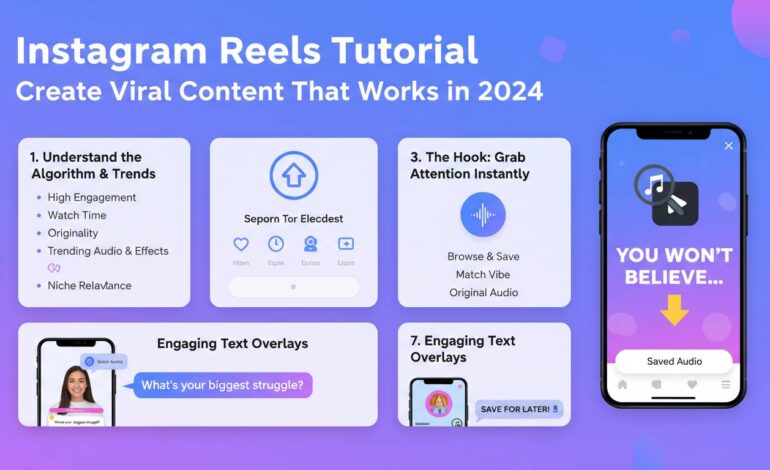
7. Learn How Each Algorithm Works
Every platform has different rules for what gets seen. Understanding these mechanics helps you time posts correctly, use hashtags effectively, and format content for maximum visibility.
Current algorithms prioritize content that generates real interactions, keeps viewers watching, and creates positive experiences. Regular testing and checking your data helps you refine what works.
8. Paid Social Is Necessary Now
Organic reach keeps dropping across platforms. If you want real scale, paid advertising is essential. The targeting tools let you reach specific demographics, interests, and behaviors with real precision.
The best results come from combining organic and paid efforts. Organic content provides social proof that makes your paid ads work better. Retargeting lets you reach people who’ve already interacted with your brand.
9. Let Data Guide Your Content
Using analytics to decide what to create separates effective marketing from guesswork. Understanding which content types and topics resonate with different audience segments enables continuous improvement. Your metrics should connect to your actual business goals.
Testing different content elements helps you find what works best. Regular competitive analysis surfaces trends and opportunities.
10. Social Commerce Is Growing
Platforms made buying easier with shoppable posts, in-app checkout, and integrated stores. Customers can now purchase without leaving the social app. Brands optimized for social commerce see better conversion rates.
The line between scrolling and shopping keeps blurring, making this increasingly important for retail businesses.
Platform-by-Platform Breakdown
Facebook still reaches broad audiences, especially people over 25. Live video performs well. Facebook Groups work for community building. Their ad tools are sophisticated.
Instagram is all about visual content. Reels drive major reach. Shopping features improved a lot. Aesthetic consistency matters here—this is a visually-driven platform.
LinkedIn became essential for B2B marketing and thought leadership. Long-form content does well. The algorithm rewards valuable professional insights. Company culture content and employee voices generate strong engagement.
TikTok skews younger, which means less polished, more genuine content works best. Brands that try to be too corporate often fail. Participating in trends and using sounds matters for visibility.
YouTube excels at long-form video for detailed storytelling and SEO benefits. YouTube Shorts competes in the short-form space. Consistent posting schedules help with algorithm visibility.
Building Your Strategy
Start with clear objectives that connect to your business goals. Research your audience to inform platform choices and content decisions. Look at what competitors do to find positioning opportunities.
Plan content that balances promotion with genuinely useful material. An editorial calendar keeps you consistent while letting you respond to trends.
Figure out your resource needs for creating content, managing engagement, running ads, and analyzing results. Many companies succeed by starting small and iterating based on what the data shows.
Measuring What Matters
Your metrics should match your objectives—whether that’s awareness, engagement, leads, or conversions. Platform analytics give you baseline data. Cross-platform reporting tools help you see the full picture.
Track engagement rates, follower growth, reach, and conversions. Regular reporting helps you spot problems quickly and optimize before issues become bigger.
Common Questions
What’s most important in 2024? Short-form video, AI tools, community building, platform consistency, and authentic communication. These address what users want now and what algorithms prioritize.
How did marketing change this year? More video emphasis, AI integration, focus on real engagement, and better shopping features. Organic reach keeps declining, making paid strategies more important. Algorithms increasingly favor content that generates genuine interactions.
What’s best for small businesses? Pick one or two platforms instead of spreading thin. Build local engagement, use targeting features, and leverage cost-effective formats like short-form video.
How do I create a plan? Define objectives and target audiences first. Research competitors and platform best practices. Develop content themes and an editorial calendar. Plan resources for creation, management, promotion, and measurement. Set up tracking to optimize over time.
Which platform is best? Depends on your audience and goals. Instagram works for visual brands and younger crowds. LinkedIn is non-negotiable for B2B. TikTok reaches younger demographics. Facebook covers older audiences. Most businesses benefit from a strategic presence across several platforms.
Is video really that important? Yes. Video dominates engagement across all major platforms. Short-form specifically shows much higher engagement than static content. Brands ignoring video risk falling behind competitors who use it effectively.
What This Means for Your Business
Social media marketing in 2024 requires real strategy, authentic engagement, and ongoing adjustment. Success comes from balancing content creation, community building, paid promotion, and data-driven optimization.
The brands winning at this treat social media as an ongoing conversation, not a broadcasting channel. They invest in understanding their audiences, create content that actually helps people, and measure what matters. Implementing these approaches while staying flexible enough to adapt to new trends will build a social media presence that delivers real business value.