Social Media Trends 2025: Expert Predictions & Strategies

The social media landscape keeps shifting in 2025. AI tools are everywhere now, user habits are changing fast, and platforms keep tweaking their priorities—all of which means brands have to rethink how they reach people online. This guide breaks down what’s actually shaping strategy this year and what it means for your business.
The AI Revolution in Social Media Marketing
AI has become part of the daily workflow for most social media teams. Platforms have built in machine learning tools that handle personalization, helping brands show the right content to the right people at the right time. It’s changed how marketing teams operate—less time drafting posts manually, more time on strategy and creative direction.
Gartner’s analysts note that AI-powered tools are now essential for scaling content without losing quality. Marketers use them to draft initial posts, spot trending topics, and guess which formats will work with specific groups. The shift has been significant for team resource allocation.
That said, there’s a trust issue. People are getting better at spotting AI-generated content, and platforms are starting to require disclosure for synthetic media. The brands doing well in 2025 use AI to handle the data side of things—analysis, optimization, that kind of work—while keeping their actual messaging human. The key is using AI as a tool, not a replacement for real connection.
Short-Form Video Continues to Dominate
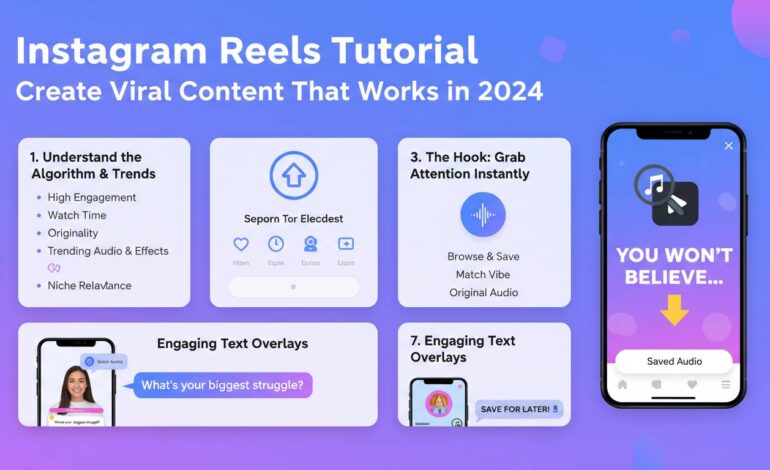
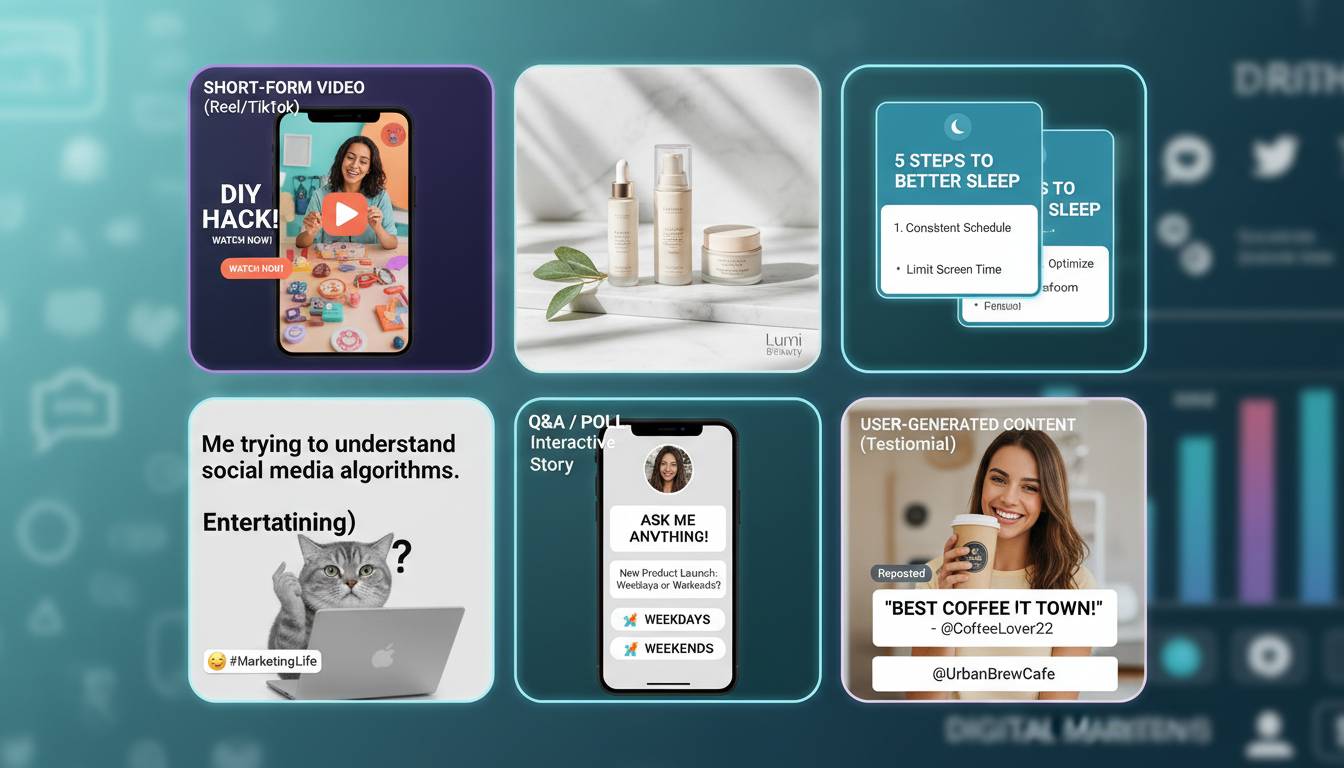
Short-form video still drives the most engagement. TikTok, Instagram Reels, and YouTube Shorts are where the attention—and the ad dollars—are. The format works because it fits how people actually consume content: quick, visual, value-packed in seconds, made for phone screens.
Algorithms favor video, so creators and brands that consistently put out short-form content get rewarded. Many organizations have had to build out video production specifically for social, creating platform-specific content rather than just repurposing longer videos. Each platform has its own quirks—aspect ratios, audio trends, formatting—that teams need to understand.
Live streaming has grown too. Audiences want real-time, authentic interaction. Brands use live content for product launches, Q&A sessions, behind-the-scenes looks, and educational stuff. The immediacy builds trust in a way pre-recorded content can’t match, and viewers can comment and react live, creating a connection that feels genuine.
The Creator Economy Matures
Creator partnerships have become standard practice rather than an experimental tactic. Professional content creators now run full-time businesses, and platforms have given them solid monetization options—subscriptions, tips, brand deals, and ad revenue shares. This professionalization has raised the bar for production quality everywhere.
Brands have figured out that working with creators often beats traditional ads. Creator audiences engage more and actually buy based on recommendations. People trust individuals more than corporations. But here’s the catch: audiences can tell when a partnership feels inauthentic. If the creator’s values don’t match the brand, it backfires.
Here’s something more brands are catching onto: micro and nano-creators often deliver better ROI than the big names. They have smaller audiences, sure, but those audiences are way more engaged and niche-specific. It’s a smarter play for brands watching their budget, and it reflects how attention has fragmented across specialized communities rather than concentrating on a few mainstream stars.
Privacy-First Marketing Emerges
Privacy rules and platform changes have fundamentally changed what data is available for targeting and measuring results. Third-party cookies are gone, which means advertisers have had to adapt. The big shift is toward first-party data—information brands collect directly from people who opt in, through email lists, apps, and websites.
Building direct relationships through owned channels is the play now. Email lists, mobile apps, communities, subscription models—all of these give you data you can actually use while staying within privacy rules. You’re reaching people on your terms, not relying on third parties.
Contextual targeting has made a comeback too. Instead of following users around the web, you place ads next to relevant content. It’s privacy-friendly and puts your message in front of people in the right mindset. The trade-off is you need different creative strategies—fitting the environment matters more than profiling individual users.
Social Commerce Gets Sophisticated
Social commerce isn’t experimental anymore for most brands. Platforms have built out integrated shopping experiences so users can discover, check out, and buy without leaving the app. Younger consumers especially prefer this to navigating to separate e-commerce sites. It’s just more convenient.
Shoppable content keeps expanding. Live shopping has taken off in the US, combining entertainment with buying. Think product demos, limited-time offers, real-time urgency. The best implementations treat shopping as entertainment—promotional stuff fits naturally into engaging presentations rather than feeling like ads.
And social customer service has become essential. People expect fast, personalized support on the same platforms where they discover and buy things. Brands with dedicated social care teams see better customer satisfaction and often lower costs compared to traditional call centers. When commerce and support systems talk to each other, the experience stays smooth from discovery through post-purchase.
Community Building Over Follower Counts
The smarter marketers have stopped chasing follower numbers and started building actual communities. Algorithm changes now reward meaningful interactions over raw engagement metrics. Content that starts conversations and brings people back gets pushed more than content that just gets likes.
Private communities—Discord servers, private Instagram groups, subscriber spaces—let brands connect more deeply with their most dedicated followers. These spaces also get customers talking to each other, building brand loyalty through shared identity and experiences. It takes ongoing work to manage, but you end up with a customer base that basically markets for you.
User-generated content is still powerful for this. When brands actively encourage and share customer contributions, it gives real social proof while involving your audience in your story. Good campaigns make it clear what kind of contributions you want, thank people publicly, and weave their content into your official channels. You stop being the sole authority and start being the hub of a community.
Conclusion
Social media in 2025 is complicated, but there’s real opportunity for marketers willing to adapt. AI helps with efficiency if you use it thoughtfully and keep things authentic. Video isn’t going anywhere, so production capabilities matter. Creator partnerships work, privacy changes require real strategy shifts, and building real communities beats chasing vanity metrics.
The organizations doing best treat social media as a living ecosystem—they keep learning and adjusting rather than locking in a fixed strategy. Genuine connection matters more than follower counts, and real engagement beats transactional approaches. Brands that pay attention to what’s actually changing while staying true to who they are will be in good shape.
Frequently Asked Questions
What are the biggest social media trends for 2025?
The main trends this year are AI-powered marketing tools, short-form video still dominating, the creator economy becoming more established, privacy-focused marketing approaches, social commerce getting more sophisticated, and community-first engagement strategies. These all point toward bigger shifts: more personalization, more authenticity needed, and brands building direct relationships with audiences instead of relying on platforms.
Will TikTok still be popular in 2025?
TikTok still has strong user engagement and keeps influencing content formats everywhere. Its algorithmic feed and younger user base keep it relevant, though regulatory questions and competition from platform clones make the long-term picture less clear.
How is AI changing social media marketing?
AI is reshaping social media marketing through content generation help, audience analytics, personalized targeting, automated customer service, and performance optimization. It lets marketers do more at scale while staying relevant. But human oversight is still necessary to keep things authentic and on-strategy.
What social media platforms should businesses use in 2025?
It really depends on who you’re trying to reach and what you’re trying to achieve. Most brands benefit from being on multiple platforms, but prioritize where your audience actually spends time. TikTok and Instagram Reels are strong for reach, LinkedIn still works best for B2B. Building communities through Discord and private groups can complement your public presence.