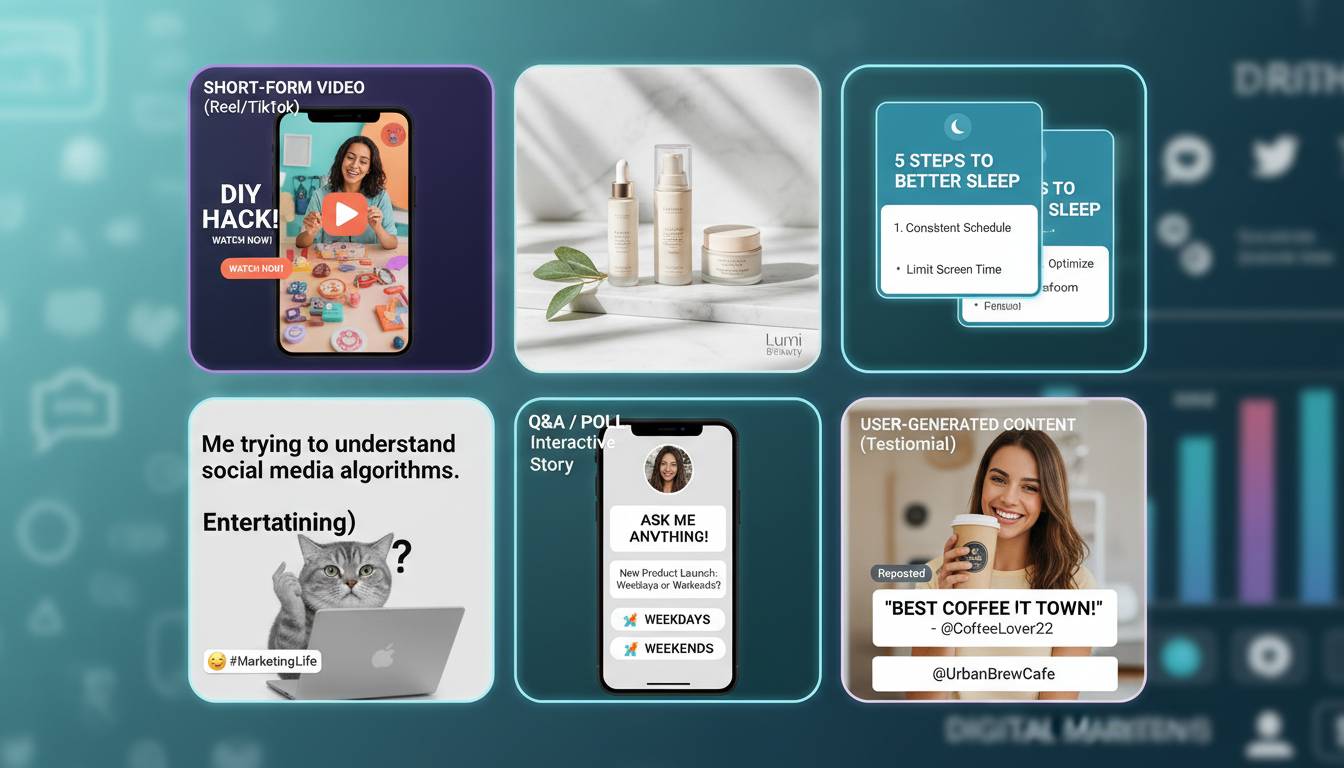
Social Media Trends 2025: What’s Next for Your Brand

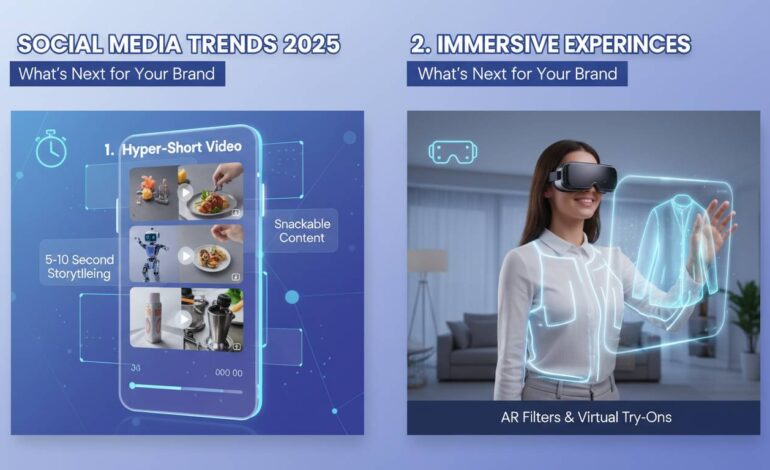
Social media changed a lot in 2025, and it can feel overwhelming to keep up. Platforms keep shifting, algorithms change weekly, and what worked last month might flop today. Whether you’re a brand trying to stay competitive or a creator building an audience, understanding these shifts matters—not because trend-chasing is fun, but because ignoring the fundamentals can cost you visibility and revenue.
This guide breaks down the key developments shaping social media right now and gives you practical ways to adapt your strategy.
Short-Form Video Is Still Dominating
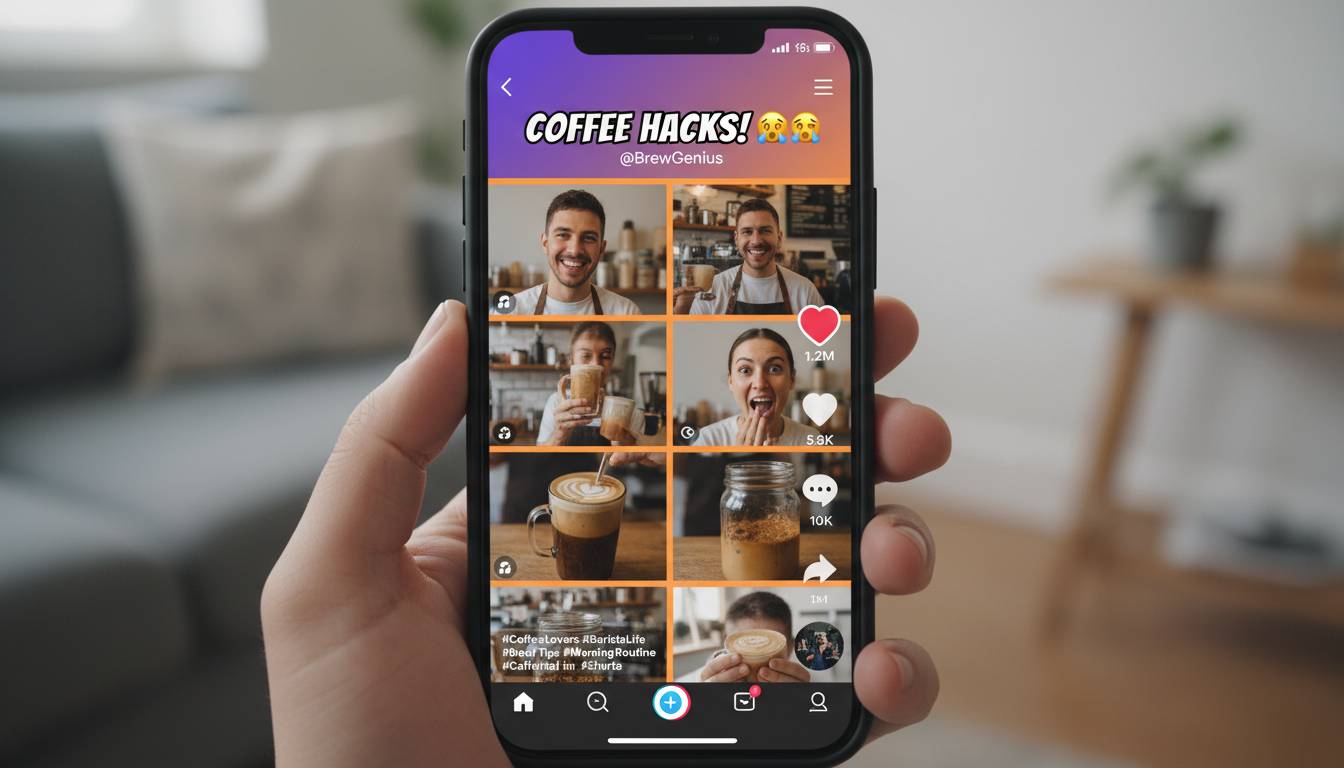
If you haven’t figured out short-form video yet, 2025 is the year to get serious. TikTok, Instagram Reels, and YouTube Shorts continue to pull in the most engagement, and every platform has adjusted its algorithm to favor this format. Users now spend about 70% of their social media time watching short videos—that’s up significantly from three years ago.
The numbers are hard to ignore. Short-form video generates roughly 2.5 times more engagement than static image posts and about 1.5 times more than long-form video. Brands have taken notice. Most marketing teams have shifted budget toward video production, and many have hired dedicated creators or built small in-house teams.
But here’s the thing: competition is fierce. Everyone’s making short videos now, so the bar has risen. Audiences still want authenticity—they’ll click off if you feel fake—but they also expect better production quality than they did in 2020. The sweet spot is combining polished editing with real, relatable moments. Think good lighting and clean cuts, but also genuine personality.
AI Tools Are Everywhere
Every major platform now offers AI-powered features. Caption generators, trend predictors, optimal posting time suggestions—it’s all built in. Smaller brands and solo creators can now produce content that would have required a whole team a few years ago.
The recommendation algorithms have gotten much smarter too. They analyze not just what you engage with, but how you feel about it, when you’re scrolling, what keeps you watching. Industry estimates suggest over 60% of what people see is now driven by AI recommendations.
This raises a tricky question: how much AI is too much? Audiences can tell when content feels robotic. The brands doing well here use AI for the boring stuff—scheduling, analytics, optimization—while keeping the actual content human. Your voice, your perspective, your creativity—those still matter.
Social Commerce Is Getting Real
Buying directly through social media is no longer a novelty—it’s becoming the default for a lot of people. Instagram Shopping, TikTok Shop, and Facebook Marketplace have grown into full e-commerce experiences. Users can discover something, watch a creator demo it, and buy it without ever leaving the app.
Industry projections put social commerce at about 25% of all e-commerce by the end of this year. That’s huge.
What’s driving this? Mostly influencer recommendations and user-generated content. People trust creators more than ads, so when someone they follow shows a product in action, they buy. Brands have adapted by building creator partnerships into their core marketing, not treating it as an afterthought.
Live shopping has also taken off. Real-time video with a buy button creates urgency that static posts can’t match. The best live shopping events feel like a mix of entertainment and shopping—not a sales pitch, but not just a video either. Some brands report that a single good live shopping event generates sales equivalent to weeks of regular posting.
Creators Are Running Real Businesses
The creator economy keep expanding, and it’s not just influencers posting for fun anymore. Platforms have added more ways to monetize—subscriptions, tips, brand deal marketplaces—and plenty of creators are earning real full-time income.
Many of them now run like small businesses. Managers, editors, videographers, marketers—some creator teams look more like traditional companies every day. And media companies, the old-school kind, are partnering with individual creators because those creators have access to younger audiences that don’t trust traditional advertising.
But here’s the catch: more people than ever are trying to be creators, which means more competition for attention. It’s harder for new creators to break through. Success now requires not just good content but business strategy, consistent branding, and a real understanding of how algorithms work.
Privacy Is Actually Mattering
Users care more about data privacy now, and it’s forcing platforms to change. California, Virginia, and the EU have all passed laws that give users more control over their data. Platforms have had to become more transparent about what they collect and how they use it.
A lot of users have caught on. They’re limiting what they share, adjusting privacy settings, and being more careful about what they click. This has made life harder for advertisers who relied on behavioral targeting. First-party data and contextual advertising—targeting based on what someone is looking at right now rather than their past behavior—have become more important.
There’s also a broader shift toward valuing authenticity over polish. Audiences gravitate toward creators and brands that feel genuine, that are open about partnerships, that don’t seem like they’re hiding something. This isn’t just about privacy laws—it’s about trust. If people feel you’re being transparent, they engage more.
Messaging Apps Are Marketing Channels Now
WhatsApp, Telegram, and platform-specific DMs have become legitimate marketing tools. Brands use them for customer service, personalized outreach, and community building. Private conversations convert better than public posts—open rates for brand messages through messaging apps regularly exceed 70%, which puts email marketing to shame.
The tools have gotten better too. Chatbots, automated responses, CRM integrations—businesses can handle real volume while still sounding personal. It’s not just big companies using this either. Small businesses with limited resources can now run proper customer communication at scale.
Private communities have also grown in importance. Brands creating exclusive groups for customers or loyal followers see real benefits—deeper relationships, better loyalty, direct feedback. There’s something about being in a smaller, more intimate space that changes how people engage.
Niche Platforms Are Growing
Mainstream platforms still dominate, but 2025 has seen real growth in niche communities—platforms built around specific interests like gaming, sustainability, professional development, or countless other topics.
This fragmentation isn’t all bad for brands. Some audiences are saturated on Instagram or TikTok, but they’re highly engaged on smaller platforms catering to their specific passion. Reaching people in these spaces can mean less competition and stronger loyalty.
Decentralized social platforms have also gained attention. People want alternatives that give them more control—no algorithm deciding what they see, no company selling their data. These platforms remain small, but they reflect a real shift in what users want.
What This Means for You
Here’s the reality: social media will keep changing. New platforms will emerge, algorithms will shift, and today’s best practice will be tomorrow’s outdated advice.
But the core stuff doesn’t change as much as the hype suggests. People still want content that entertains, informs, or helps them. They still respond to authenticity. They still build real relationships with creators and brands they trust.
The practical takeaway: focus on what works for your specific audience. Short-form video is worth investing in, but only if you can do it consistently. AI tools can save time, but don’t let them replace your voice. Social commerce matters if you’re selling products, but not every brand needs to prioritize it.
The brands and creators who thrive will be the ones who stay adaptable without chasing every shiny new thing—and who remember that social media, at its core, is about human connection. The technology keeps evolving, but that fundamental need hasn’t changed.