Social Media Marketing: Proven Strategies That Actually Work

With over 4.9 billion people using social media worldwide, businesses can no longer dismiss digital engagement as optional. Social media marketing has become a core part of successful business strategy, driving brand awareness, customer acquisition, and revenue growth. This guide covers the strategies, platforms, and metrics that actually work.
What Is Social Media Marketing?
Social media marketing involves creating, publishing, and distributing content across social platforms to achieve specific business goals. Unlike traditional advertising, it builds relationships with audiences through genuine engagement and valuable content. Activities range from posting updates and images to running targeted ads, influencer partnerships, and community management.
According to the Content Marketing Institute, 73% of marketers say their social media efforts have become somewhat or very effective for their business. The approach combines organic content with paid promotion, helping brands reach both existing followers and new audiences through sophisticated targeting.
The key difference from other advertising forms is two-way communication. Businesses no longer broadcast to passive audiences—they have conversations, respond to feedback, and build communities. This shift lets businesses of any size establish direct customer relationships, gather real-time insights, and adapt quickly based on feedback.
Why Social Media Marketing Matters
The case for social media marketing is strong. Data from Statista shows users spend an average of 2 hours and 24 minutes daily on social networking platforms. That’s a significant chunk of consumer attention businesses can capture.
Brand awareness is a major advantage. Platforms like Facebook, Instagram, and TikTok let businesses reach potential customers far beyond their local area, giving small businesses visibility that once required massive ad budgets. A solid social media presence can introduce your brand to thousands or millions of people who’d never see traditional advertising.
The return on investment outperforms many other marketing channels. Research from HubSpot shows businesses generate an average of $3.78 in revenue for every $1 spent on social media marketing. This includes both organic and paid efforts. Small businesses benefit especially from the low barrier to entry—mostly requiring creative effort and consistency rather than big budgets.
Customer acquisition costs have dropped as targeting improved. Modern ad platforms reach users based on demographics, interests, behaviors, and purchase intent, so marketing budgets reach more promising prospects.
Creating an Effective Strategy
A successful social media presence requires more than random posting. The best results come from strategic planning that aligns with business goals.
Define specific, measurable objectives first. Common goals include increasing brand awareness, driving website traffic, generating leads, boosting sales, improving engagement, and building community. Each requires different tactics and metrics. Use the SMART framework—goals should be Specific, Measurable, Achievable, Relevant, and Time-bound.
Understand your target audience. Figure out which platforms they use, what content resonates, and when they’re most active. Detailed buyer personas help teams create content that addresses audience needs and interests. Analytics tools reveal demographics, behavior patterns, and content performance.
Choose platforms carefully. Don’t try to be everywhere. A B2B company will likely get more from LinkedIn, while consumer brands targeting younger people may prioritize Instagram and TikTok. Quality presence on fewer platforms beats scattered efforts across many.
Best Platforms for Marketing
Each platform has different strengths and user demographics. Understanding these differences helps allocate resources effectively.
Facebook has over 3 billion monthly active users, making it essential for broad reach. Its ad targeting is sophisticated, and Facebook Groups enable community building. It works well for B2C businesses, local services, and brands targeting middle-aged consumers.
Instagram has over 2 billion monthly active users and excels at visual storytelling. It’s ideal for fashion, food, travel, fitness, and home decor brands. Instagram Shopping lets users discover and buy products without leaving the app. The demographic skews toward ages 25-44, though Gen Z usage is growing.
LinkedIn dominates B2B marketing with over 900 million professionals. It works well for thought leadership, B2B lead generation, and recruitment. The professional context lets businesses establish authority through educational content addressing business challenges.
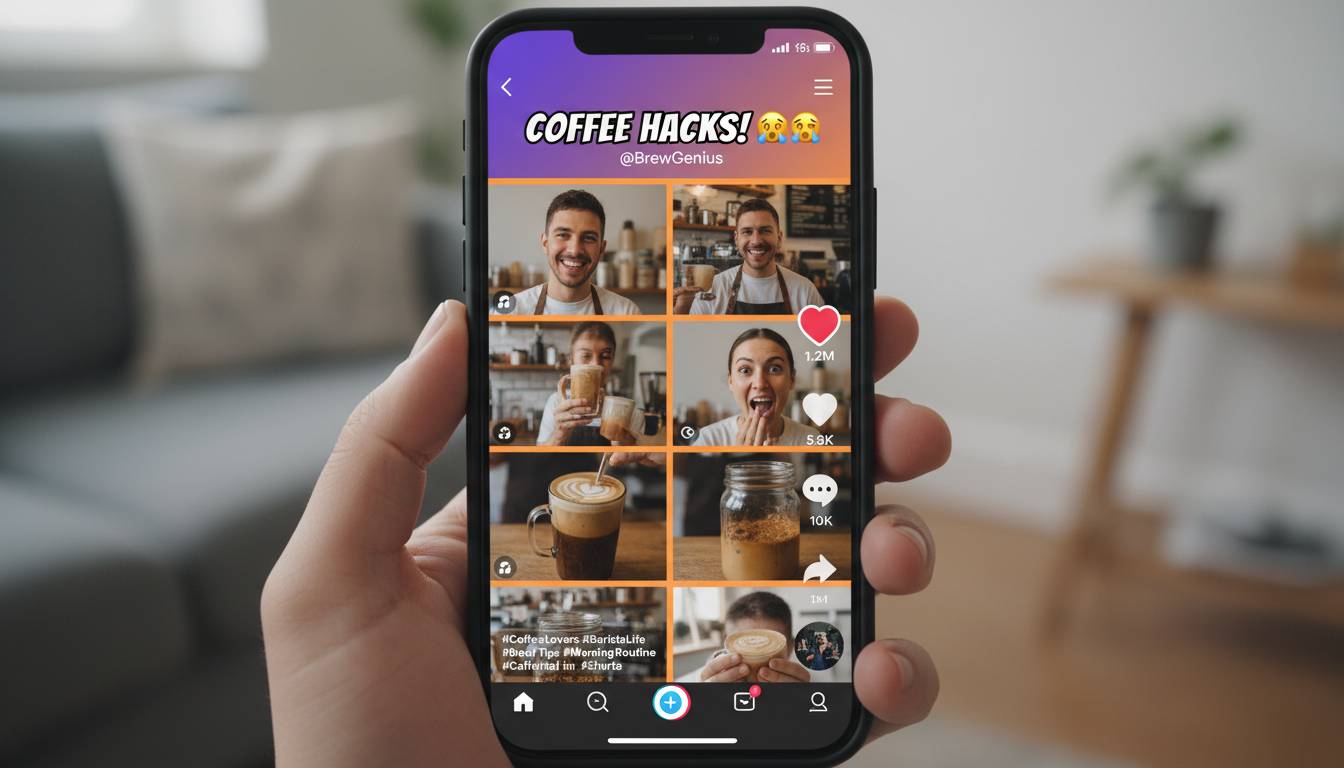
TikTok has over 1 billion monthly active users, mostly younger demographics. Its algorithm-driven discovery means businesses without large followings can still achieve viral reach through engaging content. Brands need to create entertaining, authentic video content that fits the platform’s casual culture.
Twitter/X serves real-time conversation, news, and customer service. The fast-paced environment rewards consistent engagement and timely responses to trends. It’s useful for brands in technology, media, finance, and customer service.
Proven Tactics That Drive Results
These approaches have proven effective across industries.
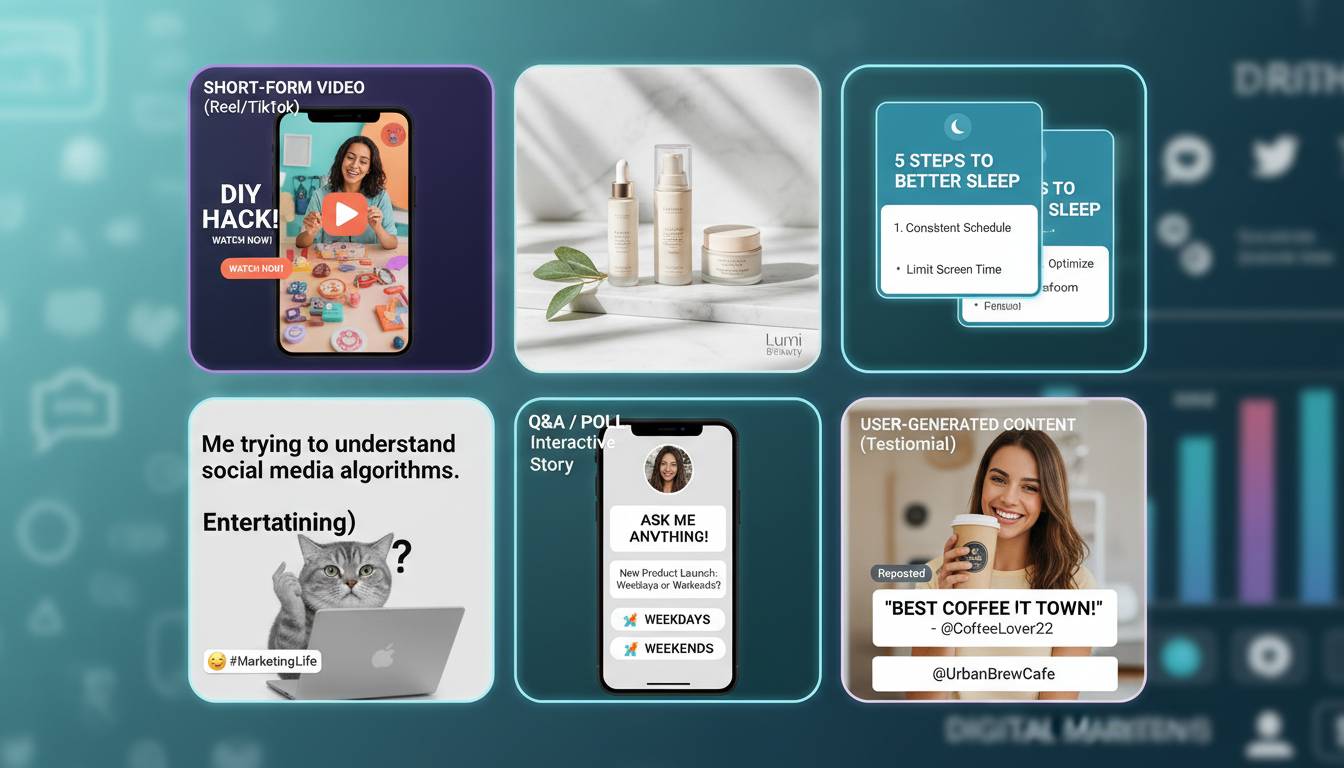
Content variety keeps audiences engaged. Balance promotional content with educational, entertaining, and inspiring posts. The 80/20 rule—80% value-driven content, 20% promotional—maintains engagement while supporting sales. Use different formats: images, videos, carousel posts, stories, and live broadcasts.
Post consistently to stay visible in followers’ feeds. Most businesses benefit from daily posting on primary platforms, but never sacrifice quality for quantity. Content calendars help plan ahead, maintain coherence, and ensure consistent schedules. Tools like Buffer, Hootsuite, and Later enable scheduling during optimal audience times.
Engage with followers to improve algorithmic distribution and build community. Respond promptly to comments, messages, and mentions. Ask questions, solicit opinions, and run polls to invite participation. The most successful brands treat platforms as conversation venues, not broadcast channels.
Use hashtags strategically to improve discoverability. Research relevant hashtags your target audience uses. Combine popular tags with niche, industry-specific ones. Most platforms work well with 3-5 hashtags per post.
Measuring Success
Tracking metrics enables continuous improvement. Without measurement, businesses can’t determine what works or demonstrate ROI.
Engagement metrics—likes, comments, shares, and saves—show how audiences respond. High engagement suggests content resonates and deserves wider distribution. But evaluate engagement alongside reach and follower counts to avoid misleading conclusions from small samples.
Website traffic from social media shows how effectively efforts drive potential customers toward conversion. UTM parameters track which posts and platforms generate valuable traffic. Analyze bounce rate, pages per session, and conversion rates for social traffic to evaluate quality.
Follower growth rate indicates whether content strategies attract new audiences. Growth trends reveal whether awareness efforts expand reach. Sudden changes often correlate with specific content, campaigns, or algorithm shifts.
Conversion tracking measures actual business impact. Whether the goal involves purchases, lead form submissions, newsletter signups, or app installations, tracking conversions demonstrates real return on investment. Facebook Pixel, Instagram Shopping tags, and platform-specific tools enable accurate attribution.
Emerging Trends
The social media landscape keeps evolving. Staying aware of trends helps maintain competitive advantage.
Artificial intelligence is transforming marketing through automated content creation, predictive analytics, and enhanced personalization. AI tools now help write captions, generate content ideas, optimize posting times, and identify influencer partnerships.
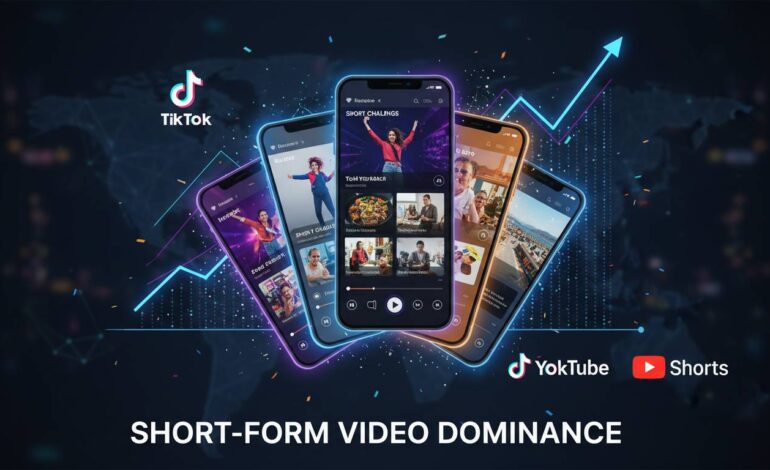
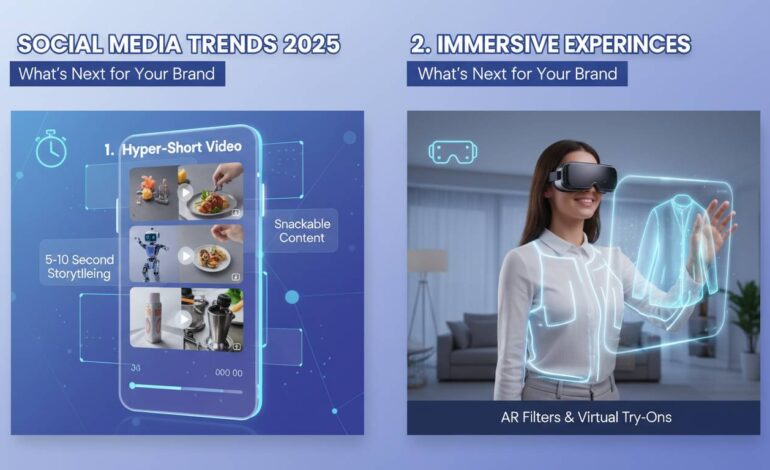
Short-form video continues dominating consumption. TikTok and Instagram Reels success has prompted all major platforms to prioritize video, creating algorithm incentives for video-first strategies. Live streaming has also grown, offering real-time engagement opportunities.
Social commerce features have expanded significantly. Instagram Shopping, Facebook Marketplace, and TikTok Shop let users purchase without leaving platforms. Businesses selling products should optimize their social commerce presence to capture impulse buys.
Frequently Asked Questions
What platform is best for small businesses?
It depends on your audience and business type. Facebook and Instagram offer the broadest reach and most versatile tools for most small businesses. Local businesses often succeed on Facebook; visually-oriented brands benefit from Instagram. Research where your customers spend time before committing resources.
How much time should I spend daily?
Small businesses should aim for 1-2 hours daily: 15-30 minutes creating content, 15 minutes scheduling, and 30-60 minutes engaging and monitoring. As you grow, consider delegating or using scheduling tools.
Do I need to pay for advertising?
Organic social media can generate results, but paid advertising accelerates growth and reach. Most businesses benefit from both—organic content builds community while targeted ads reach new audiences. Start with modest budgets, test different targeting, and scale what works.
How long until I see results?
Most businesses see initial engagement improvements within 1-3 months. Meaningful traffic and conversions typically require 6-12 months of consistent effort. Building a loyal community takes time, but compound effects lead to accelerating returns.
Hire a manager or use an agency?
It depends on budget, complexity, and in-house capabilities. Small businesses often benefit from dedicated managers or affordable agency services. Larger enterprises may build internal teams for more control. Many start with agencies and transition internally as they scale.
How do I measure ROI?
Track conversions from social traffic using platform analytics and UTM parameters. Calculate revenue from social-attributed sales and compare against spend. For brand awareness, track reach, impressions, and engagement. Establish baselines before implementing new strategies to accurately assess impact.
Conclusion
Social media marketing offers real opportunities to connect with modern consumers. The strategies in this guide—defining clear objectives, understanding audiences, choosing appropriate platforms, implementing proven tactics, and measuring results—provide a framework for achieving meaningful business outcomes.
Success requires consistent effort, ongoing optimization, and willingness to adapt as platforms and audience behaviors change. Businesses that excel treat social media as a long-term strategic investment, not a quick promotional fix. By building genuine audience relationships, providing consistent value, and using data to inform decisions, companies can establish sustainable advantages—whether they’re a small local business or a large enterprise.