Social Media Marketing: Proven Strategies That Drive Real Results

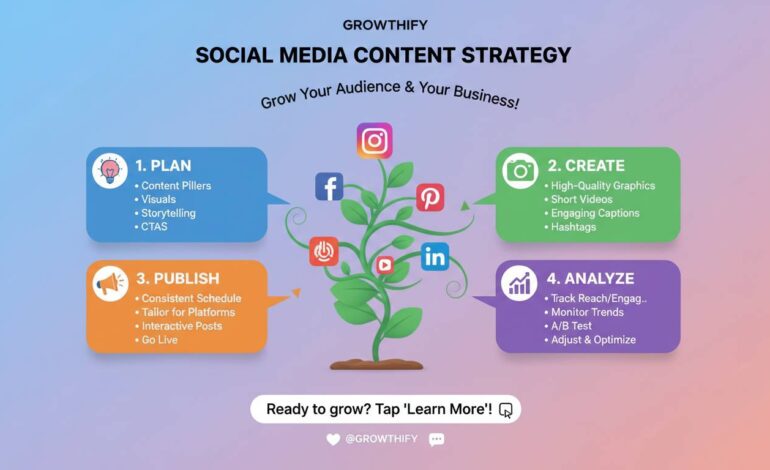
Social media marketing has become a core part of how businesses grow. With billions of people using platforms like Facebook, Instagram, and TikTok every day, companies that use these channels well can build real connections with customers and see actual results—whether that’s more website visits, leads, or sales.
This guide covers the strategies, platforms, and metrics that matter for social media marketing today.
What Is Social Media Marketing?
Social media marketing means using platforms like Facebook, Instagram, LinkedIn, and TikTok to promote your business. It includes posting content, running ads, talking to followers, and checking your results.
Unlike old-school advertising, social media lets businesses reach customers directly and have actual conversations with them. That two-way communication builds relationships that last.
Beyond posting, modern social media marketing involves creating content, working with influencers, managing your community, handling customer service, and using data to see what’s working. Whether you want more website traffic, leads, sales, or loyal customers, social media has tools to help you get there.
Why Social Media Marketing Matters
Here’s the reality: about 4.9 billion people use social media worldwide. The average person spends roughly 2.5 hours on these platforms every day. That’s a lot of time—and a lot of potential customers.
Social media is also cheaper than traditional advertising. Small businesses can compete with bigger companies by creating content that actually connects with people. You can target specific groups, see how your posts perform right away, and change your approach if something isn’t working.
Building your brand is another big benefit. Showing up consistently on social media helps people recognize your business and see you as an authority in your field. Companies that share useful content and engage with their followers become trusted resources—and that trust turns into loyalty over time.
Types of Social Media Marketing
There are two main approaches: organic and paid.
Organic Social Media
Organic social media means posting without paying for ads. You share regular posts, stories, and reels, and you reply to comments and messages. This approach builds real connections over time, and it doesn’t cost anything except time and effort.
One thing to know: organic reach has dropped on most platforms because the algorithms favor paid content. So organic strategies work best when combined with other approaches.
To succeed with organic social media, you need to post regularly, make good visual content, and actually talk to people who comment or message you. Brands that treat social media as a conversation—not a broadcast—tend to build more loyal followings.
Paid Social Media
Paid social media includes the advertising options platforms offer: Facebook Ads, Instagram Ads, LinkedIn Ads, and so on. These systems let you target specific people based on age, location, interests, behavior, and custom lists. You control your budget, where your ads appear, and you can track whether you’re getting a return on your investment.
Common ad formats include feed ads, story ads, carousel ads (multiple images in one ad), video ads, and shopping ads for e-commerce. The keys to successful paid campaigns are compelling creative, a clear offer, and a landing page that actually converts visitors into customers.
Developing a Social Media Marketing Strategy
Without a clear strategy, you waste time and money on posts that don’t help your business.
Defining Clear Objectives
Start with specific goals. Do you want more people to know about your brand? More website traffic? Leads or sales? A bigger, more engaged following? Each goal needs different metrics and different approaches.
SMART goals work well here: Specific, Measurable, Achievable, Relevant, and Time-bound. Instead of “get more followers,” try “gain 1,000 new followers in three months by posting consistently and engaging with comments.”
Identifying Your Target Audience
Know who you’re trying to reach. Create buyer personas that include demographics, interests, problems, and which platforms they use.
Platform choice matters. A B2B company probably gets better results on LinkedIn than TikTok. A brand targeting young people might focus on Instagram and TikTok. Figure out where your audience hangs out, then focus your efforts there.
Content Planning and Creation
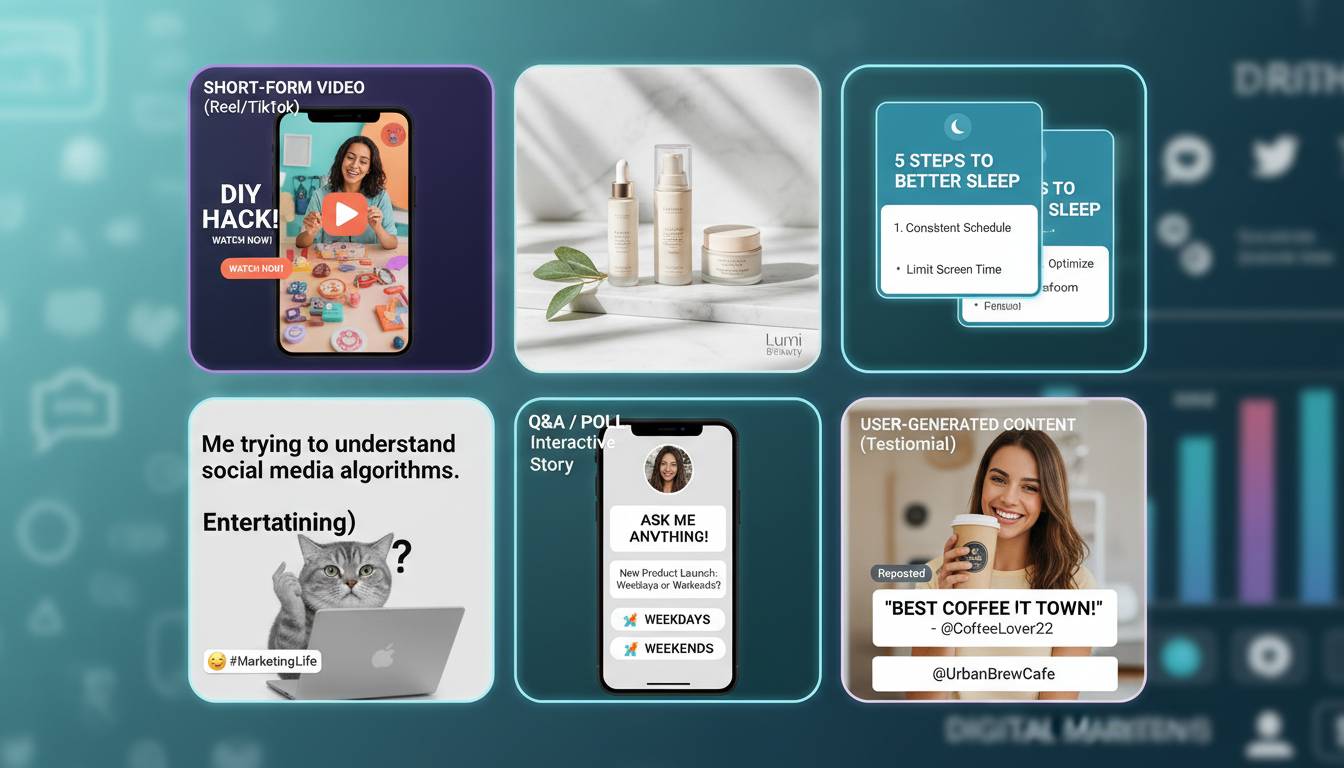
A content calendar helps you plan what to post, when, and on which platforms. Your content should provide value—entertainment, education, inspiration, or useful information—not just promotional messages.
The right mix depends on your industry and audience, but most brands do well with a combination of educational posts, behind-the-scenes content, posts featuring your customers, product showcases, and commentary on industry news. Variety keeps people interested while reinforcing who you are as a brand.
Best Platforms for Social Media Marketing
Each platform attracts different people and suits different goals.
Facebook has nearly 3 billion monthly users. Its advertising tools are strong, and its user base spans all age groups and interests. Facebook Groups work well for building communities, and Facebook Shops lets you sell products directly on the platform.
Instagram is visual. It works especially well for fashion, food, travel, photography, and lifestyle brands. Reels, Stories, and Shopping make it great for e-commerce and brand storytelling. The audience skews younger—millennials and Gen Z—so it’s a good fit if that’s who you’re targeting.
LinkedIn is for professional networking. It’s the main platform for B2B marketing, industry thought leadership, and recruitment content. Posts about industry insights, professional advice, and company updates do well here.
TikTok
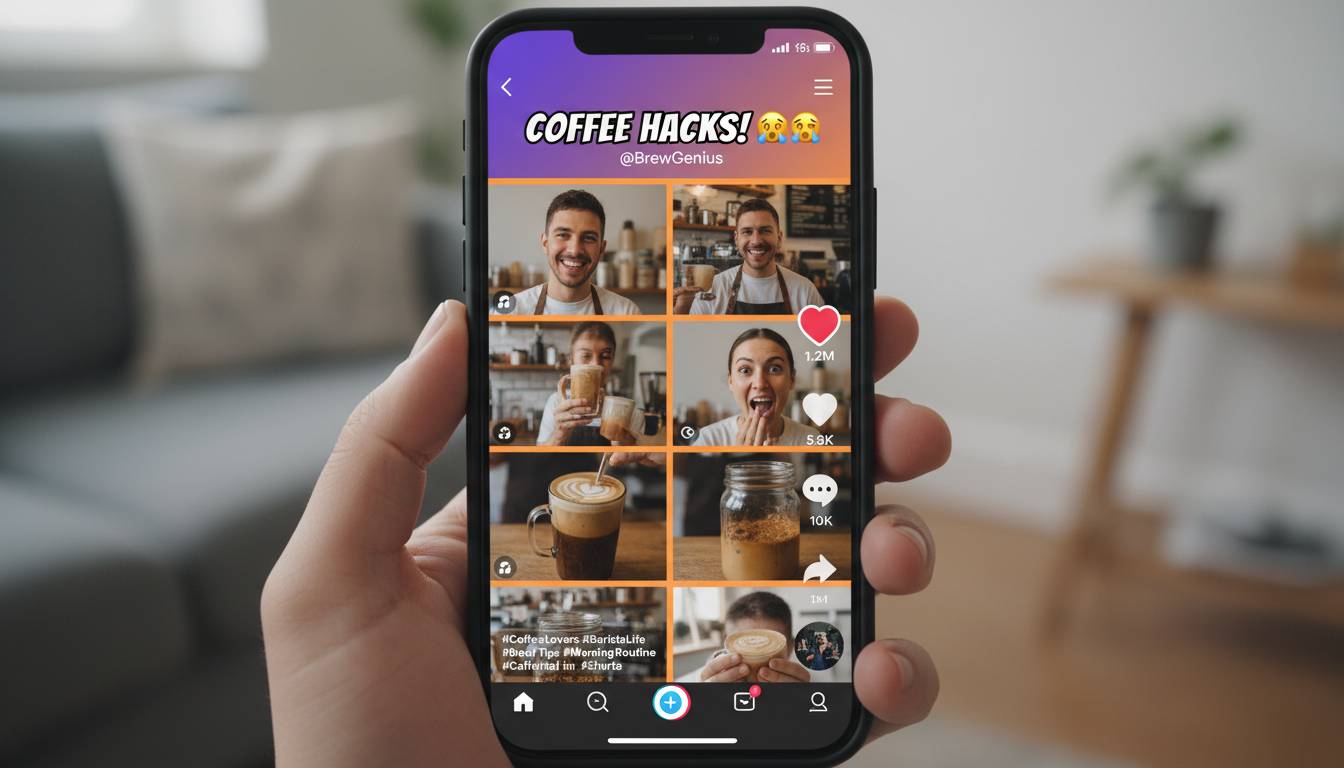
TikTok has grown fast and now reaches huge audiences, especially younger users. The algorithm shows your content to new people easily, so you can get more organic reach than on other platforms. Short, entertaining, authentic videos perform best.
Twitter/X
Twitter works for real-time updates, customer service, and news-related content. Brands use it to join trending conversations, share timely information, and talk directly with customers. Because everything is public, it’s also useful for reputation management.
Measuring Success
Tracking the right numbers tells you what’s working so you can do more of it.
Key Performance Indicators
Engagement—likes, comments, shares, saves—shows how your content connects with people. Reach and impressions tell you how many people saw your posts. Follower growth tracks how your audience is building over time. Clicks and conversions show whether social media is actually bringing you customers.
Each platform has built-in analytics. You can also use third-party tools to pull data from multiple platforms into one report. Look at these numbers regularly to spot patterns: what content works best, when to post, and what your audience prefers.
Return on Investment
ROI means connecting your social media activity to real business results. Track sales that came from social media, leads generated from campaigns, or how much it costs to acquire customers through social compared to other channels. Knowing your ROI helps you justify your budget and put more money into what works.
Emerging Trends
Social media keeps changing, so marketers need to pay attention.
Video is dominating. Short-form video, live streaming, and interactive video all grab attention better than static posts. Brands that can create good video content have an advantage.
Artificial intelligence is becoming more common—automated content suggestions, chatbots for customer service, and smarter ad targeting. The trick is using AI without losing the human touch that makes people connect with your brand.
More brands are focusing on building tight-knit communities rather than chasing maximum reach. Companies that cultivate real relationships with dedicated followers often see stronger loyalty than those trying to be everywhere for everyone. Private groups, exclusive content, and interactive experiences help build these deeper connections.
Frequently Asked Questions
What’s the difference between social media marketing and digital marketing?
Social media marketing is one piece of digital marketing. Digital marketing covers everything online—search engine marketing, email marketing, content marketing, website ads, and more. Social media is just one channel within that broader world.
How long until I see results?
It depends on your goals and how much effort you put in. Some businesses see engagement within a few weeks. Real ROI usually takes three to six months of consistent work. Building a large, loyal following typically takes a year or more.
Do small businesses need to be on every platform?
No. Focus on where your target customers actually spend time. Spreading yourself thin across every platform rarely works. Pick one or two platforms, build a solid presence there, then expand if it makes sense.
How much should small businesses spend?
Start small. Many businesses begin with organic posting and add paid advertising later. You can test paid campaigns with just $5–10 per day. See what works, then scale up based on results.
What content works best?
Video gets the most engagement on most platforms. Educational content that solves problems, behind-the-scenes looks at your business, content from your customers, and attractive product images all perform well. The best content gives value to your audience while being authentically you.
How often should I post?
It varies by platform. For Facebook and Instagram, one to two times daily works for most businesses. Twitter/X users expect more—three to five times daily. LinkedIn does well with one to three posts per week. Quality matters more than quantity, so only post as often as you can maintain good content.
Conclusion
Social media marketing works. It’s one of the most effective ways to connect with customers, build your brand, and grow your business. But it takes more than just creating accounts and posting occasionally—you need a plan, consistent effort, and the willingness to learn from your data.
The strategies in this guide give you a starting point. Understand your audience, pick the right platforms, create content that actually helps people, and track what’s working. Do those things, and you’ll see results.
The platforms will keep changing, and what works today might shift tomorrow. The businesses that succeed are the ones that keep learning and adapting. Treat social media marketing as an ongoing commitment, not a one-time project, and you’ll continue seeing returns as this channel grows even more important.