Social Media Marketing Strategies 2024: What Actually Works


The social media landscape in 2024 looks fundamentally different than it did even a year ago. Algorithms shift constantly, new platforms pop up, and consumer behavior moves faster than most marketing teams can keep up with. But despite all this chaos, some clear patterns have emerged among brands actually getting results.
This guide breaks down the strategies, platforms, and tools that define successful social media marketing in 2024—and gives you practical insights your business can use starting today.
The State of Social Media Marketing in 2024
The average American spends about 2.5 hours daily on social media. That’s a lot of eyeballs. Combined with how sophisticated platforms have become at targeting and measuring performance, social media has moved from a “nice to have” to a primary driver of business results.
A few things are shaping the current landscape. First, organic reach across major platforms has dropped significantly—some Facebook pages reach fewer than 5% of their followers without paying. Second, AI tools have moved from experimental to essential. Third, the creator economy has matured. Brands are now working directly with individual content creators rather than going through traditional influencer agencies.
Marketing budgets reflect these shifts. Companies plan to increase social media spending by about 23% in 2024, with most of that going toward video content, creator partnerships, and social commerce features.
1. Short-Form Video Content Remains Paramount
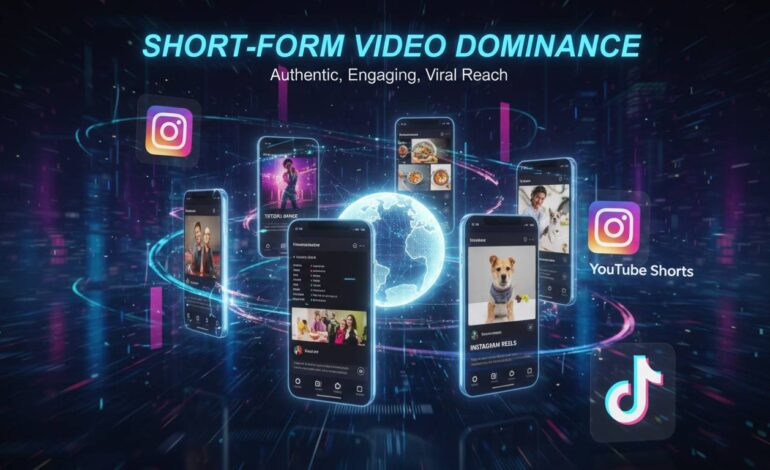
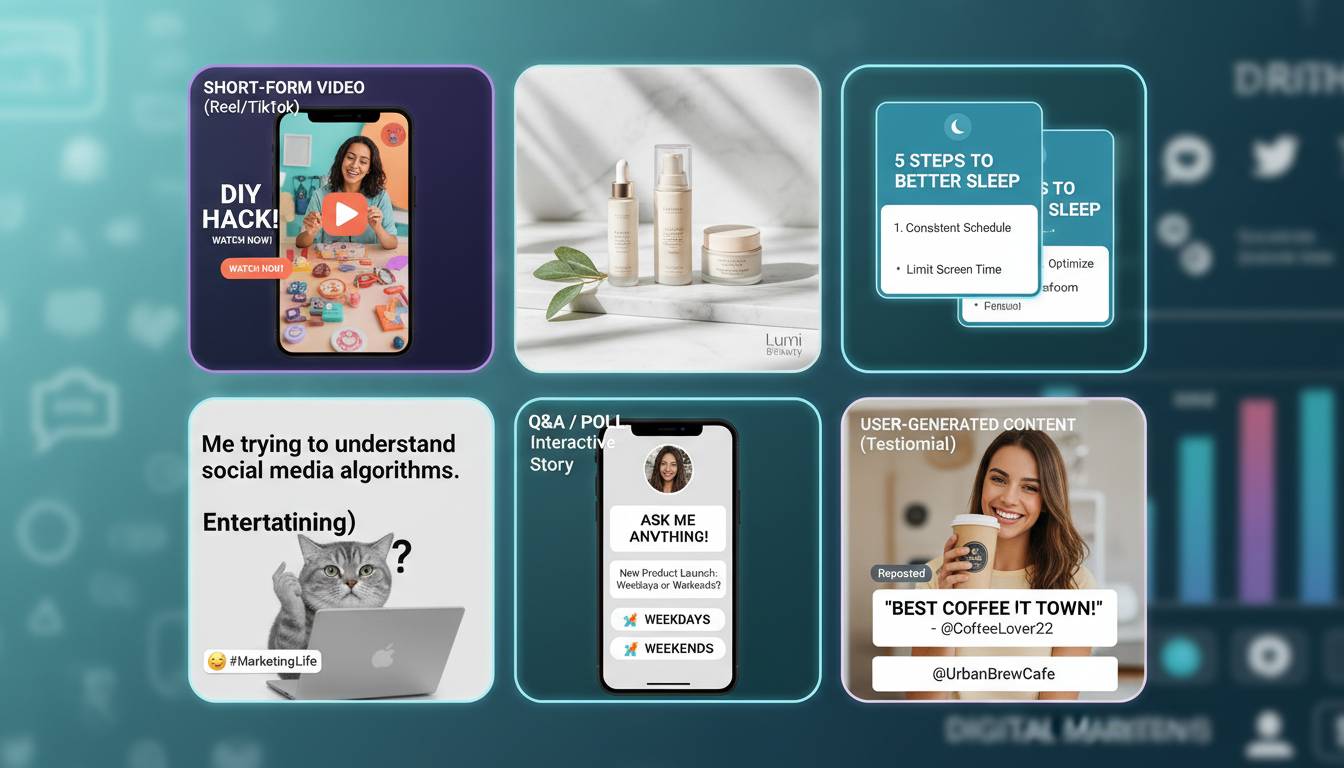
Short-form video—content under 90 seconds—keeps dominating engagement across every major platform. TikTok’s growth forced Instagram, YouTube, and even LinkedIn to build out their short-form video features.
Why does this format work so well? People have shorter attention spans now. Viewers will watch substantial content in small chunks if it hooks them in the first three seconds. Plus, short-form video costs far less to produce than traditional commercials but often gets better engagement.
Successful short-form video strategies in 2024 share a few things in common. The best brands lead with a hook, deliver value quickly, and post consistently—usually five to seven times per week on each platform. Educational content performs especially well. “How-to” videos and industry insights keep audiences watching.
The key is treating short-form video as its own content category, not just repurposed long-form content. Native approaches—using platform-specific text overlays, trending audio, and format preferences—consistently beat content simply cross-posted from elsewhere.
2. AI Integration Transforms Marketing Operations
AI has become essential for social media teams in 2024. Beyond helping create content, AI now drives audience insights, posting timing, competitive analysis, and customer service automation.
Content creation tools have improved a lot. Many platforms now offer AI-generated captions, image editing, and video production help. But the most effective approach combines AI efficiency with human oversight. AI-generated content still needs review for brand voice, accuracy, and platform-specific nuances.
Audience intelligence might be AI’s most valuable use. Machine learning analyzes engagement patterns to find the best posting times, content themes, and audience segments. These insights let teams move beyond basic demographic targeting toward understanding behavior and interests in real time.
Chatbots and automated responses have also gotten better. Modern systems handle more complex customer questions while maintaining conversation quality that works for brand relationships.
3. Platform-Specific Strategies Drive Results
Generic “post everywhere” approaches consistently underperform focused platform strategies. Each social network has different audience expectations, algorithmic preferences, and content formats.
Instagram in 2024 pushes Reels hard. The algorithm prioritizes video content. Carousel posts still work well for educational and product content. Stories provide opportunities for authentic, time-sensitive engagement. Shopping features have matured—Instagram is now a viable direct revenue channel for the right brands.
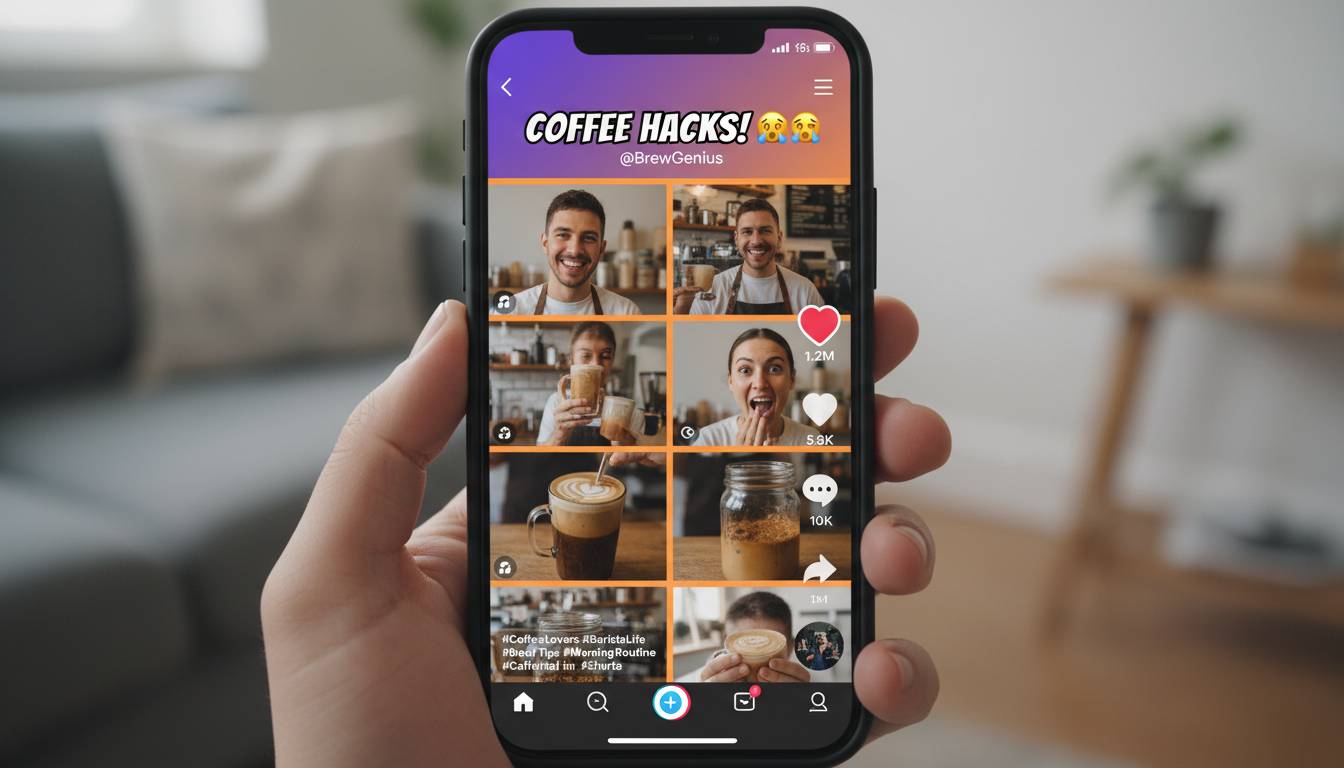
TikTok has become the discovery engine for younger audiences. The algorithm rewards consistent creators regardless of follower count, which means real opportunity for organic growth. Successful TikTok marketing requires authenticity—polished content often underperforms compared to raw, personality-driven posts.
LinkedIn is now the go-to platform for B2B social media marketing. Algorithm changes in 2024 increased visibility for text posts and articles, which helps thought leadership content. The professional context enables lead generation capabilities that consumer-focused networks can’t match.
Facebook still works for specific demographics, especially users over 35. The advertising infrastructure is mature, making Facebook essential for paid campaigns targeting broader audiences. Groups functionality enables community building that drives sustained engagement.
4. Creator Partnerships Evolve Beyond Traditional Influencer Marketing
The influencer marketing landscape has changed a lot. Brands now realize that follower count alone doesn’t tell you much about campaign effectiveness. Instead, authentic audience alignment and engagement quality matter more.
Micro-influencers—creators with 10,000 to 100,000 followers—often deliver better ROI than mega-influencers. Their audiences tend to engage more, and their recommendations feel more genuine. Costs scale more affordably too, letting brands run broader creator programs without huge budgets.
Long-term creator partnerships have mostly replaced one-off sponsored posts. Ongoing relationships let creators integrate products more naturally and build real trust with their audiences. More compensation structures now include performance-based components, which aligns creator incentives with business outcomes.
Creator economy infrastructure has matured. Platforms now help with brand-creator matching, contract management, and performance measurement, making partnerships easier to execute.
5. Community Building Replaces Broadcast Models
The most successful social media strategies in 2024 focus on building community rather than just accumulating followers. Brands that treat social platforms as broadcast channels consistently lose ground to those investing in genuine engagement.
Community-focused approaches emphasize two-way conversations. Responding to comments, featuring user-generated content, and running participatory campaigns turn passive followers into active brand advocates. This engagement helps with algorithms while building loyalty that survives platform changes.
User-generated content programs encourage customers to share brand experiences. This provides authentic social proof while building a content library. Successful programs have clear submission guidelines, proper recognition, and legal frameworks that protect both brand and contributors.
Private community spaces—Discord servers, private Groups, or dedicated platform sections—enable deeper relationship building. These environments let you share exclusive content, collect direct customer feedback, and offer premium engagement that rewards your most invested community members.
6. Social Commerce Matures as a Sales Channel
Social commerce has come a long way. Platforms now offer integrated shopping experiences that reduce friction between discovering something and buying it. Instagram Shopping, TikTok Shop, and Facebook Marketplace provide native transaction capabilities that bypass traditional e-commerce redirects.
Live shopping events have gained traction, particularly in beauty, fashion, and consumer goods. These real-time broadcasts combine entertainment with purchase opportunity. Limited availability creates urgency, and live engagement provides immediate social proof.
Successful social commerce requires platform-specific optimization. Product tagging, shoppable content formats, and integrated checkout differ significantly across platforms. Brands seeing strong social commerce results typically focus on one or two platforms rather than trying to be everywhere.
7. Data Privacy Shapes Strategy and Measurement
Privacy regulations and platform data restrictions have changed measurement capabilities significantly. Third-party cookie deprecation, Apple’s App Tracking Transparency, and various international privacy frameworks have reduced traditional tracking effectiveness.
First-party data strategies have become essential. Building email lists, website personalization, and direct customer relationships provide sustainable data assets that don’t depend on external changes. Social platforms have responded with their own first-party data solutions, though effectiveness varies.
Attribution modeling requires more sophistication now. Multi-touch attribution, incrementality testing, and holdout experiments give more accurate performance understanding than last-click attribution alone. Marketing teams need to accept some measurement uncertainty while building capabilities to estimate true campaign impact.
8. Paid and Organic Integration Maximizes Impact
The line between organic and paid social media has blurred as platforms prioritize paid content visibility. Successful strategies in 2024 integrate both approaches rather than treating them separately.
Organic content establishes brand presence, builds community relationships, and creates content libraries that paid promotion can then distribute to broader audiences. Paid promotion enables precise targeting, scaled reach, and retargeting that organic distribution can’t match.
Creative consistency across paid and organic builds brand recognition while enabling unified measurement. Teams achieving good integration typically use unified content calendars and shared asset libraries that work for both distribution approaches.
Conclusion
Social media marketing in 2024 requires more strategic sophistication than previous years. Platforms have matured, consumer expectations have risen, and competitive differentiation requires genuine value creation rather than just showing up.
The most effective approaches combine multiple strategies: short-form video for reach and engagement, AI tools for efficiency and insights, creator partnerships for authentic amplification, community building for sustainable loyalty, and integrated paid-organic execution for maximum impact.
Success comes down to understanding that social media marketing isn’t a standalone activity. It’s an integrated part of comprehensive marketing strategy. Brands that align social efforts with broader objectives, maintain consistent brand presence, and adapt as platforms evolve will capture the opportunities social media continues to offer.
Frequently Asked Questions
What are the most effective social media marketing strategies for small businesses in 2024?
Small businesses should focus on one or two platforms rather than trying to be everywhere. Picking platforms where your target audience actually spends time lets you build meaningful engagement without spreading thin. Short-form video, consistent posting, community engagement, and local targeting give small businesses the strongest foundation.
How much should businesses budget for social media marketing in 2024?
Industry benchmarks suggest allocating 25-30% of overall marketing budgets to social media, though this varies by industry and business model. E-commerce companies often invest more in social commerce. B2B organizations may prioritize LinkedIn. Small businesses can start with minimal spending, focusing on organic execution before scaling paid investments as they see results.
Which social media platform should my business prioritize?
Platform choice depends on your target audience and business objectives. Instagram and TikTok reach younger consumers effectively. LinkedIn dominates B2B marketing. Facebook still reaches users over 35 well and works for local business targeting. Research where your specific audience engages authentically rather than following general platform popularity lists.
How long does it take to see results from social media marketing?
Organic social media growth typically needs three to six months of consistent execution before meaningful results appear. Paid campaigns can generate immediate traffic and conversions but need time to optimize. Community building and brand authority take longer but compound over time. Setting realistic timelines aligned with platform realities prevents disappointment and ensures you stick with it.
How do I measure social media marketing ROI?
Effective measurement combines multiple metrics aligned with business objectives. Vanity metrics like followers and likes matter less than engagement rates, website traffic, lead generation, and conversion attribution. Establishing clear goals, implementing proper tracking, and developing attribution models that account for customer journey complexity enables meaningful ROI assessment. Many brands find incrementality testing useful for understanding true social media contribution beyond last-click attribution.