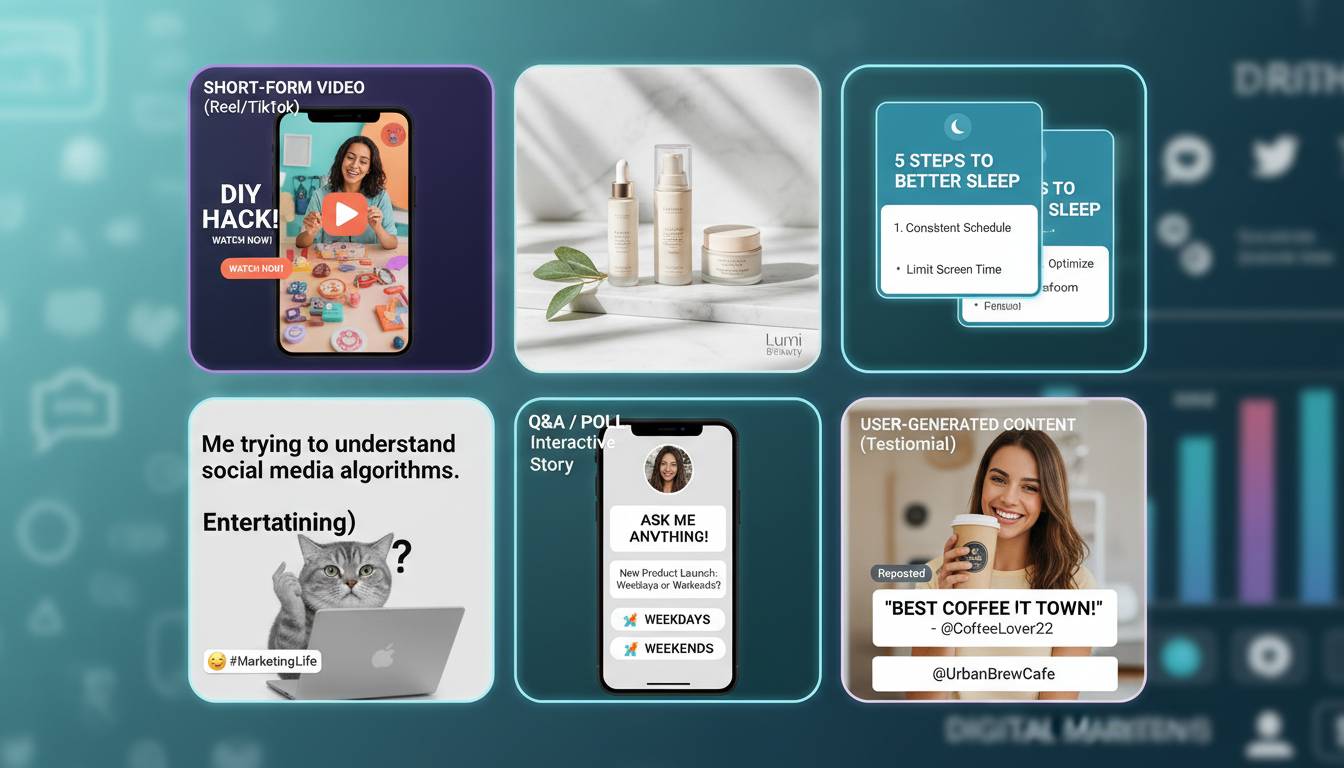
Social Media Trends 2024: The Future of Digital Marketing


The social media landscape in 2024 is changing fast—faster than most marketers can keep up with. Whether you’re a brand manager, business owner, or content creator, understanding what’s actually happening (versus what vendors want you to think is happening) matters for your strategy this year.
This guide breaks down the key trends shaping digital marketing right now: short-form video dominance, AI tools flooding every platform, privacy shifts that are breaking old targeting models, and the growing importance of building actual communities instead of just broadcasting content. I’ll cover what’s real, what’s overblown, and what you should actually do about it.
AI and Automation in Social Media Marketing
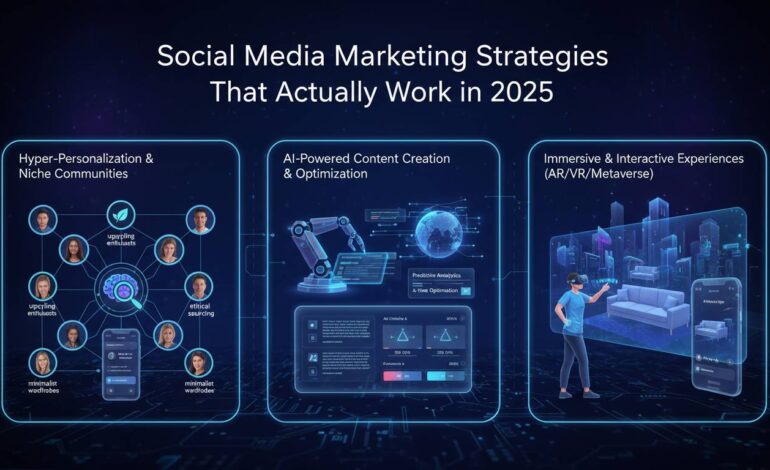
AI tools have become impossible to ignore in 2024. Every platform is pushing some kind of AI feature—automated captions, content suggestions, smart posting schedules—and marketers are scrambling to figure out what actually helps versus what’s just noise.
The most practical use cases right now are fairly mundane: drafting copy, brainstorming content ideas, scheduling posts at optimal times, and analyzing engagement data more quickly. Many teams use these tools to speed up repetitive tasks rather than replace human creativity entirely. That’s the key distinction—AI handles the busywork so marketers can focus on strategy and authentic storytelling.
Where things get murkier is in content creation itself. Some brands are generating entire posts with AI, and honestly, it shows. Audiences can tell when something feels generic or soulless. The best results come from using AI as a starting point, then adding real voice and perspective that only a human can provide.
Personalization has improved significantly thanks to machine learning. Platforms are better at showing content to people who actually care about it, which helps ad performance. But this same capability has triggered legitimate privacy concerns. Users are more aware than ever of how their data is being used, and regulators worldwide are paying attention. The brands doing this well are transparent about what they collect and why.
Short-Form Video Continues to Dominate
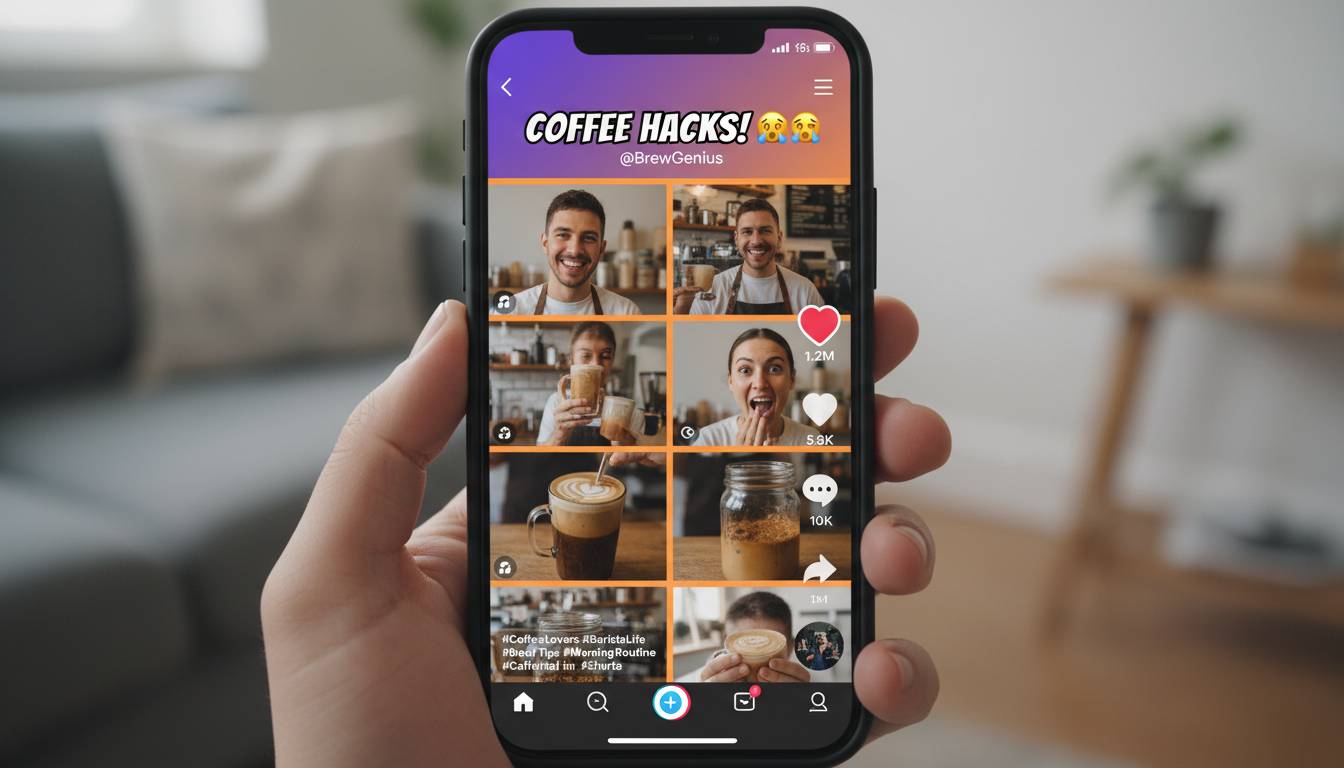
Here’s the obvious one: short-form video isn’t going anywhere. TikTok, Instagram Reels, YouTube Shorts—wherever your audience spends time, video is probably consuming most of their attention.
The format works because it fits how people actually consume content now. Waiting through a 30-second intro is a non-starter. You have seconds to hook someone, which forces brands to be more creative and direct. The results speak for themselves—video consistently beats static posts on engagement across nearly every platform.
Live streaming has grown alongside short-form video. More brands are using live content for product launches, Q&A sessions, and behind-the-scenes looks. There’s something about the rawness of live video that audiences find more trustworthy than polished feed posts. It feels real, even when it’s carefully planned.
Platform Evolution and Feature Diversification
The major platforms are all copying each other’s features. Instagram added short videos (Reels). TikTok added longer options. LinkedIn started looking more like a content platform than a job board. The lines between platforms have blurred, which makes cross-platform strategy harder but not impossible.
What’s interesting is how audiences are spreading across multiple platforms rather than sticking to one. Your Instagram followers might also be on TikTok, but they behave differently on each. Smart marketers tailor content to each platform rather than posting the same thing everywhere.
New platforms pop up regularly hoping to be the next big thing, but most fade quickly. The big five or six platforms aren’t going anywhere, but their features change constantly. Staying current requires ongoing attention rather than setting a strategy and forgetting it.
Community Building and Private Engagement
Public likes and comments aren’t everything anymore. Private communities—group chats, subscriber groups, exclusive content—have become valuable for brands that want deeper relationships with their most engaged followers.
Messaging has also gotten more sophisticated. WhatsApp, Messenger, and similar tools are now legitimate marketing channels, not just customer service outlets. Brands use them for promotions, community building, and personalized outreach. The boundary between public content and private conversation has gotten blurry in useful ways.
Creators have more ways to make money now too. Subscription models, tipping, brand deals—building a social media presence can actually be a sustainable career for more people than ever. This has raised the quality bar across the board.
Privacy, Data, and First-Party Strategy
The cookiepocalypse arrived quietly. Third-party tracking is dying, and brands are scrambling to build first-party data strategies. Email lists, website registrations, social media interactions that collect data directly—these are now essential assets.
The targeting capabilities marketers relied on for years have gotten less precise. Some brands are struggling with this; others are finding that less invasive approaches actually work better long-term. Users who choose to share data in exchange for real value tend to be more engaged anyway.
Consumer expectations have shifted. People expect transparency about how their information is used, and they’ll leave brands that feel sketchy. Privacy isn’t just a compliance issue anymore—it’s a competitive differentiator.
E-Commerce Integration and Social Selling
Buying directly through social platforms has gotten much smoother. Instagram Shopping, TikTok Shop—the checkout experience keeps improving, making impulse purchases easier than ever.
Live shopping events are gaining traction. Picture a product demonstration with a real purchase link right there in the stream. It’s not for every brand, but for the right products with the right presentation, it can drive serious sales.
The lines between content and commerce keep blurring. Sponsored posts, affiliate links, product mentions—all of it needs clear disclosure now. Audiences are skeptical of anything that feels like a hidden advertisement. Authentic recommendations still work, but transparency matters more than ever.
Preparing Your Social Media Strategy for Success
Here’s what matters most for the rest of 2024:
Video production isn’t optional anymore. If you can’t create video content, partner with someone who can. This doesn’t mean expensive productions—phone-quality video with good editing works fine.
Find your actual voice. AI can help you write faster, but it can’t replace your perspective. What do you think about your industry? What makes your take different? That’s what audiences connect with.
Build your email list. Seriously. If you haven’t been collecting emails from your social audience, start now. It’s the only asset you fully control when platforms change their rules.
Platform-specific matters more than one-size-fits-all. What works on TikTok won’t work on LinkedIn. Adapt your content to where you’re posting.
Keep learning. Platform features and algorithms change constantly. What worked last month might not work now.
Conclusion
Social media in 2024 is more complex than ever, but the fundamentals haven’t changed: create content people find valuable, be genuine about who you are, and meet your audience where they already spend time.
AI tools are helpful for efficiency but can’t replace human creativity and authentic connection. Video dominates but isn’t the only game in town. Privacy changes are forcing smarter, more respectful data practices. Community matters more than follower counts.
The brands that will thrive are the ones that adapt without chasing every shiny new thing, that invest in real relationships with their audiences, and that remember social media is fundamentally about human connection—even when the technology keeps evolving.
Frequently Asked Questions
What social media trends actually matter in 2024?
Short-form video, AI-powered tools, first-party data strategies, and community building are the big ones. The hype around some trends outweighs their practical impact, but these four are genuinely reshaping how marketers work.
How are brands actually using AI for social media?
Most use it for drafting copy, scheduling posts, analyzing data, and generating content ideas. Some create full posts with AI, but audiences tend to respond better to content that feels genuinely human. The best approach is AI assistance combined with human editing and original perspective.
Which platform should my business focus on?
It depends entirely on where your audience spends time. Younger audiences are on TikTok and Instagram. B2B professionals are on LinkedIn. Facebook still works for many consumer brands. Don’t spread yourself thin across every platform—go where your people actually are.
Is short-form video really necessary?
If you want meaningful reach and engagement, yes. Platforms actively prioritize video content, and audiences gravitate toward it. But quality and consistency matter more than polish. Regular, authentic video beats occasional perfectly produced content.
How should I handle privacy concerns in my strategy?
Build first-party data collection through email signups, website registrations, and direct social engagement. Be transparent about what you collect and why. Give users real value in exchange for their data. This approach is more sustainable long-term than relying on invasive tracking.
How do I build actual community on social media?
Create spaces for two-way conversation rather than one-way broadcasting. Reply to comments genuinely, engage in DMs, start conversations that matter to your audience. Private groups and subscriber content work well for deeper connections. Focus on a smaller, more engaged audience rather than chasing follower counts.