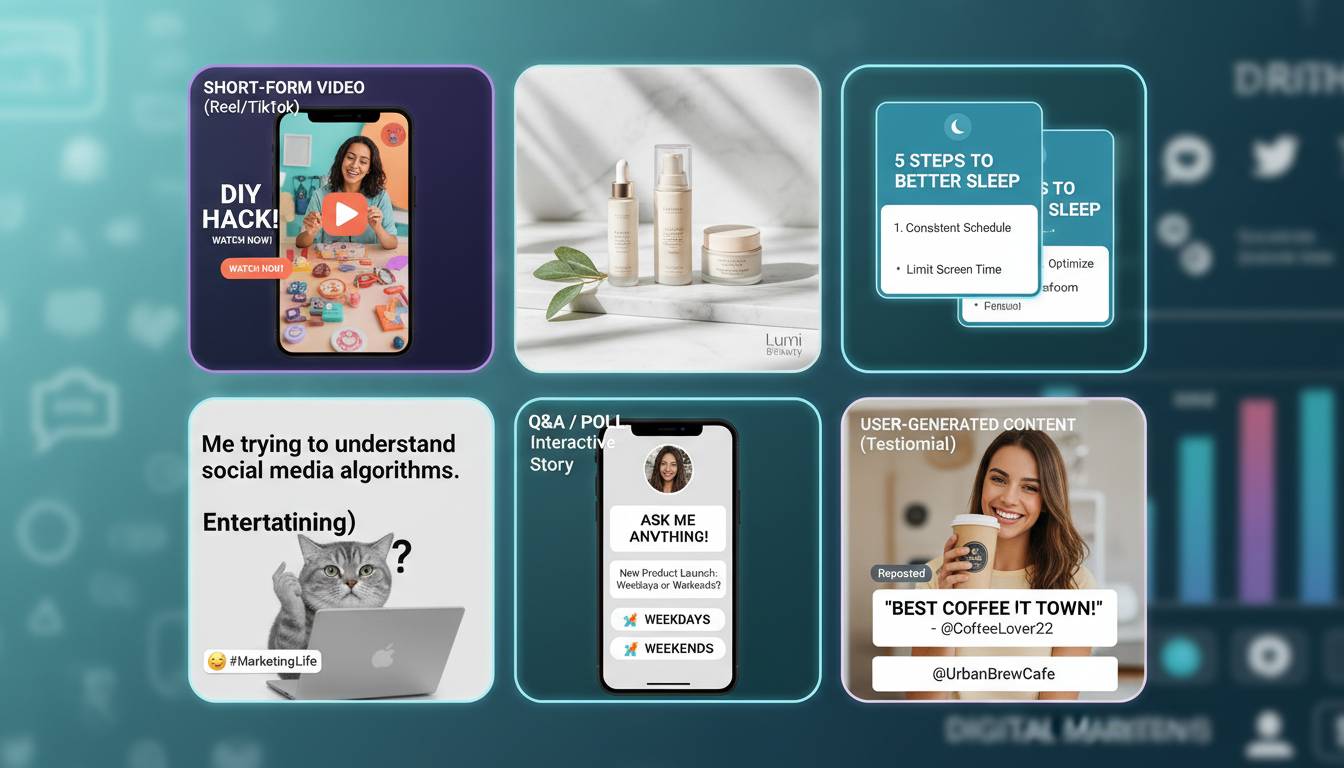
Top Social Media Trends 2024 You Need to Know

Social media moved fast in 2024, and keeping up got harder. AI started showing up everywhere, privacy rules kept shifting, and the way people actually used these platforms kept changing. If you’re marketing a brand, running a business, or creating content, understanding what’s happening isn’t optional anymore—it’s just how you stay in the game.
This guide breaks down the biggest trends shaping social strategy this year, from short-form video taking over to how brands are trying to actually talk to people instead of just shouting at them.
AI-Powered Tools Are Everywhere
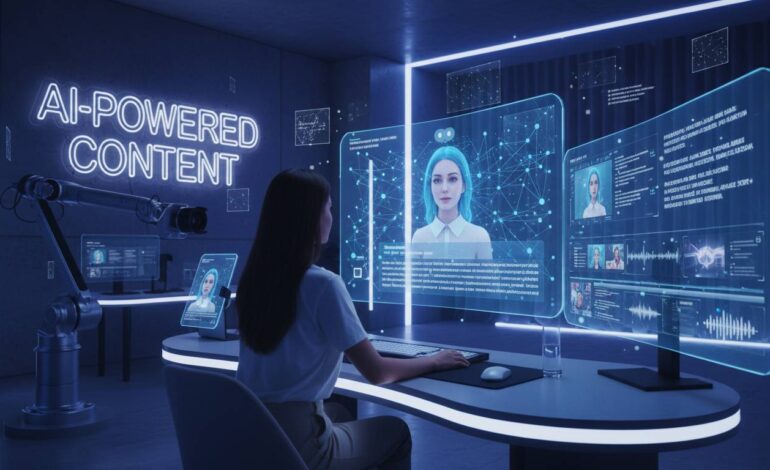
AI stopped being the shiny new thing and became just part of how social media works. Meta, TikTok, and LinkedIn all built AI features straight into their creator and ad tools—things like auto-generated captions, smart scheduling, and analytics that actually tell you something useful.
HubSpot’s research shows about 75% of marketers now use some kind of AI in their social workflows. That’s a huge jump from even a year ago. We’re talking caption writers, hashtag suggesters, and audience-targeting tools that learn what works in real time.
For smaller businesses, this is a big deal. You don’t need a whole marketing team anymore to get capabilities that used to require one. AI can tell you when to post, what might perform well, and how to tweak your content for better engagement. But here’s the catch: everyone’s using the same tools. So the brands that still win are the ones who remember that people want to connect with other people, not just optimized content machines.
Short-Form Video Isn’t Going Anywhere
Short-form video—TikToks, Reels, Shorts—became the main driver of engagement in 2024. If your content is under 60 seconds and holds attention, the algorithms reward you with reach. Plain and simple.
Even LinkedIn, of all places, started pushing video. That tells you something. The platforms made it obvious where they want creators to go, and most of them went there.
For businesses, this means real resources. Either you’re making videos in-house or you’re partnering with people who do it well. One thing worth noting: the messy, authentic stuff often beats the polished corporate productions. Audiences can tell the difference between “we hired a production company” and “someone actually works here and wanted to show you something.”
Shopping Got Integrated Into Everything
Buying stuff directly through social media stopped being an experiment and became real money. Instagram Shopping, TikTok Shop, Facebook Marketplace—they all grew up fast. It’s not about browsing anymore; it’s about seeing something in a video and buying it without leaving the app.
Live shopping caught on too. Creators host live streams where they demo products and people buy right there. It’s part entertainment, part retail therapy.
Sprout Social projects US social commerce sales will top $80 billion in 2024, up more than 25% from last year. Brands are pouring money in because that’s where the eyeballs are. And for Gen Z? They start product research on TikTok, not Google. That’s the real shift.
Real Connections Beat Perfect Content
After years of brands posting glossy, everything-is-fine content, audiences in 2024 clearly prefer something different. They want authenticity. They want to see the mess, the behind-the-scenes, the actual humans running the account.
The brands doing this well don’t just post and leave. They reply to comments. They repost what their customers make. They show up in the comments and have actual conversations. And the algorithms notice—content that gets real interaction gets pushed further.
Private communities grew too. Discord servers, private Instagram accounts, subscription groups—brands building spaces where their most dedicated followers can feel like part of something. It’s not just an audience anymore; it’s a community, and communities need tending.
Privacy Changes Messed With Everything
Apple’s App Tracking Transparency, Google’s privacy updates, new state laws—all of it cut off access to the third-party data that used to make social ads so precise. Targeting got harder. Tracking across sites got basically impossible.
So now brands are scrambling to collect first-party data. Email lists, website personalization, giveaways that get people to share info—anything to build direct relationships. The platforms are helping advertisers adjust, but it’s a fundamental shift. You’re not following people around the internet anymore; you’re earning their attention.
This affects content too. Without cross-platform tracking, brands have to actually understand who they’re talking to through comments, DMs, and feedback. The ones who figure this out will build something lasting. The ones who don’t will keep throwing money at ads that perform worse every year.
Influencer Marketing Got Serious
Remember when influencer marketing felt like the Wild West? 2024 felt more like the成熟期 (maturation phase). Pricing got more standard. Contracts got real. Everyone started expecting actual results they could measure.
Micro-influencers—creators with 10k to 100k followers—became the sweet spot. They get better engagement than the mega-names and cost less. Their audiences are more focused, more loyal, more likely to actually buy something.
The FTC got more serious about disclosure too. If someone’s paid to say something, it has to be clear. And the best partnerships aren’t one-off sponsored posts—they’re longer relationships where the creator actually uses and believes in the product. That authenticity shows.
Don’t Put All Your Eggs in One Platform
Any brand still depending on just one social network learned a hard lesson in 2024. Algorithms change. Accounts get banned. What works today might not work tomorrow. Smart marketers spread their presence around.
The creator economy kept exploding. More people make real money from social content than ever—creator funds, subscriptions, tips, brand deals. It’s a career now, not a side hustle. That raised the bar for everyone competing for attention.
For businesses, that means more options for finding talent. You can do one-off campaigns or long-term ambassador programs. The key is finding creators whose values actually match yours—not just chasing follower counts.
Frequently Asked Questions
What’s the biggest social media trend in 2024?
AI integration probably affects everything more than any single trend. It’s in content creation, analytics, targeting, and ad optimization. But short-form video and social commerce are close behind in terms of changing how people actually use these platforms.
Which platform is growing fastest?
TikTok still leads in growth, though it’s steadied from the earlier boom years. Instagram Reels and YouTube Shorts grew a lot too—short video became everyone’s game. LinkedIn saw notable growth in professional content, especially thought leadership.
How should businesses change their strategy for 2024?
Make video a priority, however you can. Focus on building real community instead of just broadcasting. Get serious about first-party data before the next privacy change makes it even harder. And remember: automation helps, but people still want to talk to people.
What’s AI’s role in social media marketing now?
Everything. Content help, predictions, chatbots, targeting. Small businesses now have tools that were only for big companies with big budgets a few years ago. But the brands that use AI while keeping a human voice are doing better than the ones going full robot.
How is influencer marketing different now?
More professional, more measurable, more regulated. Long-term partnerships beat one-off deals. Micro-influencers often deliver better results than the big names. And fake partnerships? Audiences can tell, and they don’t like it.
What’s coming next?
More of the same but faster. Privacy keeps evolving. Video stays king, but new formats will appear. The brands that win will be the ones treating social media as relationship-building, not just another channel to yell from.
Wrapping Up
2024’s social media trends point to something pretty clear: the platforms are maturing, the audiences are smarter, and the old playbook doesn’t work as well anymore.
What matters now: video first, community over broadcast, privacy-proof your data strategy, and use AI without losing your voice. The best social media feels like a conversation, not a commercial. That’s not going to change.
Staying flexible matters more than having the perfect plan. Keep an eye on what works, listen to your audience, and be ready to shift. The trends here give you a direction, but the specifics are up to you.