Social Media Trends 2025: What’s Next for Marketers

The social media landscape in 2025 looks radically different from what it did just a few years ago. AI now weaves through every platform, algorithms shift constantly, and user behavior keeps marketers on their toes. For brands trying to stay competitive, grasping these shifts isn’t optional—it’s the price of admission. This piece breaks down the trends that will shape social strategy through the rest of the year.
Platform-Specific Trends Shaping 2025
TikTok’s Continued Market Leadership
TikTok still dominates as the fastest-growing social platform, with engagement numbers that leave older competitors in the dust. Its algorithm rewards creativity and authenticity regardless of follower count, giving brands real shots at going viral without huge followings. Among its core audience, average daily session time now tops 95 minutes—making TikTok a must-have for reaching younger crowds.
The platform’s shopping features have turned it into an actual sales channel, not just entertainment. TikTok Shop lets creators and brands sell directly in the app, with transaction volumes up over 150% year-over-year. Marketers are pouring more of their social budgets into TikTok, drawn by its unique ability to build awareness and drive conversions in the same scroll.
Instagram’s Strategic Pivot
Instagram has shifted gears in 2025, pushing video harder while building out creator monetization tools. Reels now drive over 60% of total engagement, forcing brands to think video-first. Meta has rolled out new revenue-sharing programs and better analytics, giving creators deeper looks at how their audiences behave.
Shopping on Instagram has also matured. Instagram Checkout processes billions in annual transactions, and brands using its built-in commerce features see higher conversion rates than those sending users to external sites. For direct-to-consumer brands, the streamlined purchase path is becoming hard to ignore.
LinkedIn’s Professional Transformation
LinkedIn is having its best decade yet. The platform’s focus on professional content and industry thought leadership has connected with people hungry for real insights. Video posts on LinkedIn pull about five times the engagement of text-only updates, pushing more professionals toward multimedia.
New AI tools suggest content topics and help writers refine their posts, while enhanced newsletter features let experts build loyal readerships around niche topics. For B2B marketers, LinkedIn has become the place to establish authority, generate qualified leads, and nurture business relationships through the sales process.
Emerging Platforms Gaining Traction
Established platforms still command most attention, but newer players are carving out dedicated audiences. Threads, Meta’s answer to X, has grown to over 300 million monthly users, becoming a real option for brands targeting news junkies and conversation-heavy communities. Its real-time format works especially well for live events and breaking news.
BeReal’s raw photo-sharing approach still appeals to younger users tired of polished feeds, though commercial potential remains limited. Some brands have cracked the code with campaigns that embrace the platform’s spontaneous, unfiltered vibe.
Content Format Trends Defining Engagement
Short-Form Video Dominance
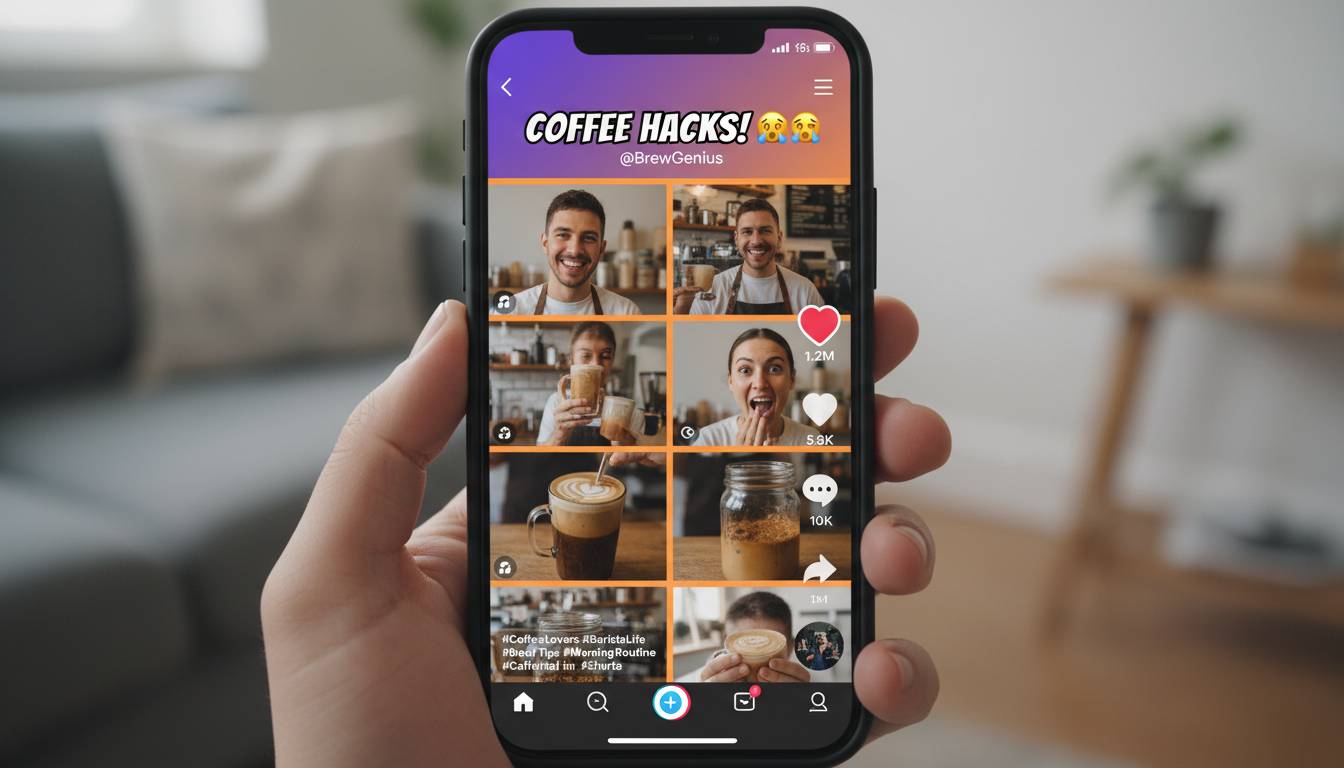
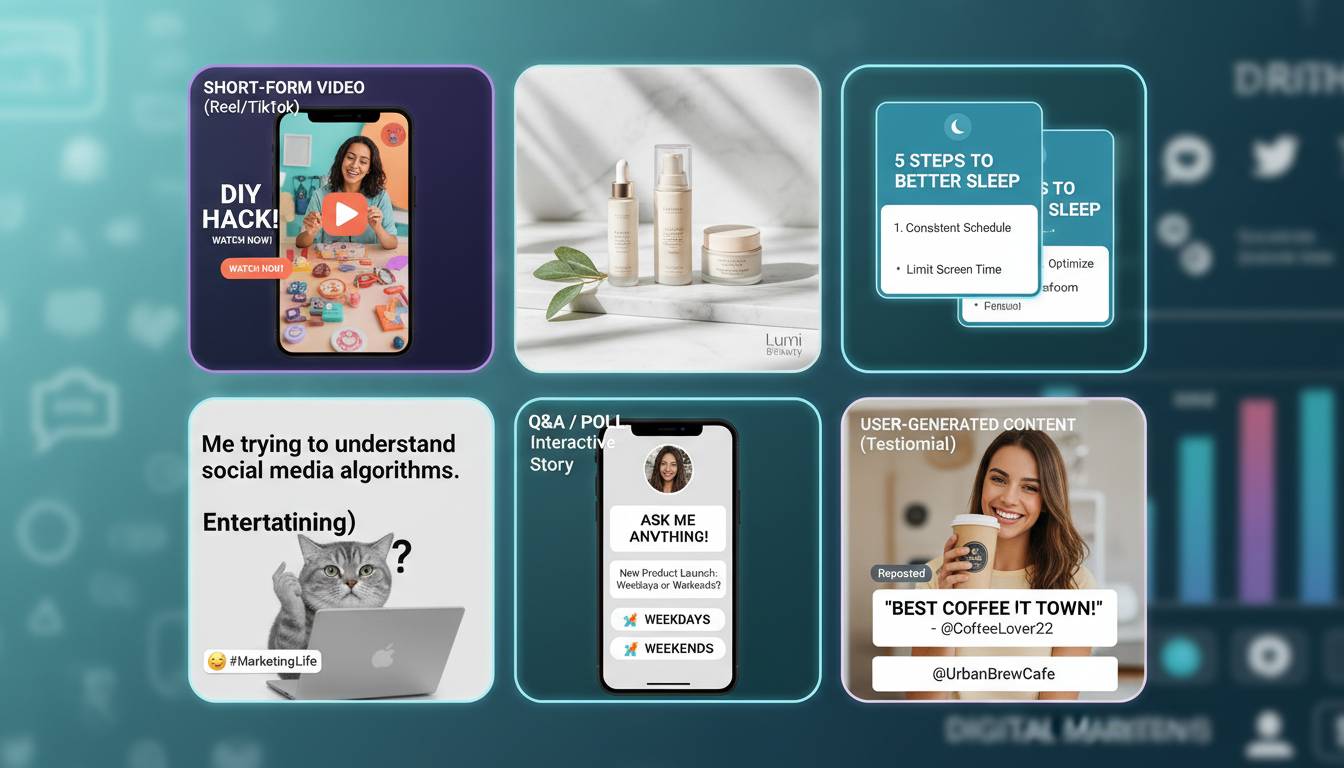
Short-form video dominates engagement across every major platform. Viewers now consume over 80 minutes of short video daily—a massive shift in how people spend their time. Brands that have figured out concise, compelling video storytelling see engagement rates far higher than those sticking with static posts.
This format works because it matches how people actually consume content now: quick hits that deliver value without demanding much time. Marketers are reorganizing around video-first strategies, with many directing over 70% of social budgets to video production.
Platform algorithms reward video heavily, offering extra organic reach as incentive. The real trick is grabbing attention in the first few seconds while delivering something worth sharing.
Authenticity Over Production Quality
Audiences increasingly prefer rough, real content over slick brand messaging—a trend that should make brands rethink their approach. Behind-the-scenes footage, employee takeovers, and raw, unedited clips consistently outperform highly curated posts. People have gotten skilled at spotting inauthentic pitches, and they reward brands that show genuine personality.
This authenticity shift touches everything from influencer deals to how brands handle customer service publicly.
Community-Led Content Strategies
The best performers in 2025 treat social media as a two-way conversation, not a broadcast channel. Brands that involve audiences in content creation, product ideas, and storytelling see way higher engagement and loyalty. User-generated content campaigns, polls, and collaborative challenges build real communities.
This community focus extends to customer service. Brands handling issues publicly on social media show responsiveness that observers notice and appreciate.
AI and Technology Integration Reshaping Strategy
AI-Powered Content Creation Tools
AI has completely changed how teams create content. Writing tools generate post ideas and draft copy, video editors speed up production, and scheduling tools optimize posting times based on what will perform best. Smaller teams can now produce professional-quality material that once required big creative shops.
Platforms themselves have integrated AI assistants that help with captions, hashtags, and optimization. These tools boost efficiency, but marketers who succeed still emphasize that human creativity and strategic judgment matter for building real connections.
AI also handles analytics and optimization. Machine learning predicts performance in real time, letting marketers make informed calls about strategy, timing, and audience targeting with much more confidence.
Hyper-Personalization Through Technology
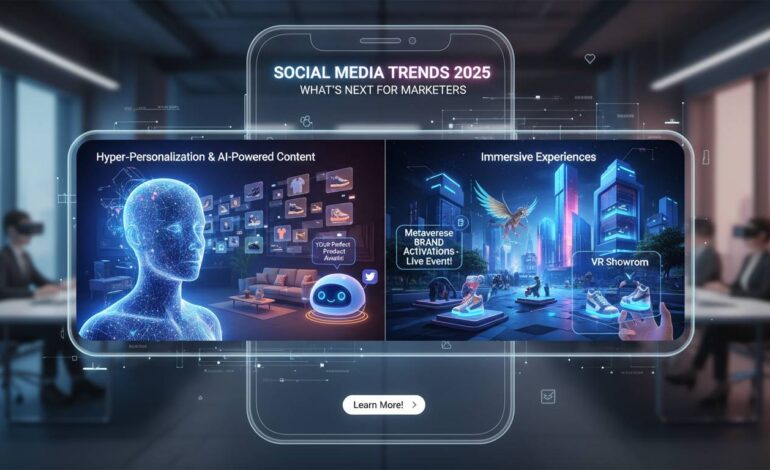
Personalization has moved way past basic demographic buckets. AI systems now analyze individual behavior patterns to deliver highly customized content experiences. Some brands report conversion rate jumps over 40% from personalized social advertising.
This goes beyond messaging to include timing, format preferences, and content variations tailored to different audience segments. Sophisticated marketers create multiple versions optimized for different groups, letting automated systems serve the right content to each person. The challenge is scaling personalization without crossing into territory that feels invasive and damages trust.
First-Party Data Strategies
Third-party cookies are fading fast, pushing brands to collect first-party data through social channels. Newsletter signups, community memberships, and preference centers have become essential infrastructure for building direct relationships with customers.
Platforms have responded with better first-party data tools. Meta’s Conversions API and similar features let brands share data directly while staying privacy-compliant. Brands investing in first-party data get better measurement accuracy and less dependence on changing platform policies.
Marketing Strategy Trends for Business Impact
Influencer Partnership Evolution
Influencer marketing has grown up. Brands are moving away from one-off sponsored posts toward long-term ambassador relationships. Research shows sustained partnerships deliver better ROI through accumulated trust and more natural content integration.
Micro and nano-influencers have gained traction as brands realize smaller audiences often mean better engagement and more dedicated followers. The partnerships that work best involve real alignment between brand values and creator content, with clear disclosure of sponsored relationships.
Social Commerce Maturation
Social commerce has moved from experiment to established sales channel. Platform shopping experiences now let users complete purchases without leaving the app, cutting friction dramatically. Live shopping events have taken off, blending entertainment with convenient buying.
AR features enhance the experience too. Users can virtually try products or see items in their space before buying, leading to more confident decisions and fewer returns.
Cross-Platform Measurement and Attribution
Multi-platform strategies need solid measurement that tracks customer journeys across touchpoints. Brands have invested in unified analytics tools that connect interactions across platforms, enabling accurate attribution of sales to specific social investments.
Incrementality testing has become standard for advanced marketers, helping isolate true causal impact of social activities beyond simple correlations. These approaches clarify what social media actually contributes to business results, guiding smarter budget decisions.
Conclusion
The trends defining 2025 reflect a social media ecosystem that’s matured significantly. Authenticity, smart technology use, and strategic sophistication separate the winners from the rest. Brands embracing AI tools while keeping human connection real will capture attention in an increasingly crowded space. The merging of entertainment and commerce, combined with hyper-personalization, creates real opportunities for brands willing to evolve. Success demands constant learning, decisions backed by data, and genuine value for audiences.
Frequently Asked Questions
What will be the biggest social media trend in 2025?
AI integration across every part of social marketing—from content creation to targeting and optimization—is the biggest shift. Short-form video still dominates engagement, but authenticity matters just as much. Audiences can tell the difference between real interaction and manufactured messages, and they respond accordingly.
Which social media platform should businesses prioritize in 2025?
It depends entirely on who you’re trying to reach and what you’re selling. TikTok leads for reaching younger audiences at scale. LinkedIn dominates for B2B. Instagram works well for consumer brands. Emerging platforms like Threads offer early advantages for brands with relevant audiences. There’s no universal answer.
How is artificial intelligence changing social media marketing?
AI automates content creation, predicts optimal posting times, enables hyper-personalized ad targeting, and powers faster customer service. Teams using AI tools report better efficiency and results, though human oversight stays crucial for keeping things authentic and strategically aligned.
What social media trends should small businesses focus on?
Small businesses should lean into authentic engagement rather than polished production. User-generated content builds trust. Platform-native shopping features simplify sales. Short-form video has become achievable for teams without big budgets—it’s actually a smart starting point for businesses with limited resources.
How important is video content for social media success in 2025?
Essential. Short-form video specifically dominates engagement everywhere. Brands ignoring video risk serious reach limitations as algorithms prioritize visual content. But the production value matters less than authenticity and actual value—what’s the hook in the first few seconds?
What role do influencers play in social media trends 2025?
Influencer marketing has matured toward long-term ambassador deals rather than transactional sponsorships. Micro-influencers often outperform bigger names because their communities are more engaged and trust runs deeper. The best partnerships feel genuine, with creators maintaining real editorial control and clear disclosure of paid relationships.