Social Media Marketing: 10 Proven Strategies That Work

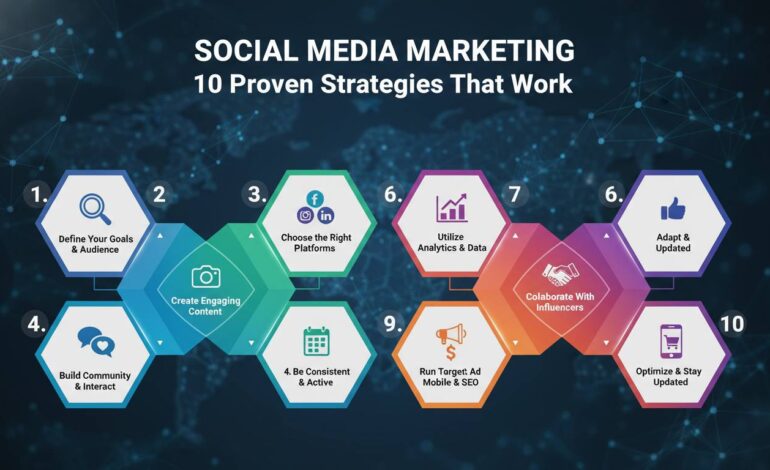
Social media has changed how businesses connect with their audiences. With billions of people using Facebook, Instagram, LinkedIn, and TikTok every day, companies can no longer ignore what these platforms offer for building brand awareness, driving traffic, and generating leads. This guide covers ten strategies that can help businesses get real results from their social media efforts.
Why Social Media Marketing Matters
Social media marketing involves more than just posting content. It includes audience research, content creation, analytics, and paid advertising. More than 4.5 billion people worldwide use social media—that’s over half the global population. This reach gives businesses a chance to connect with potential customers where they already spend time online.
Social media has real advantages over traditional marketing. It lets businesses talk directly to their audiences and build actual relationships instead of just broadcasting messages. The analytics tools show what works so marketers can adjust their strategies. Advertising on social media costs less than many traditional channels and lets you target specific demographics, interests, and behaviors—making every dollar count.
Understanding Your Audience Before Building Your Strategy
Before creating content or choosing platforms, you need to understand who you’re trying to reach. Figure out who your ideal customers are, what problems they have, and where they spend time online. This research forms the foundation of everything else.
Building detailed buyer personas helps you visualize your target customers. Include demographic information like age, location, income, and education, plus interests, pain points, and how they behave online. Knowing where your audience spends time matters because each platform attracts different groups. LinkedIn draws professionals looking for industry insights; TikTok pulls in younger audiences seeking entertainment and trending content.
10 Proven Strategies for Social Media Marketing Success
Define Clear Goals and Key Performance Indicators
Every campaign needs clearly defined objectives. Whether you want more brand awareness, website traffic, leads, or sales, specific goals give you direction and let you measure success. Common goals include growing your follower base, increasing engagement, improving conversion rates, and building community.
KPIs let you track progress and make decisions based on data. Important metrics include reach, impressions, engagement rate, click-through rate, conversion rate, and return on ad spend. Checking these regularly shows what’s working and what needs changing.
Choose the Right Platforms for Your Business
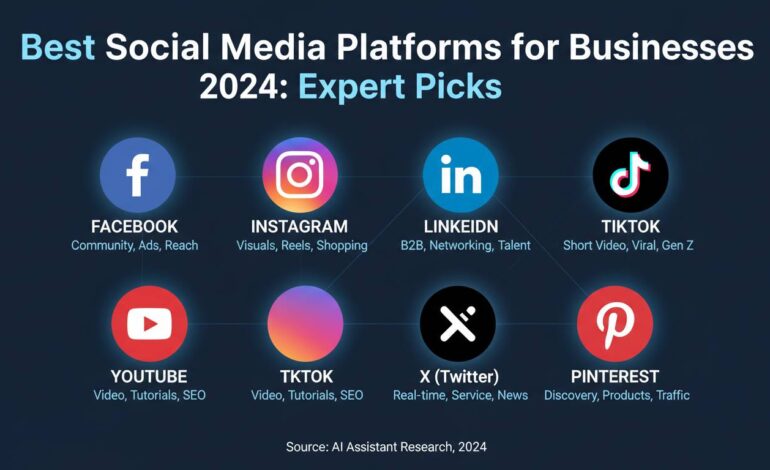
Not every platform works for every business. Picking the right ones depends on where your target audience spends time and what content you want to create. Facebook has over 2.9 billion monthly users—good for broad audiences. Instagram works best for visual brands in fashion, food, travel, and lifestyle.
LinkedIn matters for B2B companies and professional services. TikTok reaches younger demographics through short-form video. Twitter (now X) handles real-time updates and customer service. Pinterest drives e-commerce traffic for home décor, wedding planning, and DIY projects. Focusing on two or three platforms where your audience actually spends time beats spreading yourself thin across everything.
Create High-Quality, Consistent Content
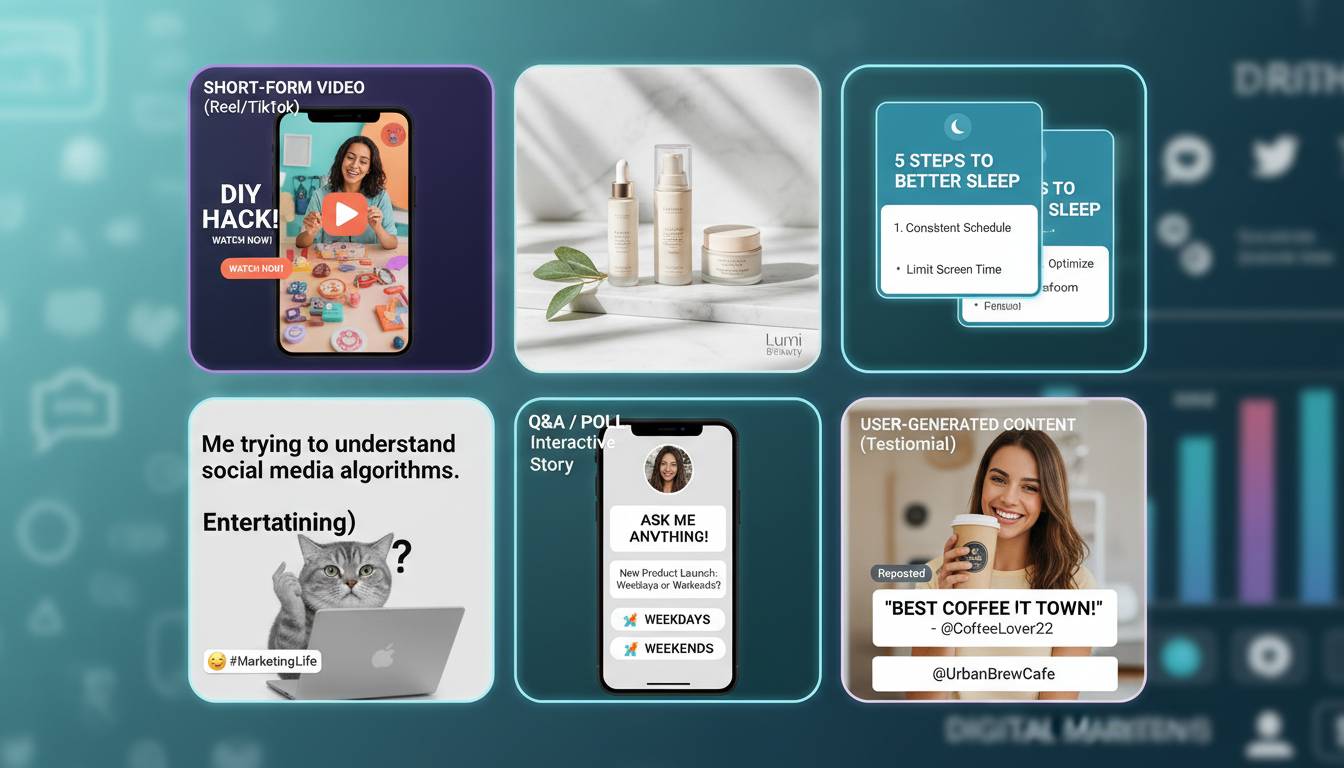
Content quality affects engagement and how people see your brand. Valuable, entertaining, or educational content that solves problems builds trust and gets shared. Posting consistently helps audiences know what to expect and keeps your brand visible. A content calendar ensures regular posting and coordinates with business events, holidays, and campaigns.
Visual content outperforms text-only posts on most platforms. Good images, well-designed graphics, and professional videos capture attention and boost engagement. Quality matters more than quantity—exceptional content beats posting more often. The best content provides real value rather than just promoting products.
Leverage the Power of Video Content
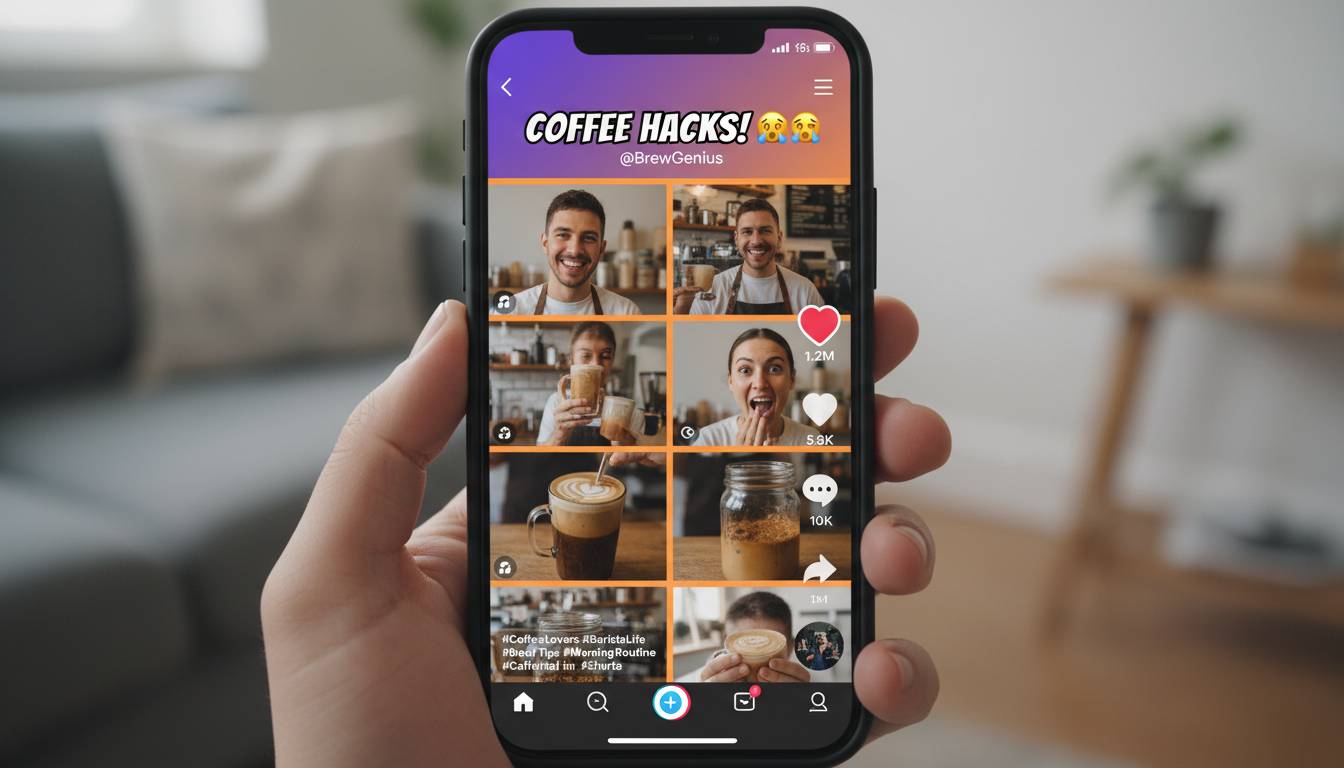
Video has become the dominant form of content, and platforms prioritize it in their algorithms. Short videos under 60 seconds do well on Instagram Reels, TikTok, and YouTube Shorts. They’re engaging and shareable, great for reach and awareness.
Long-form videos on YouTube let you provide more detail and build deeper connections. Behind-the-scenes content, tutorials, product demos, and customer testimonials work well. Live streaming offers real-time engagement and authentic connections. Businesses using video consistently see better engagement and conversions.
Engage Authentically With Your Audience
Social media works when businesses treat these platforms as two-way conversations, not broadcast channels. Responding to comments, messages, and mentions shows you value your audience and builds community. Asking questions, running polls, and featuring user-generated content encourages participation.
Building real relationships with followers takes time but pays off in loyalty and advocacy. Recognizing and featuring content your followers create rewards customers and encourages others to engage. These conversations reveal customer preferences, pain points, and expectations that can improve your broader marketing and product strategies.
Utilize Influencer Marketing Strategically
Influencer marketing has become important, with brands partnering with content creators to reach new audiences. Micro-influencers with 10,000 to 100,000 followers often get better engagement and more authentic connections than mega-influencers. The key is finding influencers whose values match your brand and whose audiences are your target customers.
Successful partnerships go beyond product placement—they involve real collaboration. Give influencers creative freedom while setting clear brand guidelines. Track campaign performance with unique discount codes or affiliate links to measure return on investment.
Implement Paid Social Advertising
Organic reach keeps declining as more businesses compete for attention, making paid advertising necessary. Social platforms offer targeting that lets you reach specific demographics, interests, behaviors, and even custom audiences from website visitors or customer lists. This precision gets better conversion rates than traditional advertising.
A/B testing different ads, headlines, and targeting options optimizes performance over time. Start with smaller budgets while testing approaches, then scale up what works. Retargeting campaigns—reaching people who already interacted with your brand—convert much better than prospecting campaigns targeting new audiences.
Optimize Your Posting Schedule
Timing affects how many people see and engage with your content. Knowing when your specific audience is most active on each platform maximizes reach and engagement. While general patterns exist, optimal posting times vary by industry and audience, so testing and analysis matter.
Most social media tools show when your followers are active, letting you schedule strategically. Using social media management tools ensures consistent posting even during busy periods or outside business hours. But stay flexible for real-time engagement and timely responses.
Build and Nurture an Online Community
A dedicated community around your brand provides long-term value. Communities foster loyalty, generate word-of-mouth referrals, and create customers who advocate for your brand. Hosting exclusive events, offering special benefits, and helping community members connect strengthens these relationships.
User-generated content campaigns encourage members to create content featuring your products, providing social proof while deepening their connection. Recognizing and rewarding active members motivates continued participation and inspires others to engage. That sense of belonging translates into powerful brand advocacy and customer retention.
Continuously Analyze and Optimize Your Strategy
Ongoing analysis and refinement based on performance data keeps your strategy effective. Regularly reviewing metrics reveals trends, shows what content resonates, and finds improvement opportunities. Setting up regular reporting ensures insights become actionable changes.
A/B testing different content types, posting times, ad creatives, and targeting options shows what actually works for your specific audience. Keeping up with platform algorithm changes and emerging trends maintains your competitive advantage. Successful practitioners treat their strategy as something that evolves based on data and market conditions.
Conclusion
Social media marketing gives businesses unprecedented opportunities to connect with audiences, build brand awareness, and drive measurable results. Implementing these ten strategies helps businesses develop approaches that deliver sustainable growth. Success requires commitment, consistency, and willingness to adapt based on data and audience feedback. Businesses that invest in building genuine relationships and providing value through their social media presence will see increased brand loyalty and business growth.
Frequently Asked Questions
What is social media marketing and why is it important?
Social media marketing uses social media platforms to promote products, services, or brands while engaging with target audiences. It matters because it reaches billions of active users, builds direct customer relationships, and achieves marketing goals at lower costs than traditional advertising. The ability to target specific demographics and measure results makes it essential for modern marketing.
How do I start social media marketing for my business?
Start by defining clear goals and identifying your target audience. Research which platforms your audience uses most, then create profiles there. Develop a content strategy that provides value, and post consistently. Use analytics to learn what resonates and refine your approach based on performance data.
What are the main types of social media marketing?
The main types include content marketing (posts, videos, images), influencer marketing (partnering with creators), paid advertising (targeted ads), community management (engaging followers), and analytics-based optimization (using data to improve). Most effective strategies combine several types.
Which social media platform is best for marketing my business?
The best platform depends on your business and audience. Facebook works for most businesses due to its size. Instagram excels for visual brands. LinkedIn suits B2B companies. TikTok reaches younger demographics. Research where your specific audience spends time and focus there rather than trying to be everywhere.
How long does it take to see results from social media marketing?
Organic social media typically needs three to six months of consistent effort before significant results appear. Building an audience and refining your strategy takes time. Paid advertising can deliver faster results, often within days or weeks. Organic growth requires patience but creates more sustainable, long-term success.
How much should I budget for social media marketing?
Budget varies by business size, goals, and strategies. Small businesses might start with free organic marketing and gradually invest in tools and advertising. A common guideline suggests allocating about 25% of your total marketing budget to social media, though this varies by industry. Many businesses start modestly and scale up as they find what works.