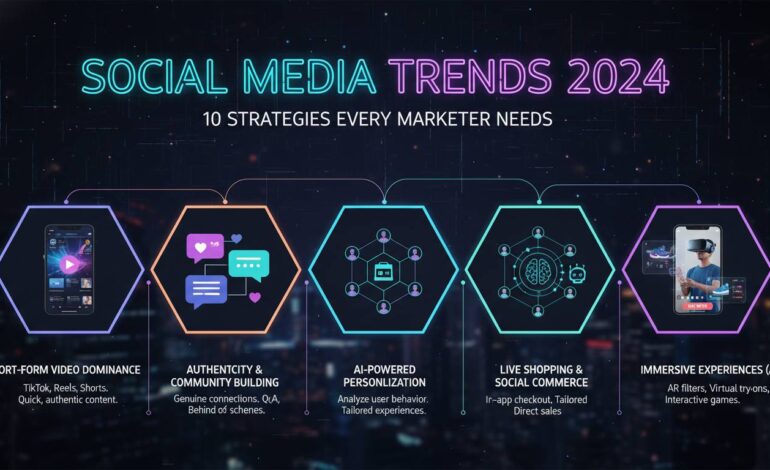
Social Media Trends 2024: 10 Strategies Every Marketer Needs

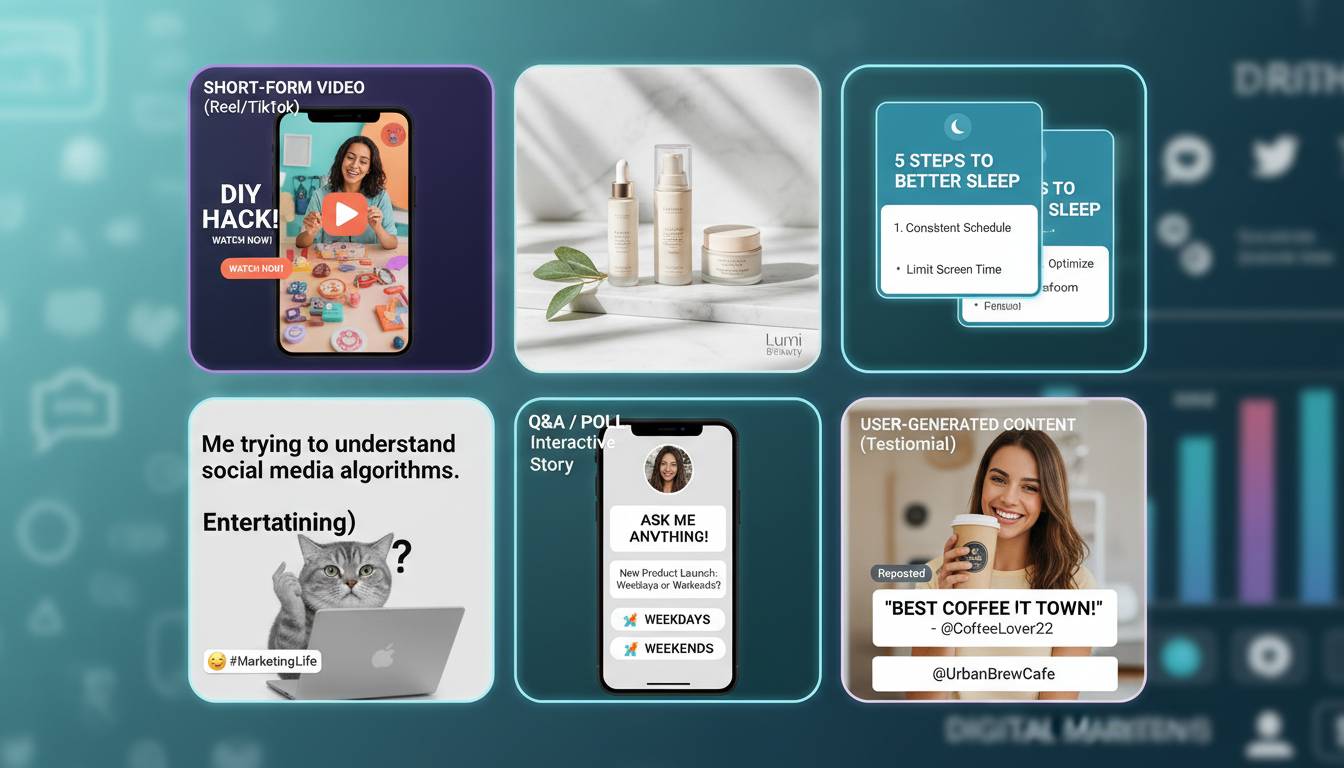
Social media marketing changed a lot in 2024. That’s not exactly breaking news—it’s been changing constantly for years now. But this year felt different. AI went from experimental gimmick to everyday tool, short-form video got even more dominant, and the whole “authenticity” thing stopped being a buzzword and became something brands actually had to reckon with.
Here’s what’s actually worth paying attention to.
1. AI Is Everywhere—But It Still Needs a Human
Let’s be honest: if you’re not using AI in your social workflow at this point, you’re probably spending way too much time on things that can be automated. Captions, basic image generation, performance reporting, content scheduling—it’s all faster with AI tools. HubSpot’s survey showing 68% of marketers using AI daily feels about right.
What got more interesting was the conversation that followed. Once everyone had access to the same tools, the playing field leveled in some ways but also got more competitive. Now the differentiator isn’t whether you use AI—it’s how you use it alongside actual creativity. The brands doing best here treat AI as a productivity booster, not a replacement for knowing their audience.
2. Short-Form Video Isn’t Going Anywhere
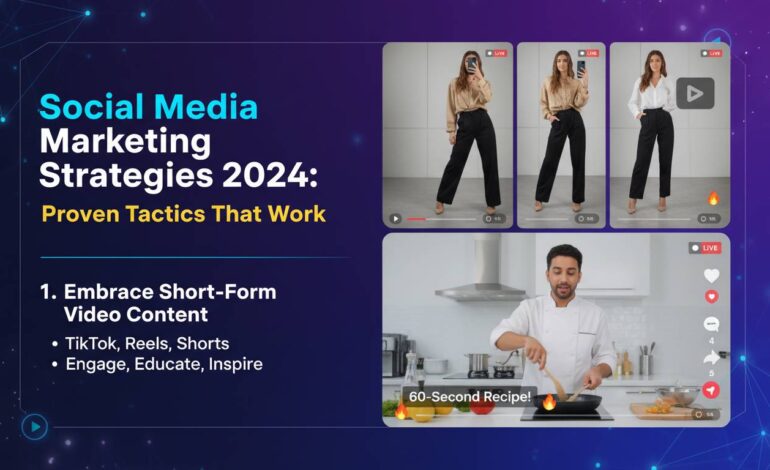
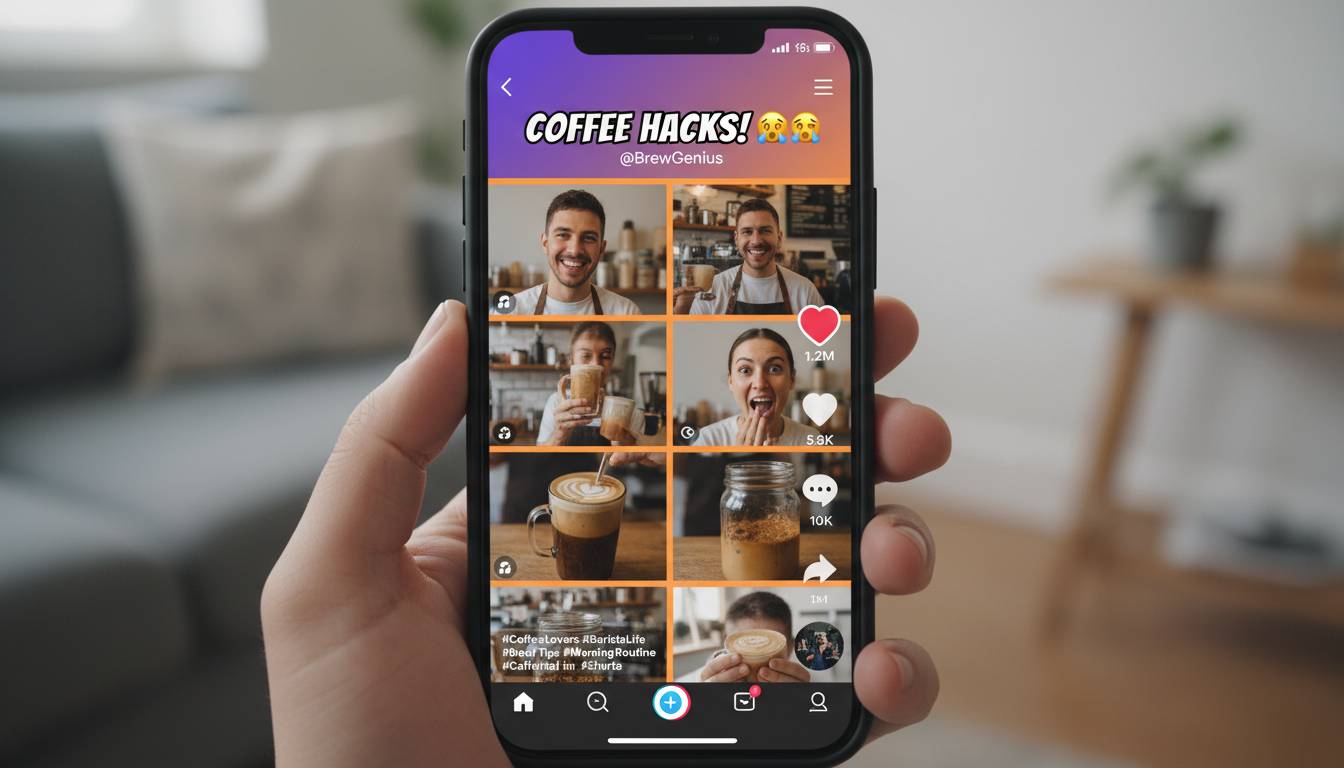
Three to five times the engagement of static posts. That’s the number brands keep seeing when they compare Reels and TikToks to their image posts. The gap is so massive that ignoring short-form video isn’t really a choice anymore—it’s just falling behind.
The speed aspect is worth noting too. The best creators in this space have gotten content cycles down to hours, not weeks. That means brands need systems in place if they want to hop on trends in real time. It’s a different workflow than the planned, polished approach that worked a few years ago.
3. Audiences Want Real, Not Perfect
Here’s the thing about authenticity: everyone talks about it, but it actually requires changing how you create content. Showing the messy behind-the-scenes moments, letting employees speak in their own voices, sharing actual customer experiences—none of that happens without buy-in from leadership who are used to carefully curated brand images.
The payoff is real though. User-generated content campaigns consistently outperform branded content in organic reach. And in influencer marketing, the micro-influencer trend (10K-100K followers) keeps growing because those creators usually have more trust with their audiences than someone with millions of followers who’s clearly doing a paid sponsorship.
4. You Can Actually Sell Things Now
Social commerce matured a lot in 2024. Instagram Shopping, TikTok Shop, Facebook Marketplace—they all got better at letting users buy without leaving the app. The friction that used to kill conversions? Mostly gone.
Live shopping deserves a special mention. It’s not for every brand, but the ones doing it well are seeing conversion rates that dwarf traditional e-commerce. Something about the real-time, interactive format works.
5. Micro-Influencers Keep Getting Bigger
Following up on point 3: if your influencer strategy still focuses on follower count as the main metric, you’re probably overpaying. Engagement rates for mid-tier influencers (10K-100K followers) are consistently 3-4x higher than mega-influencers. More importantly, those audiences actually trust recommendations.
This shift also opened up influencer partnerships to businesses that couldn’t afford celebrity-level fees. Small brands can now work with creators who genuinely align with their values without spending fortune.
6. Algorithms Keep Changing—So Does Organic Reach
Every platform tweaked its algorithm again in 2024. The general direction: penalizing engagement-bait, rewarding content that keeps people on the platform longer. If you were still trying to game the system with “link in bio” posts or obvious engagement loops, your reach probably suffered.
The practical takeaway: platform-specific content matters more than ever. What works on TikTok (trending audio, fast pace) won’t work on LinkedIn (professional insights, discussion-provoking). Cross-posting without adaptation is a waste of effort.
7. Communities Are Worth Building
This trend snuck up on some marketers. Building an actual community—people who engage with each other, not just with your brand—takes work. But the brands investing in it see real returns: higher customer lifetime value, better word-of-mouth, more resilience when things go wrong.
Discord and Slack have become popular for this. Private spaces where customers can talk to each other, get exclusive content, and feel like part of something. It’s a shift from “broadcasting to followers” to “building relationships with members.”
8. Audio Content Found Its Place
Podcasts, audio rooms, voice notes—they’re all part of the mix now. LinkedIn added audio features. Instagram expanded them. Even Spotify got more social.
The interesting part wasn’t just the content itself, but how it got repurposed. Short audio clips pulled from longer conversations turned out to work well for social sharing. It’s another format to manage, but audio does fill a gap that video and text can’t—it’s easier to consume while doing other things.
9. Privacy Isn’t Optional Anymore
Third-party cookies are basically dead. Platform data restrictions keep getting tighter. If your marketing strategy still relies heavily on third-party targeting, you’re running on borrowed time.
The shift toward first-party data and owned channels (email, apps, communities) was already happening, but 2024 accelerated it. The brands handling this well are the ones who saw it as an opportunity to build better customer relationships, not just a compliance headache.
10. Cross-Platform Is No Longer Optional
Remember when you could just focus on one or two platforms? Those days are gone. Your audience is everywhere, and your content needs to meet them there.
The smarter approach is thinking of content as something that can be adapted, not recreated from scratch each time. One campaign, multiple formats: long-form for blogs, short video for TikTok and Reels, discussion prompts for LinkedIn, community engagement for Discord. It requires more planning, but the compound effect is worth it.
FAQ
Is AI-generated content okay to use?
Yes, but it needs human oversight. Pure AI-generated content often sounds hollow. Use it for efficiency, but add your own perspective and voice.
Which platform should I focus on?
It depends on your audience. Consumer brands? TikTok and Instagram. B2B? LinkedIn. Most businesses do best with 2-3 focused platforms rather than spreading thin everywhere.
How much should video be in my strategy?
A lot, if you want to compete. Short-form specifically. But quality matters—audiences can tell when you’re just doing it because you feel like you have to.
Are influencer partnerships worth it?
They can be, especially with micro-influencers who genuinely align with your brand. The key is authentic relationships, not one-off sponsored posts.
How are privacy changes affecting targeting?
They’re making it harder to rely on traditional targeting. The answer is building direct relationships with your audience through channels you own—email, apps, communities.