Big Traditional Pongal Kolam: Stunning Designs & Ideas

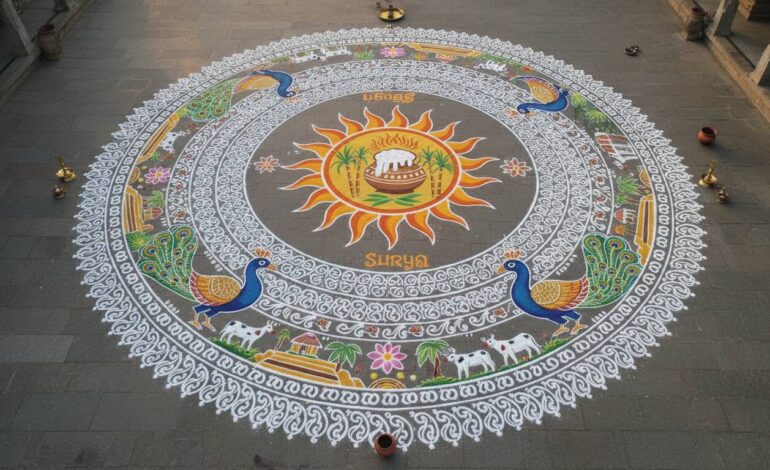
Pongal, the harvest festival celebrated primarily in Tamil Nadu and across South India, brings with it one of the most beautiful traditions in Indian culture—the art of drawing kolams. These intricate floor decorations, created using rice flour, chalk, or colored powders, transform courtyards and doorsteps into canvases of spiritual significance and artistic expression. Big traditional Pongal kolam designs represent hours of planning and generations of inherited knowledge, combining geometric precision with cultural symbolism that honors the earth, the sun, and the cattle that make harvest possible. Whether you are a first-time practitioner eager to learn or someone looking to expand your repertoire of traditional patterns, this guide covers everything from the cultural roots of Pongal kolams to practical instructions for creating designs that will enhance your celebration.
Significance of Pongal Kolam in Tradition
The Pongal kolam is more than decorative art—it connects families to their agricultural roots and ancestral traditions. In Tamil culture, the kolam at the entrance of a home acts as a welcoming mat for the deities and guests who enter, particularly during the four-day Pongal celebration. The patterns symbolize prosperity, fertility, and the cyclic nature of harvest seasons.
What makes big traditional Pongal kolam designs special is the deliberate choice of scale. Larger kolams require more time, more rice flour, and greater skill—showing the family’s devotion and hospitality. During Pongal, the kolam is drawn before sunrise and remains throughout the day, allowing neighbors and visitors to appreciate the craftsmanship. Many families believe that the intricacy and completeness of the Pongal kolam directly influence the prosperity they will receive in the coming year.
“The kolam we draw during Pongal connects us to our ancestors. My grandmother used to say that each dot represents a blessing, and the lines that connect them are the prayers rising to the sky.” — A. Lalitha, a kolam artist from Tiruchirappalli who learned the craft from her mother and grandmother
Beyond the spiritual aspect, Pongal kolams serve as a community bonding ritual. Families often gather the night before to plan designs, and younger members learn from elders, ensuring this art form passes through generations. The temporary nature of the kolam—washed away by the end of each day—also symbolizes impermanence, reminding practitioners to embrace change while honoring tradition.
Types of Traditional Pongal Kolam Designs
Traditional Pongal kolams range from simple geometric patterns suitable for beginners to elaborate multi-dot creations that can take hours to complete. Understanding the different types helps you choose designs that match your skill level and the space available in your home.
The most common classification divides kolams into two main categories: pulli kolams (dot-based designs) and nila kolams (line-based designs without dots). Pulli kolams, which use a grid of dots as the foundation, are more prevalent during Pongal because they represent the fertility of the land—each dot symbolizing a seed waiting to grow. Nila kolams, featuring flowing continuous lines, represent water and the interconnectedness of life.
Within these categories, there are regional variations that reflect local traditions. Tamil Nadu’s traditional Pongal kolams often feature peacock motifs, sun symbols, and agricultural implements like plows and sickles. In Karnataka and Andhra Pradesh, similar celebrations feature designs influenced by local flora and fauna. The bigger and more elaborate the design, the more it signals the family’s reverence for the festival and their gratitude for a successful harvest.
How to Draw Big Traditional Pongal Kolam
Creating a big traditional Pongal kolam requires planning, patience, and practice. Follow these steps to achieve professional-looking results in your own courtyard.
Choose Your Design and Mark the Grid
Begin by selecting a traditional pattern that fits your skill level. For beginners, start with a design featuring a 7×7 or 9×9 dot grid. Larger designs of 13×13 or beyond require significant experience. Sketch your chosen design on paper first, then mark the dot positions on the floor using chalk or a light pencil. This grid serves as your roadmap.
Prepare Your Materials
Traditional Pongal kolams use rice flour (kolam powder), which naturally attracts ants—a symbolic offering to those creatures sharing the earth with humans. Modern alternatives include chalk powder, white stone powder, or colored rangoli powders for special sections. Have a clean cotton cloth, a small bowl of water, and your powder container ready.
Start from the Center
Begin drawing from the central dot or cluster of dots, working outward in circular motions. Use your thumb and index finger to release a thin, steady stream of powder. Practice controlling the flow before attempting intricate sections. The key is consistent pressure and movement.
Connect the Dots with Curved Lines
For pulli kolams, connect the dots using curved lines that flow naturally. Traditional designs often feature paisley shapes, swirls, and loops that create visual rhythm. Keep your wrist flexible and move your entire arm rather than just your hand for smoother curves.
Fill in Details and Decorative Elements
Once the main framework is complete, add secondary patterns, small dots around the border, and any thematic elements specific to Pongal—sun rays, mango leaves, or agricultural symbols. These details distinguish big traditional Pongal kolam designs from simpler everyday kolams.
Complete the Outer Border
Finish by drawing an outer border that frames your entire design. This border is typically a continuous line that loops back on itself, creating a contained, sacred space. Many families add small mounds of rice or decorations at the four corners representing the four directions.
Traditional Patterns for Each Day of Pongal
Pongal spans four distinct days, each with its own cultural significance and corresponding kolam traditions. Understanding what to draw when adds authenticity to your celebration.
Bhogi Kolam (Day One)
The first day of Pongal honors Lord Indra, the god of rain and clouds. Bhogi kolam designs typically feature elaborate patterns that welcome the rains for the upcoming agricultural cycle. These kolams often incorporate cloud motifs and water symbols, reflecting prayers for adequate rainfall during the planting season. The dots in Bhogi kolams are sometimes arranged in clusters representing cloud formations.
Surya Kolam (Day Two)
The second day celebrates Surya, the sun god, and marks the main Pongal celebration. Surya Pongal kolams are typically the most elaborate of the four days, featuring sun symbols prominently at the center or corners of the design. Radiating patterns representing the sun’s rays are common, often combined with geometric shapes that capture celestial energy. Many families draw their largest and most intricate kolam on this day.
Mattu Kolam (Day Three)
Mattu Pongal honors the cattle that plow fields and contribute to farming. Kolams on this day often feature bull or cow motifs, agricultural tools, and patterns suggesting ploughed fields ready for planting. The designs may incorporate the udder pattern—a symbol of nurturing and sustenance—reflecting gratitude for the cow’s role in providing milk and the bullock’s role in farming.
Kaanum Pongal Kolam (Day Four)
The final day focuses on family gatherings and community bonds. Kaanum Pongal kolams tend to be more social and festive, featuring patterns that include elements like pots (the traditional Pongal pot), vegetables representing harvest, and sometimes even depictions of festive gatherings. These kolams welcome extended family members visiting for the celebration.
Materials and Colors Used
While traditional Pongal kolams primarily use white rice flour or chalk powder, incorporating colors adds visual richness to big traditional designs without losing cultural authenticity.
White Powders: Rice flour remains the most sacred material for Pongal kolams because it represents purity and serves as an offering to insects and ants. White stone powder and limestone powder are practical alternatives that last longer, especially in areas with high humidity or foot traffic.
Colors in Traditional Pongal Kolams: Modern Pongal kolams often incorporate natural colors—yellow from turmeric, red from vermillion or red earth, green from plant leaves, and orange from rangoli powder. These colors hold symbolic meaning: yellow represents prosperity and marriage, red signifies energy and protection, green symbolizes fertility and new beginnings. However, many traditional families maintain all-white kolams, arguing that the simplicity honors the agricultural roots of the festival.
Tools: The traditional method uses only fingers, releasing powder through a controlled pinch. However, squeeze bottles with small tips, pointed cones, or kolavi (a brass tool with a tiny hole) make creating detailed designs easier, especially for beginners working on large-scale projects.
Regional Variations in Pongal Kolam
While Tamil Nadu is the heartland of Pongal celebrations, similar harvest festivals across South India feature their own unique kolam traditions that reflect local cultures.
In Karnataka, the harvest festival of Sankranti features rangoli designs that share Pongal’s agricultural themes but incorporate local symbols like elephants and traditional patterns specific to the region. Andhra Pradesh and Telangana’s Sankranti celebrations include colorful bobbatlu (sweet dumplings) alongside distinctive floor decorations that blend Pongal influences with local traditions.
Tamil communities in Sri Lanka and diaspora communities worldwide have developed their own variations, incorporating local artistic influences while maintaining core Pongal symbolism. These variations demonstrate how traditional art forms adapt and thrive across geographical boundaries while preserving their essential meaning.
Tips for Big Traditional Kolams
Creating impressive large-scale Pongal kolams requires techniques that differ from smaller, everyday designs. Keep these practical tips in mind for your next big project.
First, plan your design in advance. Large kolams with complex patterns require careful grid planning. Sketch your design on paper at actual size if possible, or use digital tools to map out dot positions before transferring to the floor. Second, practice controlling your powder flow on scrap paper or cardboard before working on your final surface.
Timing matters for big traditional Pongal kolams. Draw your kolam the night before or early morning before sunrise to ensure it stays fresh throughout the day. Rice flour kolams can become damaged by foot traffic or weather, so position your design in protected areas when possible. Finally, do not rush the finishing touches—border details, corner decorations, and small accent dots separate impressive traditional kolams from simple geometric drawings.
Conclusion
Big traditional Pongal kolams represent a beautiful intersection of artistic expression, spiritual devotion, and cultural continuity. These intricate floor designs connect modern families to centuries of agricultural tradition while providing an opportunity for creative celebration during one of India’s most important harvest festivals. Whether you draw elaborate sun-centered designs for Surya Pongal or simple welcoming patterns for family gatherings, the act of creating a Pongal kolam transforms your home into a space of gratitude and prosperity. Start with simpler designs, practice regularly, and gradually attempt larger, more complex patterns as your confidence grows. The tradition awaits your participation—each dot and curve you draw adds your family’s story to this enduring cultural art form.
Frequently Asked Questions
How do you draw a big traditional Pongal kolam?
Start by selecting a dot grid pattern appropriate for your skill level. Mark the dot positions on the floor, then connect them using curved lines while releasing rice flour or powder from your fingers. Work from the center outward, adding details like sun symbols or agricultural motifs specific to each Pongal day.
What is the significance of Pongal kolam?
Pongal kolams welcome deities and guests into the home, symbolize prosperity and fertility, and honor the agricultural roots of the harvest festival. The elaborate designs demonstrate the family’s devotion and gratitude for the season’s bounty.
How many days do you draw kolam for Pongal?
Kolam is drawn all four days of Pongal: Bhogi, Surya, Mattu, and Kaanum Pongal. Each day features distinct designs reflecting that day’s specific cultural significance and honored deities.
What colors are traditionally used in Pongal kolam?
Traditional Pongal kolams primarily use white rice flour or chalk powder. However, many families incorporate natural colors like yellow (turmeric), red (vermillion), and green (plant extracts) to add visual richness while maintaining symbolic meaning.
What is the difference between Pongal kolam and regular kolam?
Pongal kolams are typically larger, more intricate, and thematically focused on harvest, sun, and agricultural symbols compared to everyday kolams. They are drawn with greater care and often represent the family’s best artistic efforts of the year.
Can beginners create big traditional Pongal kolams?
Yes, beginners can attempt big traditional designs by starting with smaller dot grids (7×7 or 9×9) and gradually increasing complexity. The key is practicing control over powder release and planning the design in advance on paper.