New Zealand vs India Cricket Scorecard – Full Match Report

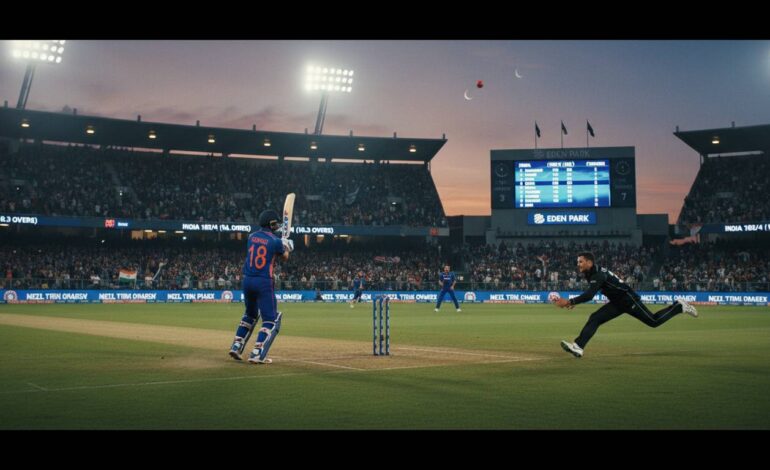
Love it or hate it, New Zealand versus India has become one of those matchups that just delivers. Whether you’re checking a recent result or digging through archives, knowing how to read a cricket scorecard makes following these games way more interesting.
What a Cricket Scorecard Actually Shows
A cricket scorecard is the official record of everything that happened in a match—every run, every wicket, every partnership. It’s the raw data that tells you who actually performed and who had a forgettable day.
The batting section lists each batsman’s runs, balls faced, how they got out, and their strike rate. For New Zealand, you’re usually looking at Kane Williamson anchoring things, with the New Zealand bowlers (Tim Southee, Trent Boult) trying to contain India’s lineup. India’s batting typically features Virat Kohli and Rohit Sharma, with Jasprit Bumrah leading the attack.
The bowling section shows overs bowled, maidens, runs conceded, and wickets taken. Economy and strike rate matter here—Bumrah’s ability to bowl tight overs at the death often proves the difference in these matches.
Fall of wickets tells you the score when each wicket fell, while partnerships show how many runs were added between dismissals. These two sections explain exactly when matches turned.
The New Zealand vs India Rivalry
These two sides have developed a genuine competitive edge across formats. India has historically owned home Tests, but New Zealand’s 2021 victory in India was a genuine statement—that Black Caps team can win anywhere.
The 2019 World Cup semi-final still hurts for New Zealand fans. Chasing 240, they got within one run of victory with one ball remaining. That match produced one of those scorecards where you can trace exactly where things went wrong—the partnerships, the key dismissals, the pressure moments.
ODIs between these teams have been notoriously tight. T20s have become even more competitive as both nations built strong white-ball sides.
Scorecard Sections Explained
A full scorecard includes:
- Header info: Date, venue, result, series context
- Batting innings: Total runs, overs, run rate, individual scores with dismissal details
- Bowling innings: Runs conceded, wickets taken, individual figures
- Fielding stats: Catches, stumpings, run-outs
- Fall of wickets and partnerships: The sequence of the innings
Venues matter here. Eden Gardens in Kolkata and Wankhede in Mumbai turn significantly, while New Zealand’s grounds offer seaming conditions that test India’s batting in different ways.
Where to Find Scorecards
ESPNcricinfo offers the most detailed scorecards with ball-by-ball commentary and historical data stretching back decades. Cricbuzz provides similar information with a cleaner mobile interface. Both update in real-time during live matches.
The ICC’s official site has match summaries, while CricketArchive works for deeper historical research.
What Numbers Actually Matter
Stop staring at total scores only. Here’s what actually tells you who won:
- Batting strike rate in ODIs and T20s shows scoring urgency. 50 off 30 balls matters more than 50 off 70.
- Bowling economy in the middle overs—under 5.5 runs per over typically means the bowler controlled the game.
- Partnerships over 50 runs usually decide one-day matches. Look for which batters built these.
- Death overs bowling frequently determines the final margin.
“The margin in India vs New Zealand matches usually comes down to small moments—a dropped catch, a missed run-out, or a partnership that swings momentum. The scorecard shows the result. The commentary shows what actually happened.”
Conclusion
Cricket scorecards give you the definitive record of any New Zealand vs India match—the runs, the wickets, the outcome. Once you know how to read them, you can appreciate the nuances: why a 270 chase became easier after a specific partnership, or why a bowler’s economy mattered more than their wickets.
The rivalry keeps producing close matches and memorable moments. Now you’ve got the tools to understand exactly what happened.
FAQs
Where do I find the latest New Zealand vs India scorecard?
ESPNcricinfo and Cricbuzz update immediately after matches end. Both have complete archives of past encounters.
What information does a scorecard contain?
Runs scored, dismissals, bowling figures (overs-maidens-runs-wickets), fall of wickets, partnerships, and match details like venue and result.
Which players perform well in this matchup?
It varies by format and conditions. India’s top order (Kohli, Sharma) typically scores heavily, while New Zealand’s bowlers adapt well to different venues.
How do I read bowling figures?
The format is overs-maidens-runs-wickets. For example, “10-2-45-3” means 10 overs bowled, 2 maidens, 45 runs conceded, 3 wickets taken.
Can I access old scorecards?
Yes. ESPNcricinfo and CricketArchive have decades of match data searchable by date, series, or tournament.
What’s the difference between strike rate and average?
Strike rate measures scoring speed (runs per 100 balls), critical in limited-overs cricket. Average measures runs per dismissal, showing consistency. Both matter, just in different ways.