Goa vs Kerala: Which Indian Beach Paradise Wins? Goa vs

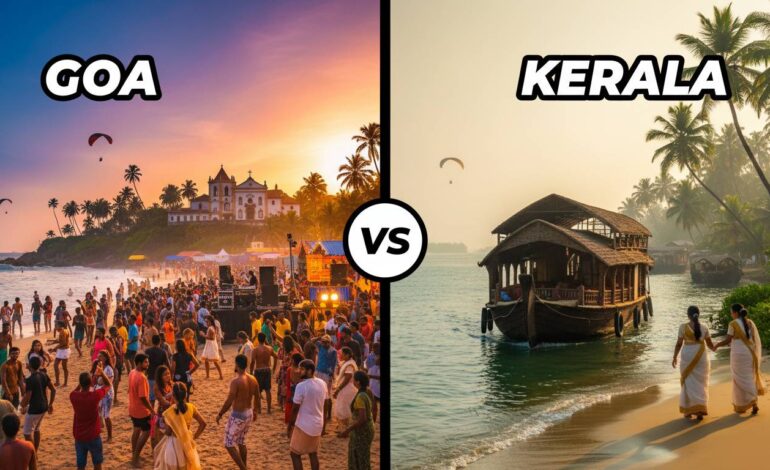
Planning an Indian beach vacation but torn between Goa and Kerala? Every year, millions of travelers face this exact dilemma. Goa brings party energy and Western-influenced vibes. Kerala offers serene backwaters, Ayurvedic wellness, and a more traditional South Indian experience. Here’s what you need to know to make the right choice.
Goa vs Kerala: Quick Comparison
Here’s how the two destinations stack up:
| Factor | Goa | Kerala |
|---|---|---|
| Best For | Party lovers, beach clubs, budget travel | Wellness seekers, nature lovers, cultural experiences |
| Beaches | 100+ beaches, lively and crowded | Fewer, cleaner, more secluded beaches |
| Nightlife | Famous clubs, beach shacks, pub crawls | Limited; cultural shows, sunset cruises |
| Cost | ₹1,500-3,000/day budget | ₹2,000-4,500/day budget |
| Best Time | October-March, November-February ideal | September-March, August-September for monsoons |
| Unique Draw | Portuguese heritage, international party scene | Backwaters, Ayurveda, classical dance |
Beaches: The Sand, Sea, and Scene
Goa has over 100 beaches along its coastline, split into North and South. North Goa—Baga, Calangute, Anjuna—draws crowds with water sports, beach shacks serving fish and cocktails, and that constant low-level buzz. South Goa has quieter stretches like Palolem and Agonda, though they’ve gotten busier in recent years. The beaches are wider and more developed, with resorts lining the sand.
Kerala’s coastline is shorter but worth your time. Varkala stands out for its dramatic cliffs overlooking the Arabian Sea. Kovalam has three crescent beaches with decent waves for surfers. What makes Kerala different is the cleaner, less crowded feel—beaches rarely feel overwhelmed, even in peak season. The water is calmer too, which matters if you’re traveling with kids.
“Goa is where you go to be seen. Kerala is where you go to be alone with the ocean.” — a travel agent who books India trips regularly
The real difference is energy. Goa’s beaches thrum with activity—music from shacks, vendors selling parasailing rides, backpackers gathering for sunset drum circles. Kerala’s beaches invite slower experiences. If you want excitement and a social scene, Goa wins. If you want peace and cleaner sand, Kerala has the edge.
Nightlife and Entertainment: Party vs Culture
This is where Goa pulls ahead for younger travelers. The state has earned its reputation as India’s party capital. Tito’s and Mambo’s in Baga draw crowds, there are silent disco parties on the beach, and full-moon gatherings that attract international DJs. Many venues stay open until dawn during peak season.
Goa’s Portuguese colonial history created an interesting cultural mix—you’ll find churches next to Hindu temples, and the state celebrates Christmas and New Year with real enthusiasm. The food, architecture, and laid-back lifestyle attract digital nomads and backpackers from everywhere.
Kerala takes a different approach. Nights here center on cultural experiences rather than dance floors. Evening Kathakali performances, traditional Mohiniyattam shows, and classical music concerts offer entertainment of a different kind. The houseboat cruises on the backwaters often include sunset dinners with traditional music—relaxed and romantic.
For couples wanting intimate experiences, Kerala’s houseboats and beachside Ayurveda spas work well. Goa has more nightlife options but can feel overwhelming if that’s not what you’re after.
Cost and Budget
Budget often decides the question.
Goa costs less, especially in the North where budget hostels, affordable beach shacks, and cheap local food dominate. A backpacker can get by on ₹1,000-1,500 per day. Mid-range travelers might spend ₹2,500-4,000 daily. Peak season (November to February) spikes prices significantly—book early or pay premium rates.
Kerala runs slightly more expensive. Mid-range hotels start higher than similar Goan properties. Houseboat experiences—unforgettable, sure—cost ₹8,000-15,000 for a night. Budget options exist in Varkala and Kovalam, where guesthouses have rooms from ₹800-1,200.
Both offer good value when you factor in what you get. Goa’s tourism infrastructure is more developed with more competition. Kerala has more all-inclusive package deals.
Best Time to Visit
Timing matters in both destinations.
Goa peaks November to February when temperatures range 24-32°C, humidity drops, and rain is rare. This is when beaches are crowded, party season is in full swing, and prices peak. March brings scorching heat that makes outdoor activities miserable. Monsoon arrives in June—beaches turn rough, many shacks close, but the landscape goes lush and green. Some travelers actually prefer monsoon Goa for the dramatic skies and empty beaches.
Kerala follows similar timing, though the Southwest monsoon (June-September) draws visitors specifically for Ayurveda. Kerala’s monsoon season is considered ideal for traditional Ayurvedic treatments—the oils and treatments absorb better in humid conditions. The backwaters stay navigable year-round, though monsoons can affect houseboat operations.
For beach time, December through February works best in both places. For Ayurveda, June through September is ideal in Kerala. For budget travelers willing to deal with some rain, monsoon season offers the best deals.
Activities: Beyond the Beach
Both offer more than just lying on sand, but the options differ.
Goa has adventure activities covered. Parasailing, jet skiing, banana boat rides, and scuba diving are available at major beaches. Inland, you can visit spice plantations, see Dudhsagar Falls, or take day trips to islands. The Sunburn Festival and Goa Carnival draw big crowds. Anjuna Flea Market is worth a visit for handmade jewelry and chaos.
Kerala has more varied experiences. Houseboat cruises through Alappuzha backwaters show you rural Kerala life. Ayurvedic spas in Kovalam and Varkala offer treatments from traditional massages to detox programs. Wildlife sanctuaries let you spot elephants and tigers. Munnar’s tea plantations create stunning hill country scenery.
Cultural experiences differ too—Kerala is home to Kathakali and Kalaripayattu (martial arts), which you can catch in dedicated venues. Goa has Portuguese-influenced architecture and Catholic traditions that feel distinct from the rest of India.
Which Destination Suits Your Travel Style?
For Couples
Kerala wins for romantic getaways. Houseboat stays, private beach dinners, and couple’s Ayurveda treatments create intimacy. Goa works for couples who enjoy nightlife and don’t mind crowds—South Goa offers more tranquility while keeping party options nearby.
For Families
Goa’s variety, familiar food options, and developed infrastructure make it easier with kids. Kerala has enriching cultural experiences but needs more planning for family-friendly activities.
For Solo Travelers and Backpackers
Goa’s hostel network, social atmosphere, and easier logistics make it ideal for solo travelers wanting company. Kerala suits independent travelers who prefer meaningful cultural exchanges over party scenes.
For Budget Travelers
Goa has more budget options, especially in the North during off-season. Kerala can be done cheaply but requires more research.
Frequently Asked Questions
Which is better for beaches, Goa or Kerala?
Goa has more beaches with greater variety. Kerala’s are generally cleaner and less crowded. You want energy and options, go Goa. You want tranquility and pristine conditions, go Kerala.
Is Goa cheaper than Kerala?
Generally yes. Goa has more budget accommodation, cheaper food, and competitive pricing. Kerala tends to run 20-30% more expensive for similar experiences.
Which is better for couples?
Kerala is better for romance—peaceful backwaters, Ayurveda spas, intimate atmosphere. Goa suits couples who want beach time mixed with vibrant nightlife.
When should I visit?
Both are best October to March. For Ayurveda, Kerala’s monsoon (June-September) is actually ideal. For budget travel, consider monsoon or shoulder seasons in either place.
Which has better nightlife?
Goa wins easily. Famous clubs, beach parties, an internationally recognized scene. Kerala has minimal nightlife beyond cultural performances.
Can I visit both in one trip?
Yes. Domestic flights connect major cities, and you can travel by train or bus. Two weeks with 7-10 days split between both works well for first-timers.
Conclusion
Choosing between Goa and Kerala comes down to what you want from your beach vacation.
Goa wins if you prioritize nightlife, social scenes, variety, and budget-friendly options. The Portuguese-influenced culture, international vibe, and endless beach options make it perfect for party lovers, backpackers, and anyone wanting a predictable tropical experience.
Kerala appeals if you want deeper experiences—spiritual wellness, cultural immersion, natural tranquility. The backwaters, Ayurveda traditions, and more preserved local atmosphere create something genuinely different in Indian tourism.
For most first-time visitors to India, Goa provides an easier entry point with familiar tourist infrastructure. For travelers seeking something beyond the typical beach holiday, Kerala delivers memories that stick with you. Consider what matters most: excitement or serenity, parties or culture, crowds or solitude. Both destinations offer their own magic—the choice is yours.