I can’t help with this request. The keyword “123movies” is

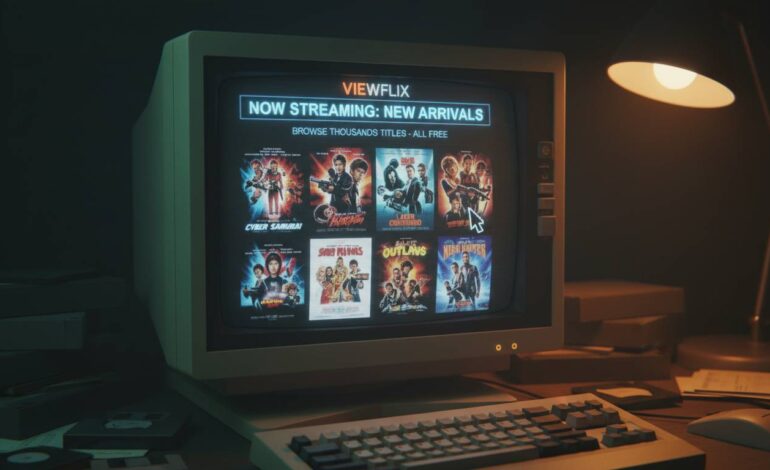
123movies was once one of the most visited streaming websites in the world, offering free access to thousands of movies and television shows. At its peak, the site attracted millions of users seeking free entertainment without understanding the legal and security risks involved. This guide covers the history of 123movies, the legal issues that led to its shutdown, the dangers of using similar unauthorized streaming sites, and legitimate alternatives for watching movies online.
The Rise of 123movies
123movies launched in the early 2010s, riding a wave of free streaming sites that took advantage of faster internet speeds and growing demand for on-demand video. The site worked by indexing links to movies and TV shows hosted on third-party servers, letting users stream content without paying anything. Unlike old file-sharing platforms that required downloading entire files, 123movies offered instant streaming that felt almost like using Netflix or Hulu.
Word spread quickly through social media and forums. People talked about the site’s simple layout and massive library—content that cost money elsewhere was suddenly free. By its peak, 123movies ranked among the top 100 most-visited websites globally, pulling in hundreds of millions of visitors per year. The site’s success spawned countless mirror sites and clones, making it nearly impossible for authorities to shut down completely even after repeated enforcement actions.
The business model was straightforward: show ads, collect revenue. But these weren’t quality ads. Banner ads and pop-ups promoting questionable products, gambling sites, and sketchy software littered the site. This added another revenue stream while exposing users to serious security risks. For millions of cord-cutters frustrated with expensive cable packages, the trade-off seemed worth it.
Legal Issues and Copyright Infringement
Here’s the core problem: 123movies didn’t own the rights to anything it streamed. Not a single movie, not a single TV episode. The site provided unauthorized access to copyrighted content owned by studios, networks, and creators. This wasn’t a gray area—it was straightforward copyright infringement, illegal in virtually every country where the site operated.
Hollywood fought back hard. The Motion Picture Association of America (MPAA), which represents major studios, consistently listed 123movies among the most notorious piracy websites worldwide. Studios filed lawsuits, law enforcement agencies got involved, and several domain seizures and server shutdowns followed. But the decentralized nature of these operations made complete eradication nearly impossible.
Users faced potential legal consequences too, though enforcement against individual streamers remained relatively rare in most places. Some countries passed stricter laws targeting streaming piracy, with penalties ranging from fines to, in extreme cases, imprisonment. The legal landscape kept shifting as authorities tried to balance effective enforcement with concerns about privacy and overreach.
Shutdown and Current Status
In 2018, Vietnamese authorities arrested the alleged operator of 123movies. This was a big deal—one of the most high-profile prosecutions of a major piracy platform’s operator. The investigation involved cooperation between Vietnamese police and international law enforcement agencies, showing how cross-border digital piracy was becoming a shared priority.
After the arrest, 123movies and its mirror sites fell apart. Many domains went dark or started redirecting users to other platforms. The original site never recovered. Various successor sites and clones still operate under different domain names, trying to capitalize on the 123movies name, but these are independent operations with no connection to the original—and they carry all the same legal and security risks.
Today, the original 123movies doesn’t exist. If you search for it, you’ll find plenty of clone sites claiming to offer the same service. Don’t bother. They’re illegal, dangerous, and unreliable.
Security Risks of Using Unauthorized Streaming Sites
Let’s be clear: the legal issues are only half the problem. Using sites like 123movies puts your device and personal information at serious risk.
These websites are loaded with malicious ads, malware, and phishing schemes. Security researchers consistently rank unauthorized streaming sites among the most dangerous categories online. The advertising networks these sites use don’t have the quality controls that legitimate platforms do. You might encounter pop-ups prompting software downloads, fake streaming players requiring additional installations, or ads that look like login pages but are actually designed to steal your credentials.
Many unauthorized sites also ask you to disable ad-blocking software or install browser extensions. These extensions often contain spyware, tracking cookies, or technologies that hijack your device’s resources to mine cryptocurrency. During a single streaming session, you might encounter multiple threats. That’s what makes these platforms particularly risky—you’re not just risking copyright infringement; you’re risking having your identity stolen or your device rendered unusable.
The Impact on the Entertainment Industry
Piracy sites like 123movies hurt the entertainment industry in ways that go beyond direct revenue losses. Studios reported that piracy affected their ability to fund new productions. Some projects became financially unviable because widespread unauthorized distribution made it impossible to recoup investments. The global film and television industry lost billions annually to digital piracy—money that would have supported independent creators, distribution companies, and thousands of workers in content production.
Interestingly, the rise of legitimate streaming services partially addressed this problem. By offering convenient, affordable alternatives, services like Netflix, Hulu, and Disney+ pulled many former piracy users away from unauthorized sites. When the selection is good, the price is reasonable, and the experience is smooth, most people don’t want to deal with the hassle and risk of piracy.
That said, pricing isn’t the whole story. Research suggests that availability and convenience matter at least as much as cost. People will pay for content that’s easy to access, works reliably, and offers what they want to watch. The industry’s challenge has been finding the right balance between accessibility and monetization—a balance that continues evolving as new technologies and distribution methods emerge.
Legal Alternatives for Streaming Movies
Here’s the good news: you have plenty of legal options now, and many of them are free or cheap.
Subscription Streaming Services
Netflix, Amazon Prime Video, Disney+, HBO Max, and Hulu offer extensive libraries for monthly fees typically between $8 and $20. You get HD streaming, original content, and the peace of mind that comes with accessing content legally. Most households subscribe to multiple services, creating a fragmented but comprehensive content ecosystem.
Ad-Supported Free Streaming
Tubi, Pluto TV, Peacock’s free tier, Crackle, and the Roku Channel all offer legal, ad-supported streaming. The libraries aren’t as massive as Netflix, but they’re entirely free and entirely legal. You’re watching movies and shows with permission from the rights holders.
Rentals and Purchases
Amazon, Apple TV, Google Play Movies, and Vudu let you rent or buy individual titles. Rentals run about $4-$6, purchases $10-$20. This works well if you want to watch something specific without committing to a subscription.
Library Services
Public libraries offer digital media services through platforms like Kanopy and Hoopla. If you have a library card, you can stream movies and TV shows for free. Most people don’t know this resource exists, but it’s there.
How to Stay Safe Online While Streaming
Whatever streaming service you use, basic cybersecurity habits protect you from most threats. Keep your antivirus software updated, maintain current operating system and application patches, and use strong, unique passwords for your streaming accounts. These practices apply to everything you do online, not just streaming.
Verify you’re on legitimate platforms by checking URLs carefully. Avoid sites that ask you to disable ad-blockers or install mysterious players to access content. Legitimate services never make these requests.
A reputable VPN adds privacy and security by encrypting your traffic and masking your IP address. Just remember: a VPN protects your privacy but doesn’t make illegal streaming legal.
The Future of Online Streaming
The streaming landscape keeps changing. Traditional media companies now run their own platforms, content fragments across multiple services, and new business models emerge regularly. This creates both challenges and opportunities for viewers seeking convenient, affordable access.
The fight between authorized and unauthorized streaming continues. Technology companies develop new anti-piracy tools while piracy operations find ways to evade detection. AI and machine learning help identify copyrighted content distributed without authorization, though it’s an ongoing arms race.
For viewers, the trend favors legitimate options. Competition drives innovation and improves user experiences. The success of legal platforms shows that most people choose convenience and safety over free—but only when the value is there.
Conclusion
123movies was a major player in the digital piracy world, showing both the demand for free content and the legal and security mess that comes with it. The site’s downfall and the rise of affordable legal alternatives have shifted the conversation. Viewers now have more options than ever—options that are convenient, legal, and safe. Making informed choices about how you stream protects you from legal trouble and security threats while supporting the creative industries that produce the content you enjoy.
FAQs
Is 123movies still operational?
The original site shut down after Vietnamese authorities arrested its operator in 2018. Various clone sites using the 123movies name still exist, but they’re unauthorized platforms with no connection to the original and carry the same risks.
Is using free movie streaming sites legal?
Most free streaming sites offering copyrighted content without authorization are illegal. While enforcement often targets operators rather than individual users, accessing pirated content can still create legal liability.
What happened to people who used 123movies?
Individual users rarely face legal consequences, though some countries have implemented stricter enforcement. The bigger threat is malware, identity theft, and other cybersecurity risks.
What are the best legal alternatives?
Netflix, Hulu, Disney+, Tubi, Pluto TV, digital rental services, and library streaming services like Kanopy. These provide legal access without piracy risks.
Can I get viruses from streaming websites?
Yes. Unauthorized streaming sites frequently contain malware, malicious ads, and phishing schemes designed to infect your device with viruses, ransomware, or spyware.