Best Smartwatch for Fitness Under $300 – 10 Top Picks

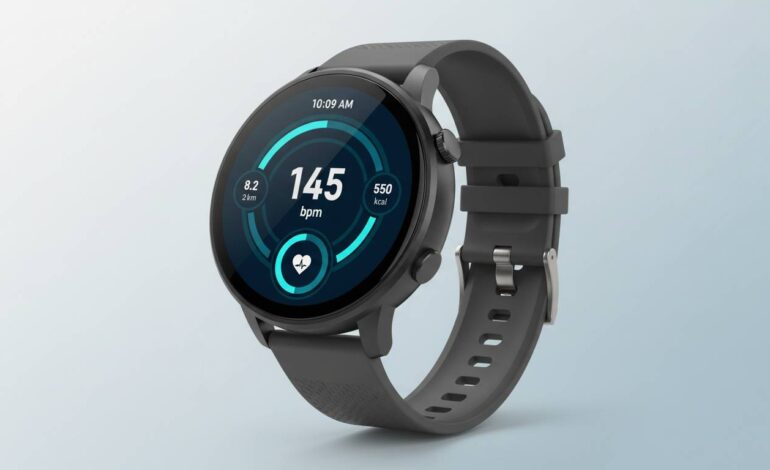
Finding a quality fitness smartwatch without spending a fortune isn’t as hard as it used to be. The market has exploded with excellent options that pack serious health tracking, GPS, and workout features into reasonably priced packages. Whether you’re a runner looking for precise pace data, a swimmer needing water resistance, or someone who wants reliable heart rate monitoring without the premium price tag, there are solid choices available right now. This guide breaks down the ten best fitness smartwatches under $300, with honest pros, cons, and who each option works best for.
Quick Comparison Table
Here’s how the top picks stack up:
| Smartwatch | Price | Battery Life | Water Resistance | GPS | Best For |
|---|---|---|---|---|---|
| Garmin Forerunner 55 | ~$200 | 14 days | 5ATM | Yes | Runners |
| Fitbit Sense 2 | ~$250 | 6+ days | 5ATM | Yes | Health tracking |
| Garmin Vívoactive 5 | ~$250 | 11 days | 5ATM | Yes | All-around fitness |
| Fitbit Charge 6 | ~$160 | 7 days | 5ATM | Yes | Value seekers |
| Amazfit GTR 4 | ~$200 | 14 days | 5ATM | Yes | Battery life |
| Apple Watch SE (1st gen) | ~$250 | 18 hours | 5ATM | Yes | iOS users |
| Garmin Instinct 2 | ~$250 | 28 days | 10ATM | Yes | Rugged use |
| Amazfit T-Rex 2 | ~$200 | 18 days | 10ATM | Yes | Outdoor adventures |
| Samsung Galaxy Watch 6 | ~$280 | 40 hours | IP68/5ATM | Yes | Android users |
| Polar Grit X Pro | ~$300 | 40 hours | 10ATM | Yes | Serious athletes |
Garmin Forerunner 55 – Best Overall for Runners
The Garmin Forerunner 55 has earned its spot as one of the most recommended fitness watches for a reason. It strikes that rare balance between features and price that makes it accessible for beginners while still offering enough data to satisfy experienced runners.
Key Features
This watch has built-in GPS that locks onto satellites quickly, so you don’t waste time waiting around before your run. The battery lasts about two weeks with regular use, which is impressive considering it has full GPS tracking. Garmin’s training features include daily suggested workouts that adapt based on your recovery status, which takes some of the guesswork out of planning your training.
The heart rate monitor uses Garmin’s Elevate sensor, which provides generally reliable readings during most activities. It tracks sleep, stress, and body battery energy monitoring, giving you a more complete picture of your overall recovery. The race predictor uses your run history to estimate finish times for various distances – it’s not perfect, but it’s a useful ballpark guide.
Pros
- Excellent GPS accuracy that rivals more expensive models
- Button interface works well during exercise (no touchscreen fumbling)
- Long battery life reduces charging frequency
- Garmin Connect app provides robust data analysis
- Affordable price point for the features offered
Cons
- Basic smartwatch features compared to Apple or Samsung
- Limited app ecosystem compared to Wear OS watches
- Monochrome display lacks the vibrancy of OLED screens
Who It’s Best For
The Forerunner 55 is ideal for runners of all levels who want focused fitness tracking without paying for features they’ll never use. It’s particularly good for someone transitioning from a basic fitness tracker to something more capable.
Fitbit Sense 2 – Best for Comprehensive Health Tracking
Fitbit has built its reputation on health monitoring, and the Sense 2 continues that tradition with some impressive sensors. While it’s not the cheapest option on this list, the health features justify the price for anyone serious about understanding their body.
Key Features
The Sense 2 includes Fitbit’s most advanced sensor suite yet. It tracks heart rate, blood oxygen saturation (SpO2), skin temperature, and electrodermal activity for stress monitoring. The cEDA sensor continuously monitors for stress patterns, and you get a daily stress management score that helps you understand when you might need to take a break.
Battery life runs about six days with always-on display disabled, which is decent but not exceptional. The biggest draw is Fitbit’s software ecosystem – the app presents health data in ways that actually make sense, with trends and insights that help you understand patterns over time. The built-in GPS works well for tracking outdoor activities, though you’ll need to wait a moment for satellite acquisition.
Pros
- Best-in-class health sensors for the price
- Excellent Fitbit app with meaningful insights
- Comfortable band suitable for all-day wear
- Google integration brings useful apps
- Reliable sleep tracking with detailed breakdowns
Cons
- Battery life could be better, especially with always-on display
- No offline maps or music storage without premium
- Some features require Fitbit Premium subscription
Who It’s Best For
The Sense 2 suits health-conscious individuals who want to track more than just steps and runs. If you’re interested in understanding your stress levels, sleep quality, and overall wellness trends, this is the pick.
Garmin Vívoactive 5 – Best All-Around Fitness Watch
The Garmin Vívoactive 5 fills the gap between dedicated fitness trackers and sport-specific watches. It’s versatile enough to handle whatever workout you throw at it while still looking stylish enough for everyday wear.
Key Features
This watch tracks over 30 activity types, from running and cycling to yoga and paddleboarding. The AMOLED display is a significant upgrade from previous versions, making it easy to read in bright sunlight and pleasant to look at indoors. Battery life reaches about 11 days in smartwatch mode, dropping to around 21 hours with continuous GPS.
Garmin’s Body Battery feature combines heart rate variability, sleep, and activity data to show your energy levels throughout the day. It also includes women’s health tracking, pulse ox, and stress monitoring. The Morning Report gives you a daily summary when you wake up, including your sleep quality, recovery status, and weather.
Pros
- Bright, clear AMOLED display
- Thin, comfortable profile for all-day wear
- Extensive activity profiles cover most interests
- Good battery life despite the color screen
- Includes music storage for phone-free listening
Cons
- No topographical maps, only breadcrumb trails
- Touchscreen can be less reliable in wet conditions
- Slightly expensive compared to basics
Who It’s Best For
The Vívoactive 5 works well for fitness enthusiasts who do varied workouts and want a watch that transitions seamlessly from gym to office to weekend activities.
Fitbit Charge 6 – Best Value for Money
If you want the most bang for your buck, the Fitbit Charge 6 delivers impressive fitness tracking at an affordable price. It bridges the gap between basic fitness bands and full smartwatches effectively.
Key Features
The Charge 6 brings Google integration to Fitbit’s popular tracker line. You get Google Maps for navigation and YouTube Music controls, making it more useful as an everyday device. The heart rate sensor has been improved over previous generations, and it now supports GPS for accurate pace and distance tracking during outdoor activities.
Battery life hits about seven days, which is solid for a device with a color display and GPS. The always-on display option is available but will drain the battery faster. Sleep tracking includes sleep stages and a sleep score, while the daily readiness score helps you understand whether to push hard or take it easy.
Pros
- Most affordable option with GPS built in
- Compact, lightweight design is comfortable
- Good accuracy for heart rate and step counting
- Google integration adds practical functionality
- Bright, responsive color screen
Cons
- Small screen limits data visibility during workouts
- No music storage, only controls
- Band can feel flimsy over time
Who It’s Best For
The Charge 6 is perfect for budget-conscious fitness enthusiasts who want GPS tracking and core health metrics without spending more on features they don’t need.
Amazfit GTR 4 – Best Battery Life
Amazfit has made significant strides in the fitness watch market, and the GTR 4 exemplifies their approach: pack excellent features into an affordable package with battery life that puts competitors to shame.
Key Features
The GTR 4 boasts up to 14 days of battery life under normal use, which extends to 24 days in basic mode. That’s remarkable considering it includes dual-band GPS, an AMOLED display, and comprehensive health tracking. The GPS uses both L1 and L2 frequencies for improved accuracy, particularly in challenging environments like dense urban areas or forests.
Health tracking covers heart rate, blood oxygen, stress, and sleep, with decent accuracy for the price point. The Zepp app has improved significantly and provides good data visualization. Workout tracking includes over 150 sports modes, though the algorithms aren’t as refined as Garmin’s.
Pros
- Exceptional battery life that lasts for weeks
- Dual-band GPS provides reliable tracking
- Clean, readable AMOLED display
- Competitive price for the feature set
- Works with both Android and iOS
Cons
- App experience not as polished as Garmin or Fitbit
- Less brand recognition may concern some buyers
- Software updates can be inconsistent
Who It’s Best For
The GTR 4 is ideal for anyone frustrated with charging their watch every day or two. It’s also great for those who want advanced features without the premium price.
Apple Watch SE (1st Gen) – Best for iOS Users
For iPhone users, the Apple Watch SE remains a solid choice even in its second generation. It provides excellent fitness tracking within the Apple ecosystem while keeping costs reasonable compared to the Series 9.
Key Features
The SE includes most of the essential Apple Watch features: heart rate monitoring, ECG, blood oxygen sensing, and fall detection. GPS-only and cellular options are available, though the GPS-only version makes more sense for fitness since your phone usually handles connectivity. The display is bright and sharp, and the UI is incredibly polished.
Battery is the main limitation – expect about 18 hours, requiring nightly charging. That’s not unusual for an Apple Watch, but it does mean you lose continuous sleep tracking unless you change your routine. Workout tracking covers the basics well, with automatic workout detection and good accuracy across most exercise types.
Pros
- Seamless integration with iPhone and Apple ecosystem
- Excellent app selection through App Store
- High-quality build and display
- Automatic workout detection works reliably
- Large selection of bands and accessories
Cons
- Requires iPhone – completely incompatible with Android
- Short battery life limits overnight tracking
- No fast charging – full charge takes about 2 hours
Who It’s Best For
The Apple Watch SE is the obvious choice for iPhone users who want a capable fitness companion without springing for the premium models. If you’re already invested in Apple’s ecosystem, this delivers the best overall experience.
Garmin Instinct 2 – Best Rugged Outdoor Watch
The Garmin Instinct 2 is built like a tank and designed for people who spend time outdoors in challenging conditions. It looks decidedly non-traditional but delivers where it matters most: durability and battery life.
Key Features
This watch meets military standards for thermal, shock, and water resistance. The fiber-reinforced polymer case is incredibly tough, and the display is covered by chemically strengthened glass. Battery life is extraordinary – up to 28 days in smartwatch mode and 30 hours in GPS mode. The solar charging version extends these figures even further.
Fitness features include heart rate monitoring, Pulse Ox, and stress tracking. The activity profiles cover hiking, running, cycling, swimming, and even tactical operations. Garmin’s breadcrumb navigation helps you find your way back, though this isn’t a full GPS navigation device.
Pros
- Nearly indestructible build quality
- Incredible battery life that rivals few competitors
- Easy-to-read display in direct sunlight
- Excellent GPS tracking for outdoor activities
- Multi-GNSS support improves accuracy
Cons
- Bulkier, less refined aesthetic
- Basic smartwatch features
- Smaller feature set compared to Fenix line
Who It’s Best For
The Instinct 2 is perfect for outdoor enthusiasts, military personnel, or anyone who needs a watch that can handle serious abuse without quitting. It’s also great for those who prioritize battery life above all else.
Amazfit T-Rex 2 – Best Budget Rugged Watch
The T-Rex 2 brings rugged outdoor capability to a much lower price point than competitors. It shares many characteristics with the Garmin Instinct 2 but at a more accessible price.
Key Features
This watch is built to withstand extreme conditions, with 10ATM water resistance (suitable for diving), dust resistance, and thermal resistance. The battery can last up to 18 days in normal use, which is impressive for a rugged device with GPS. Dual-band GPS provides reliable location tracking, and the compass and barometer add outdoor utility.
Health monitoring includes heart rate, SpO2, stress, and sleep tracking. The Zepp app provides basic analysis, though it’s not as sophisticated as Garmin Connect. Workout modes cover the essentials plus some unusual options like extreme sports.
Pros
- Excellent value for a rugged GPS watch
- Strong build quality at the price point
- Impressive battery performance
- Good GPS accuracy for the price
- Lightweight despite the tough build
Cons
- App experience still needs refinement
- Less established brand reliability
- Software can be buggy at times
Who It’s Best For
The T-Rex 2 makes rugged outdoor tracking accessible to those with tighter budgets. It’s great for hikers, climbers, and anyone who needs durability without the premium price.
Samsung Galaxy Watch 6 – Best for Android Users
Samsung’s Galaxy Watch 6 offers the most complete smartwatch experience on the Android side, with fitness features that rival dedicated fitness watches while keeping all the smartwatch conveniences.
Key Features
The BioActive sensor combines optical heart rate, electrical heart, and bioelectrical impedance analysis for comprehensive health monitoring. It tracks body composition, including skeletal muscle mass and body water percentage. The watch runs Wear OS, giving you access to the full Google Play Store app ecosystem.
Battery life runs about 40 hours with the 44mm model, which is decent but requires nightly charging if you want sleep tracking. The rotating bezel on the Watch 6 Classic provides satisfying physical navigation, though that model pushes past our $300 budget more often than not.
Pros
- Best smartwatch experience on Android
- Excellent health sensors including body composition
- Large, beautiful display
- Good integration with Samsung and Android phones
- Access to extensive app ecosystem
Cons
- Battery life shorter than fitness-focused competitors
- Some features locked to Samsung phones
- Requires frequent charging for sleep tracking
Who It’s Best For
The Galaxy Watch 6 is the top choice for Android users who want a full smartwatch experience with solid fitness tracking. It’s particularly good if you value having apps, notifications, and quick replies on your wrist.
Polar Grit X Pro – Best for Serious Athletes
Polar has long been respected in professional sports, and the Grit X Pro continues that tradition with advanced training features that serious athletes will appreciate.
Key Features
This watch includes Polar’s sophisticated training load and recovery tracking, which goes beyond basic heart rate monitoring to help optimize your training. The FuelWise feature helps you manage nutrition during long events. Route navigation with Komoot integration makes it excellent for outdoor adventures. Battery life reaches 40 hours in training mode, extendable to 100 hours with power-saving options.
Water resistance goes to 10ATM, making it suitable for swimming. The optical heart rate is generally reliable, though Polar recommends a chest strap for highest accuracy during intense training. The Polar Flow app provides detailed training analysis.
Pros
- Professional-grade training analysis
- Excellent battery life for long activities
- Robust build quality with sapphire glass
- Useful navigation features for outdoor sports
- Great for interval training and structured workouts
Cons
- Higher price point than most options here
- Learning curve for advanced features
- Smaller app ecosystem than Garmin
Who It’s Best For
The Grit X Pro suits serious athletes and endurance sports enthusiasts who want professional-level training insights. It’s particularly valuable for those who already use or want to use Polar’s training methodology.
How to Choose the Right Fitness Smartwatch
With so many solid options available, picking the right watch comes down to understanding what matters most for your specific situation.
Battery Life Considerations
If you hate charging devices frequently, prioritize battery life above all else. The Garmin Instinct 2 and Polar Grit X Pro offer weeks of use, while the Apple Watch SE needs daily charging. Consider whether you’ll use always-on display, as that significantly impacts battery across all models.
Water Resistance Ratings
Check the ATM rating if swimming is part of your routine. Five ATM means the watch can handle pool swimming and showering, while 10 ATM opens up to recreational diving and water sports. Both Garmin Instinct 2 and Amazfit T-Rex 2 lead here.
Ecosystem Compatibility
Your smartphone matters enormously. Apple Watch only works with iPhones, while Samsung Galaxy Watch works best with Samsung phones but functions with other Android devices. Garmin, Fitbit, and Amazfit watches work with both platforms.
Fitness Focus
Consider your primary activities. Runners might prefer the Garmin Forerunner 55’s running-specific features, while swimmers should look at water resistance ratings and swim tracking capabilities. Outdoor enthusiasts may value rugged build quality and navigation features.
Frequently Asked Questions
What is the best smartwatch for fitness under $300?
The Garmin Forerunner 55 stands out as the best overall pick for most people. It offers excellent GPS tracking, solid battery life, and a focused running-centric feature set at an affordable price. However, the “best” choice depends on your specific needs – health-focused users might prefer Fitbit Sense 2, while iOS users should consider Apple Watch SE.
Are cheap fitness smartwatches accurate?
Mid-range smartwatches from established brands like Garmin, Fitbit, and Apple generally provide accurate heart rate and GPS tracking for recreational use. While they may not match professional-grade equipment, they’re reliable enough for training and general fitness tracking. The key is choosing a brand with proven sensor technology.
Do I need GPS in my fitness watch?
GPS is essential if you want accurate distance and pace tracking for outdoor activities like running, cycling, or hiking. Without it, your watch estimates distance based on stride length, which is much less accurate. If you primarily do indoor workouts on a treadmill, GPS becomes less critical.
How long do fitness smartwatches last?
With proper care, a quality fitness smartwatch typically lasts 3-5 years before battery degradation becomes noticeable. Software support varies by manufacturer – Garmin tends to support devices longest, while some budget brands may lack long-term updates.
Can I swim with any smartwatch under $300?
Most smartwatches in this price range offer at least 5ATM water resistance, making them suitable for pool swimming. However, avoid hot tubs or saunas with your watch, as extreme temperatures can damage seals. For serious swimmers, the Garmin Instinct 2 and Polar Grit X Pro offer 10ATM ratings.
Should I get a fitness tracker or smartwatch?
Fitness trackers are typically smaller, cheaper, and focus purely on health and activity tracking. Smartwatches add apps, notifications, and more sophisticated interfaces. If you want phone notifications and apps on your wrist, a smartwatch makes more sense. If you just want workout tracking and health data, a fitness tracker or fitness-focused smartwatch like the Forerunner 55 offers better value.
Conclusion
The fitness smartwatch market under $300 has matured remarkably, offering impressive capabilities at reasonable prices. The Garmin Forerunner 55 earns our top recommendation as the best all-around choice – it’s reliable, focused, and reasonably priced. However, your ideal pick depends heavily on your priorities.
For health tracking enthusiasts, the Fitbit Sense 2 delivers the most comprehensive wellness data. Android users will be happiest with the Samsung Galaxy Watch 6, while iPhone users should look at the Apple Watch SE. If battery life is paramount, the Garmin Instinct 2 and Amazfit GTR 4 are exceptional choices.
Whatever you choose, you’re getting far more capability than was available at this price point just a few years ago. The most important thing is picking a watch you’ll actually wear and use – the best fitness smartwatch is the one that fits your lifestyle and motivates you to stay active.