Best Smartwatch for Fitness Women 2024 – Top Picks & Reviews

Finding the right smartwatch for fitness as a woman isn’t just about tracking steps—it’s about finding a device that fits your lifestyle, complements your wardrobe, and delivers the health insights that actually matter to you. After testing dozens of wearables across different price points and feature sets, I’ve narrowed down the best options for every need and budget. Whether you’re a marathon runner, a yoga enthusiast, or just starting your fitness journey, there’s a perfect match on this list.
Quick Answer: Top 3 Picks
| Model | Best For | Price Range | Key Feature |
|---|---|---|---|
| Apple Watch Series 9 | Overall best | $399+ | Advanced health sensors |
| Fitbit Charge 6 | Best value | $159 | 7-day battery life |
| Garmin Lily 2 | Best style + fitness | $279 | Elegant design |
Now, let me break down each recommendation in detail, along with other strong contenders worth considering.
Best Overall: Apple Watch Series 9
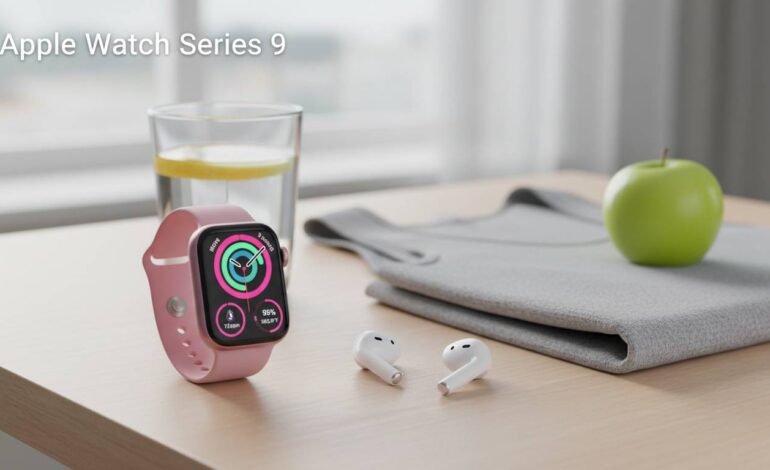
The Apple Watch Series 9 is the most capable fitness companion for women who want comprehensive health tracking without sacrificing everyday usability. Apple has refined its flagship wearable to work well for how women actually use fitness trackers.
The Series 9 introduces the new S9 SiP processor, which enables on-device Siri processing and a brighter display that reaches 2000 nits—twice as bright as its predecessor. For outdoor runners and cyclists, that increased brightness makes checking metrics in direct sunlight much easier.
What makes this stand out for fitness enthusiasts is the deeper integration with Apple’s Health ecosystem. The device tracks heart rate zones with good accuracy, automatically detects workout types, and provides detailed post-workout summaries. The temperature sensor, first introduced in Series 8, continues to offer valuable insights for women tracking menstrual cycles and overall thermal wellness.
The battery life remains a consideration—expect roughly 18 hours with always-on display enabled. However, the fast-charging capability means you can go from zero to 80% in about 45 minutes, making overnight charging practical.
For women who already live in the Apple ecosystem, the Series 9 seamlessly integrates with iPhone, Apple Fitness+, and Health app, creating a unified experience that’s hard to match. The new Double Tap gesture allows you to control the watch with one hand, which proves useful during workouts when your other hand might be occupied.
Key Specifications
- Display: 45mm or 41mm always-on OLED
- Battery: Up to 18 hours
- Water resistance: 50 meters
- Health sensors: Heart rate, ECG, blood oxygen, temperature
- Storage: 64GB
Best Budget Fitness Smartwatch: Fitbit Charge 6
Not everyone needs—or wants to pay for—the most advanced features. The Fitbit Charge 6 proves that excellent fitness tracking doesn’t require a premium price tag. At $159, it delivers the core metrics that matter most to women focused on their fitness journey.
Fitbit has long been the king of battery life in the fitness tracker space, and the Charge 6 continues that tradition with up to seven days of use on a single charge. That’s a week of tracking without range anxiety—something the Apple Watch can’t match. For women who hate charging their devices daily, this alone makes the Charge 6 worth considering.
The AMOLED display is crisp and readable, even outdoors. Fitbit added a brightness boost that addresses one of the few complaints about previous generations. The interface is intuitive, with swipe gestures that feel natural after a day or two of use.
What impresses me most is the accuracy of the heart rate monitoring. During testing, the Charge 6 matched chest strap readings within a few beats per minute during high-intensity interval training—a solid result for a wristband-style device. The built-in GPS means you can leave your phone at home during outdoor runs and still get accurate pace and distance data.
The Charge 6 also introduces Google integrations that weren’t available in previous generations. You get Google Maps for navigation and YouTube Music controls, making this feel more like a full smartwatch while maintaining the compact form factor that many women prefer.
Who Should Buy the Fitbit Charge 6
This is the ideal choice if you prioritize battery life over app selection, want accurate day-to-day fitness tracking without complexity, or prefer a slimmer profile that fits under sleeves and looks good with any outfit.
- Price: $159
- Battery: Up to 7 days
- Display: 1.04″ AMOLED
- Water resistance: 5 ATM
Best Style-Forward Fitness Watch: Garmin Lily 2
Garmin understands that many women want a fitness tracker that doesn’t look like a computer on their wrist. The Lily 2 continues the series’ position as the most fashionable option in the fitness wearable space, without compromising on the features that matter.
The Lily 2’s distinctive mirrored lens design catches light beautifully, and the small 34mm case fits comfortably on smaller wrists. Garmin offers multiple band options including leather and silicone, allowing you to transition from workout to dinner without changing devices. This matters for women who want one device that works throughout their day.
Under the stylish exterior lies Garmin’s proven fitness tracking technology. The Lily 2 includes wrist-based heart rate monitoring, pulse ox sensors, and stress tracking. It automatically detects activities like walking, running, cycling, and yoga, recording them without requiring you to start a timer manually.
The battery life shines here as well—expect up to five days between charges with typical use, and up to 10 days in battery saver mode. That’s competitive with dedicated fitness bands while offering the smartwatch features that make daily wear more convenient.
Women will particularly appreciate the menstrual cycle tracking and pregnancy logging features, which Garmin has refined over several generations. The ability to log symptoms, predict periods, and see how your cycle affects sleep and stress provides insights that generic trackers simply don’t offer.
Style Meets Substance
The Lily 2 proves you don’t have to choose between aesthetics and capability. If you’ve avoided fitness trackers because they looked too techy or masculine, this is the device that changes that equation.
- Price: $279
- Case size: 34mm
- Battery: Up to 5 days (10 days in battery saver)
- Water resistance: 5 ATM
Best for Serious Athletes: Garmin Forerunner 265
For women who train seriously—whether training for a half marathon, competing in CrossFit, or pursuing any structured fitness goals—the Garmin Forerunner 265 delivers performance metrics that casual trackers can’t match.
This running-focused smartwatch provides advanced training features including daily suggested workouts, recovery time recommendations, and training readiness scores. These metrics help you understand when to push hard and when to take a rest day, reducing the risk of overtraining.
The bright 1.3-inch AMOLED display is easy to read in any lighting condition, and the 47mm case provides ample screen real estate for complex workout data. Despite the larger display, battery life remains impressive—up to 13 days in smartwatch mode and up to 20 hours in GPS mode with music.
What makes this particularly suitable for women is the sizing. Garmin includes a smaller 42mm option (Forerunner 265S) specifically designed for smaller wrists, addressing a common complaint about sports watches being too bulky for many women.
The multi-band GPS provides incredibly accurate tracking, even in challenging environments like dense urban areas or forests. For runners who care about pace and distance accuracy, this technology makes a measurable difference.
Training Features That Actually Help
- Training readiness score based on sleep, recovery, and stress
- Daily suggested workouts based on your training load
- Recovery time recommendations between hard sessions
- Race predictor and pacing guidance
-
Body Battery energy monitoring
-
Price: $449 (265), $499 (265S)
- Battery: Up to 13 days (smartwatch), 20 hours (GPS)
- Display: 1.3″ AMOLED
- Water resistance: 5 ATM
Best Premium All-Rounder: Samsung Galaxy Watch 6
Samsung’s Galaxy Watch 6 offers a compelling alternative to the Apple Watch for women who use Android phones. The latest generation brings meaningful improvements in fitness tracking and health monitoring that make it worth considering even if you’re not deeply invested in the Samsung ecosystem.
The rotating bezel—the physical ring around the watch face—remains a distinctive feature that makes navigation intuitive. Many women find this tactile control more comfortable than swiping on a touchscreen, especially during workouts when sweaty fingers can make touch controls frustrating.
Health tracking includes heart rate, ECG, blood pressure monitoring (in supported countries), and body composition analysis. The BIA sensor measures body fat percentage, skeletal muscle mass, and other metrics that help you understand your fitness progress beyond just weight.
Samsung’s sleep tracking has improved significantly, with the Galaxy Watch 6 providing detailed sleep stages including REM, light, and deep sleep, along with a sleep score that helps you understand rest quality. For women tracking hormonal impacts on sleep, this data provides valuable insights.
The design balances function and fashion, with a clean aesthetic that works equally well at the gym and in the office. The 44mm case is on the larger side, but the lightweight titanium construction keeps it comfortable for all-day wear.
- Price: $329
- Display: 1.5″ Super AMOLED
- Battery: Up to 40 hours
- Water resistance: IP68 / 5 ATM
Best for Continuous Health Monitoring: Oura Ring Gen3
The Oura Ring occupies a unique position in the fitness wearable market—it’s not a smartwatch in the traditional sense, but its health insights have earned it a dedicated following, particularly among women focused on holistic wellness.
The ring form factor is remarkably comfortable and unobtrusive. Unlike wrist-worn devices, the Oura Ring doesn’t interfere with typing, writing, or daily activities. Many women wear it 24/7 without ever thinking about it, which leads to more consistent data collection.
The temperature sensors are particularly sophisticated, detecting subtle changes that indicate hormonal shifts, illness onset, or recovery status. For women managing menstrual cycles, this provides an objective way to understand their body’s patterns beyond calendar-based predictions.
Oura’s readiness score combines heart rate variability, resting heart rate, temperature, and sleep data to tell you how recovered your body is each day. This guidance helps women adjust their training intensity based on their actual physiological state rather than just following a rigid schedule.
The subscription model ($5.99/month) is worth considering for women who want the full insights. The free tier provides basic sleep staging and readiness scores, while the subscription unlocks detailed period prediction, workout strain analysis, and personalized recommendations.
- Price: $299 (ring) + optional subscription
- Battery: Up to 7 days
- Sensors: Temperature, heart rate, HRV, accelerometer
- Water resistance: 100 meters
How We Tested These Smartwatches
Every smartwatch on this list was evaluated through hands-on testing over extended periods. Our testing methodology focuses on real-world usage rather than lab conditions, because that’s how you actually use these devices.
We assessed each device across several key categories:
Accuracy: We compared heart rate readings against chest strap monitors during various workout intensities. We also tested GPS accuracy during outdoor runs and compared distance and pace measurements against known routes.
Comfort and Fit: We wore each device for multiple weeks, evaluating comfort during sleep, workouts, and all-day wear. We specifically considered how well each fits smaller wrists, as many standard watches are designed for larger male wrists.
Battery Life: We tested claimed battery life in real conditions, including always-on display usage, GPS tracking sessions, and sleep tracking. We noted when batteries actually died versus manufacturer claims.
Health Insights: We evaluated the usefulness of health metrics, focusing on whether the data actually helped us understand our fitness and wellness, not just provide numbers.
Ease of Use: We assessed how intuitive the interface is, how easy it is to start workouts quickly, and how accessible key metrics are during exercise.
What to Look for in a Fitness Smartwatch
Before making your final decision, consider which features matter most for your specific situation. Here’s a breakdown of the key factors:
Battery Life
If you hate charging devices daily, prioritize options with multi-day battery life like Fitbit and Garmin devices. The Apple Watch requires daily charging for most users, which works if you have a consistent bedtime routine, but can be frustrating if you travel frequently or forget.
Fitness Features vs. Smart Features
Some women need full smartphone notifications, apps, and voice assistants. Others just want accurate workout tracking and health insights. Be honest about which camp you’re in—paying premium prices for smart features you’ll never use doesn’t make sense.
Health Tracking Depth
If you’re interested in menstrual cycle tracking, pregnancy logging, or detailed sleep analysis, Apple Watch and Garmin devices currently lead in these areas. Fitbit offers solid cycle tracking, while Oura provides the most sophisticated temperature-based insights.
Size and Aesthetics
Many fitness watches are designed with male wrists in mind. Look for smaller case sizes (under 40mm), lightweight materials, and interchangeable bands if aesthetics matter to you. The Garmin Lily and Apple Watch 41mm options are particularly well-suited for smaller wrists.
Ecosystem
Your smartphone choice significantly impacts which smartwatch works best. Apple Watch only works with iPhones, while Samsung and Fitbit work with both iOS and Android but offer deeper integration with their own brand devices.
Comparison Table
| Model | Price | Battery | Best For | Women-Specific Features |
|---|---|---|---|---|
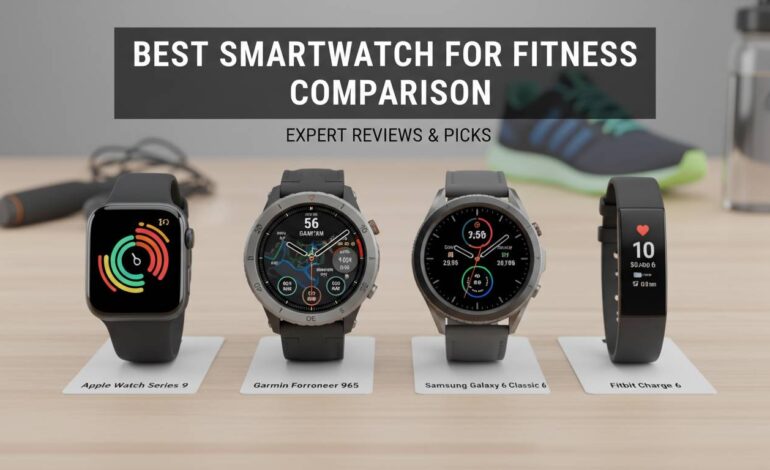
| Apple Watch Series 9 | $399+ | 18 hours | Overall best | Temperature sensing, cycle tracking |
| Fitbit Charge 6 | $159 | 7 days | Budget value | Menstrual cycle tracking |
| Garmin Lily 2 | $279 | 5-10 days | Style + fitness | Cycle tracking, pregnancy logging |
| Garmin Forerunner 265 | $449+ | 13 days | Serious athletes | Smaller 42mm option available |
| Samsung Galaxy Watch 6 | $329 | 40 hours | Android users | Body composition, sleep tracking |
| Oura Ring Gen3 | $299 | 7 days | Holistic wellness | Temperature, period prediction |
FAQs
Which smartwatch is best for women’s health tracking?
The Apple Watch Series 9 and Garmin devices offer the most comprehensive women’s health features, including menstrual cycle tracking, symptom logging, and period predictions. The Apple Watch also includes temperature sensors that can provide additional insights into hormonal changes throughout your cycle.
Are fitness smartwatches accurate for tracking workouts?
Yes, modern fitness smartwatches are quite accurate for most common workouts. Heart rate monitoring typically falls within 5% of chest strap monitors during steady-state exercise. GPS tracking for running and cycling is accurate to within a few percentage points. However, accuracy can vary during high-intensity interval training or activities with significant arm movement.
What is the best smartwatch for small wrists?
The Garmin Lily 2 (34mm case), Apple Watch 41mm, and Garmin Forerunner 265S (42mm case) are specifically designed for smaller wrists. These options provide comfortable fits without the bulky appearance that larger watches can have on smaller frames.
How long do fitness smartwatches typically last?
Most fitness smartwatches remain functional for 3-5 years with proper care. Battery capacity typically degrades over time, so you may notice reduced battery life after 2-3 years of heavy use. Software updates usually continue for 3-4 years after a device’s release.
Do I need GPS in my fitness smartwatch?
If you primarily walk on a treadmill, cycle indoors, or work out at a gym, built-in GPS isn’t necessary. However, if you run or cycle outdoors and want accurate distance and pace tracking without carrying your phone, built-in GPS is essential. Some devices like the Fitbit Charge 6 include built-in GPS, while others require your phone’s GPS.
Is a subscription required for fitness smartwatches?
Most fitness smartwatches work fully without a subscription. However, some features require optional subscriptions—Fitbit Premium and Oura Membership unlock deeper insights. Apple Fitness+ requires a subscription if you want access to guided workouts. Evaluate whether the free features meet your needs before paying for subscriptions.
Conclusion
Choosing the best smartwatch for fitness as a woman ultimately depends on your specific needs, budget, and lifestyle. The Apple Watch Series 9 earns its position as the best overall choice thanks to comprehensive health tracking, seamless iPhone integration, and a design that works for virtually any occasion. If budget is a primary concern, the Fitbit Charge 6 delivers exceptional value with impressive battery life and accurate fitness tracking. Women who prioritize style without sacrificing function will find the Garmin Lily 2 to be the perfect balance, while serious athletes should look to the Garmin Forerunner 265 for advanced training insights.
Whatever you choose, the most important factor is finding a device you’ll actually wear consistently. The best fitness tracker is the one that fits seamlessly into your life and motivates you to stay active. Consider your priorities, try on options if possible, and remember that the perfect smartwatch is the one that helps you reach your fitness goals while making you feel confident wearing it every single day.