Top 10 Best Smartwatches for Fitness & Weight Loss

Finding the right smartwatch can help with weight loss. These devices track calories, monitor heart rate, measure sleep, and send movement reminders. The best ones combine accurate sensors with apps that help you understand your progress and stay motivated. Whether you’re training for a marathon or just starting to move more, a good watch becomes a fitness tool you can wear all day.
Quick Answer: Top 3 Picks
Here are three solid choices for weight loss tracking:
| Smartwatch | Best For | Key Weight Loss Feature |
|---|---|---|
| Apple Watch Series 9 | Most users | Advanced health sensors, large app ecosystem |
| Garmin Forerunner 265 | Runners and athletes | Precise GPS, detailed training metrics |
| Fitbit Sense 2 | Stress and sleep focus | Sleep tracking, stress management tools |
The Apple Watch Series 9 works well for most people because it has good health sensors and works seamlessly with iPhones. The Garmin Forerunner 265 is better for athletes who want accurate GPS and training load data. The Fitbit Sense 2 is ideal if you want to focus on sleep and stress—two things that affect weight loss but get ignored too often.
Apple Watch Series 9: Best Overall
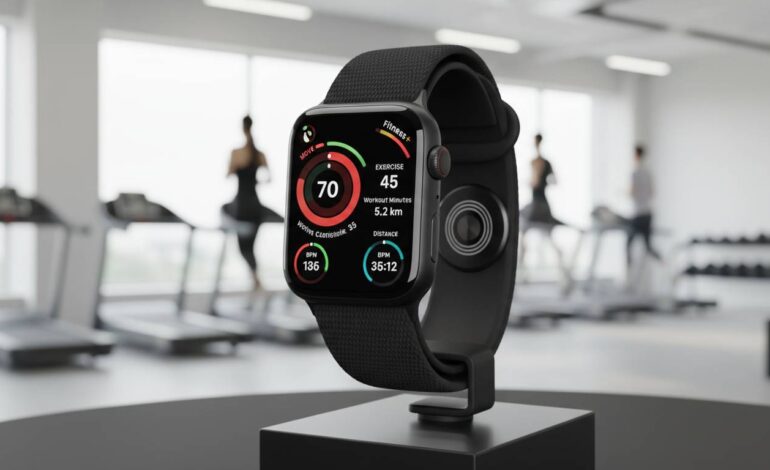
The Apple Watch Series 9 is a strong fitness smartwatch. The latest version has improved sensors, a brighter display, and watchOS, which integrates with the Health app to show your wellness data.
The weight loss features are useful. The temperature sensor tracks skin temperature overnight, which feeds into sleep stage analysis and cycle predictions. Poor sleep affects hormones that control hunger and metabolism, so this data helps. The heart rate monitor is the most precise Apple has made, with the ability to detect low heart rate that might signal overtraining.
The calorie tracking uses your personal data—age, weight, height, and heart rate—to estimate what you’re burning. Older models used estimates based only on activity type, but this factors in your individual physiology. The Move, Exercise, and Stand rings give visual motivation, and you can share activity with friends for accountability, which many users say helps them stay consistent.
The Workout app now has Custom Workouts for interval training directly on your wrist, and it automatically recognizes new exercise types. The HIIT tracking has improved to better record those high-calorie-burn sessions.
Battery life is about 18 hours with regular use, though Low Power Mode extends this. If you want sleep tracking, you need to charge during the day, which some find inconvenient. The starting price is $399, and the watch typically lasts four to five years with software updates.
Pros: Accurate health sensors, large app ecosystem, works well with iPhone, premium build
Cons: Battery life shorter than competitors, needs iPhone, expensive
Garmin Forerunner 265: Best for Runners and Athletes
The Garmin Forerunner 265 is built for athletes who want precise workout tracking but still want to wear it daily. Garmin has been the choice for serious runners and cyclists, and this model adds features casual fitness users will appreciate.
What makes Garmin good for weight loss is their focus on training load and recovery. The watch shows a Training Readiness score each morning, combining sleep quality, recovery time, and recent workout intensity to tell you whether to push hard or take an easy day. This prevents overtraining, which stalls weight loss and makes it harder to stick with exercise.
The GPS is excellent, using multi-band technology that stays accurate in cities with tall buildings or dense trees. For outdoor runners and cyclists, this means distance and pace measurements are reliable, so calorie burn calculations are accurate. The wrist heart rate monitor works well for most workouts, though chest straps are available for those who need more precision.
Body Battery monitors your physiological stress throughout the day using heart rate variability, sleep, and activity data. When it’s depleted, you might need a rest day—pushing through exhaustion increases cortisol, which promotes fat storage and interferes with weight loss.
The watch has preloaded sports profiles for running, cycling, swimming, strength training, and more. The morning report gives you a daily summary including weather, your training schedule, and Body Battery status. For structured training plans, the watch suggests daily workouts based on your fitness level and goals.
Battery life is strong—up to 15 days in smartwatch mode or about 24 hours with GPS. This works well for multi-day hikes or long events without charging.
Pros: Accurate GPS, detailed training metrics, good battery life, recovery tracking
Cons: Smaller app ecosystem than Apple, interface is more complex, less polished look
Fitbit Sense 2: Best for Stress and Sleep Focus
The Fitbit Sense 2 takes a holistic approach to weight loss. It tracks steps, active minutes, heart rate, and workouts, but emphasizes sleep and stress management—factors often overlooked in weight loss but with big impacts on results.
Sleep tracking is among the best available. It provides detailed sleep stages (light, deep, and REM), a Sleep Score for your night’s rest, and oxygen saturation tracking throughout the night. Poor sleep links to increased hunger hormones, reduced willpower around food, and slower metabolism. The Sense 2 helps you find patterns that might be undermining your efforts.
The Stress Management score uses heart rate variability, sleep data, and activity to calculate daily stress. The watch has guided breathing exercises on your wrist for real-time stress relief. High chronic stress raises cortisol, which causes abdominal fat storage and cravings for high-calorie foods. Having tools to manage stress addresses a real biological barrier to weight loss.
Active Zone Minutes tracks time in heart rate zones that indicate meaningful activity. Fitbit awards points for time in fat burn, cardio, and peak zones. The Daily Readiness Score shows how recovered you are based on recent activity and sleep, similar to Garmin’s Training Readiness but simpler.
The cEDA sensor detects electrodermal activity that may indicate stress. The skin temperature sensor tracks overnight changes that can signal illness or hormonal shifts. Built-in GPS tracks outdoor runs without your phone, and it’s swim-proof for water workouts.
Battery life reaches about six days with regular use, longer if you disable always-on display. This makes overnight sleep tracking more practical than Apple Watch.
Pros: Best sleep tracking, stress management tools, good battery life, relatively affordable
Cons: Transition to Google ecosystem raises questions about future, GPS less precise than Garmin
Samsung Galaxy Watch 6: Best for Android Users
For Android users, the Samsung Galaxy Watch 6 is the most polished option for weight loss tracking. Samsung has invested in health features, and the Galaxy Watch 6 has sensors and software that rival the competition.
The BioActive sensor combines optical heart rate, electrical heart signal, and bioelectrical impedance analysis to measure body composition. Beyond simple weight, it estimates body fat percentage and skeletal muscle mass. As you lose fat and build muscle, seeing these numbers change encourages you even when scale weight stays the same.
Sleep tracking has improved. It provides sleep scores analyzing total sleep time, sleep efficiency, and time in each stage. Snore detection uses the microphone to identify sleep-disordered breathing, which affects sleep quality and weight. Research shows connections between sleep apnea and weight struggles.
The watch automatically detects common workouts like running, cycling, and swimming. Personalized heart rate zones adjust based on your fitness level, so calorie estimates reflect your actual capabilities. Samsung Health provides weekly summaries and trend analysis.
The rotating bezel on the Galaxy Watch 6 Classic offers a distinctive way to navigate that many users enjoy. Battery lasts about a day and a half with always-on display—shorter than some competitors but workable with nightly charging.
Works best with Samsung phones but functions with other Android devices, though some features don’t work. iPhone users can use it but lose access to certain health features.
Pros: Body composition analysis, good sleep tracking, premium design, works well with Android
Cons: Limited features with iPhone, average battery life, fewer third-party fitness apps
Whoop 4.0: Best for Quantified Self Enthusiasts
The Whoop 4.0 takes a different approach. Rather than showing notifications or time, it focuses entirely on physiological data and recovery optimization. For weight loss, this focus on recovery and strain management helps.
Whoop’s core value is the Strain Coach and Recovery Score. Strain measures how hard you’re pushing; Recovery shows how ready you are based on sleep, HRV, and other factors. The goal is matching activities to recovery state—high strain on high recovery days, active recovery when recovery is low. This prevents overtraining that leads to injury, burnout, and stalled weight loss.
Sleep tracking is detailed, monitoring stages, disturbances, and consistency. Whoop gives a Sleep Performance score comparing actual sleep to your sleep need based on strain. Many users realize they’re getting less sleep than they thought, directly impacting weight loss through hormonal effects.
Continuous 24/7 heart rate monitoring tracks HRV constantly, providing data that more expensive watches only capture during workouts. HRV is considered a more reliable indicator of recovery and fitness than resting heart rate alone. The app shows trends over time as you get fitter.
The subscription ($239 per year) includes hardware, app access, and new features. No display means you need your phone for information—some find this inconvenient, others appreciate reduced screen time.
Pros: Excellent recovery tracking, detailed sleep analysis, continuous HRV monitoring, unobtrusive
Cons: No display requires phone for feedback, subscription model, no GPS built-in
Amazfit GTR 4: Best Budget Option
The Amazfit GTR 4 shows you don’t need to spend $400 or more for capable fitness tracking. Zepp, Amazfit’s parent company, has improved sensor accuracy, and the GTR 4 offers good features at roughly half the premium price.
Dual-band GPS works well for the price, connecting to GPS, GLONASS, Galileo, and BeiDou for accurate distance tracking. For outdoor runners and cyclists, this means reliable calorie burn based on actual distance. Battery lasts 14 days in typical use (or 20 in battery saver mode), far exceeding most premium watches.
Health tracking includes 24-hour heart rate, blood-oxygen, stress, and sleep. The PAI (Personal Activity Intelligence) system gives a single score based on heart rate throughout the day, encouraging movement outside formal workouts. Research links higher PAI scores to reduced cardiovascular disease risk.
The GTR 4 has over 150 sports modes with smart recognition for eight common activities. Software isn’t as sophisticated as Garmin or Apple for analyzing workout data, but captures essential metrics. The Zepp app provides basic trend analysis, though less polished than competitors.
At around $200, the value is strong for solid fitness tracking without premium pricing. The design looks good with a classic watch aesthetic for casual and business settings.
Pros: Good battery life, accurate GPS, affordable, attractive design
Cons: Less sophisticated software, smaller app ecosystem, basic sleep analysis
Coros Pace 3: Best for Triathletes and Multi-Sport Athletes
The Coros Pace 3 is for serious athletes who do multiple sports and need a watch that handles all of them. Though the name suggests running focus, it works well for cycling, swimming, and transitions between sports.
Build quality impresses—it feels rugged and ready for abuse. The digital crown works with sweaty fingers or gloves, and the display is always readable in direct sunlight. Battery lasts 15 days in smartwatch mode or about 30 hours with full GPS, matching or exceeding more expensive options.
Training features include the COROS Training Hub for analyzing workouts, fatigue, and fitness trends. EvoLab calculates training load, fatigue, and fitness estimates. For weight loss, these help prevent overtraining while ensuring you work hard enough to create the calorie deficit needed.
Optical heart rate works well for most activities but struggles during high-intensity interval training with rapid heart rate changes. For those sessions, a chest strap is recommended. Swim tracking is strong, capturing stroke count, SWOLF efficiency, and pool distance.
Map downloads and breadcrumb navigation help outdoor adventurers explore routes safely. For hikers and trail runners, this adds value to workouts. Elevation uses barometric altimeter data for accuracy in changing terrain.
Pros: Excellent battery life, strong multi-sport support, accurate GPS, rugged build
Cons: Smaller brand presence, limited app ecosystem, basic smart features
Polar Vantage V3: Best for Precision Training Analysis
The Polar Vantage V3 is Polar’s flagship multisport watch for athletes who want deep analytical insights. Polar is known for heart rate technology, and the V3 continues that while adding features for general fitness users.
Heart rate monitoring uses Polar’s proprietary algorithm, considered among the most accurate optical systems. For calorie tracking, accuracy matters—small errors compound over workouts to create significant calorie discrepancies. Precision Prime combines optical sensing with other data to stay accurate during movements that typically cause problems.
Training Load Pro breaks down strain into cardiovascular and muscular load, helping you understand what workouts do to your body. Different training types affect metabolism, appetite, and recovery differently. Recovery Pro gives daily recommendations based on accumulated training and overnight recovery.
Sleep tracking is strong, with Sleep Plus Stages for detailed sleep architecture and Sleepwise showing how sleep quality affects alertness and recovery. Hydration tracking reminds you to drink water—an overlooked part of weight management.
Battery lasts about a week in regular use and 40 hours with continuous GPS, practical for ultramarathons and multi-day events. The 1.4-inch always-on AMOLED display is crisp and easy to read.
Pros: Excellent heart rate accuracy, deep training analysis, good sleep tracking, long battery life
Cons: Premium price, interface takes getting used to, bulkier design
How to Choose the Right Weight Loss Smartwatch
Choosing the best smartwatch depends on your fitness level, primary activities, budget, and which ecosystem you already use.
Key Features That Actually Matter for Weight Loss
Accurate Calorie Tracking: Not all calorie estimates are equal. Watches using your personal biometric data (age, weight, height, heart rate) provide more accurate estimates than those using generic formulas. Heart rate-based calculations work better than step multiplication.
Sleep Tracking Quality: Since sleep affects hormones controlling hunger and metabolism, sleep tracking matters. The best options provide sleep stages, consistency analysis, and actionable suggestions.
Recovery Metrics: Knowing when to push and when to rest prevents overtraining. HRV monitoring, morning readiness scores, and training load tracking help you train consistently without burning out.
GPS Accuracy: For runners, cyclists, and outdoor walkers, accurate distance ensures calorie calculations reflect actual effort. Dual-frequency GPS systems perform best in challenging environments.
Battery Life: Overnight charging can interrupt sleep tracking. Watches with multi-day battery life make overnight wear practical.
Platform Considerations
iPhone users get the tightest integration and largest app ecosystem with Apple Watch. Android users have more options—Samsung, Garmin, and Fitbit all work well. Those willing to use third-party apps may find platform matters less than expected.
Budget Planning
Premium watches ($400+) have the most sophisticated sensors and software. Mid-range options ($200-400) provide excellent tracking without premium features. Budget watches under $200 sacrifice some accuracy and advanced features but still track basic metrics adequately.
Conclusion
The best smartwatch for weight loss depends on your specific needs and budget. Apple Watch Series 9 offers the most complete package with good health sensors and iPhone integration. Garmin Forerunner 65 has unmatched training and recovery insights for athletes. Fitbit Sense 2 delivers the best sleep and stress tracking. Android users will find Samsung Galaxy Watch 6 most polished, while budget buyers get strong value from Amazfit GTR 4.
The watch itself doesn’t cause weight loss—consistent use of its data does. The best device is one you’ll actually wear and use daily. Start with your primary goal (better sleep, more accurate workouts, recovery optimization) and choose accordingly. Many users find that accountability from activity tracking creates lasting behavioral changes that accelerate progress.
FAQs
Can a smartwatch help with weight loss?
Yes, smartwatches help through accountability and data tracking. By monitoring activity, heart rate, and sleep, they help you understand patterns and stay consistent. Studies show users who track regularly lose more weight, partly because feedback creates awareness that drives change.
Which features matter most for weight loss?
Heart rate accuracy is crucial since calorie calculations depend on it. Sleep tracking matters because poor sleep disrupts hunger hormones. Activity tracking with movement reminders helps combat sedentary behavior. Recovery metrics prevent overtraining. Focus on watches excelling in these areas rather than notification features.
How accurate are calorie counts?
Fitness watch calorie estimates typically fall within 10-15% of actual expenditure for most activities, though accuracy varies by activity and individual physiology. Running and cycling counts are more accurate than strength training. Heart rate data provides better estimates than movement alone. Remember these are estimates—consistent relative tracking matters more than precise numbers.
What’s best for someone new to fitness tracking?
Fitbit Inspire 3 or Amazfit Band 7 offer simple interfaces and basic tracking at lower prices, good starting points. As habits develop and you understand what matters, upgrading makes sense. Starting simple prevents being overwhelmed by unused features.
How long should a fitness smartwatch last?
Most quality smartwatches last 4-5 years before battery degradation becomes significant. Software updates continue for 3-4 years after release. Premium devices like Apple Watch and high-end Garmin models tend to have longer support.
Do I need GPS?
GPS is essential if you run, walk, or cycle outdoors and want accurate distance and pace data. Without GPS, your watch estimates distance from step count, which is much less accurate. For indoor workouts or strength training, built-in GPS matters less.