Best smartwatch for fitness with ECG | 2024 buyer’s guide

Finding a smartwatch with solid fitness tracking and reliable ECG capability isn’t as confusing as it used to be. More companies now pack medical-grade heart monitoring into wearables, so you have real options for catching heart rhythm issues from your wrist. This guide walks through the top ECG smartwatches of 2024, looking at what actually matters for your fitness goals, budget, and health needs.
What is ECG and Why Should You Care
ECG tech in consumer watches has come a long way. What once required a clinic visit now fits on your wrist, detecting irregular rhythms like atrial fibrillation (AFib).
Apple brought FDA-cleared ECG to the mainstream with Series 4, and the technology has improved since then. Today’s ECG smartwatches record 30-second rhythm strips you can email to your doctor. This matters if you already have a heart condition, have family history of cardiac issues, or just want proactive health data.
Beyond ECG, these devices usually include optical heart rate sensors, blood oxygen monitoring, and continuous heart rate tracking during workouts. Together, they give you a cardiovascular health picture that used to require a doctor’s office.
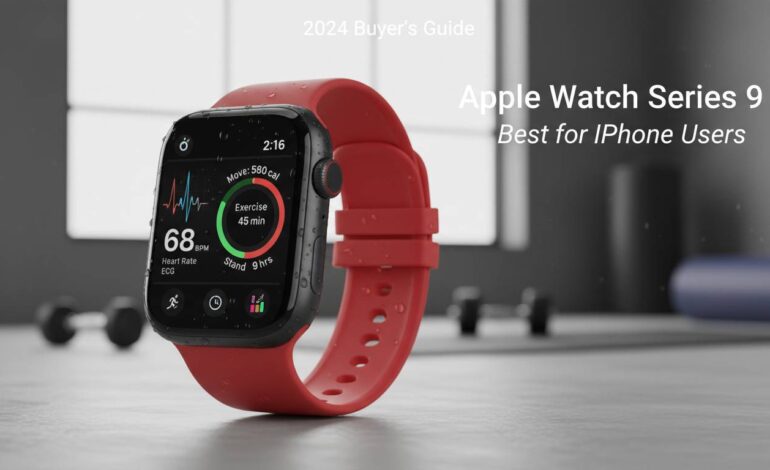
Apple Watch Series 9: The Premium Standard
Apple owns the premium smartwatch space, and Series 9 keeps them there. The FDA-cleared ECG app detects atrial fibrillation, sinus rhythm, and unusually high or low heart rate.
The S9 chip runs smoothly and powers the health features. Series 9 also has a blood oxygen sensor, temperature sensing for cycle tracking, and an always-on display. Battery life is about 18 hours—heavy GPS and health sensor use will drain it faster.
Fitness tracking works well within Apple’s ecosystem. The watch automatically detects workouts, tracks calories and movement, and handles pool swimming. The compass and GPS support outdoor activities. Apple Fitness+ offers guided workouts if you want structure.
For iPhone users who want the smoothest ECG experience, Series 9 delivers. The ECG app is easy to use, exports to PDF for your doctor, and feeds into Apple Health.
The catch: you need an iPhone. Android users are locked out entirely.
Samsung Galaxy Watch 6: Android’s Best ECG Option
Galaxy Watch 6 is the top choice for Android users who want ECG. It has FDA clearance and CE marking for its ECG monitor, with clinical validation behind it.
The Super AMOLED display looks great in sunlight. Samsung’s One UI Watch runs smoothly, and the rotating bezel on the Classic model feels satisfying to use. Battery lasts around 30 hours with normal use, though always-on display and health tracking eat into that.
Health features go beyond ECG. Galaxy Watch 6 tracks blood pressure (needs initial cuff calibration), body composition (skeletal muscle and body fat), and continuous heart rate with irregular rhythm alerts. Sleep tracking analyzes sleep stages and blood oxygen during rest.
Fitness tracking covers over 100 exercise types with automatic detection for walking, running, cycling, and swimming. The watch estimates VO2 max and suggests recovery time based on workout intensity and sleep.
Samsung Health gathers everything in one app, though some users prefer third-party apps for specific metrics. It works with Android and iOS, but iPhone users lose some features.
Fitbit Sense 2: The Wellness-Focused Option
Sense 2 takes a different path, emphasizing overall wellness instead of raw fitness numbers. It has FDA clearance for ECG, so heart health monitoring is legit.
The design focuses on comfort. At 37 grams, it’s light, and the silicone band works for all-day wear. Battery life is strong—up to six days normally, about two days with always-on display.
Health features include stress management sensors, skin temperature tracking, and SpO2 monitoring. The ECG app records heart rhythm data you can export as a PDF for your doctor. It also tracks heart rate variability (HRV), which matters more now that researchers understand its connection to cardiovascular fitness and recovery.
Fitness tracking handles standard activities with automatic detection. It logs steps, calories, and active zone minutes. It’s not as detailed as dedicated fitness watches, but casual exercisers get enough data.
One concern: Fitbit got bought by Google, so long-term software support is uncertain. The hardware still works fine. If you want battery life, stress monitoring, and ECG without daily charging, Sense 2 makes sense.
Garmin Venu 3: Fitness First, ECG Second
Garmin rules the fitness watch market, and Venu 3 shows their entry into health monitoring. Earlier Garmins didn’t have ECG, but Venu 3 does, opening the brand to health-conscious buyers.
The AMOLED display looks sharp, and the 10-day battery life in smartwatch mode beats most competitors. Not charging for a week or more matters during trips or outdoor adventures.
Fitness is Venu 3’s strength. Garmin’s workout detection and tracking lead the industry, with detailed metrics for strength training, yoga, running, cycling, swimming, and more. The watch shows workout animations, so you can exercise at home without equipment.
Health monitoring includes stress tracking, sleep scores with REM detection, pulse ox, and HRV. The ECG app records 30-second readings—it came through a firmware update, not new hardware. Users say it works reliably for catching irregular rhythms.
The trade-off is price. Venu 3 costs more than similar devices, though Garmin’s fitness ecosystem and workout database justify the premium for serious athletes.
Withings ScanWatch: The Hybrid Alternative
Withings makes hybrid watches—traditional timekeeping meets modern health monitoring. ScanWatch looks like a regular watch but has FDA-cleared ECG and SpO2.
The design suits people who don’t want a fitness tracker look. Stainless steel case, sapphire crystal, interchangeable straps—it’s a watch that fits professional settings. Two subdials show activity progress and other metrics.
Health features rival dedicated fitness trackers. ECG detects atrial fibrillation, SpO2 measures blood oxygen, and there’s temperature sensing. Sleep tracking gives quality scores and breathing disturbance detection.
Battery life stretches to about 30 days normally, dropping to roughly 6 days with always-on health monitoring. That beats any smartwatch on charging frequency.
The limitation is fitness tracking depth. ScanWatch records steps, distance, and calories, but lacks the detailed workout metrics and sport-specific modes of Garmin or Apple. The app gives basic activity summaries, not full training analysis.
Key Features to Consider Before Buying
FDA Clearance: Not every “ECG-enabled” watch actually has clearance. FDA-cleared devices went through clinical validation—doctors actually trust these results. Look for actual clearance language, not marketing fluff.
Battery Life: Your usage matters. Apple Watch needs daily charging. Garmin and Withings go days between charges. Frequent travelers or anyone tired of charging routines should prioritize longer battery.
Ecosystem Compatibility: Apple Watch needs iPhone. Samsung Galaxy Watch works best with Android, with limited iPhone features. Fitbit and Garmin work with both. Your phone often decides your watch.
Fitness Depth: Casual exercisers get enough from automatic tracking and basic metrics. Athletes need detailed workout analysis, interval training support, and training load metrics. Match the device to your activity level.
Design and Comfort: You’ll wear this daily. Think about case size, weight, and band material. Some want compact watches, others want bigger displays. Try one on if you can.
Price: ECG smartwatches run from about $250 to $800. Budget models cut some features. Premium options add materials, extra sensors, and polished software. Figure out which capabilities are worth the money for you.
How ECG Technology Works on Your Wrist
Understanding the tech helps set realistic expectations. Smartwatch ECG uses electrical sensors touching your skin to measure heart activity.
When you start an ECG reading, you touch the watch crown or hold a specific finger position, depending on the device. This completes a circuit so the sensors can detect the small electrical signals your heart produces. The watch runs this through algorithms trained to spot rhythm irregularities.
Clinical studies comparing these devices to standard 12-lead ECG machines show high accuracy for detecting atrial fibrillation. That said, single-lead consumer devices can’t replace comprehensive cardiac evaluation.
These watches screen for irregularities—they don’t diagnose. A positive result needs follow-up with your doctor. Normal readings don’t guarantee your heart is fine. The technology is good at catching atrial fibrillation specifically, but other heart issues might slip by.
Which Smartwatch Should You Choose
Your pick depends on your priorities and what phone you already use.
iPhone users with budget to spare should look at Apple Watch Series 9. The software experience is polished, health features are comprehensive, and the app ecosystem is massive. The double-tap gesture and faster performance justify the premium for some.
Android users have a harder call. Samsung Galaxy Watch 6 has the most complete health monitoring—FDA-cleared ECG, blood pressure, and body composition. The design looks premium and the rotating bezel feels nice.
Fitbit Sense 2 works for wellness-focused people who care about stress management, sleep quality, and all-day comfort. The battery lasts forever and it’s light on the wrist. The Google takeover creates some uncertainty, but current features still work.
Garmin Venu 3 is for fitness enthusiasts who occasionally want ECG. Workout tracking is deeper, training metrics are better, and battery lasts forever. If you’re already in Garmin’s ecosystem, the expanded health features make sense.
Withings ScanWatch fits professionals who want health monitoring without looking like they’re wearing a fitness tracker. The watch looks normal but hides capable tech, and the battery goes weeks between charges.
Final Thoughts
ECG smartwatches have grown up. What started as novelty gadgets now provide legitimate health monitoring. The ability to detect atrial fibrillation and share records with your doctor means something for preventive care. These watches won’t replace professional medical evaluation, but they fill the gaps between doctor visits.
Your best choice comes down to balancing health features against fitness tracking depth, ecosystem compatibility against flexibility, and premium design against budget. Every watch here has FDA-cleared ECG, so heart rhythm monitoring works reliably regardless of which you pick.
Be honest about how you’ll use it. Fitness buffs might trade some health features for better workout tracking. People with heart conditions might value ECG accuracy over battery convenience. Whatever matters most to you, capable options exist at various prices.
The best smartwatch for fitness with ECG is the one that fits your life. Take time to think about how each option matches your lifestyle, and don’t second-guess prioritizing the features that matter most for your health.
FAQs
Can smartwatches replace doctor visits for heart problems?
No. While FDA-cleared ECG watches can detect atrial fibrillation and other rhythm issues, they don’t diagnose conditions. Persistent symptoms or abnormal readings need a doctor’s evaluation.
Do I need to pay for ECG features?
Usually not. Buy the watch and the ECG app comes with it. Some features might need paid subscriptions—detailed sleep analysis or advanced workout metrics, for example.
How accurate is smartwatch ECG compared to medical devices?
Studies show over 95% accuracy for detecting atrial fibrillation. But single-lead consumer devices can’t match 12-lead medical ECG machines for full cardiac evaluation.
Will my health insurance cover an ECG smartwatch?
Most plans don’t cover consumer smartwatches, though some FSA or HSA accounts might let you buy one with pre-tax dollars. Check your specific plan.
How long does an ECG reading take on a smartwatch?
Most take 30 seconds. Stay still with the watch in the right position during that time for accurate results.
Can I use ECG features if I have a pacemaker or defibrillator?
It varies by device—you should ask your cardiologist. Some smartwatches might interfere with cardiac devices, so get medical advice before using ECG.