# What to Get If You Actually Want to Track Your Workouts

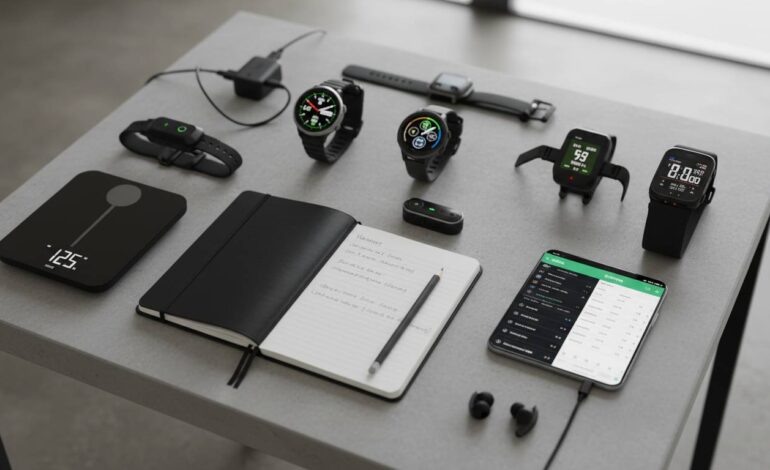
Finding a smartwatch that actually delivers solid fitness tracking without emptying your wallet is trickier than it should be. The market is flooded with options that look great on paper but fall short when you actually try to use them during a run, lift weights, or track your sleep. If you have around $600 to spend, you’re actually in a sweet spot—you can get professional-grade sensors, multi-sport modes, and reliable battery life without paying premium prices. This guide breaks down what actually matters for fitness tracking and recommends the best options based on real-world performance, not marketing claims.
What Actually Matters for Fitness Tracking
Before diving into specific models, it’s worth understanding what separates a genuine fitness tool from a glorified notification center. The most important features aren’t always the flashiest.
Heart Rate Accuracy and GPS
The core of any fitness smartwatch is its ability to measure your effort accurately. Optical heart rate sensors have improved dramatically, but they still vary in quality. For runners and cyclists, built-in GPS is essential—connecting to your phone’s GPS introduces lag and drains your battery. Look for dual-frequency GPS on newer models, which locks onto satellites faster and stays accurate in urban environments or under tree cover.
Battery Life That Survives Your Longest Activities
Nothing kills a workout tracking session faster than a dead watch. If you’re into ultra-marathons or multi-hour hikes, battery life becomes a primary deciding factor. Most fitness-focused smartwatches in this price range offer anywhere from several days to a couple of weeks of regular use, but that drops significantly when you use GPS continuously.
Water Resistance and Swim Tracking
If you swim, you need a watch rated for at least 5ATM (50 meters). Not all smartwatches handle pool tracking well—some only count laps without analyzing stroke type or providing detailed workout data.
Software Ecosystem and App Support
A watch is only as good as the platform behind it. Garmin Connect, Fitbit app, Apple Health, and Samsung Health all offer different strengths. Consider what ecosystem you already use and whether the watch integrates smoothly with your existing fitness apps and equipment.
Apple Watch SE (2nd Generation): The Best All-Rounder
The Apple Watch SE has become the default recommendation for most people looking for a capable fitness companion at a reasonable price—and for good reason. At around $249, it delivers 95% of what the flagship Series 9 offers at nearly half the price.
The SE includes the S8 chip, which powers accurate heart rate monitoring, crash detection, and fall detection. It tracks workouts across dozens of exercise types, from running and cycling to yoga and dance. The built-in GPS works independently of your iPhone, so you can leave your phone at home on runs and still get accurate distance and pace data.
One area where the SE truly excels is its integration with Apple’s Fitness+ service, which offers guided workouts ranging from HIIT to meditation. If you’re just starting a fitness journey, having structured workouts available on your wrist can be incredibly motivating.
The trade-offs are reasonable for most users. There’s no blood oxygen sensor or ECG, which fitness enthusiasts on a budget can live without. The battery lasts about 18 hours with typical use, meaning you’ll charge it daily. For swimmers, the SE handles pool workouts but lacks open-water swim detection.
“For the majority of people who want to track their runs, workouts, and daily activity without overcomplicating things, the Apple Watch SE hits the sweet spot between capability and cost.”
The SE pairs exclusively with iPhones, which limits its appeal for Android users. But if you own an iPhone and want something that works seamlessly with Apple’s health ecosystem, this is the clear winner in its price bracket.
Garmin Forerunner 55: The Serious Runner’s Choice
Garmin has long been the go-to brand for athletes who treat their watches as serious training tools rather than fashion accessories. The Forerunner 55, typically priced around $299, embodies this philosophy with features designed specifically for runners.
What sets the Forerunner 55 apart is its running-specific functionality. It offers PacePro, which provides grade-adjusted pacing guidance for courses you can download. The daily suggested workouts adapt based on your actual performance, giving you a training plan that evolves with your fitness. Recovery time recommendations help prevent overtraining, and the body battery feature combines heart rate variability, resting heart rate, and sleep data to tell you how prepared you are for a hard workout.
The battery life is genuinely impressive—up to two weeks in smartwatch mode and up to 20 hours in GPS mode. That means you can track a marathon without worrying about the watch dying. The optical heart rate sensor handles most running scenarios well, though heavy arm movements during strength training can occasionally cause minor fluctuations.
The Forerunner 55 is straightforward to use with physical buttons instead of a touchscreen, which many athletes prefer during workouts because you can operate them reliably with sweaty fingers. The monochrome display is easy to read in direct sunlight.
The trade-off is that this watch is heavily running-focused. If you primarily lift weights, do yoga, or cycle, you’ll still get basic tracking, but you won’t get the sport-specific metrics that dedicated cycling computers or strength training watches provide.
Fitbit Sense 2: The Wellness-Focused Option
Fitbit has carved out a niche for itself in the wellness space, and the Sense 2, usually around $249, represents its most feature-complete offering. While it tracks standard fitness metrics well, it goes further with tools aimed at understanding and improving your overall health.
The Sense 2 includes an electrodermal activity (EDA) sensor that measures stress responses through sweat gland activity. Combined with Fitbit’s software, this enables a “stress management” score that tells you how well your body is handling daily pressures. For people whose fitness goals include mental wellness, this provides unique insights you won’t find elsewhere.
The health sensors also include an SpO2 monitor for blood oxygen tracking, a skin temperature sensor, and an ECG app for detecting irregular heart rhythms. These features typically appear in premium watches costing twice as much, making the Sense 2 stand out in its price range.
The Active Zone Minutes feature is particularly well-designed, giving you credit for any workout that gets your heart rate into specific zones rather than just counting steps. This aligns better with actual fitness progress than traditional step counts.
The main limitation is GPS—you’ll need to bring your phone for accurate distance tracking during outdoor activities. Battery life runs about six days with typical use, dropping to a couple of days with always-on display enabled. The design is slimmer and more dress-watch-like than most sports watches, which could be a pro or con depending on your preferences.
The Sense 2 works with both iOS and Android, though some features work better with Android phones due to Fitbit’s integration with Google services.
Garmin Venu 3: The Versatile All-Rounder
Priced around $449, the Garmin Venu 3 occupies the middle ground between a dedicated sports watch and an everyday smartwatch. It offers the training features Garmin is known for while adding smart features that make it viable as a daily watch.
The Venu 3 includes the full suite of Garmin’s fitness tracking capabilities: detailed sleep tracking with sleep scores, recovery recommendations, training readiness scores, and more than 25 built-in sports apps covering everything from golf and skiing to strength training and Pilates. The Body Battery feature synthesizes multiple data points into an easy-to-understand energy score for each day.
One standout feature is the ability to view workout summaries directly on the watch immediately after finishing, without needing to open your phone. This instant feedback helps you understand how each training session affected your body.
The AMOLED display is a significant upgrade from the monochrome screens on most Garmin sports watches, making it look more like a traditional smartwatch when you’re not working out. Battery life remains solid—about 10 days in smartwatch mode and up to 26 hours in GPS mode.
The Venu 3 includes optional speaker and microphone for taking calls directly from your wrist, and you can respond to texts using preset responses. These smart features are useful but not as polished as what Apple or Samsung offers.
Samsung Galaxy Watch FE: The Budget Android Option
Samsung’s Galaxy Watch FE, typically around $199, brings solid fitness tracking to Android users at an accessible price point. It’s essentially a stripped-down version of Samsung’s flagship watches, keeping the core features while cutting some premium extras.
The FE tracks over 100 workout types and automatically detects common exercises like running, cycling, and swimming. The bio-active sensor measures heart rate, blood oxygen, and body composition metrics including skeletal muscle mass and body water percentage. Samsung’s Health app provides detailed analytics and integrates with a wide range of third-party fitness apps.
The watch is water-resistant to 5ATM and handles pool swimming reasonably well, though it won’t give you the advanced swim metrics that dedicated swim watches provide. Battery life runs about 40 hours with typical use, which means daily charging for most users.
The main advantage of the FE is that it offers Samsung’s full smartwatch experience—Samsung Pay, app support, customizable watch faces—at a fraction of the cost of the Galaxy Watch 6. If you have a Samsung phone, the integration is seamless.
Comparing the Top Contenders
Choosing between these watches ultimately comes down to your specific needs and priorities. Here’s how they stack up in the areas that matter most:
For pure running performance and training analytics, the Garmin Forerunner 55 is the most capable option in this price range. Its daily suggested workouts and recovery recommendations are genuinely useful for improving as an athlete. The button-based interface and excellent GPS accuracy make it ideal for serious runners who want a tool rather than a toy.
For overall versatility and ecosystem integration, the Apple Watch SE delivers the most complete package for iPhone users. The app ecosystem, Fitness+ integration, and seamless connection with other Apple devices make it the default choice for most people in the Apple ecosystem.
For wellness tracking and stress management, the Fitbit Sense 2 offers unique features you won’t find elsewhere. If you’re interested in understanding how sleep, stress, and recovery affect your fitness, its holistic approach is valuable.
For people who want Garmin’s training features in a more everyday package, the Venu 3 provides the best of both worlds—serious sports tracking with smartwatch conveniences.
For Android users on a strict budget, the Galaxy Watch FE delivers surprisingly capable fitness tracking at an affordable price, especially if you already use Samsung devices.
What About Whoop?
Whoop operates on a subscription model rather than a traditional purchase, which puts it in a different category. The Whoop 4.0 costs roughly $239 annually (or more with membership tiers), with the core idea being that the continuous health monitoring provides insights traditional watches can’t offer.
Whoop excels at strain tracking and recovery analysis, giving you a daily “recovery” score based on heart rate variability, resting heart rate, and sleep performance. The strain score tells you how hard you pushed and whether that was appropriate for your recovery state. This cycle of strain and recovery is central to Whoop’s approach to training.
The trade-off is that Whoop isn’t a smartwatch in the traditional sense—it doesn’t show notifications, display maps, or offer the lifestyle features most people expect. It’s purely a fitness tool, and it’s best suited for athletes who already know what they’re doing and want more granular data.
Final Thoughts on Getting the Right Fitness Watch
Spending $600 opens up excellent options, but the best watch for you depends almost entirely on how you actually plan to use it. A runner will get more value from the Forerunner 55 than from a Fitbit, while someone focused on overall wellness might find the Sense 2 more useful than a Garmin.
The common thread across all the recommendations here is that they offer genuine fitness tracking value—not just step counting, but tools that help you improve. Whether that’s structured workouts, recovery recommendations, or stress monitoring, each brings something different to the table.
One thing worth remembering: the best fitness watch is the one you’ll actually wear consistently. Fancy features mean nothing if the watch is uncomfortable or the battery dies too quickly. Consider how it feels on your wrist, how intuitive the interface is, and whether you’re willing to charge it as often as it requires.
FAQs
What’s the best smartwatch for fitness tracking under $600?
The Apple Watch SE (2nd gen) offers the best overall balance of fitness tracking, smart features, and price for most people at around $249. However, the Garmin Forerunner 55 is better for serious runners, and the Fitbit Sense 2 excels at wellness tracking.
Do I need built-in GPS on my fitness watch?
Yes, if you plan to track outdoor activities like running or cycling without carrying your phone. Built-in GPS provides more accurate distance and pace data and conserves your phone’s battery.
How accurate are optical heart rate monitors on fitness watches?
Modern optical heart rate sensors are generally accurate for most exercise types within a few beats per minute of chest strap monitors. Accuracy can decrease during high-intensity activities with lots of arm movement, but for most users, optical sensors are sufficient.
Which watch has the best battery life?
Garmin watches typically offer the best battery life in this price range. The Forerunner 55 can last up to two weeks in smartwatch mode and 20 hours in continuous GPS mode.
Can I swim with these fitness watches?
All the watches recommended here are rated for at least 5ATM (50 meters), making them suitable for pool swimming. However, the depth and duration ratings vary, so check the specifications if you’re a serious swimmer.
Should I wait for newer models to be released?
Fitness watch technology matures relatively slowly—newer models typically offer incremental improvements rather than revolutionary changes. If you need a watch now, there’s rarely a compelling reason to wait for the next release cycle.