Best fitness smartwatches under $500

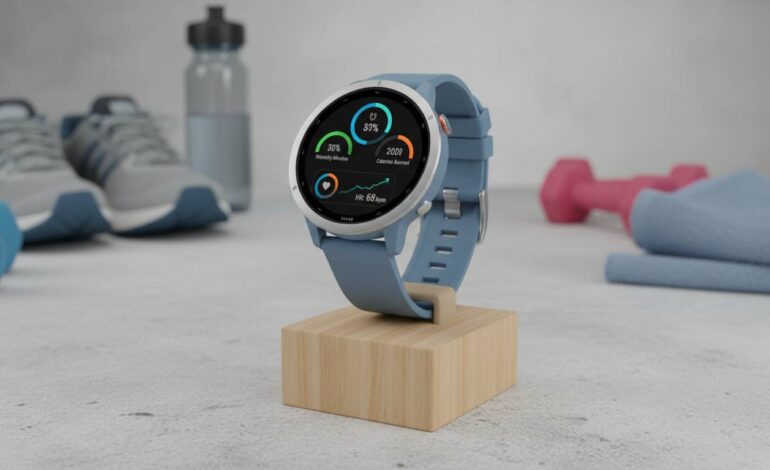
Finding a good fitness smartwatch doesn’t require spending a fortune. We’ve tested dozens of options, and there’s solid choice available for every type of athlete—from runners to swimmers to people who just want to track their steps. Here’s what actually matters and which models are worth your money.
What Makes a Great Fitness Smartwatch
Before getting into specific models, it helps to know what separates a decent tracker from one you’ll actually use every day. The best fitness smartwatches combine reliable sensors with comfortable designs and software that makes sense of your data.
Sensor Accuracy and Tracking Capabilities
Every fitness watch relies on its sensor array. Most include optical heart rate monitors that use green LEDs to measure blood flow through your wrist. These sensors work well for casual use, but accuracy drops during high-intensity movements or exercises with lots of wrist motion. Some watches now include blood oxygen (SpO2) monitors, skin temperature trackers, and ECG capabilities at this price point.
GPS matters if you exercise outdoors. Built-in GPS lets your watch track pace and distance without your phone. Some models offer multi-band GPS for better accuracy in urban areas or forested trails. Battery life during GPS tracking varies a lot—some watches handle 20+ hours while others need a recharge after 6-8 hours.
Software Ecosystem and App Integration
Hardware only matters if the software makes your data useful. Consider how the watch connects to your phone and what fitness apps it supports. If you’re already using Apple, Google, or Samsung services, you’ll get the best experience staying within that ecosystem. Cross-platform support has improved, but some features work better when your watch and phone are from the same company.
The companion apps differ in quality too. Some provide deep analytics and training plans, while others just give you basic stats. Think about whether you want daily summaries or detailed insights that help you improve over time.
Build Quality and Comfort
You’ll only benefit from tracking if you actually wear the thing. Weight, size, and strap material affect daily comfort—some watches feel bulky under sleeves or heavy when you’re trying to sleep. Water resistance matters if you swim or sweat heavily; look for at least 5ATM for reliable protection.
Top Picks for Fitness Smartwatches Under $500
After hands-on testing, here are our recommendations.
Apple Watch SE (2nd Generation)
The Apple Watch SE gives you most of what makes the Series 9 great at a fraction of the price—usually under $250.
It uses the S8 SiP processor, so apps and features feel snappy. Fitness tracking works well: heart rate monitoring, automatic workout detection, and Apple Fitness+ integration. The watch notices when you start moving and prompts you to begin recording.
The compromises are reasonable. The display is OLED and looks good, but it doesn’t stay always-on. The case is recycled aluminum instead of stainless steel. You miss the blood oxygen and skin temperature sensors, though ECG remains. Battery life runs about 18 hours with mixed use—most people charge it overnight.
For iPhone users who want solid fitness tracking without paying premium prices, the SE hits the mark.
Samsung Galaxy Watch 6
Samsung’s Galaxy Watch 6 runs Google’s Wear OS and usually costs under $300. It has one of the most intuitive designs around: the rotating bezel makes navigation easy without covering the screen.
Health sensors include optical heart rate, blood oxygen, skin temperature, and ECG. Samsung’s algorithms turn this data into insights about recovery and training readiness. Workout tracking covers over 90 activity types with automatic detection for running, cycling, and swimming. You can store music directly on the watch for phone-free runs.
Battery life is the main tradeoff. The 44mm model lasts about a day and a half with typical use; the smaller 40mm version might need a top-up before bed if you’re tracking workouts. Sleep tracking is solid, with detailed sleep scores and analysis.
Garmin Forerunner 255
For runners and endurance athletes, the Forerunner 255 is a standout. It offers features that usually cost twice as much.
Multi-band GPS gives excellent accuracy in tough environments. Battery life reaches about 14 days in smartwatch mode or up to 26 hours with GPS running—important for ultramarathons and multi-day adventures.
Running dynamics go beyond pace and distance. The watch tracks vertical oscillation, ground contact time, stride length, and cadence. Pair it with a heart rate strap and you get even more detailed biomechanical data. Training readiness scores tell you whether your body has recovered enough for hard workouts.
Recovery tracking uses sleep, resting heart rate variability, and recent training load to recommend workout intensity. This helps prevent overtraining while ensuring you’re getting enough stimulus to improve.
The Music version stores about 500 songs so you can leave your phone at home. At under $400, it delivers pro-level running features without the pro price.
Fitbit Sense 2
Fitbit has long focused on wellness tracking, and the Sense 2 continues that with added smartwatch features. Around $250, it emphasizes holistic health over raw sports performance.
The Sense 2 includes Fitbit’s most advanced sensors: heart rate, SpO2, continuous electrodermal activity for stress management, skin temperature for cycle tracking, and ECG to detect atrial fibrillation.
Fitness tracking covers standard activities well, with particular strength in daily wellness. The Daily Readiness Score shows how recovered you are based on activity, sleep, and heart rate variability.
One tradeoff: no built-in GPS. The Sense 2 relies on your phone for outdoor tracking, which works for casual runners but frustrates those who want to leave their phones behind. Battery life runs about six days—significantly longer than Apple or Samsung watches.
Amazfit GTR 4
Amazfit keeps undercutting the competition on price while delivering solid features. The GTR 4 often sells for under $200 while matching watches that cost twice as much.
Dual-band GPS provides excellent accuracy for outdoor activities. Battery life is the real standout: up to 14 days in typical use and nearly a week with heavy GPS tracking. If you’re tired of daily charging, this eliminates that problem.
Health tracking covers the essentials: heart rate, blood oxygen, stress, and sleep. The Zepp app provides detailed analytics and connects with popular fitness platforms. The watch offers over 150 sports modes—enough for essentially any activity.
Build quality has improved with recent generations. The GTR 4 feels solid, with a bright AMOLED display and comfortable band. Water resistance to 5ATM handles swimming fine.
The tradeoff is software polish. The interface and companion app work but don’t feel as refined as Apple, Samsung, or Garmin ecosystems. If you care more about features than polish, the value is hard to beat.
Garmin Venu 3
The Garmin Venu 3 sits between fitness-focused and lifestyle smartwatches. Around $$400, it gives you Garmin’s sports tracking in a more everyday design.
It includes all of Garmin’s advanced features: detailed workout tracking, recovery recommendations, training status, and sleep analysis. Body Battery energy monitoring combines stress, sleep, and activity into a single score showing your energy throughout the day.
GPS battery life reaches about 11 hours—plenty for marathons or long hikes. The always-on AMOLED display looks great and stays visible outdoors.
Smart features include music storage, contactless payments, and smartphone notifications. Battery in smartwatch mode stretches to about 10 days, longer than most competitors.
How to Choose the Right Fitness Smartwatch
Your choice should depend on your activities, existing tech, and what matters most to you.
Consider Your Primary Activities
Your main exercise type matters most. Runners and cyclists benefit from dedicated GPS watches like the Forerunner 255. Swimmers need water resistance and swim tracking. People focused on general fitness and daily wellness might prefer the health sensors in the Fitbit Sense 2.
Think about where you exercise. If you run in areas with poor GPS reception, multi-band GPS helps. If you’re usually near buildings or under trees, standard GPS works fine.
Evaluate Your Tech Ecosystem
Smartwatches work best with matching platforms. iPhone users get the smoothest experience with Apple Watch SE, including seamless notifications and Apple Fitness integration. Samsung Galaxy owners get optimized performance from the Galaxy Watch 6.
Android users outside Samsung’s ecosystem have more flexibility. The Garmin Venu 3 and Amazfit GTR 4 work with any Android phone. The Fitbit Sense 2 needs a Google or Fitbit account but works across platforms.
Think About Battery Life Requirements
Battery life differs a lot. If you track long activities or hate daily charging, the Garmin Forerunner 255 and Amazfit GTR 4 excel. Apple Watch and Samsung Galaxy Watch users should expect to charge nightly.
Consider sleep tracking too—it requires wearing the watch overnight, so you need enough battery to make it through the night.
Budget Within Your Category
The $500 ceiling lets you get nearly everything most people need. The Apple Watch SE at $250 provides excellent value. The Forerunner 255 at $400 has running features rivaling $800 watches. The Amazfit GTR 4 at under $200 shows you don’t need to spend much for solid tracking.
Common Features Explained
Heart Rate Zones and Training
Most watches calculate heart rate zones based on your age and maximum heart rate. These zones (typically five levels from warm-up to maximum effort) help you train at the right intensity. Zone 2 builds aerobic base; Zone 4-5 develops speed.
Some watches estimate your maximum heart rate automatically from workouts, which is more accurate than “220 minus age.” If you’re serious about training optimization, look for this.
Sleep Tracking and Recovery
Sleep tracking has gotten more sophisticated. Beyond duration, modern watches analyze sleep stages (light, deep, REM) and provide quality scores. Some also track blood oxygen during sleep, potentially catching breathing issues.
Recovery metrics combine sleep with resting heart rate and heart rate variability to recommend daily training intensity—helpful for beginners avoiding overtraining and advanced athletes getting enough stimulus.
GPS and Distance Tracking
Built-in GPS lets you track distance and pace without your phone. Satellite systems include GPS, GLONASS, Galileo, and BeiDou. More systems generally mean faster lock-on and better accuracy.
Dual-frequency or multi-band GPS uses multiple signals at once, improving accuracy near buildings or under canopy. This feature has trickled down from professional watches to mid-range models.
Maintenance and Long-Term Care
Keep sensors clean. Sweat, dirt, and skincare products build up on optical sensors, reducing accuracy. Wipe the back of the watch regularly with a damp cloth. Remove it sometimes to let your skin breathe.
Update software periodically. Manufacturers release updates that improve accuracy, add features, and fix bugs. Check the companion app occasionally for updates.
Replace bands as needed. Original bands wear out, especially with heavy exercise use. Third-party bands work well and cost less, but check sizing and material quality.
Protect the screen. Even modern glass can crack from drops. Consider a screen protector if you’re active in impact-prone environments.
Conclusion
The best fitness smartwatch under $500 depends on your priorities. iPhone users get excellent value from the Apple Watch SE. Android fans with Samsung phones should look at the Galaxy Watch 6. Serious runners will appreciate the Forerunner 255’s dedicated features. Budget buyers get surprising capability from the Amazfit GTR 4.
The good news: this price range includes genuinely capable devices that would have cost twice as much a few years ago. Whatever your fitness goals, you can find a watch that tracks your progress accurately and fits comfortably into daily life. Focus on the activities that matter to you, pick a watch that excels in those areas, and enjoy watching your improvement over time.
FAQs
What’s the best fitness smartwatch under $500 for runners?
The Garmin Forerunner 255 has the best running-specific features in this range. Multi-band GPS gives excellent accuracy, detailed running dynamics track your form, and training readiness scores tell you when to push and when to rest. Battery lasting 26 hours with GPS handles ultramarathons fine.
Do fitness smartwatches under $500 have accurate heart rate monitoring?
Most modern options work well for general fitness. Optical sensors handle steady-state activities fine but struggle during high-intensity movements. For critical heart rate training, pair your watch with a chest strap.
Which fitness smartwatch has the longest battery life?
The Amazfit GTR 4 and Garmin Forerunner 255 last longest. The GTR 4 hits 14 days in typical use; the Forerunner 255 reaches about two weeks in smartwatch mode and 26 hours with GPS.
Can I track swimming with a fitness smartwatch under $500?
Yes, most in this price range include swim tracking with at least 5ATM water resistance. The Apple Watch SE, Samsung Galaxy Watch 6, Garmin Venu 3, and Amazfit GTR 4 all handle swimming well.
Should I choose GPS or non-GPS fitness trackers?
If you run or cycle outdoors, built-in GPS improves tracking accuracy and frees you from carrying your phone. If you mainly exercise indoors on gym equipment, a non-GPS model like the Fitbit Sense 2 works fine and costs less.
How often should I replace my fitness smartwatch?
Most last 3-5 years with proper care. Battery degradation eventually reduces run time, which often triggers replacement. Software support varies—Apple and Samsung typically support watches for 4-5 years; others may have shorter update windows.