Best smartwatch for fitness under $250 (2024) – Top picks

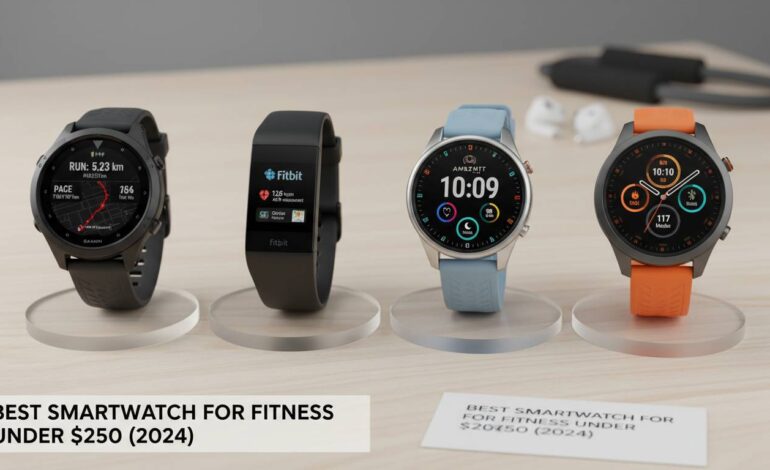
Finding a quality fitness smartwatch without breaking the bank isn’t as tricky as it used to be. The market has matured significantly, and you can now get excellent health tracking, built-in GPS, solid battery life, and smart features for under $250. Whether you’re a runner, a gym enthusiast, or just want to track your daily steps and sleep, there’s something on this list for you.
What to Look for in a Fitness Smartwatch Under $250
Before diving into specific models, it’s worth understanding what actually matters for fitness tracking. The most important features typically include heart rate monitoring accuracy, GPS capability, battery life, water resistance, and the ecosystem of apps and health metrics.
Heart rate monitors have gotten much better across the board, but some watches still outperform others during high-intensity activities. If you’re into running or cycling, built-in GPS is essential—you don’t want to be tied to your phone for tracking. Battery life matters more than you might think; nothing kills a fitness habit faster than charging your watch every day.
Water resistance is standard now, but the depth rating varies. Most fitness watches handle swimming in a pool, but if you’re diving or doing water sports, you’ll want to pay attention to the rating. Sleep tracking, stress monitoring, and recovery suggestions have become expected features, even at lower price points.
The ecosystem also plays a role. If you already have an iPhone, the Apple Watch offers the tightest integration. Android users have more flexibility but should check compatibility with their specific phone.
Apple Watch SE (2nd Generation) – Best Overall for iOS Users
The Apple Watch SE has become the go-to recommendation for anyone in the Apple ecosystem who wants solid fitness tracking without paying for the premium features of the Series 9. At around $249, it delivers nearly everything most fitness enthusiasts need.
The second-generation SE introduced the S8 SiP chip, which enables crash detection and fall detection. For fitness, you get all the essential sensors: optical heart rate, blood oxygen, and an always-on altimeter. The workout app covers everything from running and cycling to swimming, yoga, and HIIT.
One area where the Apple Watch SE stands out is its software. watchOS offers the most polished fitness ecosystem, with detailed metrics, rings that motivate you to move, and seamless integration with Apple Health. Third-party apps like Strava, Nike Run Club, and MyFitnessPal integrate beautifully.
The trade-off is battery life. You’ll charge the SE roughly every day and a half with moderate use, and heavy GPS workouts will drain it faster. It’s not a multi-day watch, and that bothers some people. But for most users, the convenience of Apple’s ecosystem outweighs the charging frequency.
The SE also lacks the temperature sensor and faster charging of the Series 9, but those are minor omissions at this price point.
Fitbit Sense 2 – Best for Health Monitoring
Fitbit has long been the king of fitness tracking, and the Sense 2 represents their attempt to pack serious health tech into a mainstream price point. At around $249, it’s dropped significantly from its original launch price, making it an exceptional value for health-focused users.
The Sense 2 includes Fitbit’s most advanced sensors: continuous heart rate, SpO2, skin temperature tracking, and an electrodermal activity (EDA) sensor for stress management. The stress tracking feature measures tiny electrical changes in your skin to detect stress spikes and prompts you to breathe or walk it off.
Battery life is where the Sense 2 shines compared to Apple. You’ll easily get four to six days on a single charge with typical use, and even with always-on display enabled, it lasts several days.
The downside is the software. Fitbit’s app is data-rich but can feel overwhelming, and the smartwatch interface isn’t as snappy as Apple’s. Some advanced health features require a Fitbit Premium subscription after a free trial period.
For pure health tracking—sleep stages, stress management, recovery scores, and detailed workout metrics—the Sense 2 remains a top contender. It’s particularly good if you prioritize long battery life and comprehensive health data over a polished smartphone-like interface.
Samsung Galaxy Watch 6 – Best for Android Versatility
Samsung’s Galaxy Watch 6 sits right at the $279 price point, making it the priciest option on this list, but it earns its spot with a rotating bezel, robust fitness features, and excellent integration with Android phones.
The Galaxy Watch 6 brings back the physical rotating bezel, which many users prefer for navigating menus during workouts without smearing the screen with sweat. The Super AMOLED display is bright and easy to read outdoors.
Fitness tracking includes automatic workout detection, over 100 workout types, and advanced running analysis. Samsung Health offers comprehensive metrics, and the watch integrates with popular fitness apps. The body composition feature provides estimates of body fat, muscle mass, and water percentage using bioelectrical impedance analysis.
Sleep tracking on Samsung’s platform has improved dramatically. The Galaxy Watch 6 tracks sleep stages, blood oxygen during sleep, and provides a sleep score with recommendations.
The battery life falls between Apple and Fitbit—you’ll get about two days with always-on display, maybe slightly longer if you disable that feature. Charging is fast, though, with Samsung’s wireless charger filling the battery in roughly two hours.
One consideration: Samsung watches work best with Samsung phones but function well with other Android devices. iPhone users should look elsewhere because iOS support is limited.
Fitbit Charge 6 – Best Value for Dedicated Fitness Tracking
If you want something more focused on fitness and less on smartwatch bells and whistles, the Fitbit Charge 6 delivers exceptional value at around $159. It’s a fitness tracker with a small screen rather than a full smartwatch, but that distinction matters less than you’d think.
The Charge 6 introduced Google integration—you can now use Google Maps and YouTube Music directly from the band. That’s a meaningful upgrade from previous Charge models. The built-in GPS works independently of your phone, which is crucial for runners and cyclists who don’t want to carry their devices.
Heart rate tracking uses Fitbit’s reliable optical sensor, and you’ll get 24/7 heart rate monitoring, resting heart rate trends, and heart rate zones for workouts. The battery lasts about seven days, which is far longer than any full-featured smartwatch.
Sleep tracking includes sleep stages and a sleep score, though the small screen makes checking mid-night metrics less convenient than on a larger watch. The design is slim and comfortable enough to wear 24/7, which is important for continuous health monitoring.
At this price point, you’re making meaningful trade-offs: no Wi-Fi, limited app selection, and a smaller display for glancing at notifications. But for pure fitness tracking, the Charge 6 outperforms watches that cost twice as much.
Amazfit GTR 4 – Best Battery Life
The Amazfit GTR 4 flies under many people’s radar, but it deserves serious consideration, especially for battery-conscious buyers. At around $199, it delivers features that rival watches costing twice as much, with battery life that embarrasses the competition.
Amazfit claims up to 14 days of battery life with typical use, and real-world testing confirms you’ll easily get a week or more even with GPS workouts. That changes the calculus entirely—charging once a week rather than every day or two feels luxurious.
The GTR 4 includes dual-band GPS (L1 and L5), which provides improved location accuracy in urban environments where signals bounce off buildings. It’s one of the most accurate GPS implementations in this price range.
Health tracking covers heart rate, SpO2, stress, and sleep, though the algorithms aren’t as refined as Fitbit or Apple. The Zepp app provides the data, and while it’s improving, it doesn’t feel as polished as competitors. Still, the raw data is there, and the hardware performs well.
The design leans toward classic watch aesthetics—round face, physical buttons, and a look that transitions from gym to office without feeling out of place.
If battery life is your top priority and you’re willing to accept slightly less polished software, the GTR 4 is an excellent choice.
Huawei Watch GT 4 – Stylish Option with Strong Fitness Features
Huawei continues to push forward despite US trade restrictions, and the Watch GT 4 demonstrates their hardware expertise. Priced around $229, it offers a distinctive design and solid fitness tracking that deserves attention.
The GT 4 comes in two sizes—46mm and 41mm—giving you options for wrist size and style preference. The design is elegant, with a polished aesthetic that looks more like a traditional luxury watch than a tech gadget.
Fitness features include built-in GPS, over 100 workout modes, heart rate monitoring, SpO2 tracking, and sleep tracking. Huawei’s TruSeen 5.5+ sensor provides reliable heart rate data, and the workout metrics are detailed enough for most recreational athletes.
Battery life is exceptional. The 46mm version runs about 14 days on a charge, while the smaller 41mm lasts around seven days. Both significantly outlast Apple and Samsung options.
The main concern is software ecosystem. Huawei’s AppGallery has grown, but it’s not as robust as Google Play or Apple’s App Store. Some popular fitness apps aren’t available, and Google services don’t work natively. If you have a Huawei phone, this integrates beautifully. If you use an iPhone or non-Huawei Android, you’ll face some limitations.
How to Choose the Right Fitness Smartwatch
Selecting the best smartwatch for your needs comes down to matching your priorities with what each device offers.
Consider your primary activity. Runners and cyclists need built-in GPS, which eliminates the Fitbit Inspire and Charge series unless you carry your phone. Swimmers should verify water resistance ratings. Gym-goers care more about rep counting and strength training tracking, where Apple and Fitbit excel.
Think about your phone ecosystem. This matters more than people expect. The Apple Watch SE only works with iPhones. Samsung’s watch works best with Samsung phones but functions with other Android devices. Fitbit and Amazfit work with both iOS and Android without significant limitations.
Evaluate battery life requirements honestly. If you travel frequently or hate charging devices, the Amazfit GTR 4 or Fitbit options make more sense than Apple or Samsung.
Test the software before committing. Every platform offers a free trial or return window. Spend time navigating the interface, checking notifications, and reviewing the health data. The best technical specifications mean nothing if you find the software frustrating.
Don’t overlook comfort and fit. A watch that’s technically perfect but uncomfortable won’t get worn. Consider the weight, band material, and how it feels during sleep.
Maximizing Your Fitness Watch Investment
Buying a fitness smartwatch is just the beginning. Getting the most from your device requires some setup and ongoing attention.
Wear it consistently. Health tracking only works when you wear the device. Keep it on during sleep for recovery metrics, during workouts for accurate calorie and heart rate data, and throughout the day for steps and movement reminders.
Customize your goals. Default goals rarely match individual needs. Adjust your daily step target, active minutes, and heart rate zones based on your fitness level and objectives.
Enable notifications strategically. Getting every notification on your wrist drains battery and creates distraction. Select which apps matter for fitness and silence the rest.
Review data weekly. The real value of fitness watches comes from trends over time. Check your weekly summaries, compare workout performances, and monitor sleep quality changes.
Keep the software updated. Manufacturers release updates that improve accuracy, add features, and fix bugs.
Conclusion
The Apple Watch SE stands as the best overall choice for iOS users who want a polished experience with comprehensive fitness tracking. Android users have stronger options with the Samsung Galaxy Watch 6 offering versatility or the Fitbit Sense 2 delivering exceptional health monitoring.
For budget-conscious buyers, the Fitbit Charge 6 provides remarkable value with core fitness features at nearly half the price of competitors. Battery life champions should look to the Amazfit GTR 4, which delivers two weeks between charges while maintaining accurate GPS tracking. The Huawei Watch GT 4 appeals to style-conscious users who want elegance alongside functionality.
Any of these watches will serve you well for fitness tracking. The differences lie in ecosystem integration, specific features, and personal preferences around software and design. Consider how you plan to use it, which features matter most, and which interface feels natural to you. The best fitness smartwatch is the one you’ll actually wear and use consistently.
FAQs
Can I track swimming with smartwatches under $250?
Yes, most fitness smartwatches in this price range offer water resistance suitable for pool swimming. The Apple Watch SE, Fitbit Sense 2, Samsung Galaxy Watch 6, and others all handle swimming workouts. However, if you need open-water diving capabilities, you’ll need a watch with higher water resistance ratings.
Do I need a smartphone for GPS tracking?
It depends on the watch. Models like the Apple Watch SE, Samsung Galaxy Watch 6, Amazfit GTR 4, and Fitbit Charge 6 have built-in GPS that works independently. Smaller Fitbit trackers like the Inspire series require your phone nearby for GPS tracking.
How accurate are heart rate monitors on budget smartwatches?
Modern optical heart rate sensors in this price range are generally accurate for recreational exercise. They perform well during steady-state cardio but may struggle during high-intensity interval training or activities with significant arm movement. For medical-grade accuracy, you’d need chest-strap monitors, but wrist-based sensors are sufficient for most fitness enthusiasts.
Do I need to pay for subscriptions to use these watches?
Basic functionality works without subscriptions on all platforms. Fitbit requires a Premium subscription for some advanced health insights after the free trial, while Apple, Samsung, and Amazfit provide their full feature sets without mandatory ongoing payments.
Which smartwatch has the longest battery life under $250?
The Amazfit GTR 4 offers the best battery life, typically lasting 10-14 days with normal use. The Fitbit Sense 2 and Fitbit Charge 6 also excel, delivering 5-7 days. Apple and Samsung watches in this price range typically require daily or every-other-day charging.
Can I answer calls on these smartwatches?
All the watches listed support call handling when connected to your phone. You can answer, reject, and sometimes initiate calls directly from the watch, though audio quality varies. The Apple Watch SE and Samsung Galaxy Watch 6 offer the most polished calling experience.