Which Fitness Smartwatch Should You Buy in 2024?

Picking a fitness smartwatch in 2024 comes down to three things: health tracking that actually works, battery that lasts, and a price that makes sense. Whether you’re training for a marathon, lifting weights at the gym, or just trying to move more, the right watch can genuinely change how you track progress. This guide breaks down the best options at every budget, focusing on features that actually help you reach your health goals.
What Actually Matters in a Fitness Smartwatch
The fitness smartwatch market has exploded in recent years, with nearly every major tech company now offering devices aimed at health-conscious consumers. But not all fitness trackers are created equal, and understanding the core features that deliver real value helps you avoid overspending on gimmicks you’ll never use.
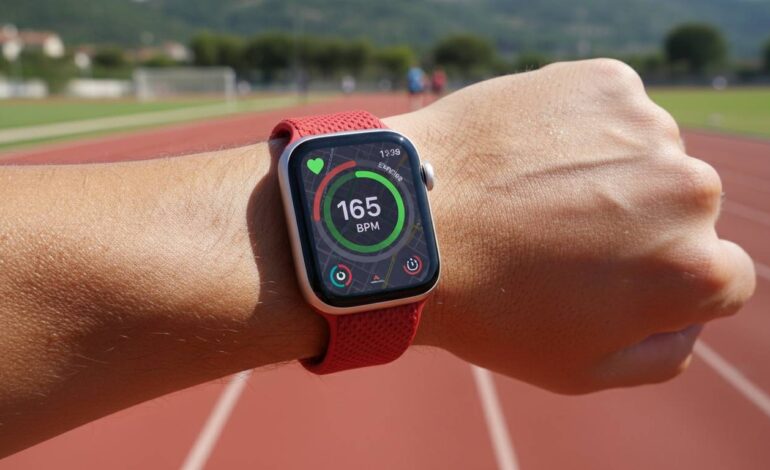
A quality fitness smartwatch should first and foremost provide accurate heart rate monitoring. This isn’t just about seeing your pulse—it’s the foundation for calculating calories burned, measuring workout intensity, and tracking recovery. Optical heart rate sensors have improved dramatically, though some devices still struggle during high-intensity movements or with certain skin tones. Look for devices with multiple sensors, as combining heart rate with blood oxygen (SpO2) and skin temperature readings gives you a more complete picture of your body’s state.
GPS tracking is another must-have for anyone serious about outdoor activities. Built-in GPS means your phone stays in your pocket while you run, cycle, or hike, and the distance and pace calculations tend to be more accurate than phone-based tracking. Some mid-range watches now include multi-band GPS for improved accuracy in challenging environments like dense urban areas or forests.
Water resistance matters more than many buyers realize. A 5ATM rating means you can swim with the device, track laps, and monitor your heart rate in the pool. This opens up an entire category of workout tracking that waterproof rated devices simply can’t handle. If you enjoy water sports or swim workouts, this specification deserves close attention.
The display and interface quality directly affects how often you’ll actually use the device. A bright, readable screen that works in direct sunlight makes checking metrics during workouts effortless. Touchscreens have become standard, but physical buttons remain valuable for starting and stopping workouts without fumbling with gestures, especially when your hands are sweaty or gloved.
Battery life varies enormously across the market. Some fitness-focused watches now deliver two weeks or more on a single charge, while others need charging every two to three days. Consider how you’ll actually use the device—a watch that dies during a long hike or marathon workout serves no one.
Premium Fitness Smartwatches: When Budget Isn’t a Concern
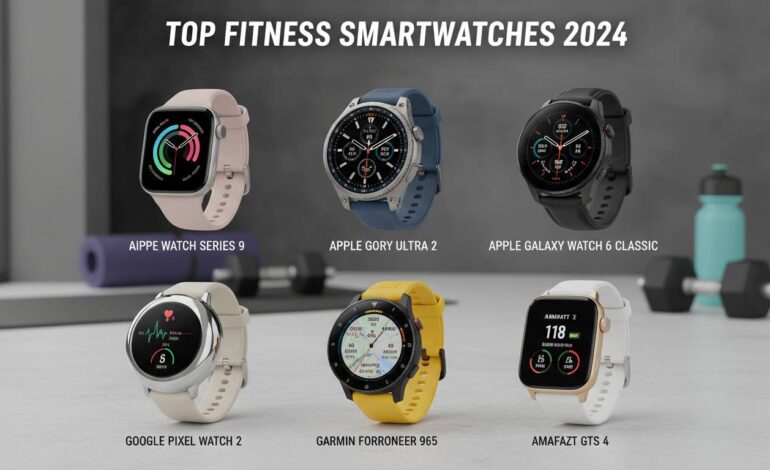
If money is no object and you want the absolute best fitness tracking technology available, two devices stand above the competition in 2024.
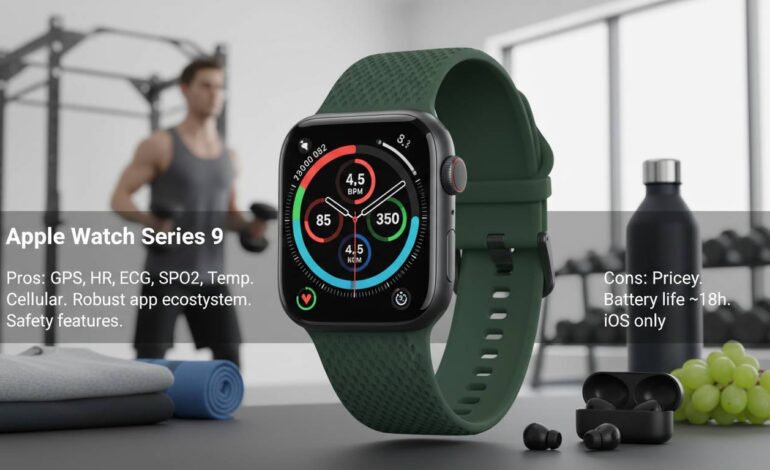
The Apple Watch Series 9 represents the most polished ecosystem for fitness enthusiasts already in Apple’s world. The device offers comprehensive health monitoring including heart rate, blood oxygen, ECG, and temperature sensing for cycle tracking. Workout detection is automatic, recognizing dozens of exercise types without manual input. The bright Always-On Retina display remains best-in-class, and the crown navigation makes controlling the interface during workouts intuitive. The downside involves iOS exclusivity and battery life that typically requires daily charging for heavy users.
Garmin’s Fenix 7X Pro targets serious athletes and outdoor adventurers with military-grade durability, multi-band GPS, and mapping capabilities that no consumer Apple device can match. The battery life stretches to 28 days in smartwatch mode, making it ideal for multi-day backcountry trips where charging isn’t possible. Health metrics go deep, with training readiness scores, recovery recommendations, and performance condition analysis that helps prevent overtraining. The Solar charging option adds meaningful runtime in outdoor environments. At prices exceeding $800, this watch targets dedicated athletes rather than casual fitness users.
For Android users seeking similar premium experiences, the Samsung Galaxy Watch 6 Classic delivers strong fitness tracking within the Google ecosystem. BioActive sensors provide comprehensive health monitoring, and the rotating bezel adds a distinctive interface element. Workout tracking covers the major categories, and the device integrates well with Samsung Health. Battery life trails competitors in this price tier, typically requiring charging every two days.
Mid-Range Champions: The Sweet Spot for Most Buyers
The $200 to $400 price range delivers most of the features that matter for fitness tracking without forcing painful compromises. These devices provide genuine value and represent where most buyers should focus their attention.
The Garmin Forerunner 265 has emerged as a standout for runners and multi-sport athletes seeking professional-level features without professional-level prices. The bright AMOLED display makes metrics easy to read in any lighting, and training readiness scores help users understand when their bodies are primed for hard workouts versus recovery days. GPS accuracy matches much more expensive Garmin devices, and the 13-hour battery life handles ultramarathons and long cycling rides without concern. At around $400, it delivers approximately 80% of the Fenix experience at half the price.
Apple’s older generation watches remain excellent values in the secondary market. The Series 7, now discounted following newer releases, provides comprehensive fitness tracking with most features most users will ever need. If you find one in good condition at $250 or less, the value proposition becomes compelling. Just understand that you’ll miss some improvements in newer models, particularly the faster processor and temperature sensing.
Samsung’s Galaxy Watch 5 offers similar value for Android users, providing robust fitness tracking at prices that have dropped significantly since release. The BioActive sensor captures heart rate, blood oxygen, and body composition metrics. Workout tracking covers the major categories, and the water resistance holds up for swimming. At discounted prices often below $200, it represents a smart entry point for Android users wanting solid fitness features without flagship pricing.
Budget Fitness Smartwatches: Quality Without the Premium Price
The sub-$150 category has matured significantly, with several devices offering surprisingly capable fitness tracking that would have seemed futuristic just a few years ago. Understanding the trade-offs helps set realistic expectations.
The Fitbit Inspire 3 shows how much budget fitness trackers have improved. Heart rate monitoring, sleep tracking, and 10+ days of battery life come in a slim, comfortable package. The screen is smaller than premium devices, and there’s no GPS built in—you’ll need your phone nearby for route tracking. But for users focused on daily activity, sleep, and basic workout metrics, the Inspire 3 delivers genuine value at roughly $100.
The Amazfit Band 7 from Zepp (the company behind Xiaomi’s fitness ecosystem) pushes the budget envelope with GPS, blood oxygen monitoring, and 18-day battery life at remarkably low prices. The Zepp app provides detailed fitness insights, though it doesn’t match the polish of Fitbit or Apple ecosystems. Users willing to accept some interface quirks will find exceptional hardware value here.
Garmin’s entry-level devices deserve mention despite higher prices than some competitors. The Garmin Venu Sq 2 offers Garmin’s trusted fitness algorithms and GPS in a more affordable package than their flagship models. The battery life stretches to 11 days, and the fitness features include workout animations that demonstrate exercises on the watch screen. At around $250, it’s the most affordable way into Garmin’s professional-grade tracking ecosystem.
Making Sense of the Ecosystem Decision
Choosing a fitness smartwatch involves more than comparing specs—it requires thinking about the ecosystem that will organize your health data and integrate with other devices you own.
Apple users benefit most from the Apple Watch ecosystem. Health data syncs seamlessly with iPhone, and features like Activity Rings create motivational frameworks that many users find genuinely engaging. Third-party fitness apps integrate deeply, and the App Store offers specialized tools for everything from yoga to CrossFit. The daily charging requirement represents the main ongoing inconvenience.
Android users face more fragmented options. Samsung devices work best within Samsung’s ecosystem but function adequately with other Android phones. Google’s Pixel Watch offers a middle path with Wear OS and deep Fitbit integration, though the premium pricing and shorter battery life create challenges. Generic Wear OS watches from brands like Fossil provide flexibility but often sacrifice fitness tracking depth.
Dedicated fitness brands like Garmin and Fitbit offer ecosystem advantages regardless of your phone choice. Garmin Connect and Fitbit apps rank among the most comprehensive fitness platforms available, with social features, detailed analytics, and integration with third-party apps and services. If fitness tracking is your primary concern rather than general smartwatch functionality, these specialized platforms often outperform the broader ecosystem options.
“The best fitness smartwatch is the one you’ll actually wear consistently. All the advanced metrics in the world matter little if the device sits in a drawer because it’s uncomfortable, ugly, or annoying to use.”
Features That Deliver Versus Features That Gimmick
Marketing teams excel at highlighting flashy features that see minimal real-world use. Understanding which capabilities genuinely improve fitness outcomes helps avoid paying for technology you’ll never engage with.
Continuous heart rate monitoring during workouts and throughout the day provides the foundation for accurate calorie tracking and training load analysis. This feature has become standard across most devices, though accuracy varies. If you’re training seriously, occasional validation against a chest strap or gym equipment heart rate monitors helps confirm your watch’s reliability.
Sleep tracking has evolved from novelty to genuinely useful. Modern devices capture sleep stages, breathing disturbances, and overnight heart rate variability that relates to recovery status. Over time, this data reveals patterns that affect performance. Garmin and Fitbit excel in this area, providing actionable insights rather than just raw numbers.
Blood oxygen monitoring (SpO2) gained attention during the pandemic but maintains value for athletes training at altitude or monitoring respiratory health. Most consumer devices provide adequate accuracy for general awareness, though medical-grade precision requires dedicated pulse oximeters.
ECG (electrocardiogram) capabilities have spread from medical devices to consumer watches, enabling detection of irregular heart rhythms like atrial fibrillation. This feature can literally be life-saving—Apple received FDA clearance for this functionality. If heart health concerns run in your family, this capability justifies premium pricing.
Automatic workout detection saves the hassle of manually starting sessions. Most modern devices recognize walking, running, cycling, and swimming without prompting. This seems like a small convenience, but it dramatically increases the likelihood that your shorter workouts actually get tracked.
Payment capabilities and music storage rank as genuinely useful convenience features rather than fitness essentials. Contactless payment lets you run phone-free and grab a post-workout smoothie without wallet fumbling. Offline music storage means your phone can stay at home during workouts while you still enjoy your running playlist.
Price Reality: What You’re Actually Paying For
The correlation between price and fitness tracking quality breaks down significantly once you exit the budget category. Mid-range devices often deliver 90% of premium capabilities at half the price or less.
Premium pricing primarily buys five things: premium materials and build quality, extended battery life, more sophisticated sensors, built-in GPS (in some cases), and ecosystem integration with exclusive features. For pure fitness tracking, the marginal value of flagship devices decreases substantially after you cross certain thresholds.
Most users should target the $150 to $300 range for optimal value. These devices provide accurate heart rate monitoring, GPS, water resistance, and comprehensive workout tracking. Battery life typically reaches a week or more, reducing charging frequency. The apps and data platforms have matured to provide genuinely useful insights.
Those with specific needs—ultramarathon training, serious swimming, outdoor adventure—may find premium features justify higher costs. But the average fitness enthusiast won’t extract proportional value from flagship pricing.
Matching Your Fitness Goals to Your Watch
Your primary fitness activities should heavily influence which watch makes the most sense for your situation.
Runners benefit most from dedicated running watches with excellent GPS accuracy and running dynamics metrics. Garmin’s Forerunner series excels here, with features like ground contact time, vertical oscillation, and cadence that help refine form. The convenience of having pace and distance data on your wrist without carrying a phone cannot be overstated.
Swimmers need devices with pool tracking capabilities and sufficient water resistance. Stroke detection, lap counting, and SWOLF (swimming efficiency) scores help improve technique. Most modern fitness watches offer these features, though some provide more detailed swim analytics than others.
Cyclists should consider watches that offer cycling profiles and compatibility with external sensors. Speed and cadence sensors add significant value for serious cycling training. Some watches include mapping and route guidance useful for exploring new routes.
Multi-sport athletes participating in triathlons or varied training routines benefit from devices with built-in multi-sport modes and quick-transition features between activities. Garmin’s triathlon-specific watches handle this seamlessly, while generic fitness watches often require manual workout restarts.
General fitness enthusiasts pursuing varied activities benefit from versatile devices that handle everything without requiring sport-specific expertise. The Apple Watch and Samsung Galaxy Watch adapt well to changing workout routines without configuration.
Conclusion: Finding Your Perfect Fitness Companion
The best fitness smartwatch for your needs depends on your specific situation—budget, phone ecosystem, fitness activities, and feature priorities. For most buyers in 2024, a mid-range device in the $200 to $350 range delivers excellent value with comprehensive tracking capabilities. The Apple Watch Series 9 and Garmin Forerunner 265 represent strong options depending on whether you prioritize general smartwatch features or specialized athletic tracking.
If budget constraints are real, the sub-$150 category offers genuine fitness tracking capabilities that would have cost three times as much a few years ago. The Fitbit Inspire 3 and Amazfit Band 7 provide core features without financial strain.
Those with specific athletic pursuits or demanding requirements will find premium devices worth the investment, particularly Garmin’s dedicated athletic watches or Apple’s most recent offerings. The extended battery life, superior GPS accuracy, and advanced training metrics matter when you’re pursuing serious fitness goals.
Whatever you choose, remember that the device is a tool supporting your fitness journey. The best watch in the world provides no value sitting on a charger. Choose based on what you’ll actually use, wear it consistently, and let the data help guide your training decisions over time.
FAQs
How long do fitness smartwatches typically last before needing replacement?
Most quality fitness smartwatches remain functional for three to five years with proper care. Battery degradation typically becomes noticeable after two to three years of heavy use, and new software features may stop arriving after three to four years as manufacturers focus on newer models.
Do I need GPS built into my smartwatch?
Built-in GPS proves essential for outdoor activities like running, cycling, and hiking where you want to track distance and route without carrying your phone. For indoor workouts, gym sessions, or activities where you don’t need route tracking, GPS becomes less critical.
Can fitness smartwatches track swimming accurately?
Most modern fitness smartwatches with 5ATM water resistance track swimming effectively, counting laps and estimating strokes. However, accuracy varies significantly between devices, and dedicated swim tracking typically requires more expensive models with advanced aquatic features.
Is daily charging necessary for fitness smartwatches?
Daily charging applies primarily to Apple Watches and premium Wear OS devices. Many Garmin and Fitbit models deliver five to fourteen days of battery life, reducing charging frequency substantially. Your usage patterns and selected features significantly impact actual battery duration.
Are cheaper fitness smartwatches accurate enough for serious training?
Mid-range and budget fitness smartwatches provide adequate accuracy for general fitness tracking and recreational training. However, athletes requiring medical-grade precision or competing at high levels may benefit from premium devices with more sophisticated sensors and validation against professional equipment.