Best Smartwatch for Fitness – Top Picks & Prices | Flipkart

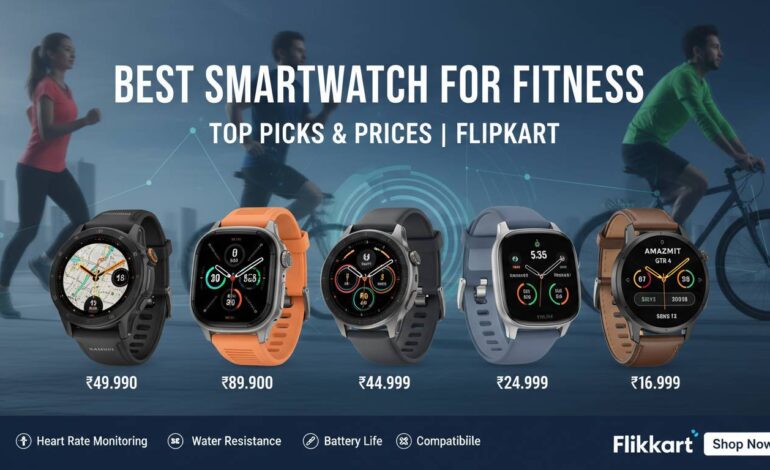
With so many options on Flipkart, picking the right smartwatch can feel like a chore. Whether you’re a serious athlete or just want to move more, you need something that tracks workouts reliably, monitors your health, and doesn’t cost a fortune. Here’s what actually matters when shopping for a fitness smartwatch.
What to Look for in a Fitness Smartwatch
Here’s what actually makes a difference for fitness tracking: heart rate accuracy, GPS for outdoor activities, battery life that survives long workouts, and water resistance if you swim. Beyond that, consider SpO2 for blood oxygen, sleep tracking for recovery, and workout modes that match what you actually do.
Display brightness matters if you’re exercising outdoors—a dim screen is useless in sunlight. Weight matters too; heavy watches get annoying during long runs. And don’t sleep on the companion app. A good app makes it easier to see trends and set goals.
One thing to watch: don’t pay for features you’ll never use. If you’re mainly walking, you probably don’t need fancy satellite GPS. Serious runners need precise location tracking without carrying their phone. Know what you actually do, and the choice gets easier.
Top Fitness Smartwatches on Flipkart
Apple Watch Series 9
The Apple Watch Series 9 is the most capable fitness companion you can buy, but it costs significantly more than most alternatives. The S9 chip makes everything snappy, and the double-tap gesture is genuinely useful when your hands are busy during workouts. Health features include ECG, blood oxygen sensor, and an easy-to-read always-on display.
The dual-frequency GPS gives accurate distance tracking even in busy cities. Activity rings encourage daily movement, and the Workout app covers everything from swimming to HIIT. Everything syncs to Apple’s Health app in one place.
The battery is the big downside—around 18 hours means daily charging if you track sleep. Many people charge while showering, so it works. But athletes training for longer events might find it limiting. One catch: you need an iPhone. Android users need not apply.
Samsung Galaxy Watch 6
Samsung’s Galaxy Watch 6 is a solid fitness tracker that works with both Android and iOS, though some features work best with Samsung phones. The BioActive sensor handles heart rate, ECG, and body composition in one package. That means heart rate, ECG, blood pressure, and body fat analysis from one device.
The rotating bezel is still a great feature—easy to navigate during workouts when your fingers are sweaty. Workout tracking covers over 100 exercises, and automatic detection works well for running, cycling, and swimming. Sleep coaching gives personalized advice to improve rest, which directly helps recovery.
One thing: blood pressure monitoring needs calibration and isn’t available everywhere. Battery is about a day and a half with always-on display—fine but not impressive. The watch is also on the heavier side, so try one on before buying if you prefer lighter devices.
Fitbit Sense 2
Fitbit built its name on health tracking, and the Sense 2 keeps that going with standout stress management. The cEDA sensor detects stress spikes and prompts breathing exercises. This whole-person approach sets Fitbit apart from brands mainly focused on workout numbers.
It’s noticeably slim and light—comfortable enough to wear 24/7, including sleep. Battery goes about six days, way longer than Apple or Samsung. That means you can actually track sleep without charging every night.
Health sensors include SpO2, skin temperature, and GPS (built-in on the slightly pricier Sense 2). The Fitbit app gives detailed sleep scores and readiness scores to help you decide whether to push hard or rest. The tradeoff is a more limited app ecosystem than Apple or Samsung, and some features need Fitbit Premium.
Budget Fitness Smartwatches Under ₹5,000
Noise ColorFit Pro 4
Noise dominates the budget smartwatch market on Flipkart. The ColorFit Pro 4 gives you a 1.7-inch display, SpO2, heart rate, and sleep tracking for a fraction of what big brands charge. Build quality is surprisingly decent for the price, and it doesn’t look cheap.
Battery is the real win—7 to 10 days depending on use means you charge way less than premium options. The app has gotten much better and now shows decent data for basic tracking. Over 150 watch faces let you personalize the look, though that’s mostly cosmetic.
Tradeoffs: sensor accuracy is good enough for general fitness but not medical-grade. Plastic shows scratches easier than metal. Still, if you want to try fitness tracking without spending much, this delivers real value.
boAt Xtend Pro
boAt made its name with audio gear but now sells the Xtend Pro, a fitness-focused smartwatch. The 1.83-inch screen is bigger than most rivals at this price, making it easier to read metrics during workouts. Battery goes about 10 days, and you get 14 sports modes.
Health features stand out here—SpO2, menstrual cycle tracking, and stress monitoring are rare at this price. It’s also water-resistant to 5ATM, so swimming is fine.
Some users say the heart rate sensor runs a bit high compared to chest straps or premium watches. Build quality is okay. Still, the Xtend Pro packs a lot in for the money—great for casual fitness folks who want more than the basics.
Fire-Boltt Ninja Pro
Fire-Boltt grabbed market share by putting premium features into cheap watches. The Ninja Pro has built-in GPS—unusual at this price and valuable for runners who don’t want to carry phones. The 1.3-inch display is sharp enough for workout metrics, and the curved glass looks pricier than it is.
Health tracking covers heart rate, SpO2, blood pressure, and sleep. Over 100 sports modes handle most activities. Battery lasts a week easily, and fast charging means you aren’t waiting long.
The catch: software updates are inconsistent. Some units get regular updates, others don’t. Build quality varies more than bigger brands. But if you need GPS without spending more, the Ninja Pro is a solid choice.
Mid-Range Fitness Smartwatches (₹5,000-₹15,000)
Garmin Forerunner 55
Garmin makes fitness-first wearables, and the Forerunner 55 is built for recreational runners and beginners. The GPS accuracy is excellent, and training features go beyond basic tracking. Recovery advisor, race predictor, and daily suggested workouts help structure training without a coach.
It’s lightweight and comfortable for all-day wear, with a clear display easy to read while moving. Battery lasts about two weeks in smartwatch mode or 20 hours in GPS mode—exceptional for what you get. Garmin Connect shows detailed training analysis, though the interface feels old.
One tradeoff: limited smart features compared to Apple or Samsung. You get notifications but can’t respond or use apps. No music storage or contactless payments either. For pure fitness tracking with running focus, it’s hard to beat at this price.
Samsung Galaxy Watch 5
The Galaxy Watch 5 gives you most Pro features without the Pro price. The BioActive sensor tracks heart rate, ECG, and body composition accurately. Sapphire crystal display resists scratches way better than before, handling daily use well.
Sleep tracking got much better with sleep scores and detailed stage breakdowns. Workout tracking covers over 90 exercises with automatic detection for common activities. The lighter design than Watch 4 makes it more comfortable for all-day and overnight wear.
Battery with always-on display is about a day and a half. Turn off always-on and it lasts longer. Full features require a Samsung phone—blood pressure and ECG don’t work fully on other Android phones.
Apple Watch SE (2nd Gen)
The Apple Watch SE gives you most Series 8 fitness features for less money. iPhone users who want solid tracking without the premium cost get a good deal. The design looks like newer models, so it doesn’t seem dated. Core fitness features—workout tracking, Activity rings, heart rate monitoring—work the same as pricier versions.
What’s missing: always-on display, temperature sensing, and the S9 chip’s speed. For many people, these don’t matter much. SE still has fall detection, crash detection, and emergency calling.
Battery matches other Apple Watches at about 18 hours. And again, you need an iPhone—if you’re on Android, this isn’t an option.
Premium Fitness Smartwatches (₹15,000+)
Garmin Fenix 7
The Garmin Fenix 7 is for serious athletes and outdoor people who need the toughest, most feature-packed fitness companion. Multisport handles trail running, swimming, skiing—all without missing anything. Solar charging extends battery life; some models can basically run forever in the right conditions.
Build is exceptional—titanium bezel, sapphire crystal, 10ATM water resistance. The MIP display stays readable in direct sunlight, a big plus for outdoor athletes. Maps and navigation rival dedicated GPS units, great for hiking and cycling.
The price is steep for casual fitness users, and it’s bulky. If you’re training for an ultramarathon or multi-day hike, it’s worth it. For typical gym and running, cheaper options work fine.
Apple Watch Ultra 2
Apple’s Ultra 2 is the most powerful Apple Watch for fitness—bigger case, longer battery, tougher build. The 36-hour battery (72 in low-power mode) fixes the main Apple Watch complaint, good for marathons or overnight hikes. Titanium case and flat sapphire crystal can take serious punishment.
Precision dual-frequency GPS tracks accurately in forests or cities. The Action button lets you start intervals, mark laps, or switch displays without touching the screen. Depth sensor enables diving to 40 meters.
It’s substantially larger than standard Apple Watch—some find it uncomfortable for all-day wear. The price is high, targeting people who specifically need these capabilities. Most fitness users get more value from regular Apple Watch models.
Samsung Galaxy Watch 6 Classic
The Galaxy Watch 6 Classic adds a physical rotating bezel to the already solid Watch 6, giving tactile control that’s great during workouts. Stainless steel looks premium and handles daily wear well. All health and fitness features from the standard model apply, with slightly better battery from the larger case.
This is for people who prefer physical controls over touch, or who want the best Galaxy Watch regardless of price. The Classic looks more like a traditional watch, which some prefer over the sleek standard look.
At this price, it competes with Apple Watch Ultra. Pick based on your phone—Samsung users get the full experience.
How to Choose the Right Fitness Smartwatch for You
Your phone ecosystem is the first decision. iPhone users get the smoothest experience with Apple Watch. Android users should look at Samsung, Garmin, or Fitbit depending on what matters to you. If you’re in the Apple ecosystem and switch to Android, you lose a lot—so pick your ecosystem first.
Think about what you actually do. Runners need built-in GPS. Cyclists might want bike computer compatibility. Swimmers need at least 5ATM water resistance. If general fitness and health matter more than workout details, sleep and stress tracking might be priorities.
Battery life matters if you want sleep tracking. Daily-charging watches like Apple become less convenient than week-long batteries like Fitbit or Garmin. Consider where and when you can charge, and whether a dead watch mid-workout hurts your training.
“The best fitness smartwatch is the one you’ll actually wear consistently. Fancy features mean nothing if the watch sits in a drawer because it’s uncomfortable or annoying to charge.”
Set a realistic budget. Premium features like ECG and blood pressure sound great but may not work everywhere or may need subscriptions. Budget options from Noise, boAt, and Fire-Boltt have improved a lot—they handle basic tracking well for most people.
Conclusion
Flipkart has fitness smartwatches at every price, from under ₹5,000 to over ₹40,000. The right choice depends on your situation—iPhone users get the best experience with Apple Watch Series 9 or SE, while Android users have strong options in Samsung Galaxy Watch 6 or Garmin Forerunner 55. Budget buyers get solid value from Noise ColorFit Pro 4 or Fire-Boltt Ninja Pro, which include features that were premium-only just a few years ago.
Focus on features matching your actual habits, not marketing specs. Built-in GPS matters for outdoor runners but not gym-goers. Week-long battery matters more for sleep tracking. Whatever you pick, consistency beats perfection—any of these watches gives useful data to understand and improve your fitness.
FAQs
Which smartwatch has the best battery life for fitness tracking?
Garmin wins on battery. The Forerunner 55 lasts up to two weeks in smartwatch mode. Fitbit Sense 2 goes about six days—much longer than Apple or Samsung.
Can I swim with budget smartwatches under ₹5,000?
Most budget watches have 5ATM water resistance, fine for swimming. But water resistance degrades over time, and tracking accuracy varies a lot between models.
Do I need built-in GPS, or is connected GPS sufficient?
Built-in GPS lets the watch track location without your phone—essential for outdoor running or cycling without carrying your phone. Connected GPS (using your phone) works fine if you always have your phone anyway.
Are fitness smartwatches accurate for heart rate monitoring?
Most optical heart rate sensors in consumer watches are accurate enough for general fitness. They’re slightly less precise than chest straps during intense intervals. For medical-grade accuracy, you need proper medical devices.
Which brand offers the best sleep tracking?
Fitbit leads in sleep tracking accuracy and detail. Samsung Galaxy Watch has caught up a lot with better sensors and scoring. Apple Watch tracks sleep but with less detail than sleep-focused brands.
Is Apple Watch worth the premium price for fitness tracking?
Apple Watch has comprehensive fitness features and seamless iPhone integration—the premium makes sense for iPhone users who want the best ecosystem experience. Android users should look elsewhere since Apple Watch barely works outside iOS.