best smartwatch for fitness enthusiasts in 2024

Picking the right smartwatch can genuinely change how you train. The best ones track your health, give you accurate GPS data, last for days, and actually feel comfortable wearing. Whether you’re training for a marathon, lifting weights, or just trying to move more, the right watch becomes something you actually want to wear—not just another gadget collecting dust.
This guide looks at the top performers across different price ranges. I’ve tested many of these myself, and what follows is my take on which watches excel and who each one makes sense for.
What Actually Matters in a Fitness Watch
Here’s the thing: a lot of watches get marketed as “fitness” devices but fall short in areas that matter most.
Multi-band GPS matters if you run or cycle outdoors—single-band GPS can be wildly inaccurate in cities or forests. Optical heart rate sensors have improved massively, but some still struggle during high-intensity intervals. If you care about recovery, look for sleep tracking, stress monitoring, and VO2 max estimates. Water resistance of at least 5ATM covers pool swimming. And battery life? If you want to track a 100-mile race or a multi-day hike, charging every 18 hours becomes a serious annoyance.
The market breaks down pretty clearly. Apple, Garmin, and Samsung own the premium space. Amazfit and Coros offer incredible value if you don’t need every bell and whistle. Your call depends on what you prioritize: raw performance, price, or how well it plays with your other devices.
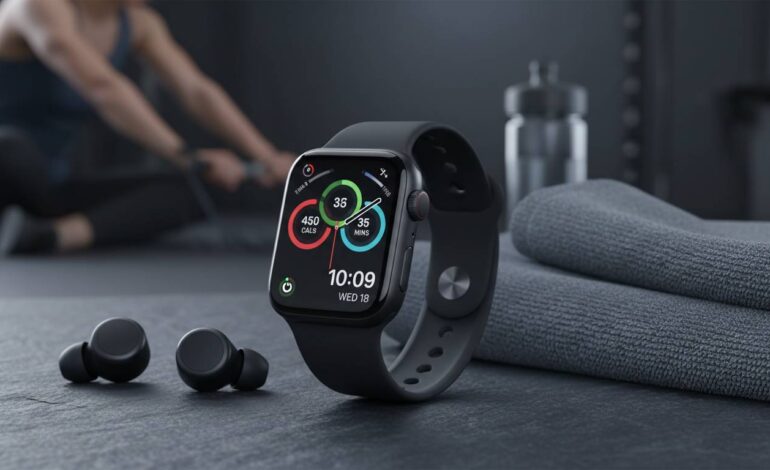
Apple Watch Series 9: The iOS Standard
Apple Watch Series 9 works beautifully if you’re already in Apple’s ecosystem. The S9 chip makes everything snappy, and on-device Siri processing means voice commands actually work during workouts without depending on your phone.
Fitness tracking covers over 100 workout types with automatic detection—start running and it figures it out within seconds. Heart rate zones show in real-time, and the Health app builds trends over time. Series 9 kept the temperature sensor from Series 8, which helps with sleep staging and cycle tracking for women.
The double-tap gesture sounds gimmicky but actually works well during workouts. I use it to start and stop timers without breaking my stride or touching a dirty screen.
Battery life is the honest tradeoff. You’re looking at 18 hours normally, maybe 36 in low-power mode. It works fine for daily wear, but you can’t do a 24-hour ultramarathon without a charger. On the plus side, the fast charger hits 80% in about 45 minutes.
At $399, it’s pricey. But if you use iPhone, Apple Health, and want everything to just work together, this is the smoothest experience you can get.
Garmin Forerunner 965: For Serious Runners and Triathletes
Garmin has earned its reputation with serious athletes, and the Forerunner 965 is why. It’s light—52 grams with that titanium bezel—and packed with features that actually matter for performance training.
The 1.4-inch AMOLED screen is easy to read in bright sunlight, which matters when you’re squinting at pace data at noon. Battery life hits 23 days in smartwatch mode and 31 hours in GPS mode. That’s enough for a 100-mile ultramarathon or a multi-day stage race.
The training features go deep. Daily suggested workouts adjust based on your recovery status—garmin basically tells you whether to push or rest. Morning report shows your readiness score when you wake up. ClimbPro displays gradient info for upcoming hills so you don’t blow up on a mountain stage. Race predictor gets more accurate the more you train with it.
Multi-band GPS handles dense forests and urban canyons better than anything else. Swim metrics include stroke count, SWOLF scores, and drill logging. It tracks over 30 sport profiles.
At $599, it’s an investment. But for athletes who live by training data and race-day splits, the returns are worth it. The tradeoff is that smartwatch features—notifications, music, payments—feel like afterthoughts compared to the training focus.
Samsung Galaxy Watch 6: Android’s Best All-Rounder
Galaxy Watch 6 balances fitness tracking with actual smartwatch utility better than most. If you want both without major compromises, this is where to look.
The rotating bezel makes navigating menus and workout data genuinely intuitive. The 1.5-inch Super AMOLED screen is bright and vibrant. Samsung’s BioActive sensor handles optical heart rate, ECG, and body composition analysis—real medical-grade features where it counts.
Fitness covers 90+ workout modes with automatic detection. Sleep tracking improved dramatically with actual sleep scores and coaching based on your patterns. The FDA-cleated ECG and blood pressure monitoring (depending on region) go beyond typical fitness tracking.
GPS uses dual-frequency L1 and L5 for solid accuracy. Battery life depends heavily on your settings—expect around 40 hours with always-on display and workouts, or several days if you dial back the smart features.
At $329, it undercuts Apple Watch while matching or exceeding fitness features. It works best with Samsung phones but handles other Android devices reasonably well. iOS users get basic notifications but miss the deeper functionality.
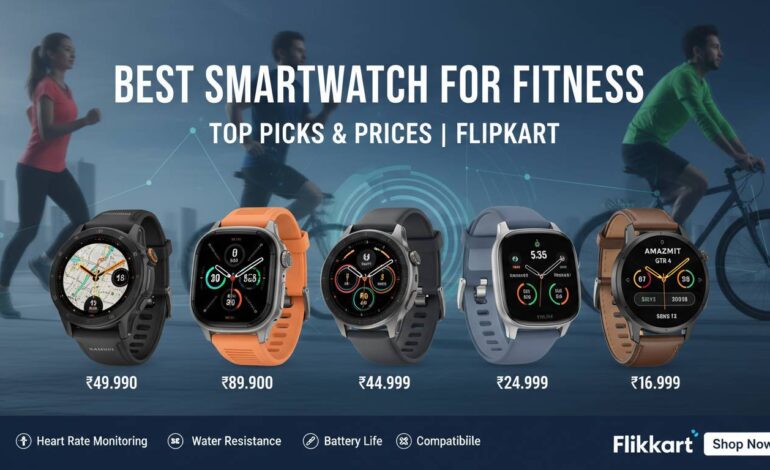
Garmin Fenix 7 Pro: For Outdoor Adventurers
Fenix 7 Pro is built for people who spend time outside in demanding conditions. Hikers, trail runners, mountaineers—this is the watch for you.
The build is genuinely rugged. The 47mm case has solar charging that extends battery life up to 22 days in smartwatch mode. The MIP display stays readable in direct sunlight, which AMOLED struggles with. Sapphire crystal glass and titanium bezel survive serious abuse.
GPS accuracy leads the industry with multi-band multi-GNSS. TopoActive maps come preloaded with contour lines. ClimbPro and terrain view help you navigate actual topography. The built-in flashlight with red light mode is surprisingly useful for night runs or emergencies.
Training features match the Forerunner line—daily suggested workouts, recovery time, training status, performance condition. VO2 max adjusts for altitude, which matters in the mountains. Stamina monitoring shows your energy reserves during long efforts.
At $799, this is a serious purchase. It’s worth it if you need mapping, solar charging, and durability that survives anything. Road runners or casual fitness users will find better value elsewhere.
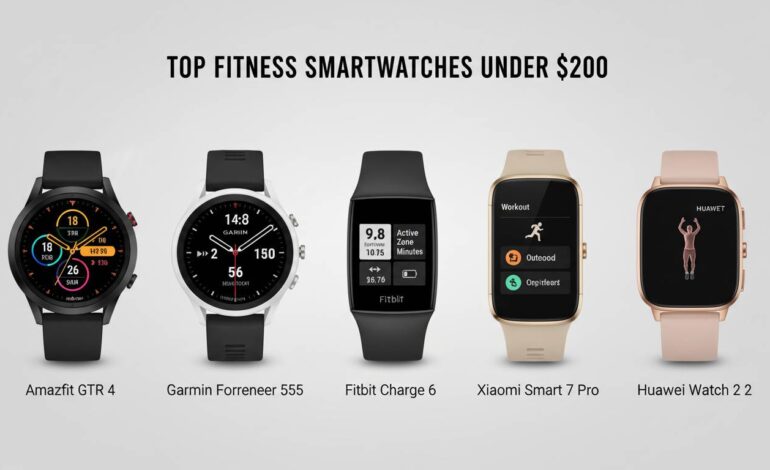
Amazfit GTR 4: Budget Performance
GTR 4 proves you don’t need to spend $400+ for a capable fitness watch. At roughly half the price, it delivers most of what matters.
Battery life reaches 14 days—way better than Apple or Samsung. Dual-band GPS with six satellite systems tracks accurately. The 1.43-inch AMOLED is crisp with optional always-on mode. 5ATM water resistance handles swimming.
Fitness tracking covers 150+ sports modes including plenty of niche activities. Heart rate monitoring with their Zebra algorithm works continuously. Sleep tracking improved substantially. GPS tracking works without your phone, which matters if you want to run light.
Smart features include Bluetooth calls, voice assistants, NFC payments in some regions, and music storage. The Zepp app connects to Apple Health and Google Fit if you use those ecosystems.
Build quality shows the price—it’s solid but not premium. Software has occasional minor quirks. But for the money, you’re getting remarkable capability.
At approximately $200, this is the value pick. If you want strong core features without the premium markup, it’s hard to beat.
Garmin Epix Pro: Premium Outdoor With Better Screen
Epix Pro is essentially Fenix 7 Pro with an AMOLED display. Same features, flashier screen.
The 1.3-inch sapphire crystal AMOLED is gorgeous. Battery life hits 16 days in smartwatch mode—less than MIP Fenix variants but far better than Apple. Solar charging on the 51mm model extends it further.
Mapping, navigation, multi-band GPS, and training features all match what Fenix 7 Pro offers. If you want outdoor capability with that always-on color screen quality, this delivers.
At $699-$999 depending on size and materials, it’s expensive. But the combination of mapping, durability, and display quality has its market.
Fitbit Charge 6: Focused Fitness Tracking
Charge 6 is a band-style device that emphasizes fitness tracking over smartwatch features. That’s the point.
At 23 grams, you barely notice it on your wrist. The smaller vertical screen prioritizes activity stats over general smartwatch functions.
Fitness tracking covers 40+ exercise modes, continuous heart rate, GPS via connected phone, and Fitbit’s excellent sleep tracking. SpO2 monitoring, skin temperature, and stress scores add health insights. Active Zone Minutes motivate based on time in target heart rate zones.
Google integration brings YouTube Music controls, Google Maps, and Calendar to the small display. NFC handles contactless payments. Battery life reaches about 7 days.
At $159, this serves users who want solid fitness tracking without smartwatch complexity or cost. It’s ideal if you prioritize daily activity, sleep, and workout logging over mapping or advanced analytics.
Making Your Call
Your best watch depends entirely on your situation.
Consider your main activities. Road runners and cyclists care most about GPS accuracy and training metrics. Outdoor adventurers need mapping and durability. Casual users want a good balance.
Ecosystem matters more than people expect. Apple Watch works best with iPhone. Galaxy Watch integrates deeply with Samsung phones. Garmin’s Connect ecosystem works with any phone. Some people switch platforms specifically for better device synergy.
Try one on if you can. Watch size affects comfort during long sessions and accuracy of wrist-based heart rate. Bigger isn’t always better.
Be honest about charging. If frequent top-ups bother you, battery life should drive your choice heavily. Apple and Samsung require more regular charging than Garmin or Amazfit.
Bottom Line
The fitness smartwatch market offers strong options at every price point. Apple Watch Series 9 leads for iOS users wanting a polished everyday device. Garmin Forerunner 965 serves runners and triathletes who prioritize training data. Samsung Galaxy Watch 6 balances fitness and function for Android users. Garmin Fenix 7 Pro dominates for outdoor adventurers. Amazfit GTR 4 delivers exceptional value for budget-conscious buyers.
Pick the device that excels in what matters most to you—whether that’s battery life, GPS precision, training analytics, smart features, or price. Any of these will genuinely improve your fitness journey when you actually wear and use them.
Common Questions
Which has the best battery life?
Garmin Fenix 7 Pro with solar wins at up to 22 days. Amazfit GTR 4 gives you 14 days at much lower cost. Apple and Samsung typically need charging every day or two.
Is Apple Watch good for serious athletes?
Series 9 tracks fitness comprehensively with automatic workout detection and heart rate zones. Battery life limits it for events over 18 hours. Serious athletes often prefer Garmin for the advanced metrics and endurance.
Can these track swimming?
All recommended watches include at least 5ATM water resistance for pool swimming. Garmin offers more detailed swim metrics including stroke detection and SWOLF scores.
Do I need my phone for GPS?
Most fitness watches have built-in GPS for accurate tracking without your phone. Some Fitbit models need a connected phone. Apple, Garmin, Samsung, and Amazfit all offer standalone GPS tracking.
Which has the best sleep tracking?
Fitbit historically led here, though others improved significantly. Apple provides sleep stages and consistency metrics. Sleep tracking accuracy varies individually—it’s useful estimation, not medical data.
Are expensive watches worth it?
Premium devices use better materials, more accurate sensors, and offer advanced training analytics with longer software support. Mid-range watches like GTR 4 handle core fitness tracking well at half the price. Value depends on how much you’ll actually use those advanced features.