# Best Smartwatches for Exercise: 10 Picks for 2025 Finding

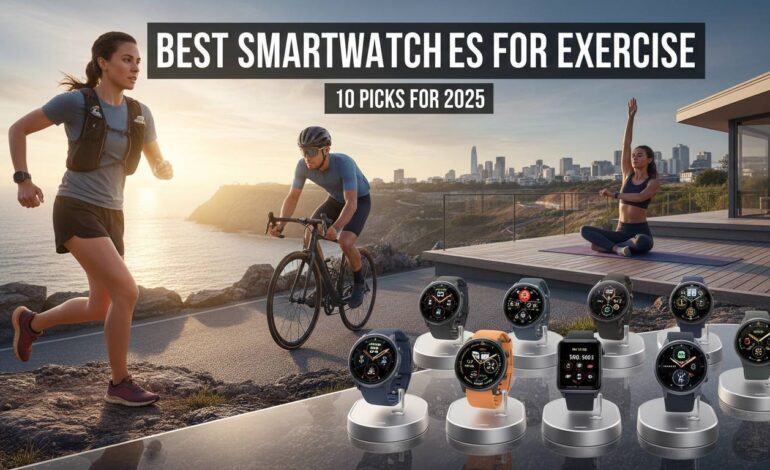
Finding the right smartwatch can transform how you train, track progress, and stay motivated. Whether you’re a marathon runner logging every mile, a gym enthusiast counting reps, or someone trying to move more each day, the best smartwatch for exercise should feel like a natural extension of your fitness journey—not just another gadget collecting dust in a drawer. After testing dozens of models across different price points and use cases, these ten picks represent the strongest options currently available for anyone serious about exercise in 2025.
What Actually Matters in an Exercise Smartwatch
Before diving into specific models, it’s worth understanding what separates a decent fitness tracker from something truly useful for regular workouts. GPS accuracy ranks near the top of most athletes’ priority lists. A watch that can’t accurately map your runs, rides, or swims will leave you second-guessing your training data, and that’s frustrating when you’re trying to improve over time.
Battery life matters more than many people expect until they’ve been mid-run and watched their watch die. Some premium models now offer multi-day battery life even with GPS enabled, which makes a real difference for endurance events or back-to-back training sessions.
Water resistance deserves attention if you swim or get caught in rain frequently. Not all smartwatches handle water equally—some are splash-resistant while others are designed for pool laps and open-water swimming.
The ecosystem matters too. If you already use specific apps for training, cycling, or strength work, choosing a watch that integrates smoothly prevents headaches later. Apple users generally benefit most from Apple Watch, while Android users have more flexibility but should still consider which platform offers the best third-app compatibility for their sport of choice.
Heart rate monitoring accuracy has improved dramatically across the board, but optical sensors still struggle sometimes during high-intensity intervals or activities with lots of wrist movement. Some watches include chest strap compatibility for those situations, which is worth knowing if precision matters for your training zones.
Apple Watch Series 10
The Apple Watch Series 10 continues Apple’s dominance in the smartwatch space. It brings a slightly larger display and thinner profile compared to its predecessors, making it comfortable enough to wear all day and night for sleep tracking.
For exercise, the Series 10 includes the full suite of workout types—from standard running and cycling to tai chi and wheelchair pacing. The new depth sensor and water temperature sensor make it genuinely useful for swimmers, not just resistant to water. You can now track your open-water swims with more confidence, and the automatic stroke detection works reasonably well for pool sessions.
The exercise ring system motivates many users to close their move, exercise, and stand goals daily. While some experienced athletes find the ring gamification simplistic, it works well for people building consistent exercise habits. The precision dual-frequency GPS delivers quick lock-on times and accurate distance tracking for most runs and rides in urban environments.
Battery life sits at about 18 hours with regular use, or roughly 10 hours with always-on display and workout tracking enabled. That’s enough for most people’s needs but falls short for ultramarathons or multi-day adventures. The fast charging helps—you can get back to full charge in around an hour, which is convenient for daily use.
One minor frustration: the battery still doesn’t last two full days with moderate exercise tracking, which places it behind some competitors for users who want to track sleep without charging every night.
Garmin Forerunner 965
Garmin has built its reputation on serious athletic hardware, and the Forerunner 965 exemplifies that focus. This watch was designed specifically for runners and endurance athletes who want detailed performance metrics without compromise.
The bright AMOLED display makes it easy to read in direct sunlight, a common complaint with earlier Garmin models that used memory-in-pixel screens. The battery lasts up to 23 days in smartwatch mode or about 31 hours with GPS enabled, which covers most ultramarathons and long-distance cycling events without concern.
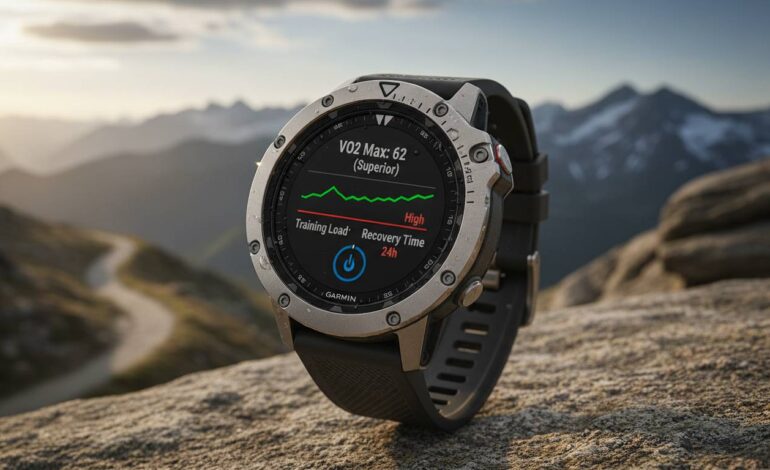
Training readiness scores, recovery recommendations, and acute load tracking give you a clearer picture of whether your body is primed for a hard workout or needs rest. This data-driven approach appeals to athletes who’ve moved beyond generic fitness advice and want personalized insights based on their actual physiological data.
The Forerunner 965 includes multi-band GPS for improved accuracy in challenging environments like dense urban areas or mountainous terrain. It tracks your vertical oscillation, ground contact time, and stride length in real-time, providing immediate feedback on running form that most consumer watches simply can’t match.
The only real drawback is the premium price and slightly bulkier case. If you’re primarily swimming or doing low-impact cross-training, some features may feel overkill. But for dedicated runners willing to invest in their training data, this watch delivers genuine value.
Samsung Galaxy Watch 7
Samsung’s Galaxy Watch 7 works best for Android users who want a capable exercise companion without leaving their existing app ecosystem. The rotating bezel is gone, replaced by a touch-friendly interface, but the overall experience remains polished and responsive.
Exercise tracking covers the expected range of activities, and Samsung has improved its heart rate accuracy significantly with a new sensor array. The AI-powered workout suggestions adapt to your activity patterns, which some users find helpful while others prefer more manual control over their training.
GPS performance is solid in most conditions, though multi-band support is limited to the LTE model. The Body Composition feature provides quick body metrics including muscle and fat percentages, though it’s not as accurate as dedicated scales or medical equipment.
One standout feature for Galaxy users is the ability to control Samsung TVs, Galaxy phones, and other devices directly from the watch. If you use Samsung’s ecosystem extensively, the integration adds convenience beyond exercise tracking.
Battery life runs about a day and a half with typical use, similar to Apple Watch. Samsung has improved standby power consumption, but heavy GPS tracking still drains the battery faster than some competitors.
Garmin Fenix 7 Pro
The Fenix 7 Pro sits at the top of Garmin’s lineup for good reason—it’s built to handle serious outdoor abuse while providing comprehensive training metrics. This is the watch you’d choose for mountaineering, trail running, or multi-sport adventures where reliability matters more than sleek aesthetics.
The sapphire crystal display resists scratches that would damage lesser watches, and the titanium bezel adds durability without excessive weight. Water resistance to 10 ATM means you can swim, snorkel, or get caught in heavy rain without concern.
Battery life reaches up to 22 days in smartwatch mode or 57 hours with GPS enabled—numbers that actually hold up in real-world testing. The solar-charging variant extends these figures further, which appeals to outdoor enthusiasts spending extended time away from power outlets.
The training readiness score and recovery time recommendations match the Forerunner 965, but the Fenix adds topographic maps, elevation data, and weather alerts that matter for wilderness adventures. You can load courses and navigate turn-by-turn directly on the watch, which proves invaluable when cell service disappears.
The premium price puts it out of reach for casual fitness users, and the case is noticeably chunky. But if you regularly exercise in challenging environments or want the most capable outdoor sports watch available, the Fenix 7 Pro delivers.
Fitbit Charge 6
Fitbit has long dominated the fitness tracker segment, and the Charge 6 continues that tradition with improvements over previous generations. While it’s not a full smartwatch in the traditional sense, it offers enough smart features to satisfy many users who primarily care about exercise tracking.
The Google integration brings Maps and YouTube Music controls directly to the wrist, addressing previous complaints about limited app support. GPS connects to your phone for distance tracking, which saves battery compared to onboard GPS while still providing reasonable accuracy for most runs and rides.
Heart rate tracking performs respectably for daily exercise, though it occasionally struggles during high-intensity intervals with significant wrist movement. The included accelerometer provides basic activity tracking, and Fitbit’s strength training recognition works well for gym sessions.
Battery life stretches about seven days under normal use, which beats most full-featured smartwatches significantly. The magnetic charging is convenient, though proprietary cables can be annoying when traveling.
The smaller form factor appeals to people who find traditional smartwatch cases uncomfortable, and the price point makes it accessible for anyone wanting reliable fitness tracking without premium pricing. Sleep tracking remains Fitbit’s strength, with detailed sleep stages and a sleep score that many users find motivating.
Apple Watch Ultra 2
Apple’s second-generation Ultra targets serious athletes with its larger case, extended battery life, and dual speakers. This isn’t Apple’s mainstream watch—it’s designed for people who push their limits and need hardware that keeps up.
Battery life reaches 36 hours under normal use or up to 72 hours in low-power mode, addressing the primary complaint users had with earlier Apple Watch models. GPS tracking with precision dual-frequency delivers accurate distance data even in difficult urban environments.
The Action button allows custom shortcuts during workouts—starting intervals, marking laps, or triggering specific workout phases without fiddling with the touchscreen. This proves genuinely useful during races or HIIT sessions when you need quick responses.
Water resistance to 100 meters and the depth sensor open up serious water sports that would damage regular smartwatches. Freedivers and recreational scuba divers can use the depth app directly, while pool swimmers get automatic stroke detection and lap counting.
The larger case (49mm) accommodates bigger wrists more comfortably but feels substantial on smaller frames. The premium price reflects the enhanced capabilities, making it most appropriate for athletes who’ve already committed to Apple devices and want the best possible exercise tracking.
Coros Apex 2 Pro
Coros has built a devoted following among serious athletes, and the Apex 2 Pro shows why. This watch delivers pro-level training features at a price significantly below Garmin’s premium offerings, making it attractive for budget-conscious athletes who don’t want to sacrifice capability.
Battery life reaches 45 hours with GPS enabled or about 30 days in smartwatch mode—numbers that rival watches costing twice as much. The solar charging option extends these figures further for outdoor users.
Training metrics include recovery recommendations, training load analysis, and performance condition assessments that help you understand whether to push hard or take it easy on any given day. The Epoch watch face analyzes your biometric data continuously and provides easy-to-understand readiness scores.
GPS accuracy uses multi-band technology for improved performance in challenging conditions, though real-world testing shows it slightly behind Garmin in dense urban environments. For most users in typical conditions, the accuracy is perfectly adequate.
The smaller company means a more limited app ecosystem compared to Garmin or Apple, but the core functionality works well. If you want professional training insights without the premium price, the Apex 2 Pro deserves consideration.
Amazfit GTR 4
Amazfit continues delivering impressive value, and the GTR 4 shows you don’t need to spend flagship money for solid exercise tracking. This watch handles daily fitness tracking comfortably while including features often reserved for premium models.
The 14-day battery life in typical use or about 20 hours with GPS tracking isn’t class-leading but proves adequate for most users. The convenience of weekly charging rather than daily charging appeals to people frustrated by power-hungry competitors.
Dual-band GPS provides reasonable accuracy in most conditions, and the companion app supports over 150 workout types. Heart rate monitoring works well for moderate exercise, though accuracy decreases during high-intensity efforts compared to optical sensors in more expensive watches.
The always-on AMOLED display looks sharp, and the watch includes offline voice assistant support plus NFC for contactless payments. These features matter more than expected until you’ve used them regularly.
If you’re new to fitness tracking or want a capable backup watch, the GTR 4 delivers meaningful functionality at an accessible price. Just manage expectations around the finest performance details that serious athletes demand.
Whoop 4.0
Whoop occupies a unique niche in the fitness tracking world—it’s less about workout recording and more about understanding recovery and strain. The 4.0 version continues that focus with improved sensor technology and better comfort for continuous wear.
Instead of a traditional watch face, Whoop emphasizes its strain coach and recovery scores based on heart rate variability, resting heart rate, and sleep quality. This data helps users understand whether their body can handle high-intensity training or needs rest.
The lack of built-in GPS means you’ll need your phone nearby for distance tracking during runs and rides. The smaller form factor feels less obtrusive than bulky sports watches, and many users appreciate not having a traditional watch aesthetic.
The subscription model remains controversial—you pay monthly for continued access to the platform and features. This ongoing cost factors into the total ownership price in ways that upfront watch purchases don’t.
For athletes primarily interested in recovery optimization and training load management rather than detailed workout metrics, Whoop provides genuine value. Just understand you’re investing in the system rather than just purchasing hardware.
Samsung Galaxy Watch Ultra
Samsung’s Ultra attempts to mirror Apple’s approach—larger case, extended battery, and enhanced durability for serious athletes within the Samsung ecosystem. It fills a gap in Samsung’s lineup for users who wanted more capability than the standard Galaxy Watch provided.
Battery life stretches about 40 hours with typical use, which handles most single-day events without concern. The new sensor array improves heart rate accuracy during intense exercise, addressing a historical weakness in Samsung watches.
The titanium case and 10 ATM water resistance match or exceed the Apple Watch Ultra’s durability specifications. The additional programmable Action button works similarly, allowing quick access to frequently used features during workouts.
The Galaxy Watch Ultra only works with Samsung phones, which limits its appeal for Android users on other platforms. If you’re already committed to Samsung’s ecosystem, this watch delivers capable exercise tracking without switching brands.
Price positions it against Apple Watch Ultra and Garmin’s premium options, which means it needs to perform exceptionally well to justify the investment over the more affordable Galaxy Watch 7.
Which Smartwatch Should You Choose
Selecting the best smartwatch for exercise ultimately depends on your specific priorities, existing technology ecosystem, and how seriously you take your training. The Apple Watch Series 10 remains the most versatile option for most people, combining capable exercise tracking with the full smartwatch experience. Android users with Samsung phones should evaluate the Galaxy Watch 7 or Ultra based on their athlete-focused needs, while those on other Android platforms might prioritize cross-platform compatibility.
Dedicated runners and cyclists will appreciate the detailed metrics and robust GPS of the Garmin Forerunner 965 or the outdoor-focused Fenix 7 Pro, even if those watches cost more and require deeper learning to use fully. Casual fitness users might find the Fitbit Charge 6 or Amazfit GTR 4 provide everything they need without complexity or premium pricing.
Consider how you’ll actually use the watch over months and years, not just the features listed on a spec sheet. A slightly less capable watch that you’ll wear consistently beats a feature-packed model that lives in a drawer because it’s uncomfortable or complicated.
Conclusion
The fitness smartwatch market has matured significantly, and most major options now deliver genuinely useful exercise tracking for everyday athletes. Your ideal choice depends less on which brand is “best” and more on which watch fits your specific situation—your sport of choice, your ecosystem of other devices, your budget, and how much data you actually want to analyze.
The ten watches covered here represent strong options across different use cases and price points. Take time to consider what features matter most for your training, and don’t overpay for capabilities you’ll never use. A mid-range watch that gets worn consistently will deliver more value than a premium model that feels too complicated or uncomfortable for daily use.
The best smartwatch for exercise is ultimately the one that fits seamlessly into your routine and helps you stay motivated to move. That’s different for every person, and these options give you solid starting points regardless of your specific needs.
FAQs
Which smartwatch has the best battery life for long workouts?
The Garmin Fenix 7 Pro and Coros Apex 2 Pro offer the longest battery life during GPS tracking, both exceeding 40 hours in real-world testing. The Apple Watch Ultra 2 and Samsung Galaxy Watch Ultra also provide significantly better endurance than their standard versions.
Do I need built-in GPS or can I use my phone for tracking?
Built-in GPS provides more accurate distance tracking and lets you leave your phone at home during workouts. Phones can serve as GPS sources for some trackers like the Fitbit Charge 6, which saves battery but requires carrying your phone.
Are fitness trackers accurate enough for serious training?
Most modern optical heart rate monitors work well for moderate exercise but can struggle during high-intensity intervals or activities with significant wrist movement. Chest straps provide better accuracy for athletes who need precise heart rate zones.
Should I choose Apple Watch or Garmin for running?
Garmin watches generally offer more detailed running metrics, better GPS accuracy, and athlete-focused features. Apple Watch provides excellent general tracking with the full smartwatch experience, making it better for users who want one device for everything.
Can I swim with any of these smartwatches?
All options listed handle swimming to some degree. Apple Watch Ultra 2, Samsung Galaxy Watch Ultra, Garmin Fenix 7 Pro, and Apple Watch Series 10 offer the most comprehensive swim tracking including depth sensors and stroke detection.
What’s the most affordable option for reliable exercise tracking?
The Fitbit Charge 6 and Amazfit GTR 4 provide solid exercise tracking at accessible prices, though they sacrifice some advanced features found in premium models. Both work well for general fitness without the complexity or cost of flagship sports watches.