Which smartwatch is best for daily workouts

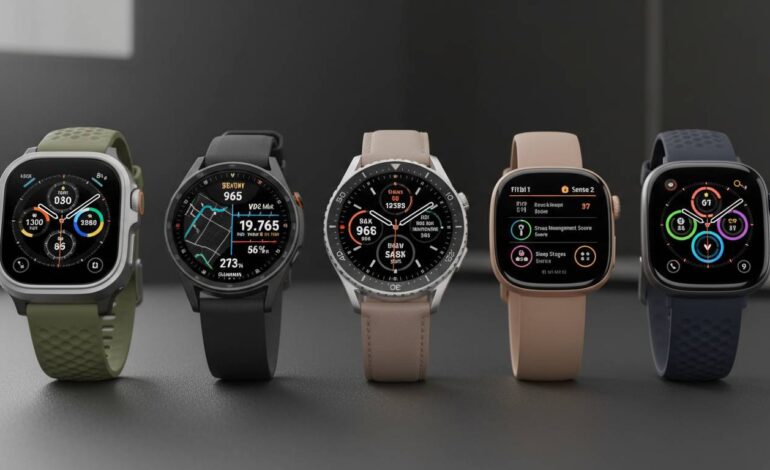
Picking a smartwatch for workouts is one of those decisions that sounds simple until you start looking. Suddenly you’re comparing GPS accuracy and battery life and app ecosystems and you’re wondering why you can’t just grab the one that looks nice. The honest answer is that there’s no single best watch—there’s only the best watch for what you actually do and how you actually live. But I can help you figure out which one that is.
What to Look for in a Workout Smartwatch
Fitness Tracking Features That Matter
Here’s the thing about fitness tracking: most watches track the same basic stuff. Heart rate, steps, calories, sleep. The differences show up in the details and in how hard the watch works to make sense of all that data.
You want continuous heart rate monitoring—most do this now. GPS is non-negotiable if you run or bike outside, because your phone GPS alone will drive you crazy with inaccuracies. Beyond that, things like blood oxygen and stress tracking are nice to have but not essential unless you’re really into optimizing recovery.
The Apple Watch Series 9 has everything: optical heart sensor, blood oxygen, temperature sensing. It works. Samsung’s Galaxy Watch 6 does similar stuff with its BioActive sensor that measures heart rate, oxygen, and body composition.
But honestly, if you’re serious about training, Garmin is where it’s at. The Forerunner and Venu lines give you VO2 max estimates, training load analysis, recovery time recommendations—actual numbers you can use to structure your training. Apple and Samsung make fine daily drivers, but Garmin devices are built for people who want to get faster, not just feel good about moving more.
One feature I genuinely appreciate: automatic workout detection. Apple Watch is great at this—it notices you’re running and starts tracking without you asking. That sounds minor until you’re halfway through a run and realize you forgot to hit start. Again.
Battery Life
This is where things get real. Battery life matters most for the people who need it least (casual users will charge daily anyway) and least for the people who need it most (serious athletes often charge between workouts regardless).
But if you’re training for a marathon or doing long rides, the difference matters. A lot.
Garmin wins here no contest. The Forerunner 965 gives you 23 days in smartwatch mode and 31 hours of continuous GPS. You could do a 50-mile ultra and still have battery left. Apple Watch Series 9 gets you about 18 hours—basically a full day, which means daily charging if you wear it to sleep for tracking.
Samsung’s Galaxy Watch 6 sits around 40 hours, Fitbit’s Sense 2 manages about six days. The Apple Watch Ultra 2 pushes to 36 hours (72 in low power mode), which is impressive but still falls short of what Garmin offers.
Think about your actual habits. If you already charge your phone every night, adding an Apple Watch to that routine is no big deal. If you forget to charge things regularly, you’re going to want the Garmin.
Comfort and Design
You’re going to wear this thing constantly. During workouts, yes, but also while sleeping, while working, while cooking dinner. Comfort genuinely matters.
Apple Watch is light—around 32 grams for the 41mm. The square screen feels modern and gives you room to see metrics, though some people really prefer the classic round face. The band selection is enormous, which matters if you want options beyond “sporty” and “more sporty.”
Samsung went with circular and it’s a look many people prefer. The rotating bezel is genuinely useful when your hands are sweaty and touchscreens become frustrating. The 44mm version weighs around 28 grams, so it’s similarly lightweight.
Garmin tends to be bulkier. That’s not a design flaw—it’s a trade-off. Bigger case means bigger battery and more sensors. Many Garmins are military-grade for durability, which matters if you’re climbing mountains or just clumsy. The Forerunner 965 is chunky. You won’t forget you’re wearing it. Whether that’s a problem depends on what you’re after.
Top Smartwatches for Daily Workouts in 2024
Apple Watch Series 9
If you’re in the Apple ecosystem, this is the obvious choice and it’s a good one. The integration with iPhone is smooth—notifications, Apple Music, Siri, everything just works. That’s worth something.
The S9 chip makes navigation snappy and enables on-device Siri, which keeps your health data private rather than sending it to the cloud. The Double Tap gesture is genuinely useful during workouts when you’re holding weights or gripping a handlebar.
Workout support covers over 100 activity types. Swimming, cycling, running, HIIT, yoga, strength training—it handles all of it. Precision GPS works well, the always-on display is readable in sunlight, and Siri can announce workout milestones so you don’t have to break your stride to check your wrist.
For gym work, automatic rep counting for strength training is solid. Heart rate zones help you train at the right intensity. Sleep tracking is fine, though not as detailed as what Garmin offers.
The battery is the weak point. You’ll charge it daily. If you travel for races or forget to charge regularly, this becomes annoying fast. It’s the price of having everything else work so well.
Samsung Galaxy Watch 6
Galaxy Watch 6 is the Android equivalent of the Apple Watch—polished, capable, and best when paired with its native phone. The rotating bezel alone makes it worth considering if you’ve struggled with sweaty touchscreen controls.
The BioActive sensor measures heart rate, blood oxygen, and body composition. That last one—skeletal muscle weight, body water, metabolic rate—is more detailed than what most competitors offer. Whether you care depends on how into metrics you are.
Samsung Health tracks over 90 exercises and auto-detects seven common types. RUNNING DETECT analyzes your form in real-time, which is genuinely useful if you’re working on efficiency or trying to avoid injury.
Sleep tracking is where Samsung stands out. Comprehensive sleep stages, oxygen during sleep, snoring detection—it actually tells you something useful about recovery. If you care about sleep quality, this matters.
The catch: iOS users get a diminished experience. Some features don’t work with iPhones. If you’re an iPhone user, look elsewhere.
Garmin Forerunner Series
This is the athlete’s choice. Apple Watch and Samsung make fine fitness devices, but Garmin makes tools for people training for specific outcomes. The app ecosystem is weaker and the interfaces are less slick, but the workout features are in another league.
The Forerunner 965 is the flagship. Training readiness score tells you how recovered you are based on sleep, HRV, and training load—useful on days when you’re not sure whether to push or take it easy. VO2 max estimates update as you get fitter. Race predictor uses your actual performance to estimate finish times. These aren’t just numbers; they’re planning tools.
Multi-band GPS is exceptionally accurate, even in urban canyons or forests. The battery lasts 31 hours in GPS mode. That’s an Ironman race. That’s a 100-miler. That’s “I forgot to charge it last week and it’s still going.”
Strength training tracking is detailed: specific exercises, sets, reps, weight lifted, volume load. You can download training plans directly to the watch and it’ll guide you through each session.
The Forerunner 265 offers most of this in a cheaper package. If you want serious tracking without the premium price, it’s the smart pick.
Fitbit Sense 2
The Sense 2 is for people who care about wellness more than athletic performance. It’s less about “how do I get faster” and more about “how do I manage stress and sleep better.”
The cEDA sensor tracks stress responses all day and prompts breathing exercises when you’re amped up. If your daily life is chaotic and affects your training, this is genuinely useful. The ECG app checks for heart rhythm issues. SpO2 monitoring tracks oxygen during sleep. Skin temperature variation can signal illness or overtraining before you feel it.
GPS requires your phone nearby, which disappoints some runners but keeps the watch lighter and battery longer. Six days of battery is practical.
Fitbit’s app is excellent for visualizing trends over time—sleep quality, readiness, activity. The charts are intuitive and actually help you understand patterns. Fitbit Premium adds more insights but the free features are substantial.
At a moderate price point, this is the best value for someone building fitness habits without needing pro-level metrics.
Garmin Venu 3
The Venu 3 is the bridge watch. It has serious fitness features (body battery, sleep score, nap detection) without the aggressive athlete look of the Forerunner. You could wear this to a meeting and nobody would know it’s a sports watch.
The AMOLED display is bright and colorful, nicer than the utilitarian screens on some Garmin models. Battery is 14 days in smartwatch mode, 26 hours in GPS mode—more than enough for most people.
It has animated workouts for strength, yoga, Pilates, and HIIT that guide you through movements on the wrist. Good for home exercisers who want structure without a screen in front of them. The wheelchair mode tracks pushes specifically, which is a nice inclusive touch.
Comparing Workout-Specific Features
Runners: GPS accuracy matters most. Garmin is best here, followed by Apple and Samsung. All three handle basic tracking fine.
Cyclists: Apple and Samsung offer basic cadence and distance with phone or sensors. Garmin adds power meter support, bike-specific VO2, and structured indoor training. If you’re serious about cycling, Garmin wins.
Swimmers: Apple and Garmin are comprehensive—stroke detection, lap counting, SWOLF scores. Samsung is similar, though some users report lap detection issues.
Strength training: Apple and Garmin track specific exercises, sets, reps, and weight. Fitbit is more basic. If lifting is your thing, Apple or Garmin.
Cross-training: People who mix it up—running, lifting, yoga, cycling—benefit from Apple or Samsung’s automatic workout detection. You won’t forget to start tracking when you try something new.
Budget Considerations
Prices span from around $250 (Fitbit Sense 2) to over $700 (Apple Watch Ultra 2, premium Garmin). What you spend should match how seriously you take tracking.
Sense 2 is best value for general fitness. Galaxy Watch 6 and Apple Watch Series 9 are mid-premium—capable daily watches that happen to track workouts well.
Garmin Forerunner and Venu are worth the premium if you’re training for something specific. The metrics actually help you improve. If you’re just moving more, cheaper works fine.
Ongoing costs exist too. Apple Fitness+ is annual. Fitbit Premium is monthly. These add up.
Making Your Final Decision
Here’s the honest version:
- iPhone user who wants everything to work smoothly: Apple Watch Series 9. Battery life is the trade-off.
- Android user, especially Samsung phone: Galaxy Watch 6. Best integration, good tracking, great sleep data.
- Serious athlete training for races: Garmin Forerunner 965 or 265. The metrics are worth the premium.
- Wellness-focused, stress-managed, budget-conscious: Fitbit Sense 2 or Garmin Venu 3. Both provide solid tracking without overkill.
- You just want something to track workouts without overthinking it: Any of these will work. The best watch is the one you’ll actually wear.
If possible, try before you buy. Wear a friend’s for a week or visit a store. Comfort and interface matter more than specs on paper.
Conclusion
There’s no perfect smartwatch for everyone, but there’s almost certainly a perfect one for you. Apple Watch Series 9 is the polished daily driver for iOS users. Galaxy Watch 6 is the Android champion. Garmin Forerunner is the serious athlete’s tool. Fitbit Sense 2 is the wellness-focused value pick.
What matters most is that you actually use it. A $700 watch in your drawer does nothing for your fitness. A $250 watch you wear every day beats it every time.
FAQs
Which smartwatch has the best battery life for workouts?
Garmin. The Forerunner 965 lasts 31 hours in GPS mode and over 20 days in smartwatch mode. Apple Watch needs daily charging. It’s not even close.
Do I need GPS in my workout smartwatch?
If you run, cycle, or walk outside and want accurate distance, yes. If you’re mostly at the gym or doing indoor workouts, not as much.
Can I track strength training on a smartwatch?
Yes. Apple Watch and Garmin give you the most detail—specific exercises, sets, reps, estimated weight. Fitbit is more basic.
Is the Apple Watch good for Android users?
No. Some features don’t work, and the experience is diminished. Stick with Samsung, Garmin, or Fitbit for Android.
Which smartwatch is best for beginners starting fitness journeys?
Fitbit Sense 2 offers the best value—solid tracking, intuitive apps, good price. Apple Watch and Galaxy Watch are also beginner-friendly if budget allows.
How accurate are heart rate monitors on workout smartwatches?
Good enough for training purposes. Chest straps are more accurate for high-intensity work, but Apple Watch and Garmin optical sensors work well for most people.