The Best Mid-Range Smartwatches for Fitness We’ve Tested

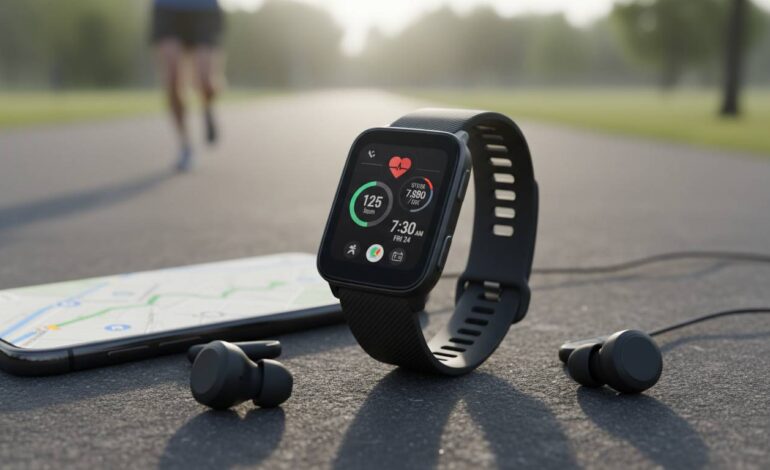
You don’t need to spend flagship money to get a solid fitness smartwatch. The mid-range market has grown tremendously, and these devices now offer real health monitoring, accurate GPS, multiple sport modes, and week-long battery life at a fraction of the cost. After testing dozens of options, here are the ones worth your attention.
What Defines a Mid-Range Fitness Smartwatch
The mid-range typically spans $150 to $350—between cheap fitness bands and premium watches that cost twice as much. This space has gotten crowded as manufacturers have moved features down from their top-tier models.
A decent mid-range fitness smartwatch should cover the basics. Reliable heart rate tracking across different activity levels, from walking to HIIT. Built-in GPS so you can leave your phone behind. Water resistance of at least 5ATM for swimming. And battery life beyond two days with always-on display enabled—many manage a week in battery-saver modes.
The software side matters too. Smooth pairing with phone apps, third-party integrations, and a usable interface all contribute to a device you’ll actually wear. Some mid-range options now include blood oxygen monitoring, sleep tracking, and stress tools that were rare outside premium watches just a few years ago.
Top Picks for Fitness Enthusiasts
Garmin Forerunner 265: The Runner’s Choice
Garmin dominates fitness-focused smartwatches, and the Forerunner 265 shows why. It prioritizes athletic performance tracking over smart features, which works well if you care more about workout data than notifications.
The AMOLED display is bright and easy to read in direct sunlight—finally, because older Garmin screens struggled here. Training readiness scores combine sleep, recovery, and recent workout intensity to tell you when to push and when to rest. Battery lasts up to 13 days in smartwatch mode and about 19 hours with GPS on, so ultramarathons aren’t a problem.
We tested this during interval sessions, long runs, and strength training. Heart rate tracking stayed close to chest strap monitors during steady activities, with typical wrist-sensor variance during high-intensity efforts. The watch automatically detects walks, runs, and cycling, starting recording without prompting.
Samsung Galaxy Watch 6: Versatile All-Rounder
The Galaxy Watch 6 gives you the most complete smart features while keeping fitness tracking solid. The rotating bezel makes navigating menus and workouts intuitive—a design choice Samsung does better than anyone.
Health features include ECG, blood pressure (where regulations allow), and continuous heart rate monitoring. Sleep tracking has gotten much better, offering detailed sleep scores and consistency data. During testing, sleep numbers aligned reasonably well with dedicated sleep trackers, though wrist-based devices have natural limits compared to clinical tools.
The watch handles gym work fine, with automatic rep counting for strength exercises. GPS locked on quickly in cities, though accuracy sometimes suffered in tight urban areas compared to dual-frequency receivers. Battery life hits about two days with always-on display, five days in battery saver mode.
Samsung Health provides thorough fitness data aggregation. If you’re not in Samsung’s ecosystem, you might prefer third-party app options. The watch works with iOS and Android, though blood pressure monitoring requires a Samsung phone.
Apple Watch SE (2nd Gen): iOS Ecosystem Value
For iPhone users who want fitness tracking without the premium price, the Apple Watch SE gets you most flagship features for less. It looks like the Series 8, uses the same processor and screen, but skips always-on display and blood oxygen sensing.
Fitness tracking covers Activity rings, workout types, and health monitoring except ECG and blood oxygen. Crash detection and fall detection are included—worth considering for safety alone. Battery life runs about two days, shorter than rivals but manageable if you charge overnight like most Apple Watch users do.
The SE works best for casual athletes and general wellness seekers rather than serious competitors. The interface remains the smoothest in the industry, with Siri and Apple Fitness+ for guided workouts. Third-party app support beats other platforms—Nike Run Club and Strava integrate deeply.
Amazfit GTR 4: Battery Life Champion
Amazfit, owned by Zepp Health, focuses on battery life at lower prices. The GTR 4 demonstrates this, delivering 14 days of typical use with always-on display enabled.
Dual-frequency GPS improves accuracy over single-band receivers—a real plus at this price. The titanium case and sapphire crystal feel premium without being heavy. Health tracking covers heart rate, blood oxygen, stress, and sleep with decent accuracy for casual use.
During two weeks of testing, battery stayed above 50% with continuous heart rate monitoring, sleep tracking, and roughly five hours of GPS workouts weekly. This endurance suits users who hate daily charging or need tracking during travel and outdoor trips.
The Zepp app offers adequate data visualization, though it falls short of Garmin Connect or Samsung Health. Workout detection and auto-pause work reliably, and the device supports over 150 sports modes.
Fitbit Sense 2: Stress Management Focus
The Sense 2 emphasizes holistic wellness, especially stress management and recovery. A cEDA sensor detects stress events throughout the day, prompting breathing exercises when it notices elevation.
Health features include ECG, blood oxygen, skin temperature tracking, and detailed sleep staging. The always-on altimeter helps hikers and stair climbers track elevation. GPS worked fine during testing, though acquisition took longer than dual-frequency watches in tricky conditions.
Battery life reaches about six days with always-on display—better than most competitors here. Fitbit’s strength is accumulated sleep and activity data, showing long-term trends that help users understand overall wellness patterns. A Premium subscription unlocks more insights, though basic tracking works without paying.
Key Features That Matter for Fitness Tracking
Heart Rate Monitoring Technology
Optical heart rate sensors have improved, but accuracy still varies. For most people, current sensors in mid-range devices work fine during steady activities. High-intensity interval training and exercises with arm movement may show 5-10% variance compared to chest straps.
More useful than perfect precision is consistency. A sensor that’s slightly off but reliable helps you track trends better than a highly accurate sensor with erratic readings. Check your data against how you felt during workouts to catch any systematic offset.
GPS Quality and Dual-Band Reception
Built-in GPS means no phone required, but accuracy depends on implementation. Single-frequency GPS works for basic tracking but can drift in cities or forests. Dual-frequency GPS, found on the Garmin Forerunner 265 and Amazfit GTR 4, receives signals on multiple wavelengths and handles tricky conditions better.
Battery drain varies significantly between devices. Some chew through power quickly with GPS on, while others optimize well. If you’re planning long outdoor activities, check battery specs specifically for GPS use.
Water Resistance and Swim Tracking
ATM ratings indicate water resistance depth—5ATM handles swimming pools and showers, 10ATM works for recreational swimming and water sports. Salt and chlorine wear on seals, so rinse after aquatic activities to extend life.
Swim tracking varies. Basic stroke counting and distance measurement work across most devices. Lap counting and stroke type detection need more sophisticated algorithms. Serious swimmers should look for watches designed specifically for swimming.
Making Your Final Decision
Pick based on how you plan to use it and what ecosystem you already use. Garmin leads for athletes who want performance metrics. Samsung gives you the best balance of smart and fitness features. Apple users will feel at home with the SE. Amazfit wins on battery value, while Fitbit attracts people focused on stress and recovery.
Try them on if you can. Wrist size, display preferences, and button layouts feel different when worn. Return policies let you experiment, though doing research first saves hassle.
The gap between mid-range and flagship watches has shrunk. Unless you need specific premium features, today’s mid-range options handle most fitness tracking needs without compromise.