# Best Budget Wireless Gaming Headphones Under $100 Finding

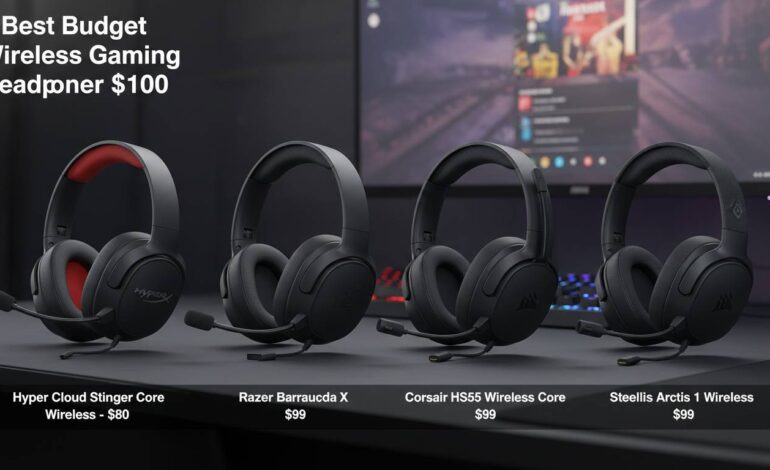
Finding quality wireless gaming headphones without breaking the bank feels like searching for a needle in a haystack. The market floods you with options claiming premium sound, ultra-low latency, and marathon battery life—all for under a hundred dollars. But not all that glitters is gold. Some deliver genuine performance that rivals headsets twice their price, while others leave you cursing at voice chat cutouts or ear pain after thirty minutes. This guide cuts through the marketing noise and breaks down what actually matters when shopping for budget wireless gaming headphones—which features are worth your money and which ones you’ll regret skipping.
Understanding Wireless Technology in Budget Headsets
Wireless connectivity is the biggest differentiator in the budget segment. Most affordable gaming headsets use one of three connection methods: dedicated 2.4GHz dongles, Bluetooth, or occasionally both. Each has trade-offs that directly impact your gaming experience.
2.4GHz wireless delivers the lowest latency and most stable connection, making it the preferred choice for competitive gaming. Headsets using this technology come with a small USB dongle that plugs into your PC or console. The signal rarely drops, and the audio delay stays imperceptible during fast-paced gameplay. The catch is you’re limited to one device at a time unless the headset supports multi-point pairing.
Bluetooth headsets offer more versatility. You can connect to your PC, phone, Nintendo Switch, or tablet without hunting for dongles. This matters if you also want to take calls or listen to music between gaming sessions. The downside is higher latency—standard Bluetooth typically adds 100-300ms of delay. For single-player games, this rarely matters. For competitive shooters or rhythm games, that lag becomes noticeable and frustrating.
Some premium budget options now include both technologies, letting you switch between a low-latency 2.4GHz connection for gaming and Bluetooth for everyday use. These dual-mode headsets often represent the best value, though they tend to cost closer to the $80-100 range rather than the sub-$50 segment.
Audio Quality and Driver Technology
Budget headsets typically use 40mm to 50mm drivers, and size doesn’t always correlate with quality. What matters more is the driver design and the frequency response curve. Gaming headsets often emphasize bass and highs to make footsteps audible and explosions dramatic, but this signature can muddy vocals and music.
Look for headsets with relatively flat frequency response if you want accurate audio across all content. Many gaming-focused options boost the low-end specifically because it creates that cinematic feel developers aim for in action games. If you also plan to watch movies or listen to music on these headphones, test the audio profile or read reviews mentioning music performance.
Surround sound technology has become standard even in budget headsets. Virtual 7.1 surround processing creates positional audio cues that help you locate enemies in games like Valorant, Apex Legends, or Call of Duty. Windows Sonic and Dolby Atmos work with any stereo headset, but some manufacturers include their own spatial audio processing. The effectiveness varies significantly between brands—some virtual surround sounds merely widen the stereo field without true spatial precision.
Microphone Quality Gets Overlooked
Here’s where many buyers regret their purchase. Gaming headset microphones often sound tinny, pick up excessive background noise, or cut in and out at the worst moments. In team-based games, communication clarity directly impacts your ability to coordinate with teammates.
Budget wireless headsets typically include a boom microphone. Fixed microphones built into the ear cup usually perform worse. Look for headsets with noise-canceling microphones—the technology uses multiple mic elements to filter out keyboard clicks, fan noise, and background chatter.
Some headsets include a detachable microphone, which proves handy if you want to use the headphones for music or movie listening without a mic boom in your face. Others include a retractable mic that stows away when not in use.
Battery Life Expectations
Wireless headphones need power, and budget models vary wildly in stamina. Expect anywhere from 10 to 30 hours of battery life on a full charge. This spec matters more than you might think—nothing kills a gaming session faster than headphones dying mid-raid.
Most modern budget headsets charge via USB-C, which is convenient since you can use the same cable as your phone or controller. Some still use micro-USB, which is gradually becoming outdated. Fast charging is increasingly common, with some models delivering several hours of play after just 10-15 minutes of charging.
Comfort and Build Quality for Long Sessions
Gaming sessions easily stretch past two or three hours, making comfort essential. Weight distribution, ear cushion material, and headband clamping force all factor into how comfortable a headset feels over time.
Memory foam ear cushions generally outperform standard foam, conforming to your ear shape and creating a better seal. Leatherette (synthetic leather) covers look premium but can get hot during extended use. Fabric-lined cushions breathe better but may let more external noise in. If you’re sensitive to heat, the fabric option often proves more comfortable for long sessions.
Clamping force matters too. Headsets that feel snug out of the box may become painful after an hour. Some break in quickly, while others never relax enough. Reviews mentioning comfort over multi-hour sessions prove more valuable than first impressions.
Platform Compatibility Considerations
Where you game determines which headset works best. PC gamers have the most options since most wireless gaming headsets include a USB dongle that works with desktop or laptop computers. The same headset often connects to PlayStation consoles, though Sony’s proprietary wireless protocol creates compatibility gaps with some headsets.
Xbox users face the tightest restrictions. Microsoft’s console requires specific wireless certification, limiting your choices significantly. Many budget headsets simply don’t work with Xbox Series X|S, so verify compatibility before buying.
Nintendo Switch works well with Bluetooth, though you’ll need to put the console in handheld mode or use a Bluetooth adapter for docked play. Mobile gaming obviously favors Bluetooth connectivity.
If you game across multiple platforms, look for headsets marketed as multi-platform compatible. These typically include the necessary adapters or support multiple wireless protocols.
What Features Matter Most for Your Play Style
Your gaming habits should guide your priorities. Competitive gamers need ultra-low latency and clear positional audio more than fancy features. Casual gamers might value comfort and versatility over raw performance. Streamers require excellent microphone quality and often prefer wired connections for reliability.
Consider whether you’ll use the headset for activities beyond gaming. If you want to take calls, listen to Spotify, or watch YouTube between gaming sessions, a headset with good Bluetooth support and decent music performance serves you better than one optimized exclusively for gaming audio.
Conclusion
Finding the best budget wireless gaming headset under $100 requires balancing connectivity technology, audio quality, microphone performance, comfort, and platform compatibility. The ideal choice depends entirely on how and where you play. Prioritize low-latency 2.4GHz wireless if competitive gaming drives your purchase decisions. Value versatility and multi-device use if you switch between platforms frequently. Don’t skimp on microphone quality if team communication matters in your games.
Budget wireless headsets have matured significantly, and the sub-$100 segment now includes genuinely capable options that would have cost twice as much a few years ago. Read reviews focusing on long-term comfort and real-world use rather than marketing claims. The right headset for your needs exists within this price range—you just need to match the features to your priorities.