Low Latency Bluetooth Headphones for Gaming

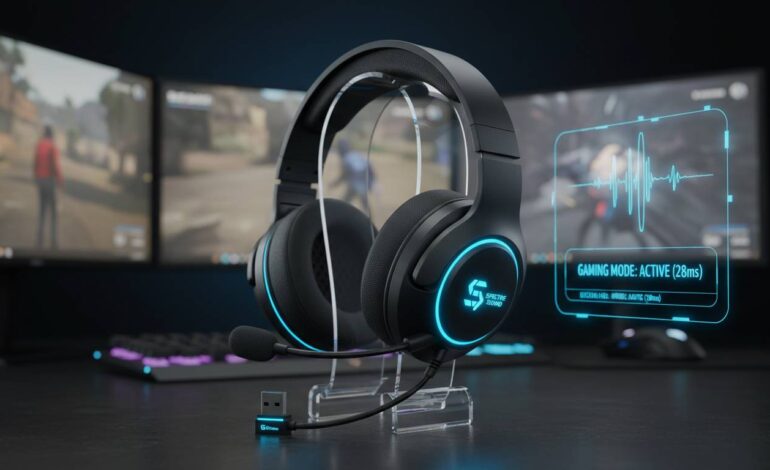
Bluetooth headphones have become a real option for gaming, and the trade-off between wireless freedom and responsive audio isn’t what it used to be. You can now get truly gaming-capable wireless headphones that won’t hold you back in competitive play—though the market is full of options that make big claims but don’t deliver. This guide breaks down what actually matters, what the numbers mean, and when premium pricing makes sense.
Understanding Bluetooth Latency in Gaming
Latency is the delay between when a sound is sent and when you hear it. In gaming, that delay means you’re hearing footsteps or gunshots after you’ve already seen the movement on screen. In fast-paced competitive games, that gap can cost you matches.
Standard Bluetooth audio runs around 100-300ms of latency—enough that most people notice the lag. Serious competitive gamers aim for under 40-50ms, though some pros push for even lower. The better low latency options on the market hit 30-40ms, which gets you close to wired performance.
A few things affect what you’ll actually experience: the Bluetooth version, the codec both devices use, and the headphone’s audio chip. Some manufacturers add extra processing to cut latency further, though that sometimes trades off against sound quality or causes other issues.
One thing to keep in mind: those latency numbers are usually from ideal lab conditions. Real-world use—interference, distance, device compatibility—means you’ll rarely see the advertised figures. Take manufacturer claims as theoretical best cases, not guarantees.
Key Features That Matter for Gaming
Latency is just one piece. How headphones actually perform for gaming depends on several other factors.
Sound signature matters more than people realize. Gaming headphones tend to boost midrange frequencies—footsteps, environmental sounds—so you can hear enemies coming. This “mid-forward” or “V-shaped” profile gives you a tactical edge in shooters. The trade-off is that music and movies can sound unnatural. If you split time between gaming and other uses, this is worth thinking about.
Microphone quality varies wildly. Some Bluetooth headsets give you clear team chat; others produce muffled noise that makes your squad hate you. Beamforming mics that isolate your voice from background noise are worth looking for if you play cooperatively in noisy places.
Battery life for most gaming headphones lands in the 20-40 hour range, which handles marathon sessions fine. Fast charging has become common—some models give you a few hours from a 15-minute charge. Useful for when you forget to charge between sessions.
Comfort is easy to overlook until your head hurts after three hours. Clamp force, ear cup size, weight, and breathability all factor in. Heavy headphones that feel fine initially can become painful later, while ultralight models sometimes skimp on durability or sound quality.
Popular Bluetooth Codecs Explained
Codecs handle how audio compresses and transmits over Bluetooth. They affect both latency and sound quality.
SBC is the universal baseline—every Bluetooth device supports it. It’s fine for casual listening but not great for gaming. Latency runs high here, so most gamers want to look elsewhere.
aptX and aptX Low Latency are Qualcomm’s gaming-focused options. The low latency version targets delay reduction, typically hitting 40-80ms in good conditions. The catch: both your source device and headphones need to support aptX. Apple users are mostly out of luck, and some Android phones don’t include it either.
LDAC is Sony’s high-resolution codec. It sounds excellent but tends to run higher latency, making it better for music than competitive gaming.
AAC is inconsistent—works well on Apple devices but poorly on most Android phones. Universal compatibility but not ideal for gaming performance.
Many gaming headphones include a dedicated low latency mode that swaps to a faster codec configuration when you launch games. Some switch automatically, others let you toggle manually.
Finding the Right Balance: Price vs. Performance
Budget options under $50 get you functional low latency performance but with trade-offs: average sound quality, basic mics, plastic builds. Fine for casual gaming or testing whether wireless works for you. Battery life usually lands around 15-25 hours.
The $100-200 range is where most buyers should look. You get real improvements in sound, mic clarity, and build quality. This tier usually includes multipoint pairing, companion apps with equalizer controls, and better materials. Most serious gamers find what they need here without spending more.
Premium models over $300 add better drivers, noise cancellation, excellent mics, and premium build quality. Some include spatial audio for immersive games or proprietary ultra-low latency connections that beat standard Bluetooth. Worth it for enthusiasts, streamers, or competitive players who can actually hear the difference.
Top Considerations Before Buying
Platform compatibility trips people up. PC and mobile work fine with most Bluetooth headphones. Consoles are trickier—PlayStation and Xbox support Bluetooth audio but with microphone limitations that vary by model. Nintendo Switch improved with firmware updates, so compatibility is better than it used to be.
Connection stability matters in RF-crowded environments. Quality chipsets and antennas handle interference better. If your audio stutters or drops, try reducing wireless congestion or keeping your gaming device closer.
Wired fallback is underrated. When battery dies or you need zero-compete latency, having a 3.5mm or USB option saves you. Many Bluetooth gaming headsets include this, and it’s worth checking for.
Warranty and support reflect manufacturer confidence. Gaming headphones take daily abuse, so good support matters for long-term ownership.
Finding the right pair comes down to your priorities. Casual gamers do fine on budgets. Competitive players benefit from premium features they can actually perceive. Don’t overpay for stuff you won’t use—but don’t cheap out and suffer through bad audio, either.